LeVar Thomas
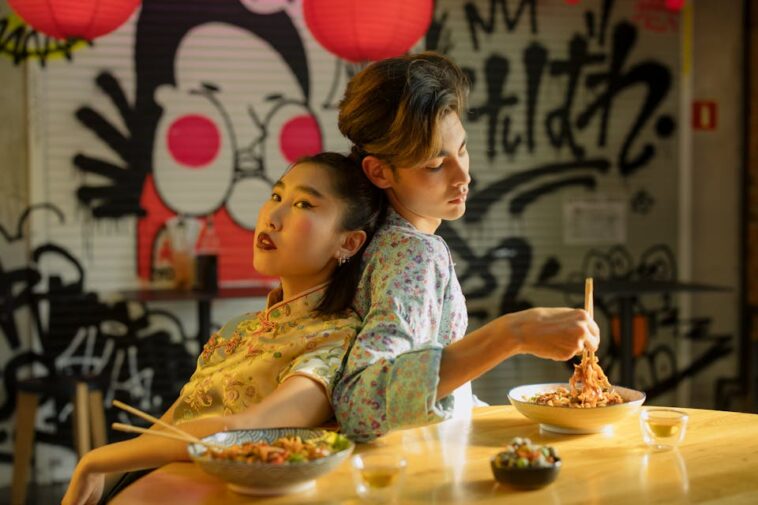
Winter Kyoto temples provide quiet spaces for reflection, where snow-covered rooftops and silent gardens enhance the peaceful atmosphere for visitors.
the Golden Pavilion, shimmers against the winter sky, reflecting perfectly in frozen pond surfaces surrounded by serene pine trees.
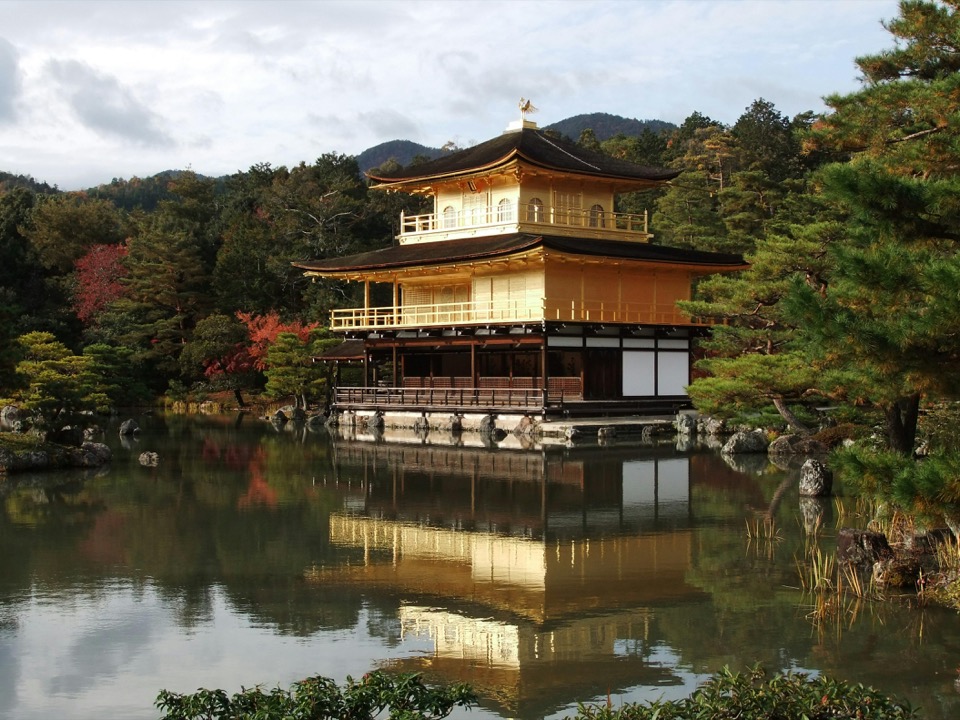
Ginkaku-ji, or the Silver Pavilion, offers minimalist beauty, with carefully raked gravel gardens that create calming patterns amid crisp winter air.
Ryoan-ji’s rock garden encourages meditation, with each stone carefully placed to reveal new perspectives from every viewing angle.
Many lesser-known temples, such as Nanzen-ji, offer intimate experiences where travelers can enjoy winter serenity without large tourist crowds.
Winter Kyoto Gardens: Tranquil Landscapes
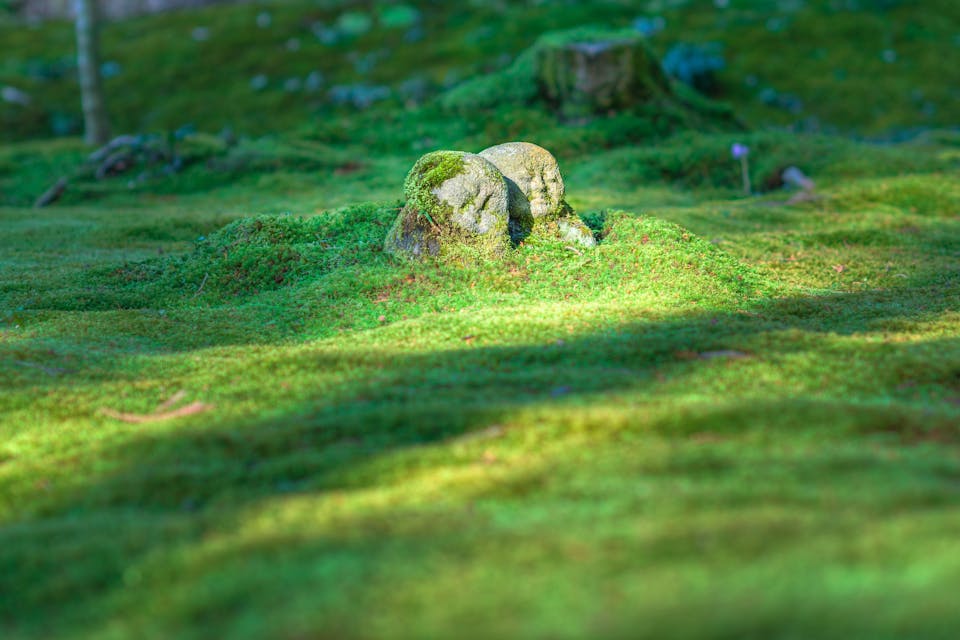
Kyoto gardens transform in winter, showcasing bare trees, soft snow, and peaceful pathways perfect for reflective walking and quiet photography sessions.
The gardens of Heian Shrine feature seasonal plants, winding paths, and gentle water features, offering meditative strolls through crisp winter air.
Shosei-en Garden’s winter landscape highlights moss-covered stones and small ponds, creating a sense of balance and harmony for visitors.
Many private gardens open during winter for a calmer experience, combining traditional Japanese landscaping with seasonal elements like bamboo and plum blossoms.
Even in central Kyoto, small temple gardens offer hidden corners of quiet, allowing travelers to feel removed from city life.
Seasonal Cuisine in Winter Kyoto
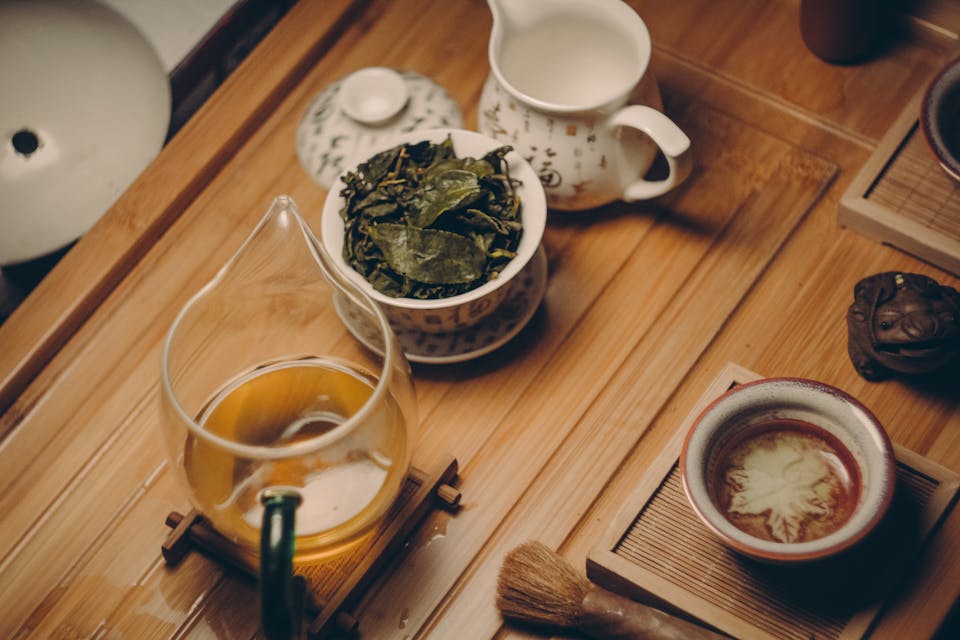
Winter Kyoto cuisine celebrates fresh, local ingredients, including hearty nabe hot pots, roasted vegetables, and sweet yuzu-flavored treats for warming meals.
Kaiseki meals reflect seasonal themes, with artistically arranged dishes showcasing winter vegetables, seafood, and traditional cooking techniques.
Street food markets offer roasted chestnuts, grilled mochi, and pickled delicacies, providing a taste of Kyoto’s winter traditions.
Local tea houses serve matcha with seasonal sweets, offering a soothing pause after a day of temple visits and garden walks.
Evening dining experiences include steaming bowls of udon or soba, complemented by warm sake for the perfect winter Kyoto night.
Exploring Winter Kyoto Neighborhoods
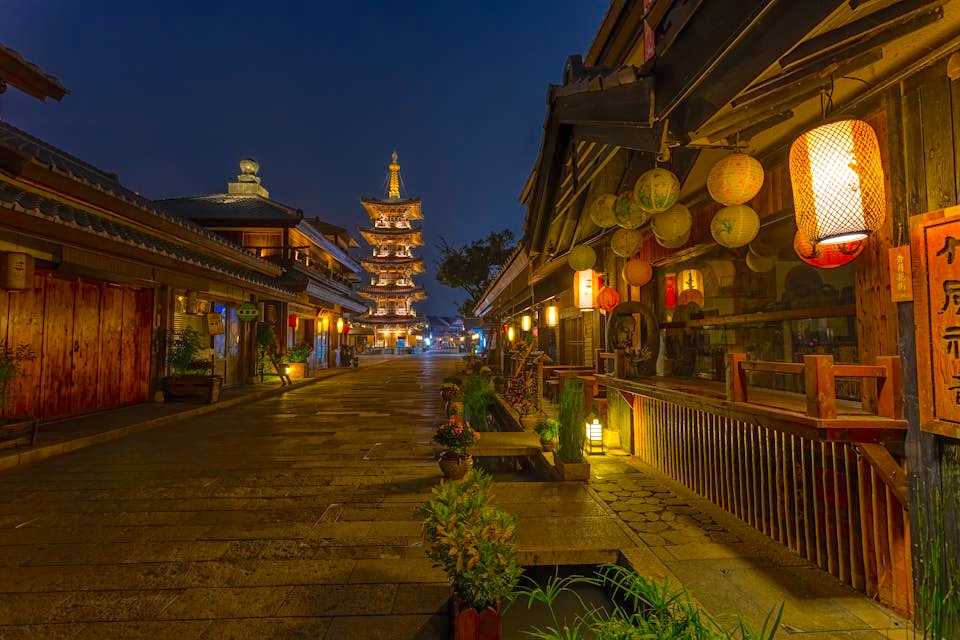
Historic districts like Gion and Higashiyama retain old-world charm, with wooden machiya houses and softly lit streets ideal for evening strolls.
Philosopher’s Path provides a contemplative walking route along canals and bridges, lined with trees showing bare branches in serene winter silence.
Arashiyama offers forest trails, bamboo groves, and small rivers, creating immersive winter landscapes just outside the central city.
Shopping streets and local markets maintain their charm in winter, with seasonal crafts and culinary delights reflecting Kyoto’s rich traditions.
Even quiet side streets reveal hidden shrines, tea houses, and small galleries, rewarding travelers who explore beyond main tourist areas.
Winter Festivals and Cultural Experiences
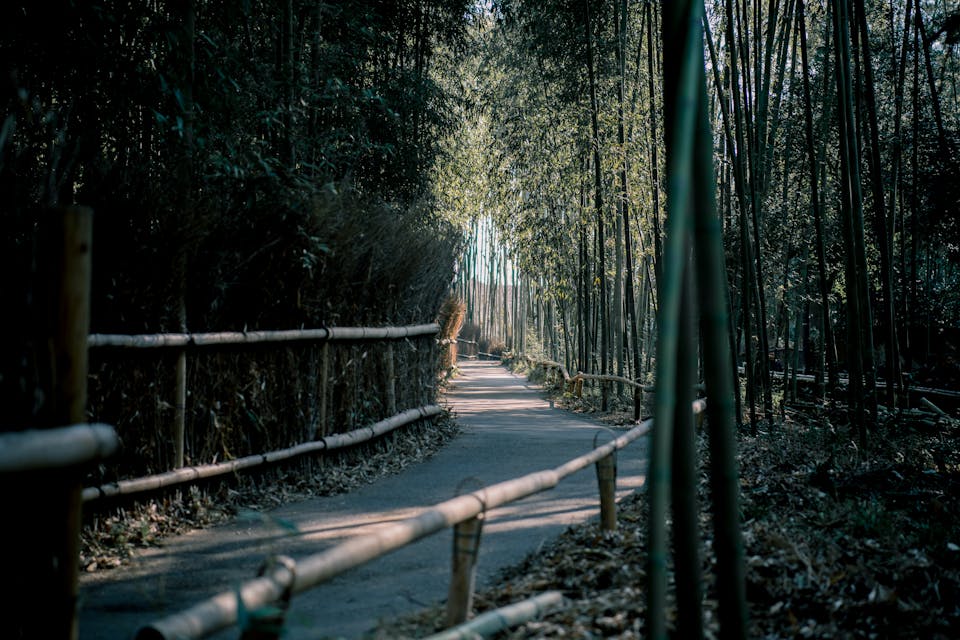
Kyoto hosts winter festivals, such as Arashiyama Hanatoro, illuminating bamboo groves and streets with soft lantern light for magical evenings.
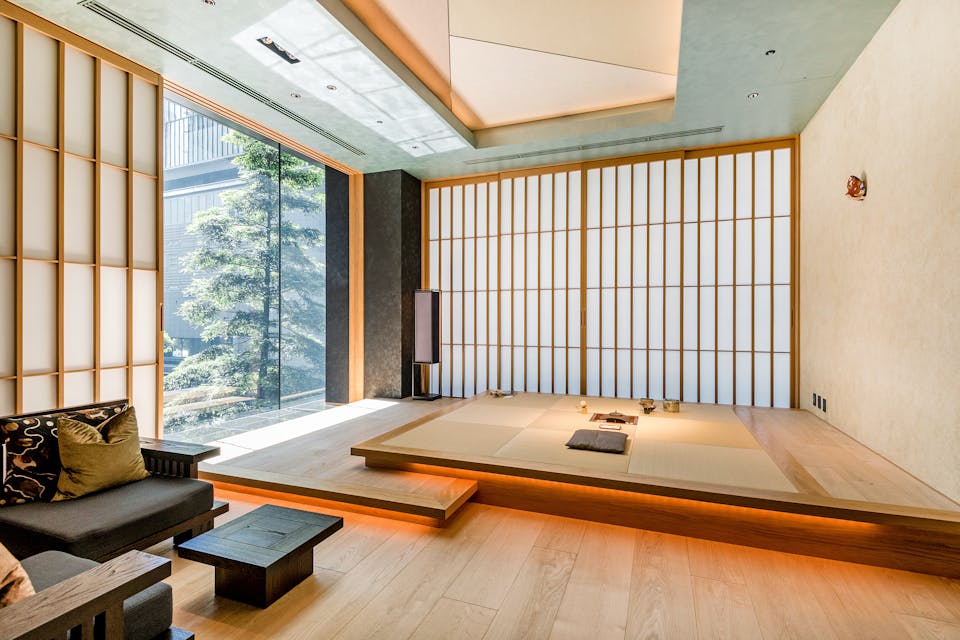
Tea ceremonies in winter Kyoto are particularly calming, with intimate rooms and attentive hosts creating peaceful cultural experiences for visitors.
Kimono rentals in winter provide warm fabrics for exploring streets, gardens, and temples comfortably while enhancing photographic opportunities.
Temple illuminations and seasonal decorations, including pine and plum displays, create unique visual experiences for winter visitors.
Winter Kyoto encourages mindful travel, offering opportunities to immerse in culture, history, and natural beauty without the distractions of peak tourism.
Practical Tips for Visiting Winter Kyoto
Public transport in Kyoto is efficient, with buses and trains connecting temples, gardens, and districts for convenient winter sightseeing.
Booking ryokan or hotels in advance ensures warm accommodations, often with traditional tatami rooms, hot baths, and garden views.
Dress in layers, as winter mornings and evenings can be cold, especially when walking through gardens and temple grounds.
Plan for slower-paced days to enjoy temple interiors, quiet gardens, and local cuisine, making winter Kyoto a restorative holiday destination.
Allow extra time for photography, reflection, and enjoying seasonal dishes, as winter Kyoto encourages a slower, more thoughtful travel experience.
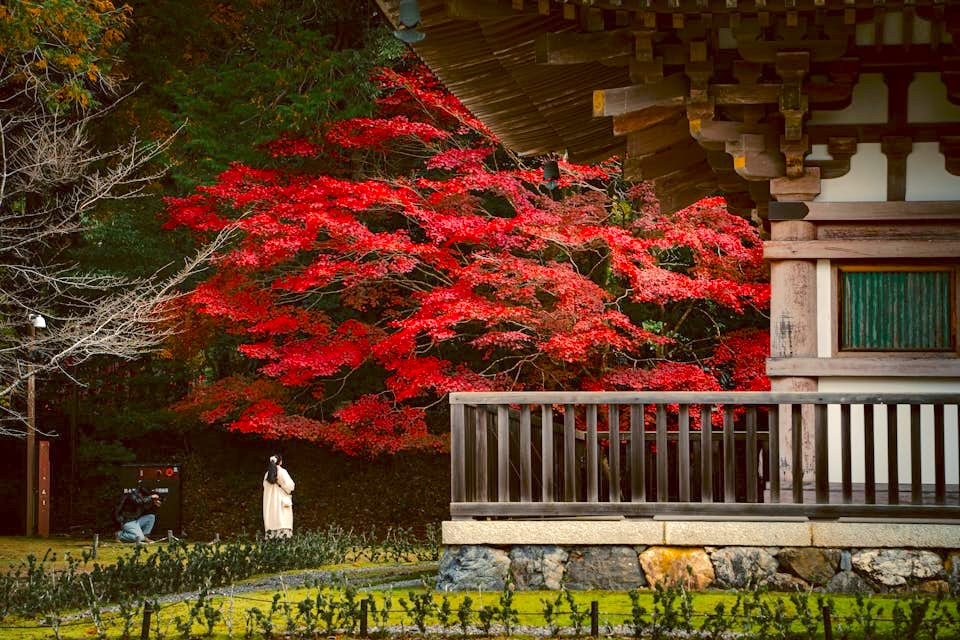
Kyoto in the winter offers peaceful streets, quiet temples, and seasonal flavors that create a calming holiday experience for every type of traveler. The city encourages slower movement, mindful exploration, and meaningful cultural moments that feel especially powerful during the gentle winter season.
Visitors discover a rare balance of beauty, tradition, and comfort that makes winter Kyoto one of Japan’s most rewarding seasonal destinations. Choosing to spend time here brings a refreshing sense of calm, allowing travelers to enjoy culture, cuisine, and nature at an unhurried pace.
Winter Kyoto invites curious visitors to embrace serenity, connect with local traditions, and enjoy a holiday trip that feels both restorative and inspiring.