James Wolfe
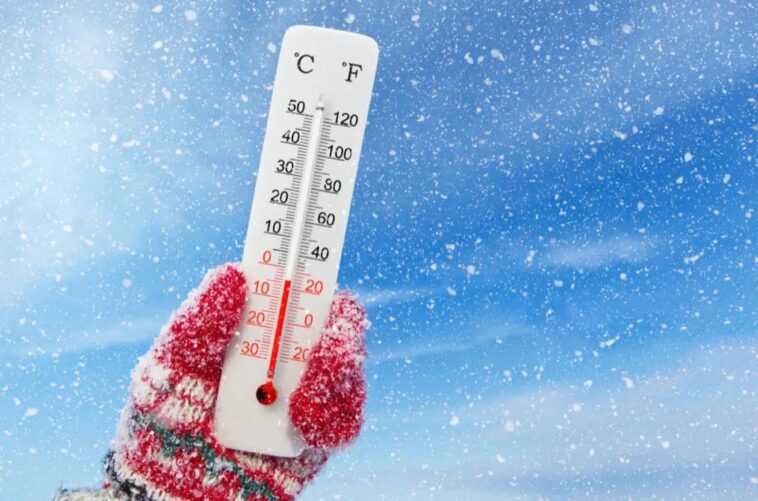
Traveling to colder regions demands thoughtful planning that improves your comfort, protects your health, and prepares you for changing conditions. You can create a solid foundation by researching expected temperatures and daily weather patterns, since many destinations shift quickly between mild cold and intense cold.
Once you understand the climate, you can build a packing list that saves space, protects your body, and keeps you comfortable throughout your trip. Packing smart is your first line of defense, and your clothing choices matter more than the number of items you bring.
Choose fabrics that trap heat without absorbing moisture, since wet clothing can reduce warmth and create discomfort. Avoid cotton when possible, and lean toward wool, fleece, and synthetic layers that provide insulation on the coldest days.
The Power of Layering for Real Cold Comfort
 Layering is one of the most important techniques for staying warm during cold weather travel, and it allows you to adjust to changes throughout the day. Begin with a strong base layer that sits against your skin, since it regulates temperature and pulls moisture away from your body.
Merino wool and synthetic blends are excellent options that support heat retention and long-lasting comfort. Your mid layer creates insulation that traps heat while allowing breathability during physical activity. Fleece jackets, light puffers, or packable down sweaters deliver warmth without adding heavy bulk to your suitcase.
An outer layer serves as your main barrier against wind, rain, and snow, and a waterproof jacket can protect you from harsh conditions that drain body heat quickly. Layering also works well for indoor transitions, since heated buildings can feel extremely warm after time outside.
You can remove or add a layer as often as needed, and this flexibility improves your comfort during long travel days that require moving through many different environments.
Choosing Accessories That Elevate Cold Comfort

A cold climate demands more than warm jackets, because small accessories protect vulnerable areas that lose heat first. Gloves create insulation for your hands, which are sensitive to wind and freezing temperatures.
A warm hat offers major benefits, since uncovered heads release heat rapidly during winter weather. Scarves, gaiters, and neck warmers shield your face and throat, which helps reduce exposure to harsh winds.
Socks are essential, and wool or synthetic blends prevent cold toes during long walks or outdoor tours. If you expect snow, insulated and waterproof boots give you traction and support on icy surfaces. These accessories weigh little, yet they add significant warmth and comfort during daily activities.
Hand warmers and foot warmers provide extra insulation for travelers who enjoy outdoor adventures, long hikes, or winter festivals. They also support travelers who tire easily in colder temperatures, and they help you stay comfortable for longer periods without heavy clothing.
Staying Warm Through Movement and Smart Habits
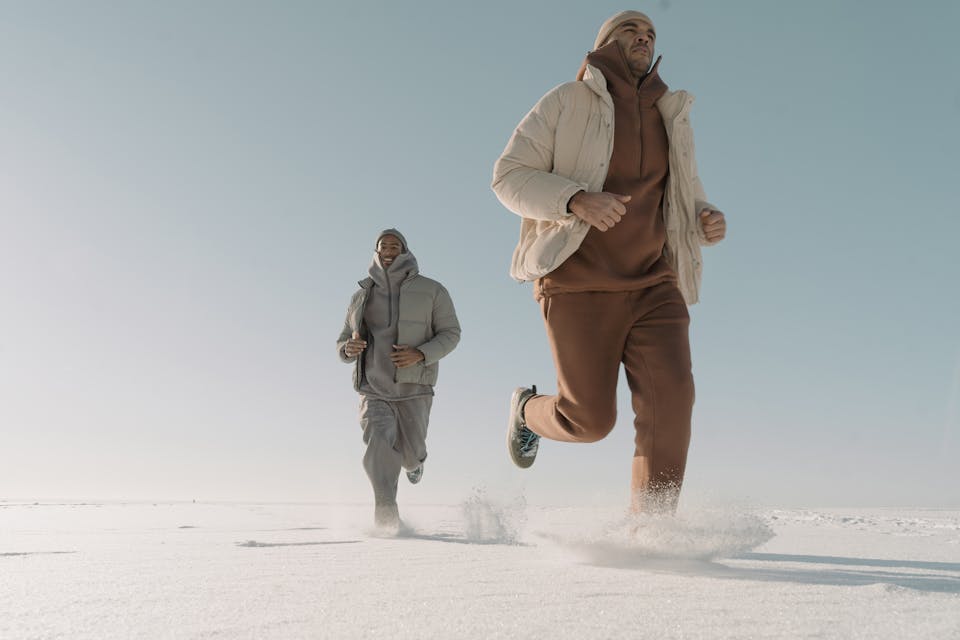
Clothing matters, but your behavior also plays a major role in staying warm. Staying active helps your body generate heat naturally, and short walks can improve your temperature when the weather becomes uncomfortable.
Eating regularly provides fuel for warmth, and warm drinks help you stay comfortable while navigating cold destinations. Hydration remains important in cold climates, even when you do not feel thirsty. Dry winter air can dehydrate you quickly, and this can affect your energy and comfort.
Choose water, warm teas, or broths that support hydration and heat retention throughout the day.
Packing Essentials That Support Cold Comfort
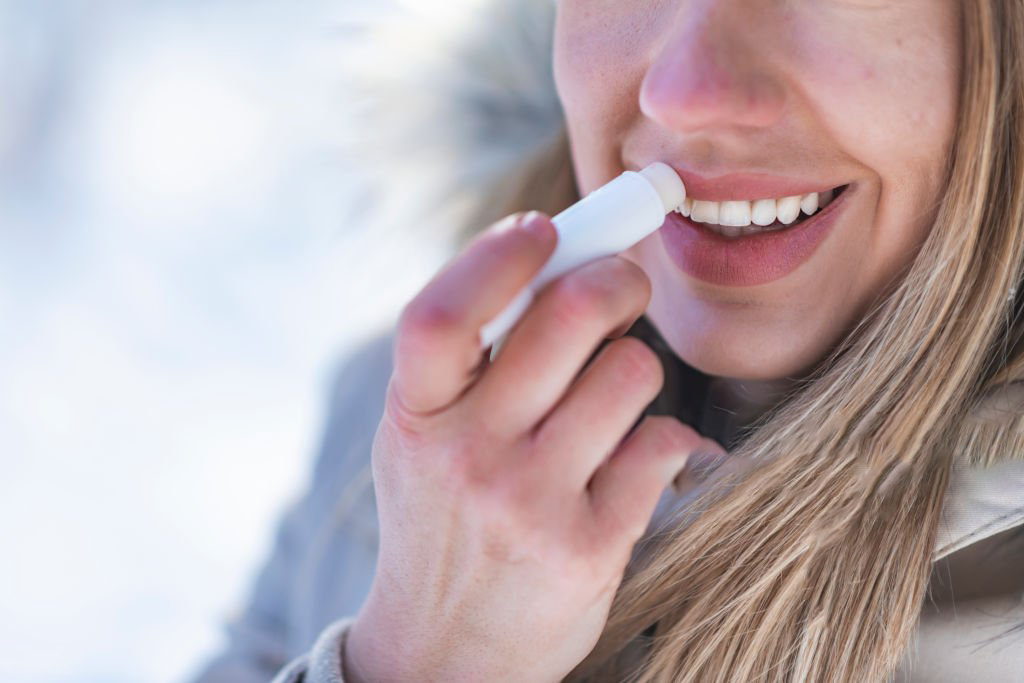
A compact travel humidifier adds moisture to dry hotel rooms and helps your skin retain warmth more effectively. Moisturizers that contain rich ingredients protect your face and hands from windburn, which often occurs during extended cold weather travel. Lip balm prevents cracking during temperature shifts, especially in high altitude winter destinations.
Portable heat pads can offer targeted warmth after long excursions, and they support relaxation on cold evenings. Thermal leggings provide comfort as sleepwear, and wool socks help regulate temperature during cold nights in cabins or mountain lodges.
Staying Prepared for Extreme Conditions

Weather can shift quickly, so staying prepared improves your safety and comfort. Carrying a lightweight emergency blanket adds protection for long hikes or remote destinations. A small power bank ensures your phone stays charged in cold temperatures, since battery life drains faster in low heat. You can also download offline maps that support navigation if the weather affects your service connection.
Travel insurance can offer coverage for weather delays, which are common in colder climates. It also helps you manage unexpected changes, so your trip remains stress-free and enjoyable.
Inclusive Tips for All Travelers
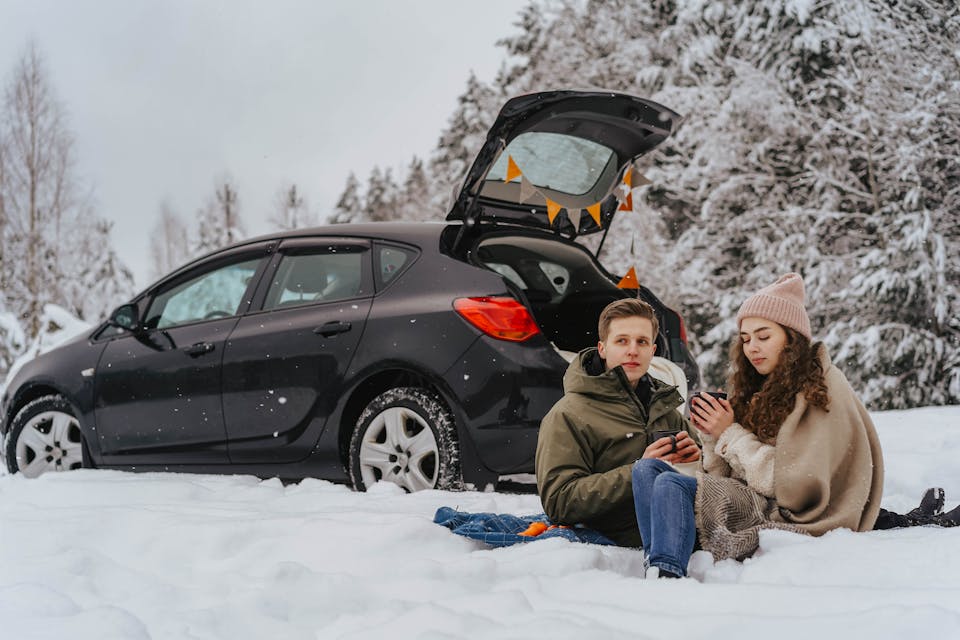
Cold weather affects people differently, and inclusive planning helps every traveler feel safe and supported. Travelers with reduced circulation may benefit from heated insoles or mittens that improve blood flow in low temperatures.
Travelers with sensory sensitivities might prefer seamless layers or soft materials that reduce discomfort in cold weather. Everyone can adapt these tips to create a comfortable and enjoyable trip that feels welcoming and warm.