LeVar Thomas
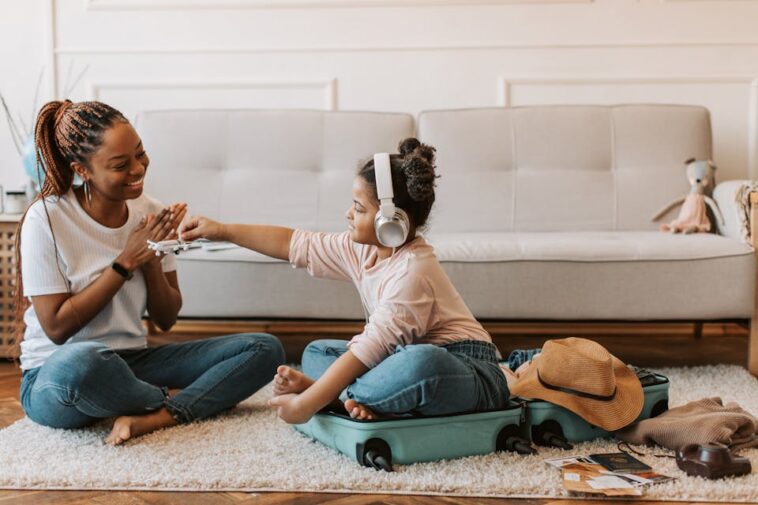
Packing sounds simple until you actually have to do it. You tell yourself you will travel light, and somehow your suitcase still ends up full of things you never use. Extra shoes, backup outfits, and products you might need just in case. Packing light feels risky, as if forgetting one item could ruin the entire trip.
The truth is that packing light is not about bringing less of everything. It is about bringing the right things. With a little planning and common sense, you can travel comfortably without dragging half your home along with you.
Start With the Trip, Not the Suitcase
Before you pack anything, think about your trip. Where are you going? How long will you be there? What will your days actually look like? A beach holiday, a city break, and a work trip all require different approaches.
Write down your main activities. This helps prevent overpacking for imaginary situations. If you are not attending formal events, you probably do not need multiple dressy outfits. If you will be walking a lot, extra heels make no sense.
Packing light starts in your head, not in your luggage.
Build Outfits, Not Options
One of the biggest packing mistakes is bringing too many clothing options. Instead of packing items that might work, pack complete outfits that definitely will.
Choose a simple color palette so everything mixes easily. Neutral colors with a few accent pieces go a long way. This allows you to create different looks from fewer items.
Aim for layers. A lightweight jacket, a sweater, or a scarf can change an outfit and adapt to the weather without adding bulk. Common sense applies here. If one piece can do multiple jobs, it earns its place.
Shoes Deserve Special Attention
Shoes take up space fast. The key is to limit yourself to what you will actually wear. For most trips, two or three pairs are enough.
Wear your bulkiest pair while traveling. Pack one comfortable walking shoe and one option that works for evenings or nicer occasions. If you are going somewhere warm, sandals might replace one of these.
Ask yourself honestly if you will wear a pair more than once. If the answer is no, leave them behind.
Toiletries Without the Clutter
Toiletries are another common overpacking trap. Full-size bottles, duplicates, and products you barely use add unnecessary weight.
Decant your essentials into travel-sized containers. Focus on what you use daily, not what you own. Many hotels also provide basics, so you can skip things like shampoo or body wash if you are comfortable with that.
Keep everything in one organized pouch so you can see what you have. This prevents packing extras out of fear.
The Art of the Essentials Kit
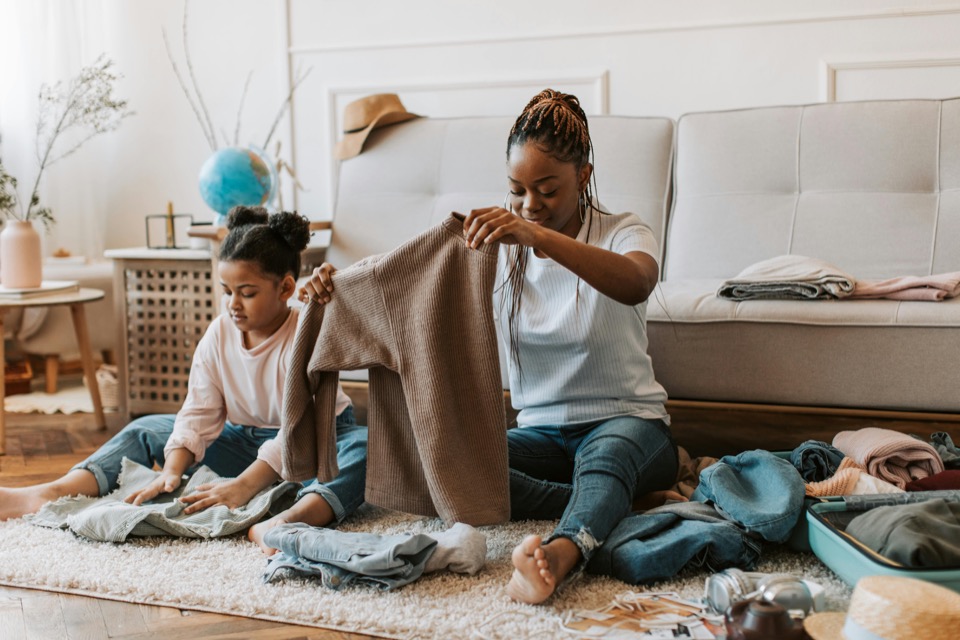
Create a small essentials kit that always comes with you. This might include chargers, medications, documents, and personal care items you cannot replace easily.
When these items have a dedicated place, you are less likely to forget them. It also speeds up packing because you are not starting from scratch each time.
This kit becomes your safety net. Knowing it is packed gives you confidence to pack lighter elsewhere.
Beauty and Fragrance on the Go
Beauty products can quickly get out of control when traveling. The trick is to simplify your routine. Choose multi-use products like tinted moisturizers, lip and cheek colors, and compact palettes.
When it comes to fragrance, travel-friendly options are your best friend. A small atomizer or a solid perfume saves space and prevents spills. Some people enjoy carrying their scent in a special container, like an iridescent travel fragrance case, which protects the bottle and adds a bit of personality to their bag.
Choose one fragrance that fits most moods. You do not need a different scent for every outfit.
Use Packing Tools Wisely
Packing cubes and organizers can be helpful if used correctly. They are meant to create order, not encourage you to bring more.
Use one cube per category, such as tops, bottoms, or underwear. This keeps everything visible and easy to access. Compression cubes can save space, but do not let them tempt you into overpacking.
Rolling clothes instead of folding them often saves space and reduces wrinkles. Try both methods and see what works for you.
Leave Room for the Unexpected
Packing light does not mean filling every inch of your suitcase. Leave some space. You might buy something during your trip, or simply want room to breathe.
Having extra space also makes unpacking easier. You do not have to fight your suitcase every time you open it. Travel feels calmer when your bag is not bursting at the seams.
The One In, One Out Rule
A simple rule that helps many travelers is one in, one out. If you pack an extra item, remove another. This forces you to prioritize.
Ask yourself which item you would rather live without. The answer is usually clear. This method keeps your packing intentional and prevents last-minute overloading.
Trust Yourself More
Many people overpack because they do not trust themselves. They worry they will forget something important. The reality is that most things can be bought or borrowed if needed.
Trust your ability to adapt. You are more resourceful than you think. Packing light teaches flexibility and confidence.
Practice Makes It Easier
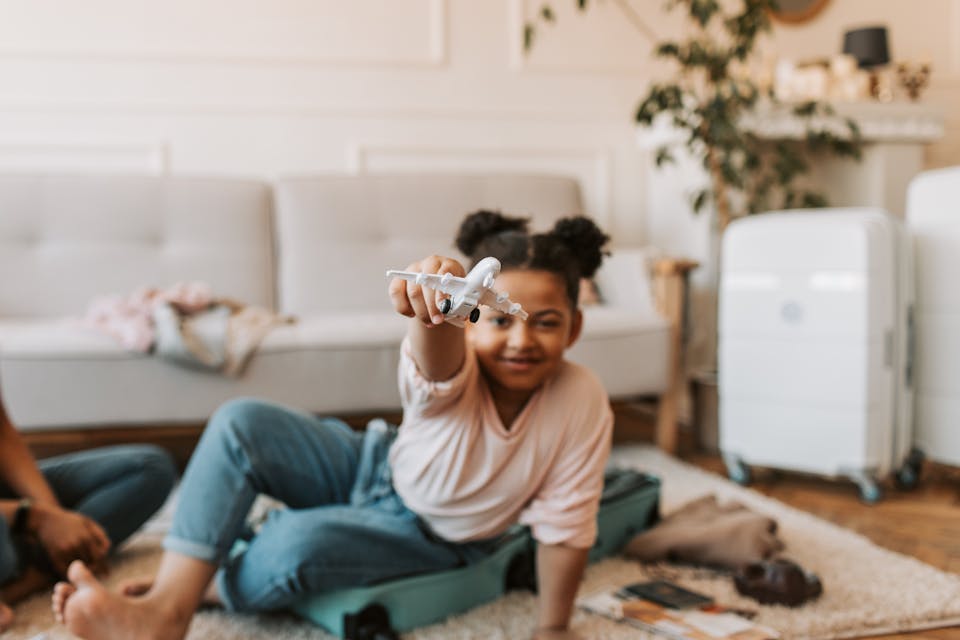
Like any skill, packing light gets easier with practice. After each trip, notice what you did not use. That information is valuable.
Over time, you will learn what truly matters to you when traveling. Your packing list will shrink naturally, and your trips will feel lighter in every sense.
Packing light is not about perfection. It is about intention. When you focus on what you actually need, you free yourself from excess and enjoy the journey more.