LeVar Thomas

Winter slowly gives away to the arrival of spring, and that shift makes it the perfect moment to plan warmer weather trips that embrace fresh air, sunshine, and UNESCO travel around the world. Each UNESCO World Heritage Site carries enormous cultural, natural, or historical value, and visiting them during comfortable weather allows travelers to explore more fully with inclusive experiences and environmentally mindful practices.
With many UNESCO destinations located in tropical regions or temperate climates, spring becomes a natural fit for planning meaningful cultural heritage tourism that blends education with adventure, respectfully. Those who love nature reserves can find lush landscapes bursting with new life, while travelers who enjoy architecture can marvel at preserved historic places without intense summer heat.
Top UNESCO Heritage Nature Sites

One outstanding UNESCO travel destination for warm weather is the Galápagos Islands in Ecuador, where diverse wildlife roams freely across volcanic terrain surrounded by clear waters ideal for ecotourism snorkeling adventures.
Spring shoulder season brings moderate temperatures and fewer crowds, which supports conservation goals and improves traveler experience while encouraging respectful cultural heritage tourism and low impact exploration.
Farther across the sea, the Great Barrier Reef in Australia delivers remarkable biodiversity, and warm conditions make it possible to enjoy sustainable travel experiences like guided reef swims that educate guests about coral protection and marine science.
Nature reserves like these embody sustainable tourism values, and visiting during shoulder seasons reduces pressure on delicate habitats without sacrificing enjoyment or comfort.
Historic UNESCO Travel Cities
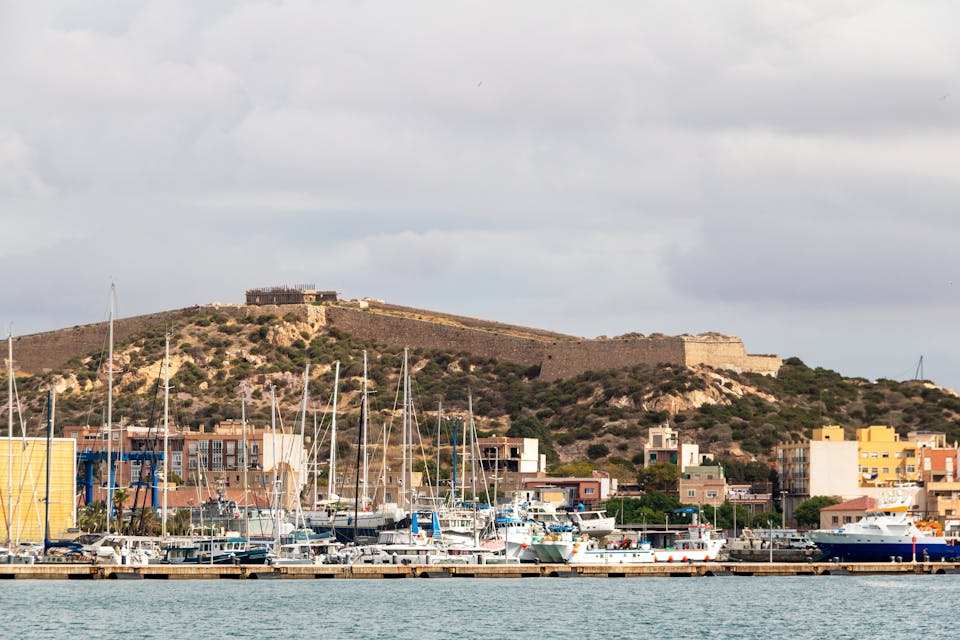
For those interested in cultural history, UNESCO travel also includes fascinating historic cities that offer sunshine and architectural storytelling within walkable distances and welcoming communities. Cartagena de Indias in Colombia features colorful colonial streets, coastal breezes, and warm temperatures that pair perfectly with slow city strolling and inclusive cultural exchanges with local residents.
Moving toward the Mediterranean, Valletta in Malta showcases ancient fortifications and golden limestone buildings illuminated beautifully by spring sunlight, making sustainable walking itineraries comfortable and highly photogenic for travelers who love historic places.
These destinations encourage interaction with living heritage where cultural identity remains active, resilient, and shared through food, art, and daily routines rather than locked behind museum glass.
UNESCO Travel for Archaeology Lovers
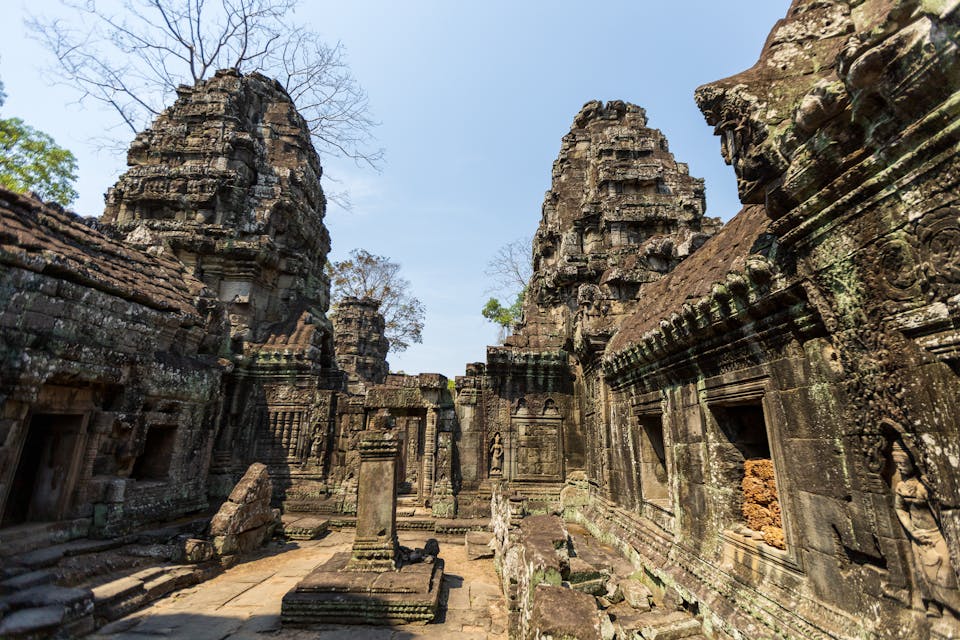
Archaeology enthusiasts will find that warm spring trips elevate UNESCO travel experiences at monumental sites where vast grounds become more accessible without harsh heat or seasonal closures.
Chichén Itzá in Mexico stands as an iconic example of Maya heritage, and spring visitors can explore stepped pyramids, sacred cenotes, and restored structures at a relaxed pace while learning from expert guides about Indigenous history.
On the other side of the world, Angkor in Cambodia offers expansive temple complexes surrounded by lush forests that turn vibrant with seasonal rains, creating visually stunning photography opportunities and atmospheric sunrise temple tours led by knowledgeable community guides.
Archaeological UNESCO destinations often double as cultural preservation hubs, and traveler participation in responsible tourism can directly support restoration and maintenance projects through admissions and donations.
Maritime and Island UNESCO Travel Experiences
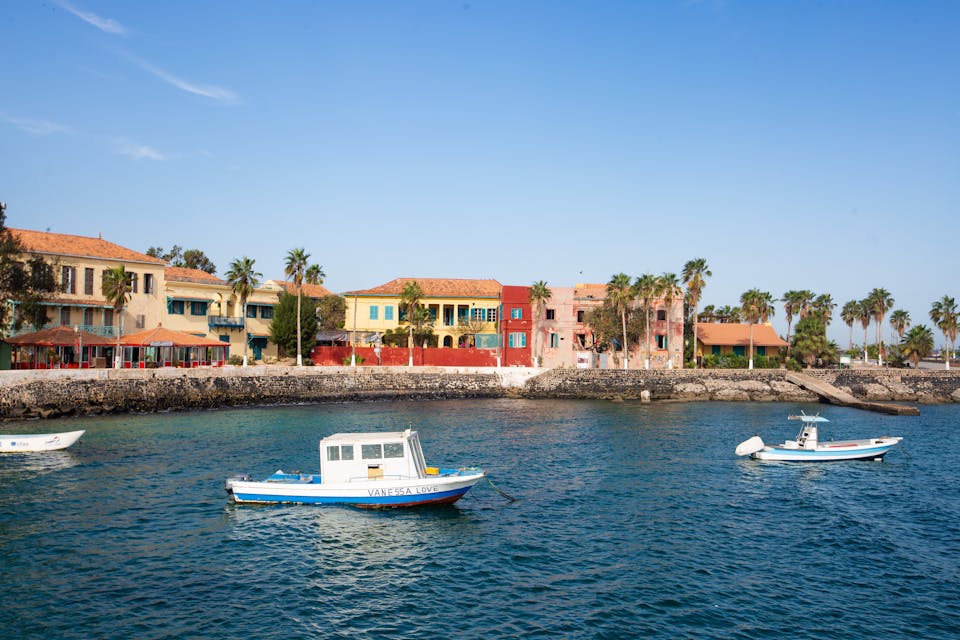
Island and coastal regions also provide excellent UNESCO travel options for warm weather enthusiasts who enjoy maritime history, beaches, and vibrant ecosystems. The Island of Goree in Senegal carries heavy historical significance linked to the global trade of enslaved people, and visiting respectfully with local storytellers offers critical educational insights in a setting framed by colorful architecture and Atlantic waters.
In the Pacific, Hawaii Volcanoes National Park in the United States brings together cultural heritage and natural formation processes as travelers witness volcanic landscapes, lava tubes, and distinct micro climates that highlight ongoing geological evolution and Indigenous Hawaiian knowledge systems. These destinations blend outdoor experiences with cultural narratives that broaden understanding of global history and environmental adaptation.
Practical Tips for Planning UNESCO Travel
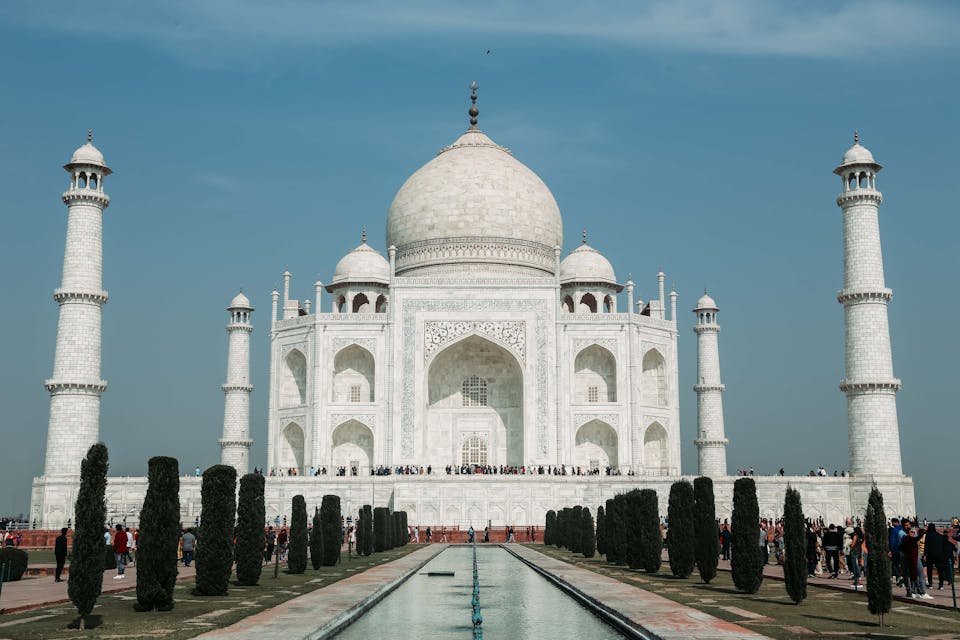
Planning effective UNESCO travel for spring requires attention to climate, ticket policies, sustainability principles, and inclusive etiquette to ensure positive interactions for both visitors and host communities. Researching shoulder season weather patterns helps travelers select optimal timing for activities like hiking, swimming, or guided tours that rely on safe conditions and clear visibility.
Many UNESCO World Heritage Sites require timed entries, advance reservations, or local permits, so early planning prevents disappointment and helps agencies manage visitor flows that protect cultural heritage tourism assets. Choosing environmentally conscious lodging near historic places reduces commute emissions, supports community economies, and encourages cultural exchanges through food, art markets, and conversational learning.
Finally, travelers should consider respectful engagement by following posted guidelines, supporting local guides, avoiding harmful wildlife disturbances, and learning basic greetings in local languages to promote inclusive and sustainable travel experiences.
Warmer Days and Cultural Discovery
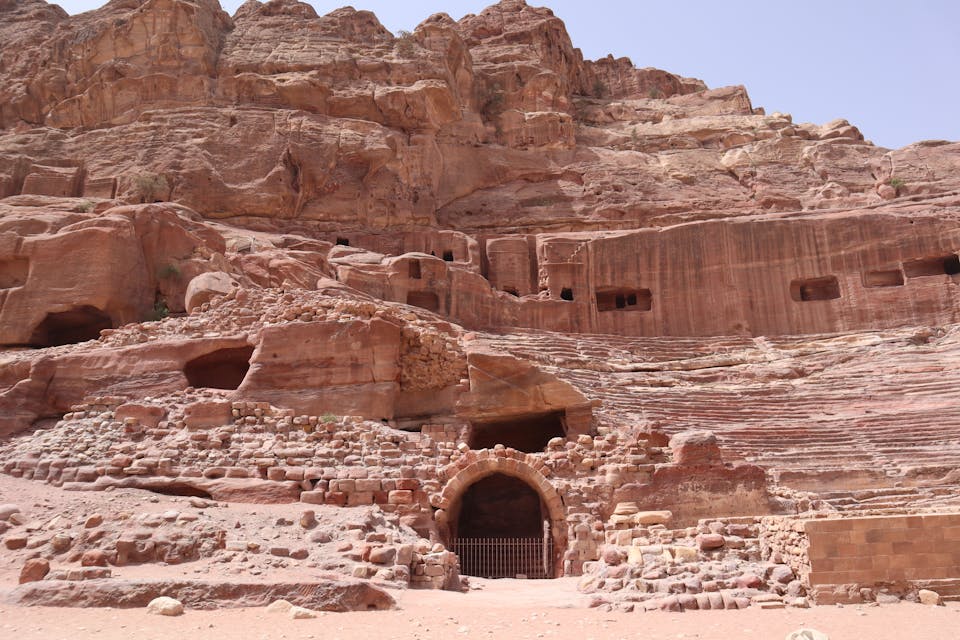
As winter fades and warmer months approach, UNESCO travel becomes an inviting way to embrace outdoor adventure, cultural heritage tourism, and scenic learning experiences that expand awareness and global connection.
Whether standing among temples at sunrise, snorkeling in nature reserves, or walking centuries-old alleyways in coastal cities, travelers can enjoy meaningful discovery that respects history and celebrates our shared human story.
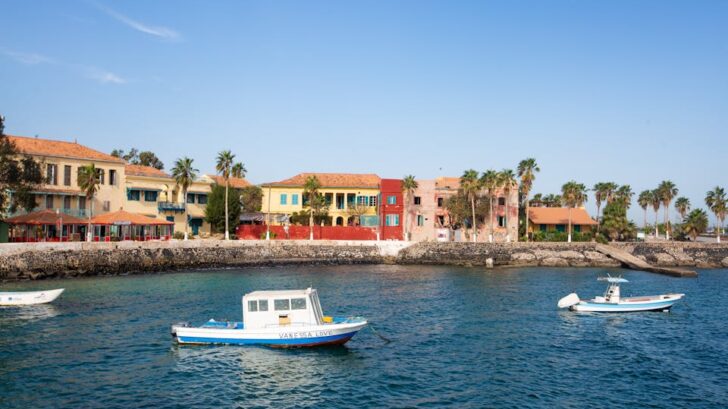
Warmer weather trips create opportunities for cultural exchange, sustainable tourism, and personal growth that extend far beyond postcards, making spring the perfect season for planning journeys to UNESCO World Heritage Sites that inspire curiosity and appreciation.