LeVar Thomas

Walkable Cities offer a deeper way to connect with a destination, allowing travelers to absorb architecture, culture, and daily life at a comfortable pace.
Slow travel encourages meaningful exploration, and pedestrian friendly cities naturally support this approach through compact layouts, vibrant neighborhoods, and accessible public transit connections.
When you travel on foot, you notice corner bakeries, local art, and everyday conversations that often disappear behind a windshield or taxi window.
For travelers who value culture, cuisine, and community, the best walkable cities deliver immersive experiences without the stress of traffic or parking.
Walkable Cities Model Themselves After Florence, Italy
 Michelangelo’s David in Florence Italy
Florence stands out among Europe’s most walkable cities because its historic center concentrates world-class art, architecture, and food within a compact, pedestrian friendly grid.
From the iconic Duomo di Firenze to neighborhood trattorias tucked along cobblestone lanes, nearly every highlight is reachable within a scenic twenty-minute stroll.
Slow travelers can wander artisan workshops, explore open air markets, and pause for espresso in lively piazzas without ever needing a car.
The rhythm of daily life unfolds on foot, making Florence ideal for immersive cultural travel and relaxed European city breaks.
Kyoto, Japan

Kyoto blends tradition and tranquility, offering slow travelers a walkable city filled with temples, tea houses, and quiet residential streets.
In districts like Gion, visitors can move between historic wooden buildings, seasonal gardens, and intimate restaurants in a single afternoon walk.
Public transportation connects outer neighborhoods efficiently, yet many of Kyoto’s most meaningful experiences unfold along peaceful pedestrian paths.
Walking through bamboo groves and shrine lined avenues encourages mindful travel, supporting sustainable tourism and a deeper sense of place.
Barcelona, Spain
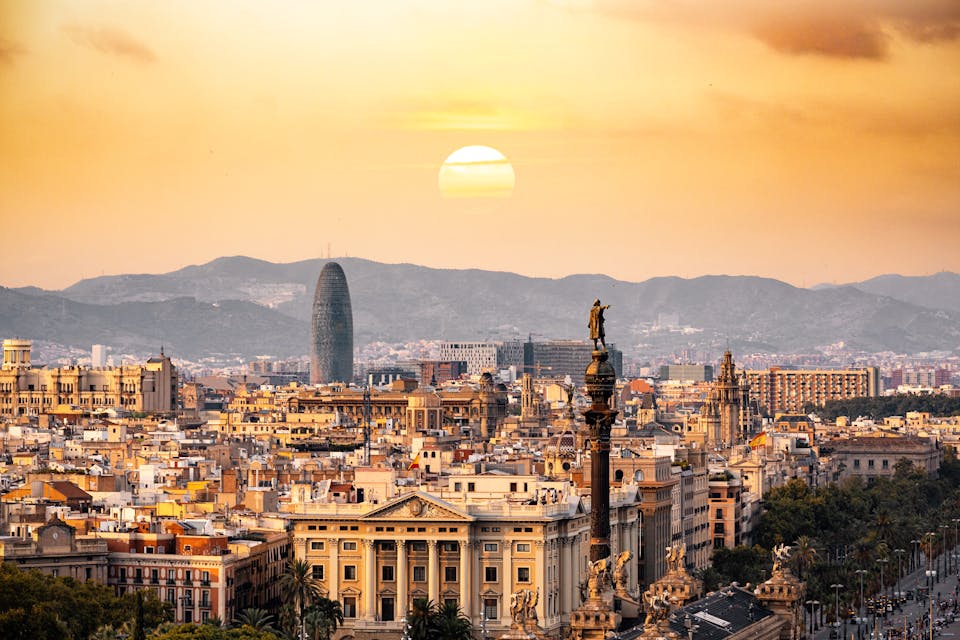
Barcelona offers a vibrant mix of beach culture, bold architecture, and lively food scenes that reward travelers who explore on foot.
The famous La Rambla invites leisurely strolls past flower stalls, street performers, and open air cafés that showcase the city’s creative spirit.
Compact neighborhoods like El Born and Gràcia allow visitors to hop between tapas bars, galleries, and local boutiques without relying on taxis.
With its expanding pedestrian zones and strong transit system, Barcelona ranks high among the most strollable cities in Europe.
Portland, United States

Portland proves that walkable cities thrive in the United States, especially for travelers seeking independent bookstores, craft coffee, and inventive cuisine.
Neighborhoods such as Pearl District feature wide sidewalks, public art, and easy access to parks and light rail lines.
Slow travel in Portland means browsing farmers markets, exploring food cart pods, and enjoying green spaces that connect seamlessly to downtown streets.
The city’s commitment to pedestrian infrastructure and public transit makes it a leading example of compact US cities designed for travel on foot.
Copenhagen, Denmark Is One of those Walkable Cities
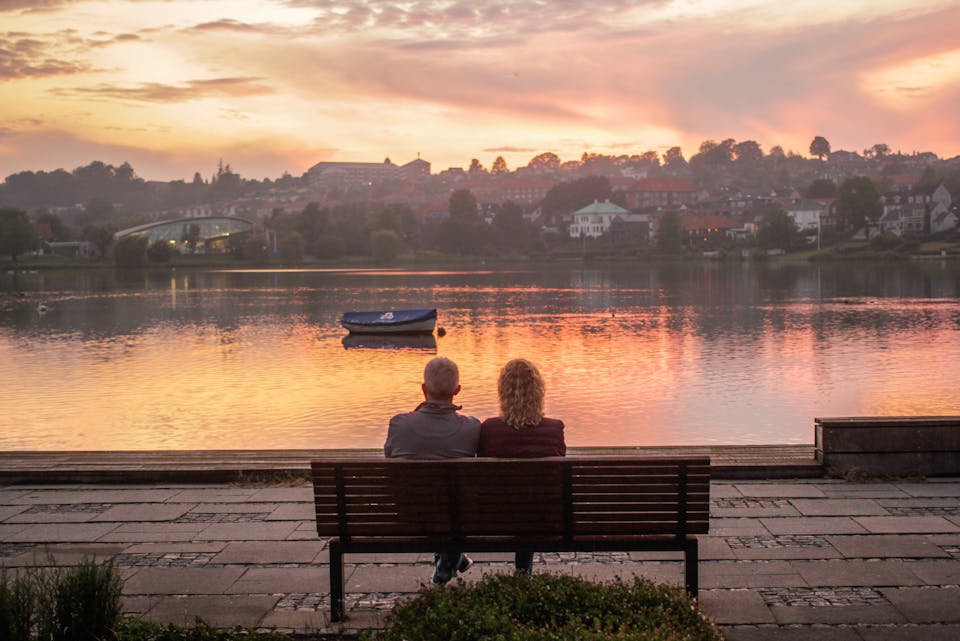
Copenhagen consistently ranks among the world’s most walkable cities thanks to its human centered design and emphasis on sustainable urban planning.
Colorful waterfront areas like Nyhavn create inviting spaces for strolling between restaurants, museums, and canal views.
Car free zones and integrated bike paths reduce congestion, allowing pedestrians to move comfortably through the historic center and surrounding neighborhoods.
For slow travelers, Copenhagen offers a balanced blend of culinary innovation, cultural institutions, and relaxed daily life within a compact footprint.
Montreal, Canada
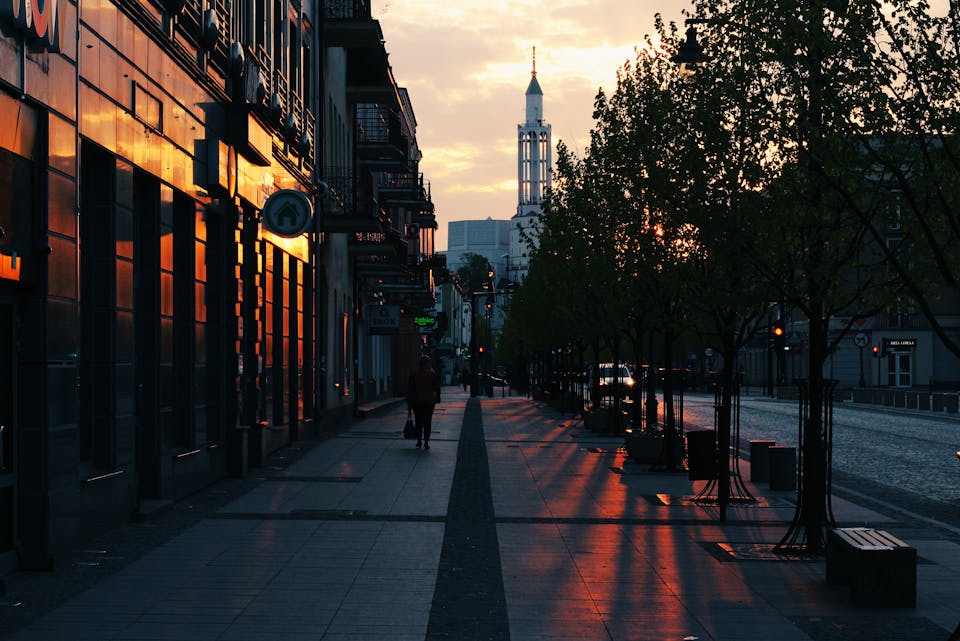
Montreal delivers European charm in North America, combining bilingual culture with dense, pedestrian friendly districts ideal for immersive travel experiences.
In Old Montreal, cobblestone streets connect historic architecture, art galleries, and waterfront promenades that encourage hours of unhurried exploration.
Food focused neighborhoods such as Plateau Mont Royal offer bakeries, cafés, and multicultural restaurants within easy walking distance of one another.
Reliable metro service extends the reach of visitors while preserving the convenience of compact, strollable urban living.
How to Choose the Right Walkable Cities

When selecting among the most walkable cities, consider density, neighborhood character, and access to public transit that complements travel on foot.
Look for destinations with mixed use districts where restaurants, cultural venues, and lodging cluster within short distances.
Research pedestrian infrastructure, including wide sidewalks, traffic calming measures, and car free plazas that support comfortable urban walking.
Choosing walkable cities aligned with slow travel principles leads to richer cultural travel, lower environmental impact, and more memorable connections.
Embrace Slow Travel in Walkable Cities

Walkable cities invite travelers to move with intention, discover local flavors, and experience urban life beyond tourist checklists.
By prioritizing pedestrian friendly destinations, you support sustainable tourism while gaining authentic insight into each community’s daily rhythm.
Whether you prefer European city breaks or compact US cities, slow travel flourishes where streets welcome people instead of traffic.
Pack comfortable shoes, stay curious, and let the world’s most walkable cities guide your next immersive urban adventure.