LeVar Thomas
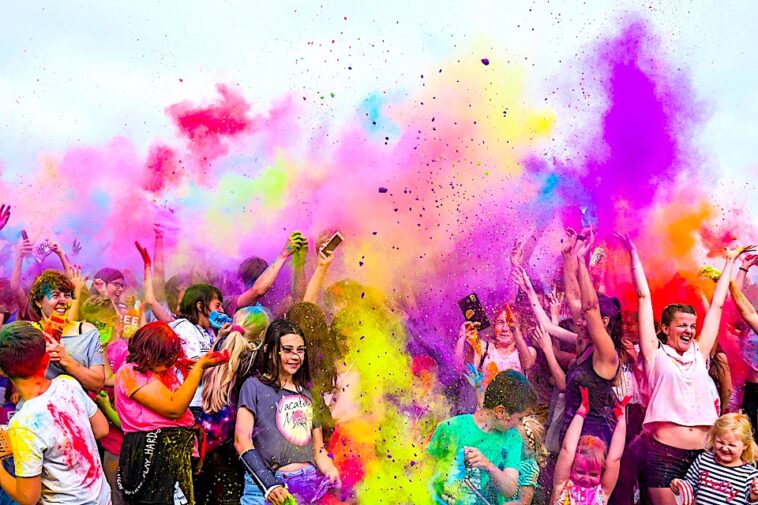
Travel in 2026 is about connection, shared joy, and immersive experiences that bring destinations to life through music, food, art, and centuries of tradition.
The best cultural festivals transform entire cities into living stages, where locals and visitors gather in celebration, honoring heritage while welcoming the world with open arms.
If you are mapping out your travel calendar now, these global celebrations deserve serious consideration for an unforgettable year of cultural discovery.
Carnival in Brazil
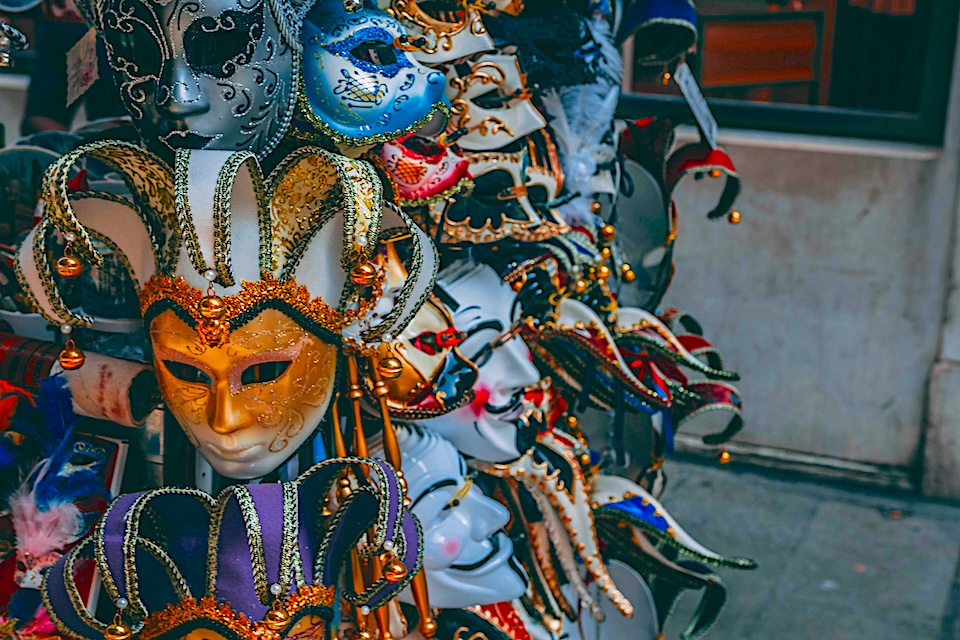
Few cultural festivals command global attention like Carnival in Brazil, especially the legendary celebrations in Rio de Janeiro each February or March.
Samba schools spend all year preparing elaborate floats, choreography, and costumes for the Sambadrome parade, creating a spectacle that blends artistry, rhythm, and fierce community pride.
Beyond the main parade, neighborhood blocos fill city streets with music, dancing, and inclusive energy that welcomes travelers into authentic local celebrations.
Plan accommodations early, choose centrally located neighborhoods, and balance parade nights with beach time along Copacabana to experience Rio’s full Carnival atmosphere.
Hogmanay in Edinburgh
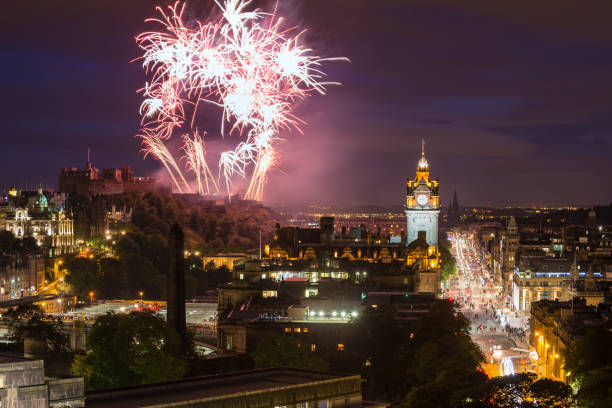
Scotland’s Hogmanay turns New Year’s Eve into a multi day winter festival filled with torchlight processions, live music, and a midnight fireworks display above Edinburgh Castle.
The celebration combines ancient fire traditions with contemporary concerts, street parties, and community gatherings that feel both historic and vibrantly modern.
On New Year’s Day, many brave locals participate in the Loony Dook, plunging into icy waters along the Firth of Forth in a playful act of renewal.
Travelers who appreciate crisp winter air, historic architecture, and festive camaraderie will find this cultural festival both exhilarating and deeply rooted in Scottish identity.
Lunar New Year in Vietnam
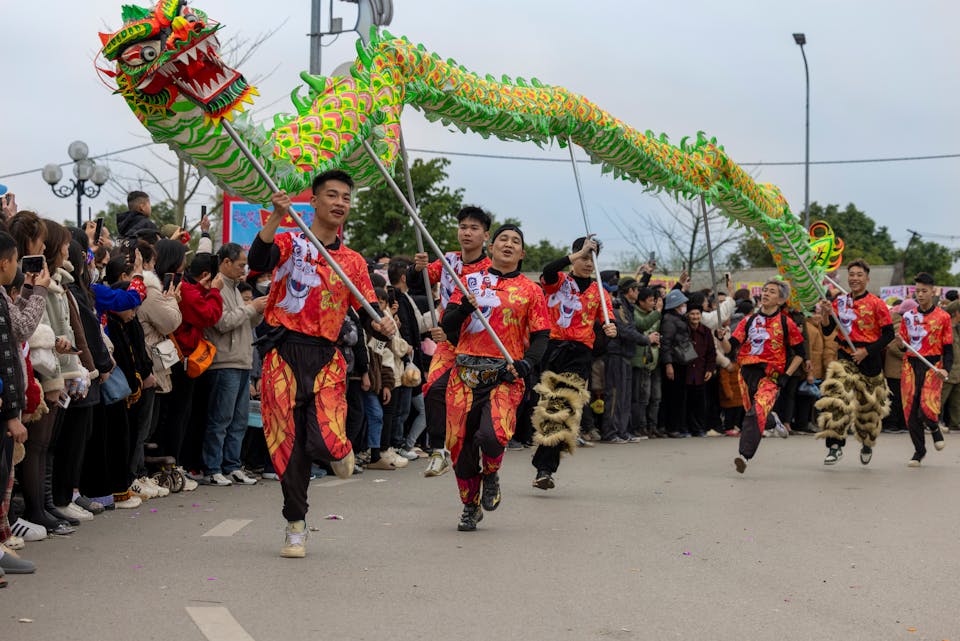
Known locally as Tet, Lunar New Year in Vietnam is the country’s most important celebration, centered on family, gratitude, and hopes for prosperity in the coming year.
Cities like Hanoi and Ho Chi Minh City glow with lanterns, flower markets, and dragon dances that animate public squares and historic neighborhoods.
Families clean their homes, prepare symbolic dishes, and honor ancestors, offering visitors a respectful window into Vietnamese culture and generational traditions.
Book flights well in advance, confirm restaurant hours, and embrace a slower pace, as many businesses close so families can gather during this meaningful holiday.
Diwali in India
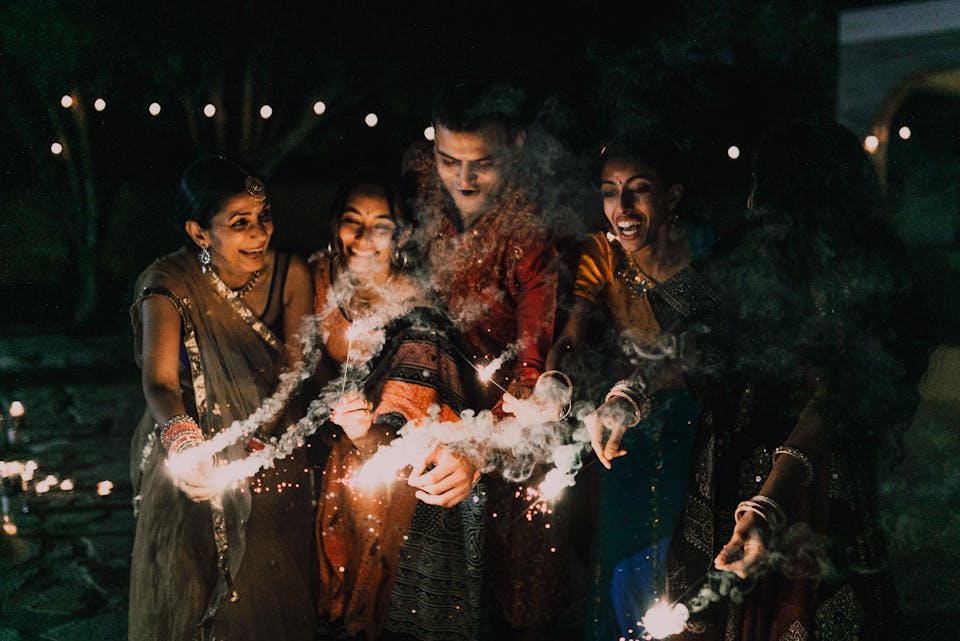
Diwali, the Festival of Lights, illuminates cities and villages across India with oil lamps, fireworks, sweets, and vibrant gatherings that symbolize the triumph of light over darkness.
In places like Jaipur and Varanasi, markets sparkle with decorations while families exchange gifts and share festive meals.
Travelers should dress modestly, learn basic cultural etiquette, and consider guided experiences that support local communities and deepen understanding of Hindu traditions.
Diwali offers photographers and culture focused travelers extraordinary visuals paired with meaningful rituals that highlight India’s spiritual and artistic richness.
Gion Matsuri in Kyoto
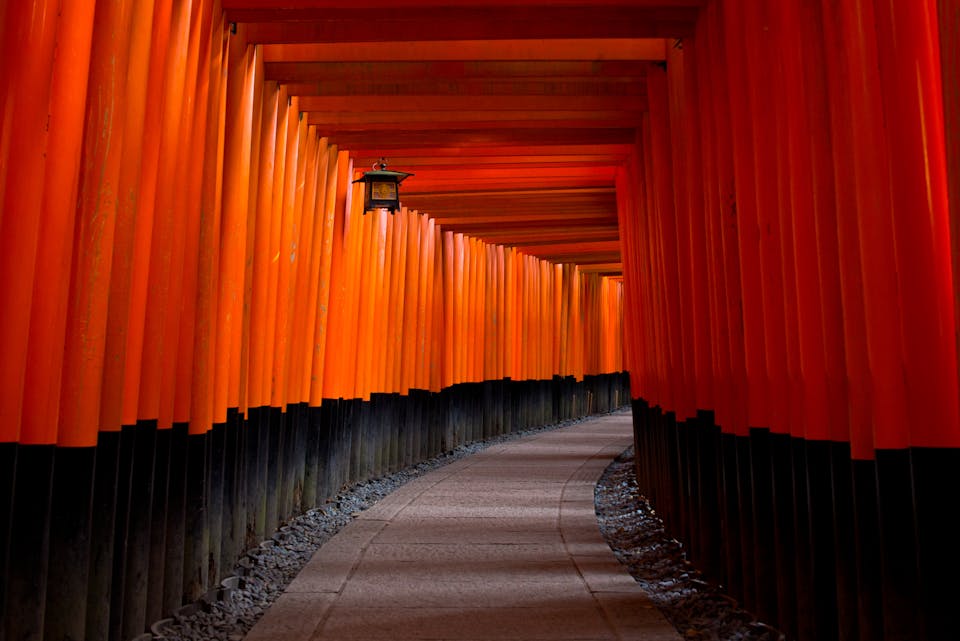
Japan’s Gion Matsuri spans the month of July, featuring towering wooden floats, traditional music, and centuries old customs preserved with remarkable precision.
The Yamaboko Junko parade showcases intricately decorated floats that represent neighborhoods, each maintained by local families who pass responsibilities through generations.
Visitors can explore evening street festivities, sample regional cuisine, and observe artisans preparing textiles and decorations rooted in Kyoto’s cultural heritage.
This cultural festival rewards thoughtful travelers who value craftsmanship, community pride, and respectful participation in longstanding traditions.
Day of the Dead in Oaxaca
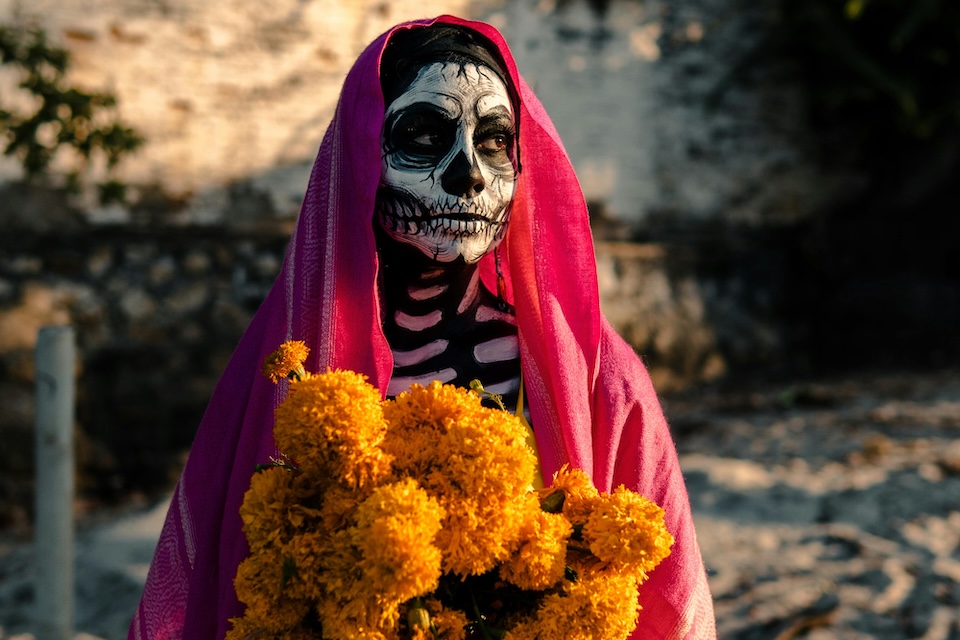
Day of the Dead, or Dia de los Muertos, is a vibrant Mexican celebration honoring loved ones who have passed, blending remembrance with joyful community expression.
In Oaxaca, candlelit cemeteries, colorful altars, and marigold lined streets create a powerful atmosphere that centers love, memory, and cultural continuity.
Travelers are encouraged to approach with respect, avoid costume appropriation, and seek locally guided experiences that explain symbolism behind altars and offerings.
This festival demonstrates how cultural celebrations can honor history while strengthening present day community bonds.
Why Cultural Festivals Make Meaningful Travel
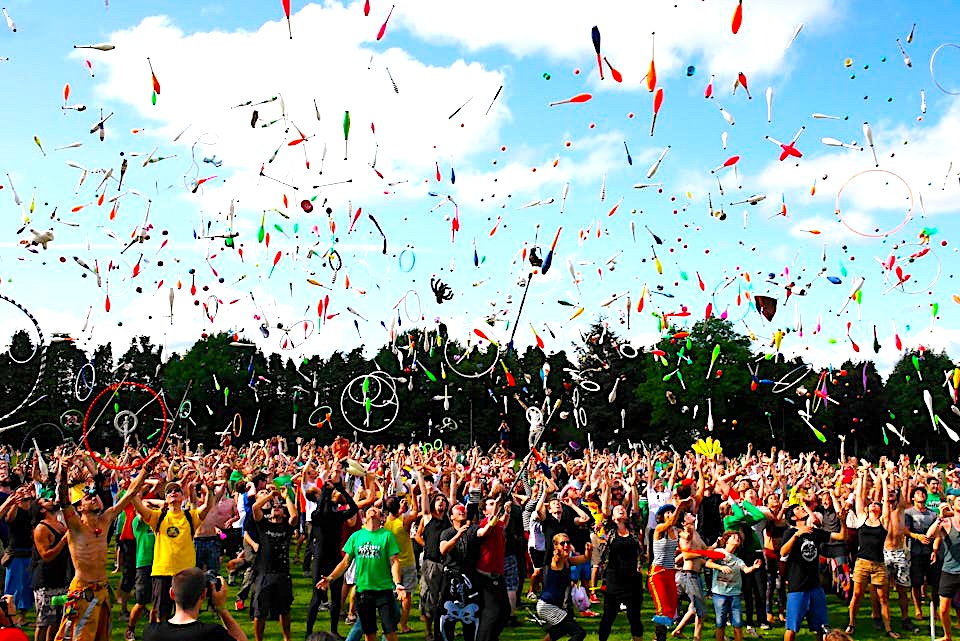
Cultural festivals invite travelers to move beyond sightseeing and into shared celebration, where food, music, storytelling, and ritual create lasting human connections.
Planning around major world festivals also supports local economies, preserves traditions, and encourages responsible cultural tourism when approached thoughtfully and respectfully.
For 2026, consider building one or two signature celebrations into your itinerary, allowing extra days for rest and reflection after high energy events.
The result is travel that feels immersive, educational, and emotionally resonant, anchored in the universal joy of gathering together in celebration.