 James Wolfe
The traditional travel calendar is changing. Destinations once known for predictable seasons now face record heat, stronger storms, shrinking glaciers, and rising sea levels. As these changes continue, travelers are adjusting where they go and when they visit.
Today’s climate travel decisions are shaped by comfort, safety, and sustainability. Many people are choosing cooler destinations, traveling during shoulder seasons, and exploring lesser-known regions instead of crowded tourist hotspots.
Climate Travel Is Changing Popular Destinations
Some of the world’s most famous attractions are experiencing dramatic environmental changes.
In Europe, cities such as Rome, Athens, and Seville have seen prolonged summer heat waves with temperatures climbing well above 100 degrees Fahrenheit. As a result, many travelers now visit these destinations in April, May, September, or October instead of July and August.
Meanwhile, Iceland and Norway have become increasingly popular summer alternatives. Their cooler temperatures, dramatic landscapes, and long daylight hours offer a comfortable escape from extreme heat elsewhere.
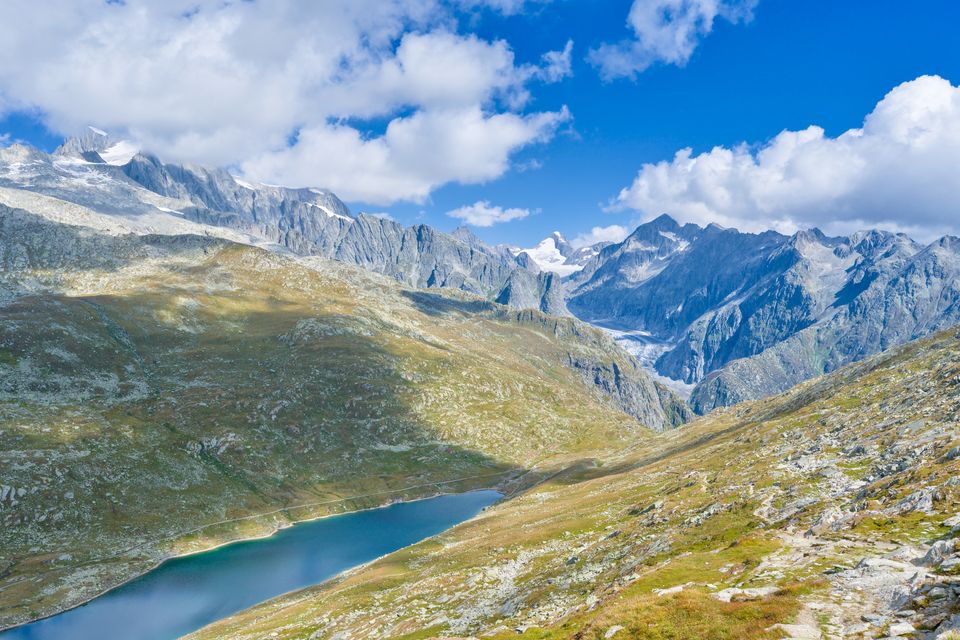
The Swiss Alps tell another story. Glaciers such as the Aletsch Glacier continue to shrink, changing hiking routes and reducing the snow season. Ski resorts across Switzerland, Austria, and France are investing in year-round attractions like mountain biking, alpine coasters, and wellness tourism to adapt.
Climate Is Reshaping Coastal Vacations

Beach destinations are changing as sea levels rise, and stronger storms become more frequent.
In the Florida Keys, communities continue investing in flood resilience and infrastructure improvements. Along the Outer Banks of North Carolina, coastal erosion has altered beaches and occasionally closed sections of scenic highways.
The Maldives remains one of the world’s most sought-after tropical escapes, yet it also highlights the long-term challenges posed by rising sea levels. Many resorts have expanded coral restoration projects while introducing sustainability programs that invite guests to participate in marine conservation.
Travelers increasingly consider hurricane seasons, beach erosion, and water temperatures before booking coastal vacations.
Climate Change Is Creating New Tourism Hotspots
Changing weather patterns are introducing travelers to destinations that previously received less international attention.
Finland has seen growing interest during summer thanks to its cool lakes, forests, and outdoor recreation. Scotland has experienced a similar rise as visitors seek mild temperatures while exploring the Highlands and the Isle of Skye.
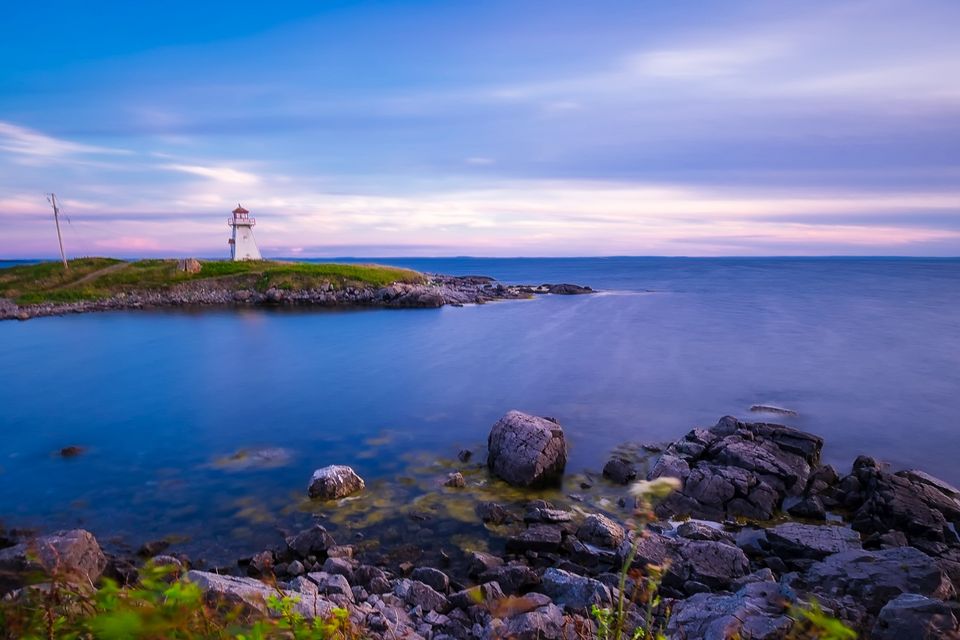
Canada’s Atlantic provinces, including Nova Scotia and Newfoundland, are also attracting travelers looking for scenic coastlines without the intense summer heat found farther south.
These destinations benefit from longer tourism seasons while visitors enjoy fewer crowds and comfortable weather.
Travel for Climate Requires Smarter Planning

Flexible planning has become essential for modern travelers.
Wildfire seasons now affect parts of California, western Canada, and Southern Europe. Heavy rainfall occasionally impacts hiking routes in New Zealand. Heat advisories can alter sightseeing schedules across Southern Europe, while hurricanes continue influencing Caribbean itineraries.
Travelers can reduce disruptions by:
- Visiting popular destinations during shoulder seasons.
- Monitoring weather forecasts before departure.
- Purchasing travel insurance that covers climate-related interruptions.
- Booking accommodations with flexible cancellation policies.
- Following local safety guidance throughout the trip.
Small planning decisions often lead to smoother vacations.
Sustainable Choices Matter More Than Ever
Many destinations are responding with innovative solutions.
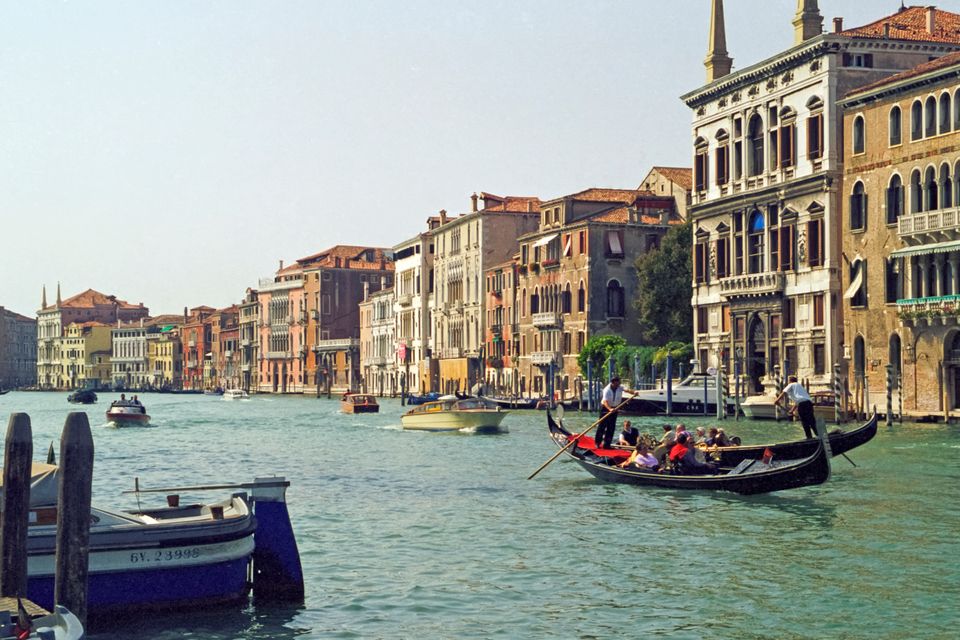
Venice now charges certain day visitors an entrance fee during peak periods to help manage overcrowding. National parks across the United States encourage timed-entry reservations to protect fragile ecosystems. Costa Rica continues investing in ecotourism, allowing visitors to experience rainforests while supporting conservation.
Travelers can contribute by choosing locally owned businesses, reducing single-use plastics, using public transportation, and respecting wildlife habitats.
These choices help preserve the destinations that make travel unforgettable.
The Future of Climate Travel

Climate change is transforming tourism, but it is also encouraging travelers to become more thoughtful explorers.
Destinations are adapting through improved infrastructure, sustainable tourism initiatives, and better visitor education. At the same time, travelers are discovering new places they may never have considered before.
The future of climate travel is not about limiting adventure. Instead, it is about embracing flexibility, supporting resilient communities, and making informed choices that benefit both travelers and the places they visit.
As the travel map continues to evolve, those who adapt will discover incredible experiences in every corner of the world.