 James Wolfe
Many travelers plan vacations around warm weather and school breaks. However, off-season parks offer a completely different experience that rewards visitors with tranquility, lower costs, and incredible natural beauty.
As a result, hiking trails become more peaceful, wildlife becomes easier to spot, and scenic overlooks feel far more personal. Whether you love photography, camping, or leisurely walks, visiting parks outside peak season creates lasting memories while supporting sustainable tourism.
Great Smoky Mountains National Park, Tennessee and North Carolina
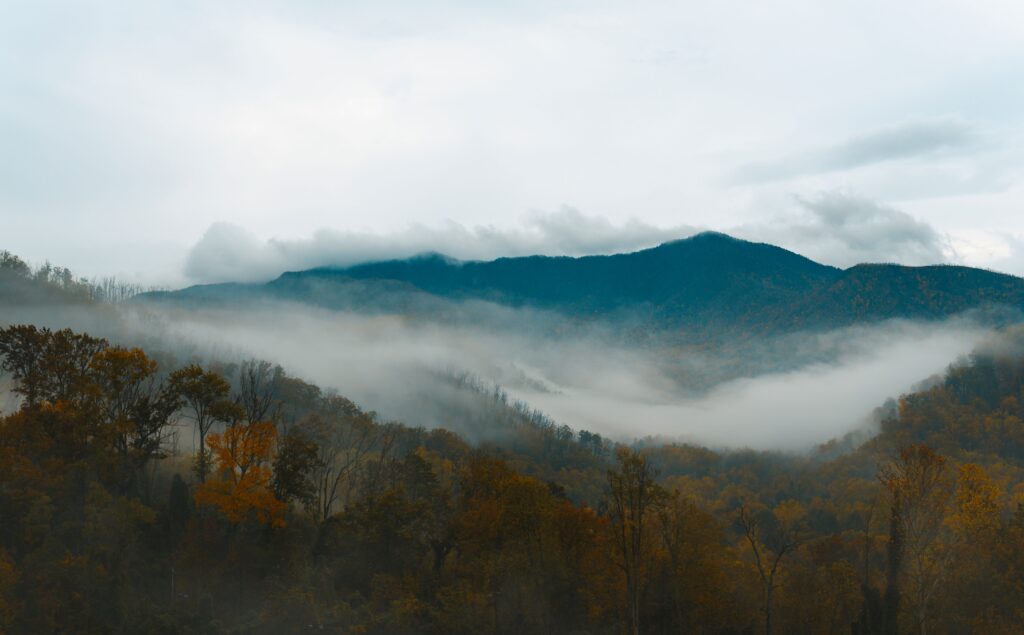
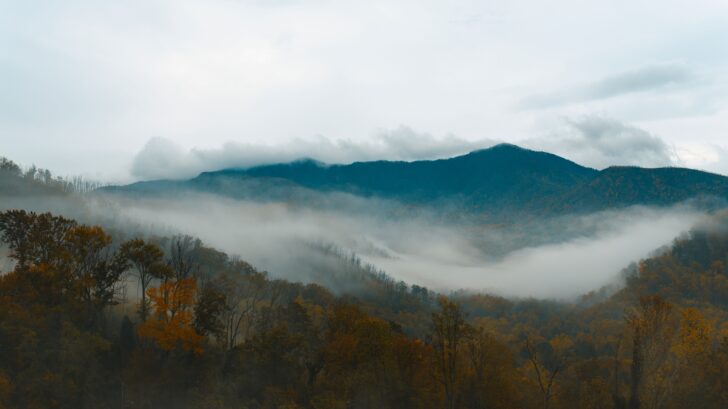
Autumn colors often steal the spotlight, yet late fall and winter reveal another side of the Smokies. Crisp mountain air, flowing waterfalls, and misty valleys create unforgettable views. Additionally, nearby towns become less crowded, making lodging easier to find and often more affordable.
Wildlife remains active throughout cooler months, and many lower elevation trails stay accessible for enjoyable hikes.
Acadia National Park, Maine
After summer visitors depart, Acadia transforms into a peaceful coastal retreat. Cool ocean breezes and vibrant autumn foliage make hiking especially enjoyable. Furthermore, sunrise from Cadillac Mountain becomes even more magical without large crowds gathering before dawn.
Local restaurants and shops remain open well into the shoulder season, allowing visitors to enjoy both nature and charming coastal communities.
Yellowstone National Park, Wyoming, Montana, and Idaho
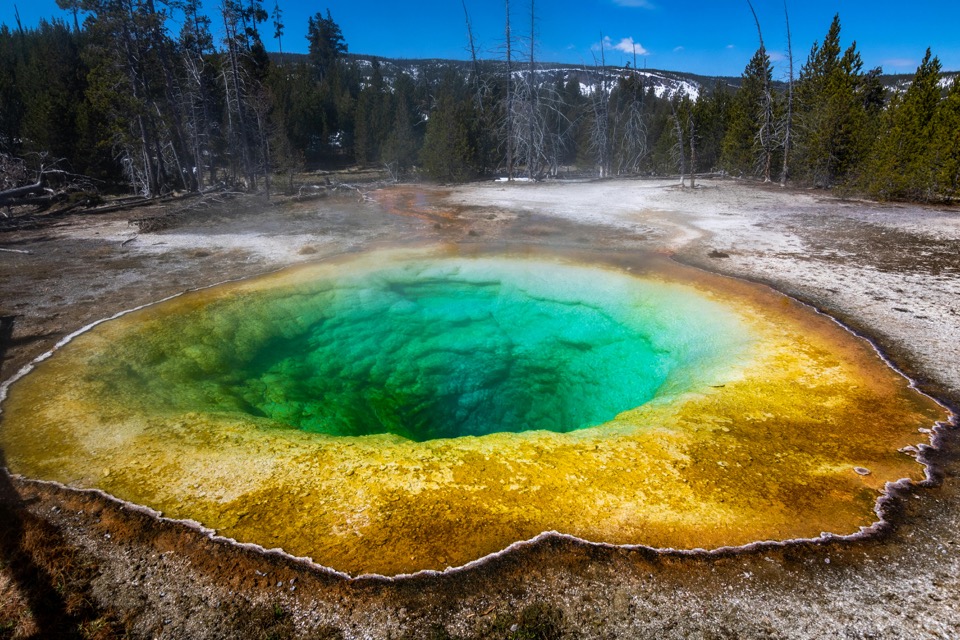
Winter presents Yellowstone in an entirely different light. Snow-covered landscapes, steaming geysers, and roaming bison create dramatic scenery unlike anything found during summer.
Because visitor numbers decline significantly, guided snow coach and snowmobile tours provide unique opportunities to experience geothermal features while respecting the fragile environment.
Zion National Park, Utah
Spring and late autumn offer comfortable temperatures for exploring Zion’s famous canyons. Consequently, popular trails become far less congested than during peak summer months.
Photographers especially appreciate softer lighting during cooler seasons, while hikers enjoy more relaxed access to iconic viewpoints.
Olympic National Park, Washington
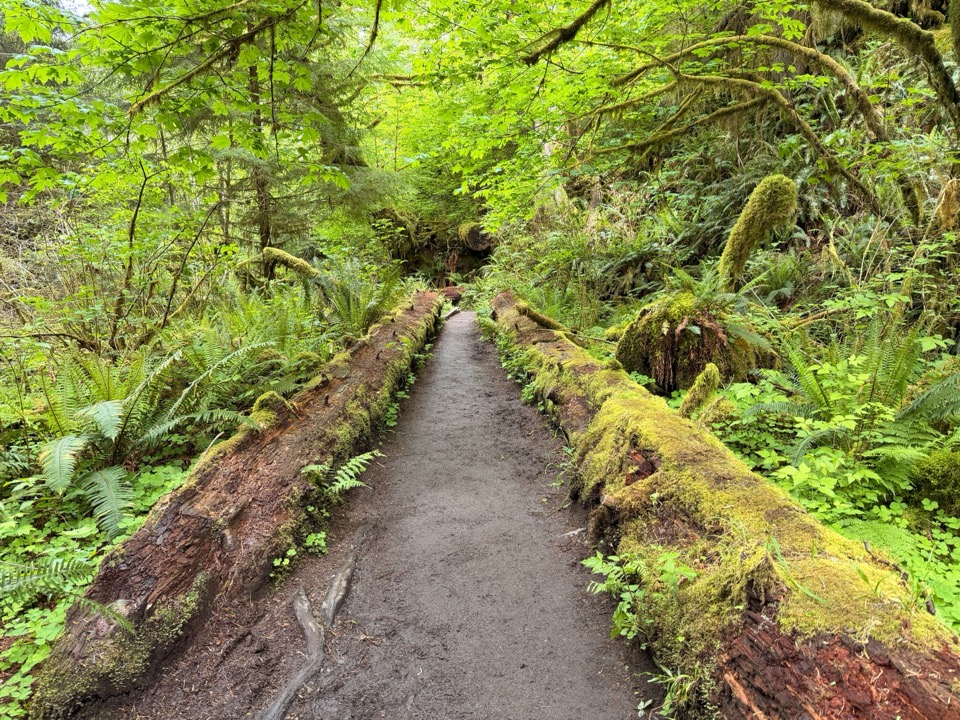
Olympic National Park delivers remarkable diversity throughout the year. Visitors can experience rainforests, rugged beaches, alpine scenery, and mountain lakes during a single trip.
During the off-season, rainfall enhances waterfalls and moss-covered forests, creating vibrant green landscapes that feel almost otherworldly.
Banff National Park, Alberta, Canada
Although many travelers associate Banff with summer hiking, early fall and late spring provide exceptional opportunities for outdoor adventure. Lakes remain brilliantly colored, wildlife appears frequently, and scenic drives become more relaxing.
Moreover, accommodations may offer better availability before the busiest tourist periods arrive.
Plitvice Lakes National Park, Croatia
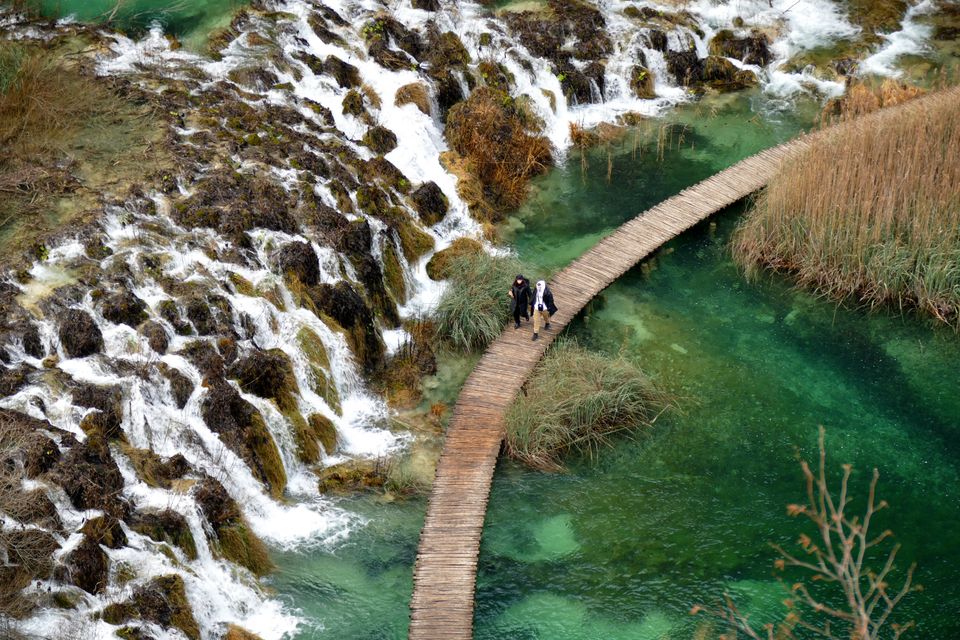
This famous European destination shines during spring and autumn. Wooden walkways become easier to explore without long lines, while waterfalls continue flowing beautifully after seasonal rains.
The surrounding forests also burst with colorful foliage, creating postcard-worthy photographs from nearly every viewpoint.
Kruger National Park, South Africa
The dry season offers some of Africa’s finest wildlife viewing opportunities. Sparse vegetation improves visibility, allowing visitors to spot elephants, lions, giraffes, and rhinos more easily.
Because water sources become concentrated, animals naturally gather near rivers and watering holes throughout the park.
Torres del Paine National Park, Chile
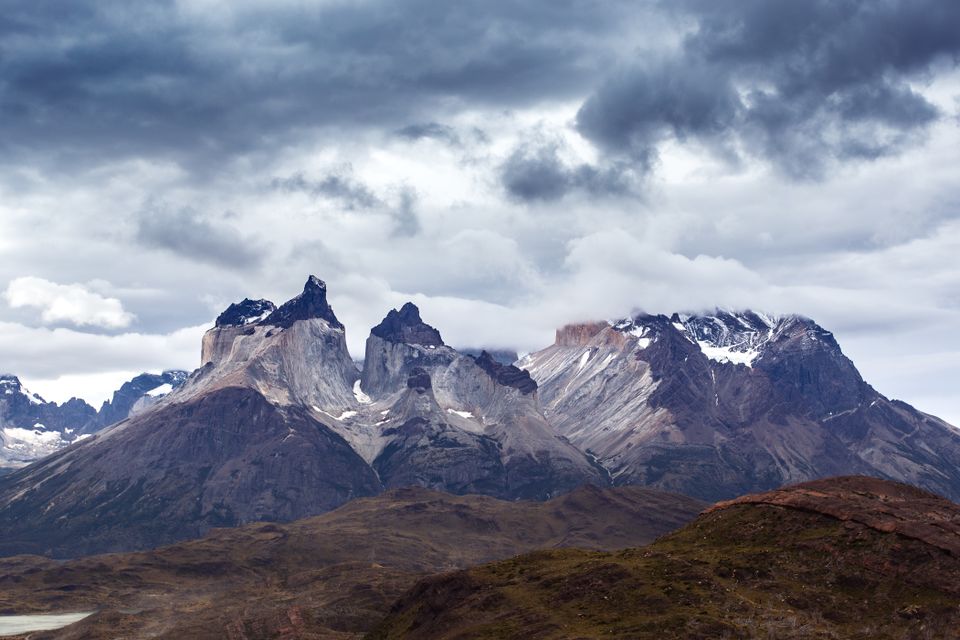
Patagonia’s shoulder seasons reward adventurous travelers with spectacular mountain scenery and fewer hikers along famous trekking routes.
Weather conditions still require preparation, yet changing skies often create breathtaking photographs that showcase the region’s dramatic beauty.
Joshua Tree National Park, California
Instead of enduring intense summer heat, many travelers choose cooler autumn, winter, or early spring visits. Comfortable daytime temperatures make hiking, climbing, and stargazing much more enjoyable.
Additionally, the desert landscape offers incredible sunsets and exceptionally dark night skies throughout much of the year.
Why Off-Season Travel Makes Parks Even Better
Choosing quieter travel periods benefits both visitors and the destinations themselves. First, smaller crowds allow everyone to enjoy scenic viewpoints more comfortably. Second, local communities often appreciate tourism spread more evenly throughout the year. Finally, travelers frequently discover lower accommodation prices and greater flexibility when planning itineraries.
Before departing, always review park alerts, weather forecasts, and seasonal operating schedules. Some visitor centers, roads, or campgrounds may have limited hours outside peak season. Nevertheless, thoughtful planning allows travelers to enjoy unforgettable experiences while minimizing unexpected surprises.

In the end, off-season parks reveal a quieter side of nature that many visitors never experience. From snow-covered geysers to peaceful coastal trails and colorful autumn forests, these destinations prove that great adventures extend far beyond the busiest travel months. With careful planning and an open mind, your next park visit could become one of your most rewarding journeys.