 James Wolfe
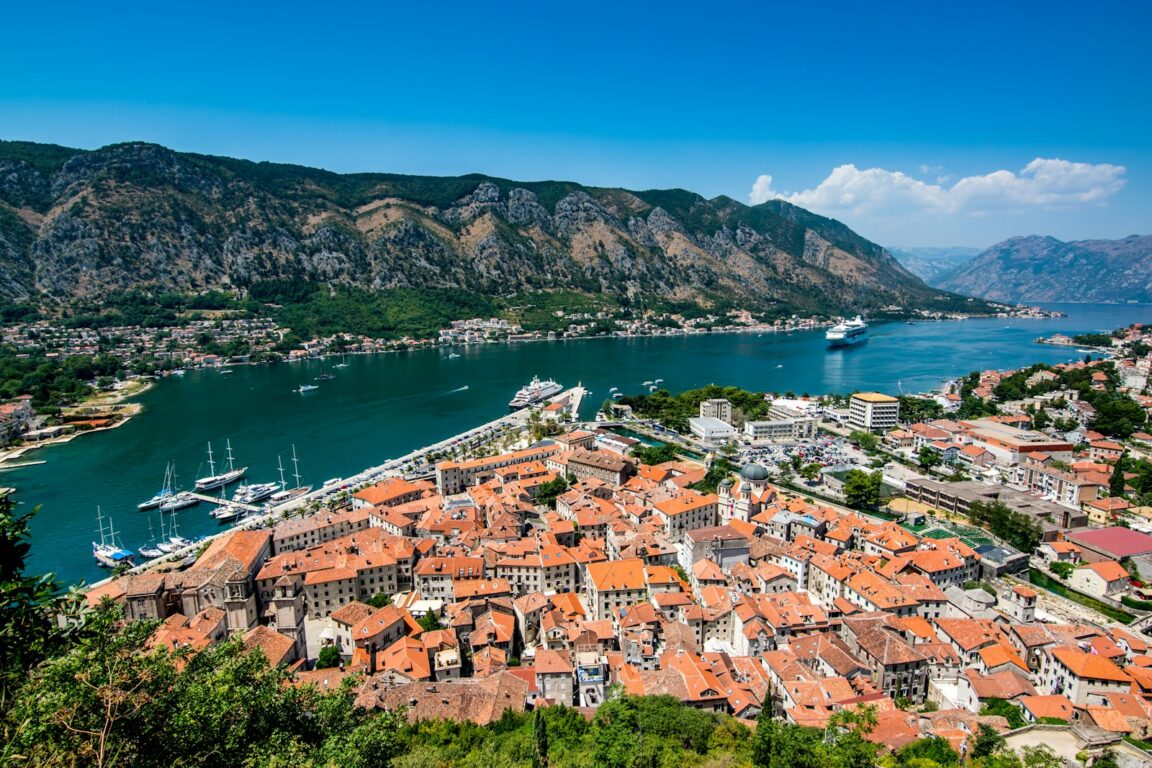
Kotor, Montenegro, is the kind of place that makes travelers stop and stare before they have even left the road into town. A walled medieval Old Town sits at the edge of a deep, mountain-ringed bay, with stone lanes, church towers and a fortress climbing the slope above the rooftops. The setting is the Bay of Kotor, known locally as Boka Kotorska, a winding inlet of the Adriatic that looks more like a fjord than a coastline. Kotor itself is the anchor of the bay, a compact town that can be walked end to end in an afternoon, yet rewards several days of slow exploring, boat trips on the water, and walks up to the viewpoints above it.
Quick Facts
- Where it is: On the Bay of Kotor, Boka Kotorska, on the Adriatic coast of Montenegro.
- Why it matters: The Natural and Culturo-Historical Region of Kotor is a UNESCO World Heritage site, inscribed in 1979.
- What to expect: A walled medieval Old Town, Romanesque churches, town walls, and steep mountain scenery above the bay.
- How long to stay: Two to three days covers the Old Town, the fortress climb and a trip on the bay, with time to spare.
- Getting there: By road along the Adriatic coast or from Montenegro’s interior, or by sea, since Kotor is a working port.
- Best time: Late spring and early autumn, when the weather is warm and the town is less crowded than in high summer.
Why Go to Kotor?
Kotor earns its reputation from the combination of town and setting, and neither would be as striking without the other. The Old Town is a medieval harbour town of stone squares, narrow lanes and churches, enclosed by town walls that climb the mountain behind it. UNESCO describes Kotor as a natural, cultural and historical region of great value, and lists the site under four criteria, recognizing its architecture, its town planning and its place in the history of the Adriatic. The town was shaped by centuries of trade and by Venetian rule, and that history is visible in the stonework, the palaces and the churches, including four churches built in the Romanesque style. The town was badly damaged by an earthquake in 1979, the same year it was inscribed on the World Heritage list, and it has been restored since.
The bay is the other half of the appeal. Boka Kotorska is a winding, sheltered inlet surrounded by steep mountains, and the water is calm enough for small boats and for the larger ships that call at the port. From the waterfront, the view is of mountains dropping straight into the sea, and from the fortress above the town, the view takes in the whole sweep of the bay, the red rooftops of the Old Town and the ships at anchor. It is a landscape that photographs well, but it is better experienced slowly, from a cafe table in the Old Town, from a boat on the water, and from the path above the walls.
What to Do in Kotor
Start with the Old Town itself, and give it an unhurried morning. The town is small and largely car-free inside the walls, so the best way to see it is on foot, following the lanes from one square to the next. The main squares are lined with stone palaces, cafes and small shops, and the churches are worth stepping into, including the Cathedral of Saint Tryphon, the town’s best-known church, which stands on one of the main squares. The Maritime Museum tells the story of the town as a seafaring place, and the town walls themselves are part of the experience, running from the waterfront up the mountain to the fortress above.
The climb to the fortress above the Old Town is the single best walk in Kotor, and it is also the most demanding, since the path is steep and exposed to the sun. The reward is the view from the top, across the rooftops and the bay, and the walk is best done early in the morning or late in the afternoon. Take water, wear solid shoes, and allow plenty of time to stop on the way up. For a gentler day, take a boat trip on the bay, which is the best way to see the coastline, the small towns along the water, and the island church of Our Lady of the Rocks near Perast, a nearby bay town that makes an easy half-day trip from Kotor.
How to Reach Kotor
Kotor sits at the inner end of the Bay of Kotor, and most visitors arrive by road or by sea. The coastal road from the north runs along the Adriatic from Dubrovnik, and the road from Montenegro’s interior connects the coast with the capital, Podgorica, so Kotor works well as part of a wider trip through the western Balkans or as a stop on a coastal drive. The town is also a port, and cruise ships and smaller boats call at the waterfront, so some visitors arrive by sea and see the bay from the water before they ever set foot in the Old Town. Travelers arriving by air fly into the wider region and continue to Kotor by road, and bus services connect Kotor with the main towns along the coast and inland.
Once in Kotor, the Old Town is best explored on foot, and a car is not needed inside the walls. Drivers should check where to park outside the Old Town before arriving, since the streets inside are narrow and largely closed to traffic. For onward travel, the bay road continues to the smaller towns of the bay, and the coast road runs south toward Budva and the rest of the Montenegrin coast, so Kotor also works as a base for exploring the region. For ideas on traveling this coast on a budget, see discovering Albania’s Riviera for budget luxury travelers, and for more European escapes, see 15 exotic escapes that are spectacular right now.
When Is the Best Time to Visit Kotor?
Late spring and early autumn are the most comfortable times to visit Kotor. In May, June, September and October, the weather is warm enough for walking, climbing and boat trips, and the town is less crowded than in the peak summer months, when cruise ships and holiday traffic fill the Old Town. Summer brings the hottest weather and the largest crowds, and the fortress climb is hardest in the midday heat, so summer visitors should plan walks for the morning or evening. Winter is quiet and mild by northern European standards, and it suits travelers who want the town to themselves, though some boat services and seasonal businesses run reduced schedules outside the main season.
The time of year also changes the light on the bay, which matters for anyone who enjoys photography or simply sitting by the water. Spring brings green hillsides above the town, autumn brings softer light and cooler evenings, and summer brings long, bright days. Whatever the season, the town is at its best early in the morning, before the day’s visitors arrive, and in the evening, when the squares fill with people eating and walking and the heat of the day fades.
Where to Base Yourself
Staying inside the Old Town puts the squares, churches and restaurants on the doorstep, and it suits travelers who want to be in the middle of things and do not mind steps and stone lanes. Staying outside the walls, along the waterfront or in one of the smaller bay towns, suits travelers who want a quieter base and a view of the water, with the Old Town a short walk or drive away. Either way, the town is small enough that the choice is about atmosphere rather than distance, and the bay itself is the main attraction, so a room with a view of the water is worth seeking out. Book ahead for the late spring and early autumn months, which are the most popular times for independent travelers.
Frequently Asked Questions About Kotor
Is Kotor worth visiting?
Yes, for travelers who enjoy historic towns, coastal scenery and walking. The combination of a walled medieval Old Town and a mountain-ringed bay is rare, and the town is compact enough to enjoy without a car. It suits a stay of two or three days, and it also works as a stop on a longer coastal trip.
How long should I spend in Kotor?
Two to three days is a good length. One day covers the Old Town and the fortress climb, a second day covers a boat trip on the bay and a visit to Perast, and a third day leaves room for a slower pace, a walk along the waterfront, and a day trip along the coast.
Do I need a car in Kotor?
No, not for the town itself, which is best explored on foot. A car is useful for exploring the wider bay and the coast, and buses connect Kotor with the main towns nearby, so travelers without a car can still get around the region.
What is Kotor known for?
Kotor is known for its medieval Old Town, its town walls and fortress, its Romanesque churches, and its setting on the Bay of Kotor. The Natural and Culturo-Historical Region of Kotor has been a UNESCO World Heritage site since 1979, and the bay is one of the most photographed stretches of the Adriatic coast. More detail is on the UNESCO page for the Natural and Culturo-Historical Region of Kotor.