 Omar Haddad
On Jordan’s eastern shore, the Dead Sea does one extraordinary thing honestly and needs no hype to sell it: at around 440 metres below sea level, in water about 34 percent salt, roughly ten times the salinity of the ocean, you cannot sink. Everything else, the miracle cures, the eternal youth, the spa marketing, deserves a cooler eye. This guide covers the Jordan side as it actually works: designated resort and public beaches rather than a natural sandy shore, short floats of 15 to 20 minutes rather than a swim, black mud used as a skin ritual rather than a medicine, and a shoreline that is visibly retreating as the water level falls by about a metre a year. Facts were checked against the Jordan Tourism Board’s Visit Jordan site and resort and reserve sources on 10 November 2026.
What are the quick facts for the Dead Sea in Jordan?
- Altitude: Shores currently sit around 440 metres below sea level, the lowest land on Earth, and the level is falling
- Salinity: About 34 percent salt, roughly ten times the ocean, per Visit Jordan
- Where: Jordan’s resort strip is at Sweimeh on the north eastern shore, with the public Amman Beach about 2 kilometres south of the main strip
- Float time: Limit each float to about 15 to 20 minutes, then rinse off, per Visit Jordan guidance
- Access model: Paid entry everywhere, either a public beach ticket or a resort day pass, checked on each operator’s official site, as rates change
- From Amman: About an hour by road, roughly 60 kilometres, descending from the plateau to below sea level
- Best season: Spring and autumn for comfortable heat, with winter mild and summer best limited to early morning
- Nearby adventure: Wadi Mujib’s water trails run in season, generally April to October, and are closed in winter
How low and how salty is the Dead Sea, really?
Visit Jordan, the Jordan Tourism Board’s official site, puts the current shore level at around 440 metres below sea level and the salt content at about 34 percent, roughly ten times the salinity of the ocean, dense enough that a swimmer cannot sink. Older Jordan Tourism Board material often quoted 427 metres, and the gap between those figures is not an error to argue about: the surface is dropping, so every published altitude for the Dead Sea is a date stamped measurement of a moving target. Any guide still quoting a single precise figure without that context is behind the shoreline.
The salt is also not table salt chemistry. The brine is rich in magnesium, potassium and bromine compounds, which is why the water feels slick rather than simply salty, and why it stings so aggressively in eyes and cuts. There is no conventional swimming here. Strokes do not work, diving is dangerous, and the correct technique is closer to sitting: walk in carefully, lean back, and let the water hold you, with your face well clear of any splash.
Where can you actually get into the water on the Jordan side?
What is the resort day pass model?
Most visitors float from a resort beach at Sweimeh, where the large hotels on the north eastern shore sell day access to non guests. A day pass typically bundles the private beach and its lifeguarded floating area with pools, changing rooms, showers and mud on the shore, and some passes add a lunch credit. Rates vary by property, day and season, and they change often enough that this guide does not print a price: check the day pass page of the resort you choose, such as the Mövenpick Resort and Spa Dead Sea or the Kempinski Hotel Ishtar, on its official site before you travel. The resort route is the comfortable default for a first visit, especially in summer, because shade, fresh water and showers are steps from the shore.
What about Amman Beach and public access?
Amman Beach, also called the Amman Touristic Beach, about 2 kilometres south of the resort strip, has long been the public access point, with pools, changing facilities and Dead Sea access at a lower cost than the resorts. Its operating status has changed over the years, including a reported closure period, so verify that it is open and what entry includes before building a day around it. Away from designated beaches, do not improvise an entry point. As the sea has dropped, the exposed shore can be unstable, with salt crusts, mud and sinkhole risk, and there are no lifeguards, showers or rinse water, which you will want within minutes of leaving the water.
How do you float safely, and what are the rules that matter?
Visit Jordan’s practical guidance is short and worth following exactly: rinse off immediately after floating because the salt stings, do not get the water in your eyes, and limit time in the water to 15 to 20 minutes per session. Build the rest of the routine around that core. Enter slowly over the salt crust wearing water shoes or sandals that stay on, because the shore and shallows are sharp. Lean back rather than trying to swim, keep your hands out of the water before touching your face, and never dive, jump or put your head under.
Do not swallow the water, and keep it away from fresh cuts, grazes and freshly shaved skin, which the brine will find instantly. If water does reach your eyes, leave the sea calmly and rinse with fresh water at the shore showers; every designated beach has them for exactly this reason. Children need close supervision, because the usual instinct to splash is precisely what this water punishes. Between floats, drink fresh water, use the shade and treat the experience as a series of short sessions rather than one long soak. Anyone with a medical condition, broken skin or concerns about prolonged salt exposure should take advice before travelling rather than testing it on the shore.
What is the mud ritual, and what should you not claim for it?
The black mud on the Jordan shore is mineral rich sediment that resorts and beach clubs provide in tubs or designated areas by the water. The standard ritual is simple: apply a layer to the skin, let it dry for around 10 to 15 minutes, then float or shower it off. It is a pleasant, photogenic and genuinely old practice in a region that has drawn health travellers since antiquity, and the mineral content of Dead Sea mud and salts is a documented fact used across the skincare industry.
The hype begins where the claims do. Mud is not a proven cure for skin disease, joint pain or anything else, and this guide makes no such promise. Treat a mud wrap, a salt scrub or a treatment at a resort spa, such as the Zara Spa at the Mövenpick, as wellness in the honest sense: warmth, rest, exfoliation and an unusual landscape doing your nervous system good. Travellers seeking treatment for a specific condition need a clinician, not a beach. Buy sealed mud and salt products from resort or airport shops if you want the ritual at home, and check your airline and customs rules before packing loose shore material, which should in any case be left where it lies.
When is the best time to visit, and how do you get there?
Spring, roughly March to May, and autumn, roughly October to November, bring the most comfortable balance for the Dead Sea: warm enough to float and use outdoor pools, without the fierce summer heat of a basin far below sea level. Winter days are mild and quiet by Jordanian standards, and floating is still possible, though the water and the wind off it feel cooler. In summer, plan a float for early morning, use a resort base with shade and pools, and do not schedule midday walking at nearby outdoor sites.
The Dead Sea is about an hour by road from Amman, and a similar straightforward drive from Queen Alia International Airport, descending from the plateau through the Jordan Valley to the Sweimeh shore. Most visitors arrive by rental car, private driver, taxi arranged through a hotel, or an organised day tour, because regular public bus services on this route have been limited and change over time, so check current options rather than assuming a bus exists. Pairing the shore with our visiting Petra guide makes a classic Jordan loop: Petra first while the days are cool, then a slow Dead Sea night before flying out. For the spa side of the trip in a wider wellness itinerary, compare the approach here with our Ayurveda in Kerala retreat guide, where the same rule applies: enjoy the ritual, question the cure claims.
What should you know about Wadi Mujib before adding it?
The Mujib Biosphere Reserve, managed by the Royal Society for the Conservation of Nature, protects the canyon where Wadi Mujib meets the Dead Sea. Visit Jordan describes the reserve at about 212 square kilometres and the lowest nature reserve in the world, dropping to roughly 410 metres below sea level at the shore. Its famous Siq Trail is a water hike through a sandstone gorge, wading and swimming against the current, and it is strictly seasonal: the water trails generally run from April to October, weather permitting, and close from November to March because winter rain brings flash flood risk into the canyon.
That seasonality catches people out in winter, including anyone visiting in November: the Dead Sea itself is open, but the Siq Trail is not, and no itinerary should promise it. In season, book through the reserve’s official channels, expect a minimum age and a swimming requirement on the water trails, and accept a same day closure after heavy rain without argument. In winter, the dry trails and the Dead Sea Panorama and museum above the shore are the realistic additions instead.
Why is the shoreline retreating, and what will you actually see?
The Dead Sea is shrinking because inflow from the Jordan River system has been heavily diverted for agriculture and domestic use across the region, while evaporation continues under a hot sun and mineral extraction uses evaporation pans at the southern end. Scientific and official reporting consistently puts the fall at about a metre or more per year, and the surface area is far smaller than it was in the mid 20th century. Resorts built beside the water have had to extend steps, decks and paths to keep reaching it.
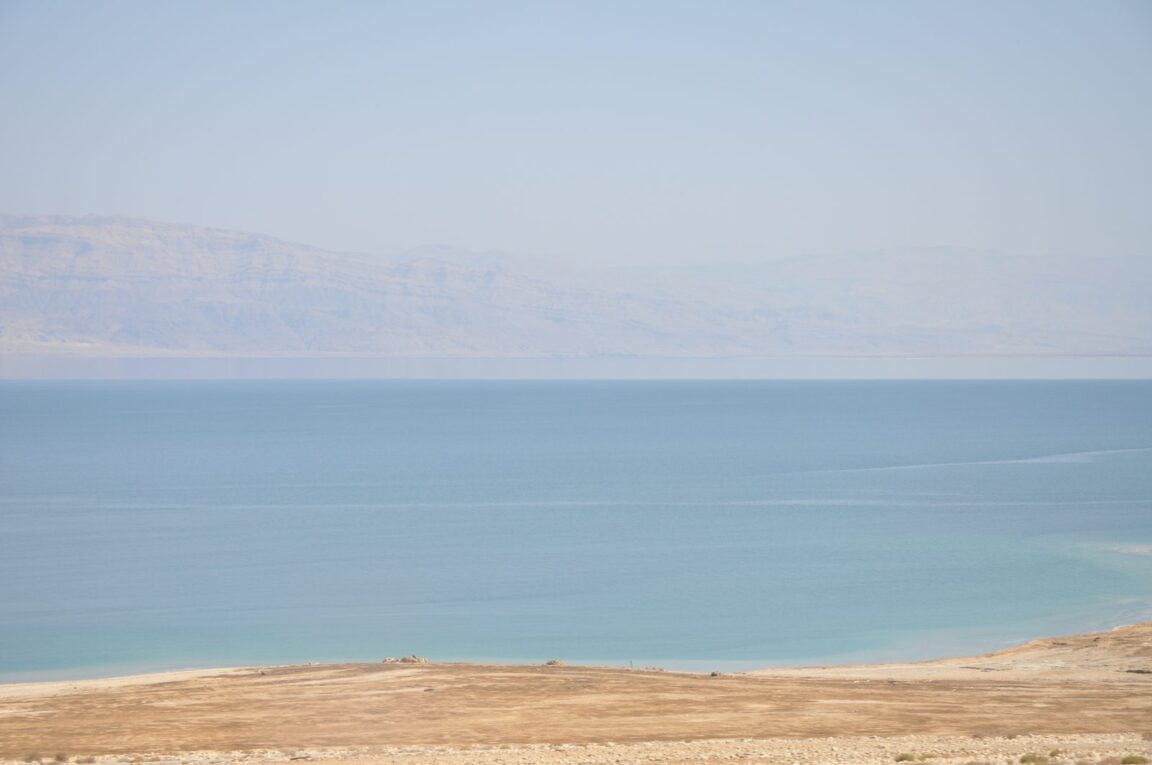
On the ground, that retreat is the landscape: white salt formations crusting the exposed shore, salt mushrooms and crystalline shelves at the waterline, and a wide band of pale, cracked ground between old beach infrastructure and the current edge. Photograph the salt formations from designated beach areas and paths rather than wandering the unmanaged shore, both for safety and to leave the formations intact. The Dead Sea is not about to vanish on a traveller’s timescale, and claims that it will disappear entirely within a few decades overstate the science, but the direction is real, measured and visible in a single visit.
Frequently asked questions
Can you swim in the Dead Sea?
Not in the normal sense. The water is too dense for strokes and far too harsh for diving or putting your head under. You float, on your back, for short sessions of about 15 to 20 minutes, then rinse off with fresh water.
How long should you stay in the water?
Visit Jordan advises limiting each float to 15 to 20 minutes. Leave sooner if your skin stings, keep the water out of your eyes and mouth, and shower immediately afterwards. Several short floats with shade and fresh water between them beat one long soak.
Do you need a resort to visit the Dead Sea in Jordan?
No, but you do need a designated entry point. The public Amman Beach south of the resort strip has offered lower cost access, though its status has changed over the years, so check it is operating before you go. Resort day passes, priced on each property’s official site, add pools, shade, showers and spa facilities.
Is the Dead Sea mud actually good for your skin?
The mud is genuinely mineral rich, and Dead Sea minerals are widely used in skincare. What is not established is the stronger claim that a beach mud ritual cures medical conditions. Enjoy it as a spa ritual, and treat health claims, including ours if we made them, with scepticism.
Can you visit Wadi Mujib and the Dead Sea on the same trip?
Yes, in season. The Mujib reserve sits on the same shore, and its Siq water trail generally runs from April to October. From November to March the water trails are closed for flash flood risk, so a winter Dead Sea trip should plan the panorama, museum and dry trails instead.
How far is the Dead Sea from Amman and the airport?
About an hour by road from Amman, roughly 60 kilometres, with a similar drive from Queen Alia International Airport. Most visitors use a rental car, a hotel arranged taxi or driver, or a day tour, as public bus options on the route are limited and change.
Facts checked against Visit Jordan and operator and reserve sources on 10 November 2026. Day pass rates, public beach status and trail openings change, so confirm each on the official site or channel before travelling.
<