 Kwame Mensah
Foreign visitors to India now file their arrival paperwork online before they fly: since 1 October 2025, the paper disembarkation card handed out on India-bound flights has been replaced at Delhi first by a digital e-Arrival Card, filed free of charge on the Bureau of Immigration portal within 72 hours before arrival. The form is not a visa and it grants nothing by itself. It is the old arrival declaration moved online, and every foreign national who needed the paper card needs this one instead. This guide explains who files it, when the window opens, where the official form actually lives, and the mistakes that send travelers to fee-charging copycat sites.
Quick Facts: India e-Arrival Card at a Glance
- What it is: The digital replacement for the paper disembarkation card, run by the Bureau of Immigration under the Ministry of Home Affairs.
- Launched: 1 October 2025, starting at Delhi Indira Gandhi International Airport, with a six-month transition in which paper cards continued to be accepted.
- Who files: Foreign nationals arriving in India. Indian passport holders do not file it.
- When: Within 72 hours before arrival. The window only opens three days out, so it cannot be filed weeks ahead.
- Where: indianvisaonline.gov.in/earrival, the Bureau of Immigration site at boi.gov.in, or the Indian Visa Su-Swagatam mobile app.
- Cost: Free. There is no government fee, and no agent is authorised to charge one.
- Not a visa: A valid visa, e-Visa or other entry permission is still required exactly as before.
- Last checked: November 11, 2026.
What Exactly Changed on 1 October 2025?
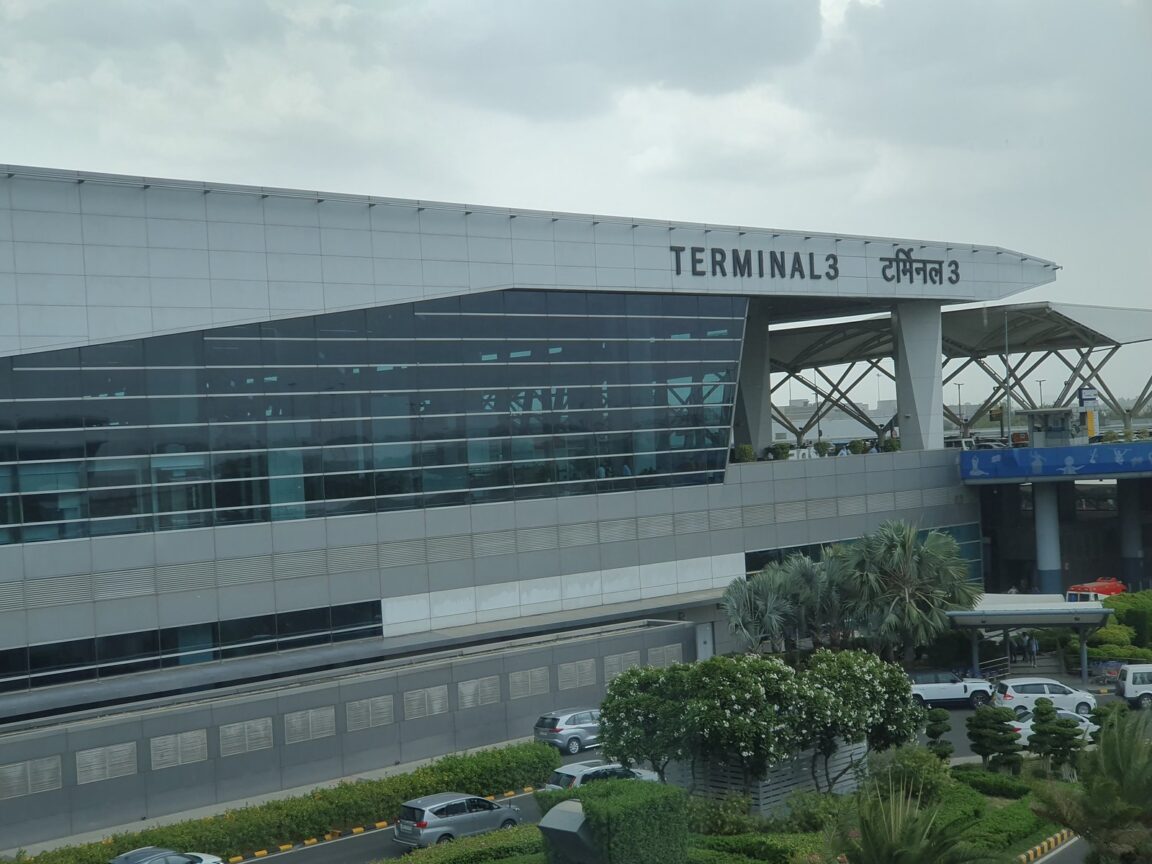
For decades, arriving in India began with a small paper card: cabin crew handed them out mid-flight, pens were borrowed, and travelers filled in passport details, flight information and their address in India while standing in the immigration queue. From 1 October 2025 that card went digital. Delhi International Airport, operated by DIAL under the aegis of the Bureau of Immigration, was the first airport to switch on the e-Arrival Card facility, and the launch was framed by the airport as part of the wider Digital India move to take passenger paperwork online. During the first six months, paper and digital ran side by side as a transition, so airlines and travelers could adjust. The direction of travel, however, was set from day one: the digital form is the system, and the paper card was the fallback with an expiry date.
Delhi was a logical place to start. The capital airport had already hosted the first rollout of the Fast Track Immigration Trusted Traveller Programme in June 2024, so its immigration halls were the test bed for pre-arrival data once again. Travelers arriving at other Indian gateways should expect the same digital process to greet them as the system beds in nationally, and should file online regardless of arrival airport rather than gambling on a paper card still being stocked at the desk.
Who Must File the e-Arrival Card, and Who Does Not?
The rule is drawn by passport, not by trip purpose. Foreign nationals arriving in India file the e-Arrival Card, whether they travel on an e-Visa, a sticker visa, or for tourism, business, study or medical reasons. Indian citizens travelling on an Indian passport do not file it: the form exists to collect the arrival declaration that foreign passports have always required.
Overseas Citizen of India cardholders should pay close attention, because the guidance around OCI status shifted in the first days of the scheme and older summaries still contradict each other online. The safe course for an OCI cardholder is to open the official portal inside the 72-hour window and follow the category the portal itself presents for OCI arrivals, rather than relying on a screenshot or a forum post from launch week. The same caution applies to dual nationals: the document you actually travel on decides what you file. Travelers who have worked through other Asian digital arrival systems will recognise the pattern from our guide to Thailand’s Digital Arrival Card, where the form is likewise separate from visa permission and tied to the passport in hand.
When Does the 72-Hour Window Open and Close?
The e-Arrival Card can be submitted within 72 hours before arrival, and not earlier. That single design choice catches out organised travelers: this is not a form to complete when the visa comes through, because the system is built around the three days before landing. Set a reminder for the day before departure instead. Filing inside the window takes a few minutes, and the submission produces an acknowledgement to keep on the phone, with a printed copy as a sensible backup for the immigration hall. Airlines may ask to see evidence of filing at check-in, so the acknowledgement should be as easy to reach as the boarding pass.
Because the window is short, flight changes matter. A rebooked arrival date can push a filed card outside its intended arrival, and the practical fix is simply to file again with the corrected details inside the new window. Nothing about the form rewards filing at the earliest possible minute; accuracy about the flight you will actually land on matters more than speed.
Where Is the Official Form, and How Do You Spot a Fake?
There are three official doors into the same form: the Indian Visa Online portal at indianvisaonline.gov.in/earrival, the Bureau of Immigration website at boi.gov.in, and the Indian Visa Su-Swagatam app. Delhi Airport also points arriving passengers to the system from its own site. Every one of those routes is free.
The copycat problem is real. Search results for the e-Arrival Card are crowded with commercial sites dressed in official colours that charge a service fee to submit a free government form, and some bury the charge until the final screen. The Government of India does not authorise agents to charge for the e-Arrival Card. If a page asks for payment, it is the wrong page, whatever its logo suggests. Type the official address rather than tapping a sponsored result, and check that the domain ends in gov.in before entering passport details. The discipline is the same one that applies to the consolidated form covered in our Indonesia All-Indonesia arrival card guide: one official portal, no fee, and deep suspicion of any lookalike that wants a card payment.
What Information Does the Form Ask For?
The digital card asks for the substance of the old paper one: passport details, nationality, date of birth, the flight and arrival details, the purpose of the visit, and the address where the traveler will stay in India, along with the standard arrival declaration questions. Having the first night’s hotel or host address complete, with a phone number, is the difference between a three-minute filing and a scramble through booking emails at the departure gate. Travelers staying with friends or family should get the full postal address in advance for the same reason.
Enter names and passport numbers exactly as they appear in the passport, including middle names and the order of the fields. The most common self-inflicted delay in every digital arrival system is a small transcription error that makes the pre-filed record hard to match at the desk. File once, check the acknowledgement against the passport, and only refile if a detail is genuinely wrong.
What Happens on Arrival in Delhi?
The point of pre-filing is a shorter conversation at immigration. The officer can pull up the arrival declaration already submitted, check it against the passport and visa, and process the entry without a paper card changing hands. Keep the acknowledgement reachable until the passport is stamped, and keep the visa evidence reachable too: the e-Arrival Card never replaces it, and an officer will still examine the underlying permission to enter. Travelers connecting onward to a domestic flight should still budget normal international arrival time, because baggage, customs and terminal changes, not the arrival card, set the pace of a Delhi connection.
Frequently Asked Questions
Is the India e-Arrival Card a visa?
No. It is an arrival declaration only. It does not grant entry, extend a stay or substitute for a visa. Travelers still need the correct visa, e-Visa or other permission for their nationality and purpose, exactly as they did when the paper card existed.
How much does the e-Arrival Card cost?
Nothing. Filing on the official portal, the Bureau of Immigration site or the Su-Swagatam app is free. Any website charging a fee for the card itself is a commercial intermediary, not a government channel.
Can the form be filed a week before the trip?
No. The submission window is within 72 hours before arrival. Filing earlier is not possible, so the task belongs in the final three days before departure, alongside online check-in.
Are paper disembarkation cards gone completely?
The switch began with a six-month transition in which paper cards continued to be accepted while the digital system rolled out from Delhi. Travelers should treat the online form as the required route and not plan around paper being available.
Which airport used the e-Arrival Card first?
Delhi Indira Gandhi International Airport, where the facility launched on 1 October 2025 under the Bureau of Immigration. Other gateways follow the same national system, so filing online is the right preparation for any Indian arrival airport.
What should be saved after filing?
The submission acknowledgement, on the phone and ideally as a printed backup. Airlines may ask for it at check-in and immigration officers may ask for it on arrival, so it should travel with the passport and boarding pass, not buried in an inbox.