 Jordan Ellis
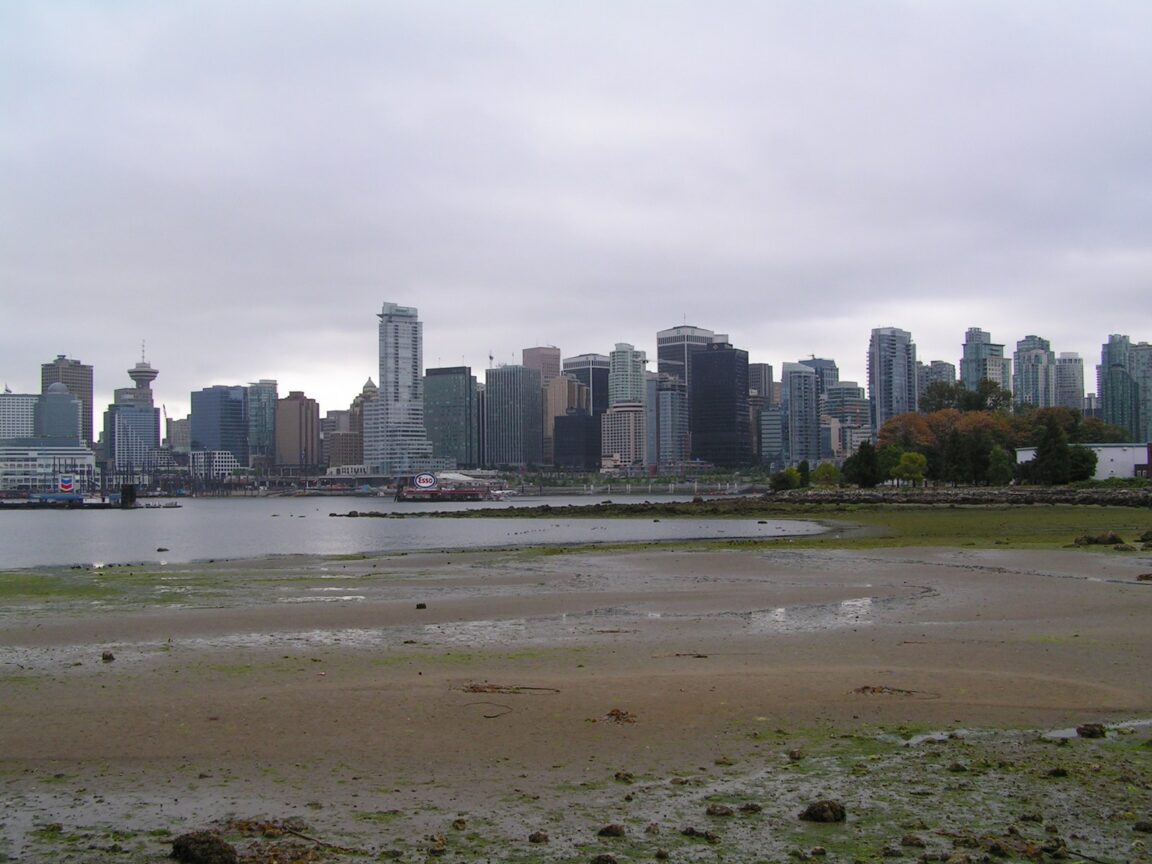
Four days is the right first dose of Vancouver: one day for Stanley Park and the downtown core, one for Granville Island and the False Creek neighbourhoods, one for the North Shore mountains and bridges, and one for the museums, gardens and beaches that explain how the city actually lives. Vancouver rewards travelers who plan by geography, because its pleasures cluster: park and harbour together, market and maritime shore together, rainforest and mountain together. This itinerary sequences those clusters, keeps transit simple, and leaves the evenings free for the neighbourhood restaurants that are half the reason to come.
Quick Facts: Vancouver at a Glance
- Where: On the Burrard Inlet and Strait of Georgia in southwestern British Columbia, backed by the Coast Mountains.
- Airport link: The Canada Line SkyTrain runs from Vancouver International Airport to downtown in about 25 minutes.
- Signature sights: Stanley Park and its seawall, Granville Island Public Market, Gastown, Capilano Suspension Bridge, Grouse Mountain.
- Getting around: SkyTrain, buses and the small False Creek ferries cover this itinerary; a car is unnecessary until a day trip out of the city.
- Best bases: Downtown near Robson Street or the West End for first-timers; Kitsilano for a quieter, beachside stay.
- Last checked: November 11, 2026.
Day 1: Stanley Park and the Downtown Core
Morning: The seawall and the park interior
Start where Vancouver starts: Stanley Park, the 400-hectare rainforest peninsula that downtown wraps around. Rent a bicycle near the park entrance on Denman Street and ride the seawall loop counterclockwise, the direction of travel on the path, for about nine kilometres of harbour, beach and mountain views. Stop at the totem poles at Brockton Point, the most visited single viewpoint in the park, at the Brockton Point lighthouse, and at Prospect Point beneath the Lions Gate Bridge for the shipping channel view. Riders with energy left can cut into the interior trails, where the forest of Douglas fir, cedar and hemlock explains what this coast looked like before the city, and where Beaver Lake hides in the middle of it all.
Afternoon: West End, Canada Place and Gastown
Return the bike and walk the West End’s leafy grid to English Bay, the city’s living room beach, then follow the harbour path east to Canada Place, the sail-roofed pier that anchors the waterfront, for the floatplane and cruise ship theatre and the mountain backdrop across the inlet. Continue into Gastown, Vancouver’s oldest neighbourhood, all brick warehouses and cobbles around Water Street, where the steam clock whistles on the quarter hour and the blocks fill with design shops, galleries and some of the city’s best dining rooms. End the day there with dinner, because Gastown after dark is the downtown’s most atmospheric hour.
Day 2: Granville Island, False Creek and Kitsilano
Morning: The Public Market
Take a small False Creek ferry, the little Aquabus and False Creek Ferries boats that hop between waterfront stops, to Granville Island. The island is a former industrial peninsula converted into the city’s market and arts district, and the Public Market is its engine: produce pyramids, bakeries, seafood counters, cheese, flowers and food stalls under one corrugated roof. Arrive hungry, graze slowly, and browse the artisan studios, galleries and the Net Loft and Railspur Alley shops around the market halls. The ferries make the arrival part of the pleasure, and the view back to downtown across False Creek is the city’s postcard in reverse.
Afternoon: The False Creek shore and Kits
Walk or ferry along False Creek to Olympic Village and Science World, on a seawall promenade built for the 2010 Winter Olympics shoreline, or cross to Kitsilano, known universally as Kits, for the afternoon. Kits Beach is the city’s social beach, with the mountain-framed saltwater view that appears in every Vancouver brochure, and the Kits pool beside it is one of the longest outdoor saltwater pools in North America. Behind the beach, West 4th Avenue carries the neighbourhood’s cafes, outdoor shops and restaurants. Travelers comparing Canadian cities can set Vancouver’s ocean ease against the winter streets in our Quebec City in winter itinerary, a very different first trip in the same country.
Day 3: The North Shore: Capilano and Grouse Mountain
Morning: Capilano Suspension Bridge Park
Cross the Lions Gate Bridge to North Vancouver for the rainforest day. The Capilano Suspension Bridge stretches 137 metres across the Capilano River canyon, 70 metres above the water, and the park around it adds a cliffwalk cantilevered along the canyon wall and a treetops circuit of smaller bridges through the fir canopy. Go early, because the bridge is deservedly popular and the forest is at its best in the morning light and mist. Free shuttle buses from downtown serve the park in season, and city buses cross the bridge year round.
Afternoon: Grouse Mountain or Lynn Canyon
Continue up the mountain slope to Grouse Mountain, where the Skyride gondola climbs to a summit of restaurants, wildlife refuge habitats for rescued grizzly bears, and the definitive aerial view of the city, the inlet and the islands. The Grouse Grind, the steep staircase trail up the same slope, is the locals’ rite of passage and should only be attempted by the fit, with the gondola as the way down. Travelers who prefer their nature free and quieter can swap Grouse for Lynn Canyon Park, also in North Vancouver, which has its own smaller suspension bridge, forest trails and swimming holes in the creek below, and a distinctly local feel. Either way, the evening belongs back downtown, perhaps in Yaletown, the warehouse district turned dining strip along False Creek. Mountain-minded travelers continuing east afterwards will find the Rockies sequenced in our Banff in winter guide.
Day 4: Museums, Gardens and a Neighbourhood Day
Morning: The Museum of Anthropology
Give the last morning to the Museum of Anthropology at the University of British Columbia, set on the Point Grey cliffs west of Kitsilano. The museum holds one of the world’s great collections of Northwest Coast First Nations art, with monumental totem poles and carvings in a glass-walled great hall designed to evoke a coastal village, plus the celebrated Bill Reid sculpture The Raven and the First Men. It is the single most important cultural stop in the city, and it deserves an unhurried two hours. The surrounding UBC campus and Pacific Spirit Regional Park trails make an easy green extension for anyone not yet museumed out.
Afternoon: Gardens and Commercial Drive
Choose between two gardens to close the trip. VanDusen Botanical Garden, in the Shaughnessy area, layers themed planting, a hedge maze and a lakeside sprawl that changes completely with the seasons, while Queen Elizabeth Park, on the city’s high point at Little Mountain, pairs its quarry gardens with the Bloedel Conservatory’s tropical dome and the best free skyline view in Vancouver. Finish on Commercial Drive, the Drive, East Vancouver’s historic Italian and now everything neighbourhood, for coffee, delis, bakeries and a last dinner in the part of the city least interested in impressing visitors and best at feeding them.
Practical Notes for a First Trip
Vancouver’s weather is the famous caveat: rain is a standing possibility in any month, heaviest from autumn through spring, so pack a real waterproof shell rather than a water-resistant hope, and treat the clear days as a dividend. The itinerary above is built to flex: swap Day 3 and Day 4 if the forecast gives one clear morning for the mountain views. Transit is simple, with the Compass Card covering SkyTrain, buses and the SeaBus ferry to North Vancouver’s Lonsdale Quay, and the downtown core is flat and walkable between the West End, Gastown and Yaletown. Tipping, taxes and prices follow Canadian norms, with sales taxes added to displayed prices. Finally, book the North Shore attractions and any special dinners ahead in summer, when cruise season fills the city, and give Stanley Park’s seawall an early start in any season: Vancouver is never better than at eight in the morning, with the harbour calm and the mountains deciding whether to appear.
Frequently Asked Questions
How many days does a first trip to Vancouver need?
Four days cover the essentials in this itinerary: Stanley Park, Granville Island, the North Shore and the major museums. Three days work by merging Days 2 and 4. Five or more days open up Whistler or Victoria as day or overnight trips.
What is the best way from the airport to downtown?
The Canada Line SkyTrain runs directly from Vancouver International Airport to downtown Vancouver in about 25 minutes, with stops including Yaletown and Vancouver City Centre. Taxis and ride services take longer in traffic and cost more.
Is Stanley Park better walked or cycled?
Cycled, for most visitors. The seawall loop is about nine kilometres, which is a long walk but an easy, flat ride of under an hour without stops, and bike rental shops cluster at the park entrance. Walkers can do the eastern half, from Coal Harbour to Brockton Point and back, as a satisfying shorter version.
Capilano or Lynn Canyon: which suspension bridge?
Capilano is the full attraction, with the long bridge, cliffwalk and treetops circuit, and an admission charge to match. Lynn Canyon’s bridge is smaller, free and set in a local park with swimming holes. First-timers with one North Shore day usually choose Capilano and add Grouse Mountain; return visitors and budget travelers favour Lynn Canyon.
When is the best time of year to visit Vancouver?
Late spring through early autumn brings the driest weather, the longest days and the full seawall and beach life. Winter is mild by Canadian standards but wet, and it suits museums, dining and the North Shore ski hills; the city rarely sees prolonged snow at sea level.
Do visitors need a car in Vancouver?
No, for this itinerary. SkyTrain, buses, the SeaBus and the False Creek ferries connect every stop, and downtown is walkable. A car only becomes useful for trips beyond the city, such as the Sea to Sky highway toward Whistler.