 Wei Chen
Most visitors to Stonehenge see the stones from a roped path at a respectful distance, and the only way to stand inside the circle itself is the Stone Circle Experience, a separate, small-group visit run by English Heritage in the early morning or evening, outside normal opening hours. Everything else about the visit is simpler than it first looks: a standard ticket, booked in advance through English Heritage, covers the visitor centre, the exhibition, the reconstructed Neolithic houses and the shuttle bus to the stones, and it is valid for the whole day within opening hours. Understanding which of those two products you actually want, before you book anything, is the whole secret to a Stonehenge trip that works.
Quick Facts
- Where: Near Amesbury, Wiltshire, England, postcode SP4 7DE, on Salisbury Plain
- Managed by: English Heritage, which sells all official tickets
- Standard ticket: Advance online adult ticket from 27.20 pounds, or 32 pounds on the day, checked on the English Heritage prices page on 11 November 2026; English Heritage members enter free
- Opening hours in November: 9:30am to 5pm daily, with last admission two hours before closing
- Inner circle: The Stone Circle Experience, from 70 pounds for adults aged 18 and over and from 40 pounds for children aged 5 to 17, with under-5s free
- Inner circle format: One hour, early morning or evening, outside normal hours, maximum 52 people per session split into two groups of 26 at the stones
- Inner circle availability: No sessions run in October or November; booking was open to March 2027 when checked
- Nearest station: Salisbury, with direct trains from London Waterloo taking around 1 hour 30 minutes, then a tour bus or taxi for the last 12 miles (19 km)
What does a standard Stonehenge ticket actually include?
A standard ticket is a day visit, not a timed dash past the stones. English Heritage states that tickets are valid all day, so you can arrive at any point within opening hours and stay as long as you like until closing. Booking online in advance, up until midnight the day before your visit, brings a discount of up to 15 percent compared with paying on the day; the same adult ticket that costs 32 pounds on the day was listed from 27.20 pounds in advance when prices were checked for this guide. A family ticket for two adults and up to three children was listed at 68 pounds in advance. Members of English Heritage enter free, though they still need to bring their membership card.
On site, the visit has two distinct halves. The visitor centre holds the permanent exhibition, with objects found in the surrounding landscape, a cafe and the ticket and information desks. The stones themselves stand about a mile and a half away across open downland, reached by the frequent visitor shuttle bus, which is included in the ticket. Beside the visitor centre, reconstructed Neolithic houses, based on dwellings excavated nearby at Durrington Walls, give the monument a human scale that the stones alone do not: this was a lived-in landscape, not an empty ceremonial plain. Allow around two hours for the full standard visit, and more if the exhibition catches your attention. For a comparison with another ancient site where the ticket type changes the whole experience, see our guide to visiting the Alhambra in Granada, where, as at Stonehenge, the headline monument is only part of what the ticket buys.
How does the Stone Circle Experience (the inner circle visit) work?
The Stone Circle Experience is the product most people mean when they say inner circle access, and it is deliberately restricted. English Heritage reserves access inside the stone circle for visits outside normal general admission hours, in the early morning or evening, precisely because the monument needs protecting: the grass, the archaeology underfoot and the stones themselves cannot take thousands of close-up visitors a day. Sessions last one hour and are capped at 52 people, who are split into two groups of 26 when at the stones, so each group gets its time inside the circle with a guide while the other tours the surrounding landscape.
The practical details matter. You take the shuttle bus from the visitor centre to the monument, and English Heritage asks you to be ready to board it 10 minutes before your session start time. Inside the circle, the rule is absolute and simple: you may walk among the sarsens and bluestones, but you must not stand on or touch the stones. The guided element is a real part of the value, covering the monument itself and the wider landscape features in view, including the Heel Stone, which marks the solstice alignment, and the Slaughter Stone. Pricing, checked on the official page on 11 November 2026, starts from 70 pounds for adults aged 18 and over and from 40 pounds for children aged 5 to 17, with children under 5 free and discounts for English Heritage members. Booking is essential, availability is described by English Heritage as very limited, and at the time of checking, sessions were bookable through to March 2027.
Why are there no inner circle sessions in October and November?
English Heritage states plainly that there are no Stone Circle Experiences in October or November. If your trip falls in those months, no amount of refreshing the booking page will change that, and any third-party seller offering guaranteed inner circle access for an October or November date should be treated with suspicion. The honest alternatives are a well-planned standard visit, ideally at the quieter edges of the day, or shifting your dates. This is also the moment to be wary of resale and tour sites that borrow the words inner circle loosely: the genuine product is the one sold by English Heritage itself under the Stone Circle Experience name, and third-party day tours from London almost always deliver the standard roped-path visit, however their marketing reads. Check what the ticket in your basket actually is before you pay.
Is the inner circle visit worth it, or is the standard visit enough?
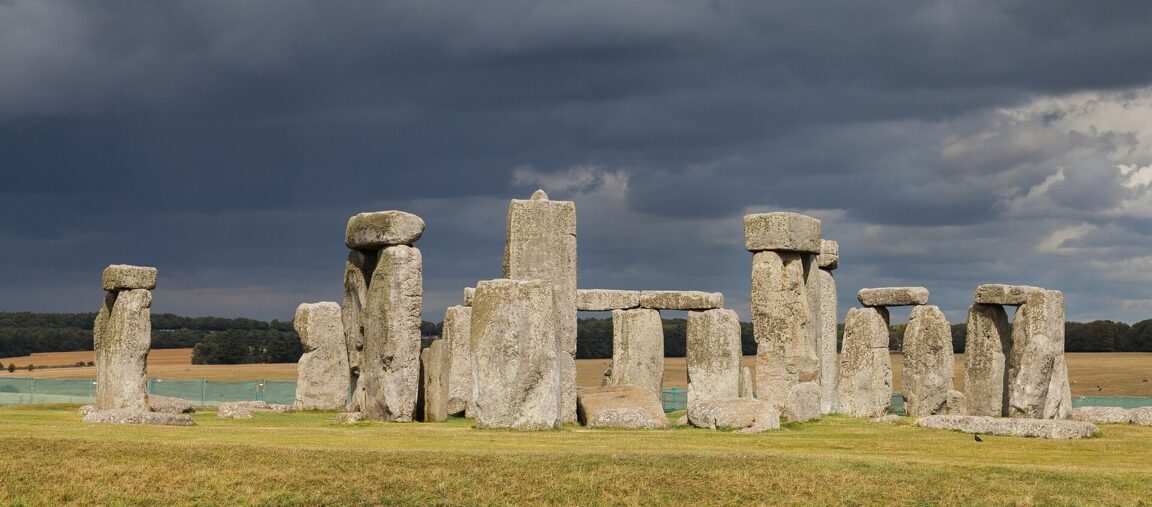
The standard visit is genuinely good, and for most travelers it is enough. The roped path circles the monument at a distance that still lets you read the trilithons, the horseshoe of sarsens and the bluestone circle clearly, the audio and exhibition context is strong, and the surrounding landscape, with its barrows and the Avenue processional way, is part of the experience rather than a backdrop. What the standard visit cannot give you is proximity and quiet: you share the path with everyone else who booked that day, and the stones stay behind the rope.
The Stone Circle Experience buys three things: standing inside the circle itself, a small group instead of a day crowd, and the monument in early morning or evening light with the site otherwise closed. For travelers making a once-in-a-lifetime trip, photographers who understand that the light is the point, and anyone for whom Stonehenge is the purpose of the journey rather than a stop on it, the premium over a 27.20 pound standard ticket is defensible. For a family fitting Stonehenge into a busy Wiltshire day, or anyone visiting in October or November when the product does not run, the standard ticket, booked in advance and used unhurriedly, is the right answer. The same ticket logic applies at other tightly managed ancient sites: our guide to visiting the Acropolis of Athens breaks down a similar choice between standard entry and going early to beat the crowds.
How do you get to Stonehenge without a car?
The classic independent route is train plus bus, and English Heritage lays it out clearly. Salisbury is the nearest station, with a direct line from London Waterloo taking around 1 hour 30 minutes. Stonehenge is 12 miles (19 km) from Salisbury station. From the station forecourt, the Stonehenge Tour Bus departs hourly for the visitor centre, with the option to stop off at Old Sarum, the older, pre-cathedral settlement outside Salisbury, if you choose that bus. A taxi from the station covers the same distance without the bus timetable to work around, at correspondingly higher cost. Coach tours from London are the third option: English Heritage notes that many companies run them, departing from London Victoria on most days of the year, with a journey time from central London of around two hours each way before site time is counted.
One warning specific to inner circle bookings: morning Stone Circle Experience sessions start before the normal public transport pattern is fully running, and evening sessions end after it. If you book the inner circle, plan the Salisbury connection or a taxi around the session time itself, not around the standard 9:30am opening, and consider staying the night before in Salisbury, which is a rewarding small city in its own right, rather than gambling on the first train out of Waterloo.
What should you know before you stand on Salisbury Plain?
Stonehenge stands in open, exposed country with almost no shelter, and the weather at the stones is the weather with nothing in the way. Dress for wind and rain even on a promising forecast, wear shoes that can handle grass and gravel paths, and carry water in summer. The site is a working piece of heritage protection as much as an attraction: stay on the paths on a standard visit, follow the no-touching rule on an inner circle visit, and expect bag checks and a managed flow at busy times. Photography for personal use is welcome, but the plain is also a protected landscape, so drones and commercial shoots operate under separate permissions. Finally, build Salisbury itself into the day if you can. The cathedral, the close around it and the market town centre turn a monument dash into a rounded day trip, and the tour bus routing via Old Sarum makes the layering of settlements, from Iron Age hillfort to medieval city to prehistoric monument, part of the story you take home.
Frequently Asked Questions
Can anyone walk inside the Stonehenge stone circle?
No. General admission keeps visitors on a roped path outside the circle. Standing inside the circle is only possible on the Stone Circle Experience, the small-group early morning or evening visit sold by English Heritage, or at managed solstice gatherings. Even on the experience, touching or standing on the stones is not allowed.
How far in advance should you book Stonehenge tickets?
For a standard ticket, booking online by midnight the day before secures the advance discount, though booking earlier is wise for summer and holiday dates. For the Stone Circle Experience, book as soon as your dates are fixed: sessions are capped at 52 people, are described as very limited, and were on sale through to March 2027 when checked on 11 November 2026.
How long does a Stonehenge visit take?
Allow around two hours for a standard visit covering the exhibition, the Neolithic houses, the shuttle ride and an unhurried circuit of the stones. The Stone Circle Experience itself lasts one hour at the monument, plus time at the visitor centre before or after, depending on whether your session is morning or evening.
Is Stonehenge free for English Heritage members?
Yes, standard admission is free for English Heritage members, who should bring their membership card. Members also receive discounts on the Stone Circle Experience, which is priced separately from standard admission for everyone.
What is the easiest way to visit Stonehenge from London without a car?
Take a direct train from London Waterloo to Salisbury, around 1 hour 30 minutes, then the Stonehenge Tour Bus from the station forecourt, which departs hourly and can stop at Old Sarum, or a taxi for the 12 miles to the visitor centre. Organized coach tours from London Victoria are the door-to-door alternative.
Prices, hours and session availability checked against English Heritage on 11 November 2026. Confirm your date on the official booking pages before you travel, as prices and session calendars change.