 LeVar Thomas
For a first time in Bangkok, spend day one in the old city at the Grand Palace, Wat Pho and Wat Arun, day two on the river and in Chinatown and the creative districts along Charoen Krung, and day three mixing a market, a park level reset and the shopping and food of Siam and Sukhumvit, using the BTS, MRT and river boats instead of roads wherever you can. The Grand Palace charges foreign visitors 500 baht and enforces a strict dress code, Wat Pho next door is home to the 46 metre Reclining Buddha, and the Airport Rail Link from Suvarnabhumi reaches the city centre without touching Bangkok traffic. Stay near a BTS or MRT station and the whole city becomes simpler.
Quick Facts
- Best bases for first timers: Riverside for temples and boats, Sukhumvit for transport and food, Siam for shopping, Silom for a business district feel with park access, and the Old City for walking to the palaces.
- Grand Palace: Open daily from 8:30 am, tickets sold until 3:30 pm, 500 baht for foreign visitors, shoulders and knees must be covered. The ticket also covers Wat Phra Kaew and the Queen Sirikit Museum of Textiles.
- Wat Pho: Opens at 8:00 am, foreign visitor fee listed at 300 baht on the temple booking site, home to the 46 metre Reclining Buddha and a traditional massage school.
- Airport Rail Link: Suvarnabhumi Airport to Phaya Thai, eight stations, running roughly 05:30 to midnight, with connections to the BTS at Phaya Thai and the MRT at Makkasan. Published fares run from 15 to 45 baht by distance.
- Getting around: BTS Skytrain, MRT subway and Chao Phraya river boats beat traffic. Metered taxis and ride hailing are cheap but can be very slow at peak hours.
- Arrival card: Thailand now uses a digital arrival card submitted online before arrival through the official Immigration Bureau site. It is free; do not pay third party sites for it.
Where should first timers stay in Bangkok?
Bangkok rewards travellers who choose their base by transport, not by a single sight. The Riverside, along the Chao Phraya, puts you on the express boat route to the Grand Palace and Wat Arun, with many of the city’s landmark hotels facing the water and a calmer feel at night. Sukhumvit, along the BTS Sukhumvit Line around Asok and Phrom Phong, offers the widest choice of hotels, restaurants and malls and the easiest interchange between BTS and MRT. Siam is the retail centre, ideal if shopping is a priority. Silom and Sathorn mix offices, good hotels and Lumphini Park. The Old City, around the Grand Palace and Khao San Road, is walkable to the temples but has no direct BTS or MRT station, so every other trip starts with a boat or a road journey. For three days, Riverside and Sukhumvit are the two safest choices: boats and history on one side, trains and food on the other. Festival trips follow the same rule; our guide to the Loy Krathong festival in Thailand explains why river access matters most on festival nights.
Day 1: the Grand Palace, Wat Pho and Wat Arun
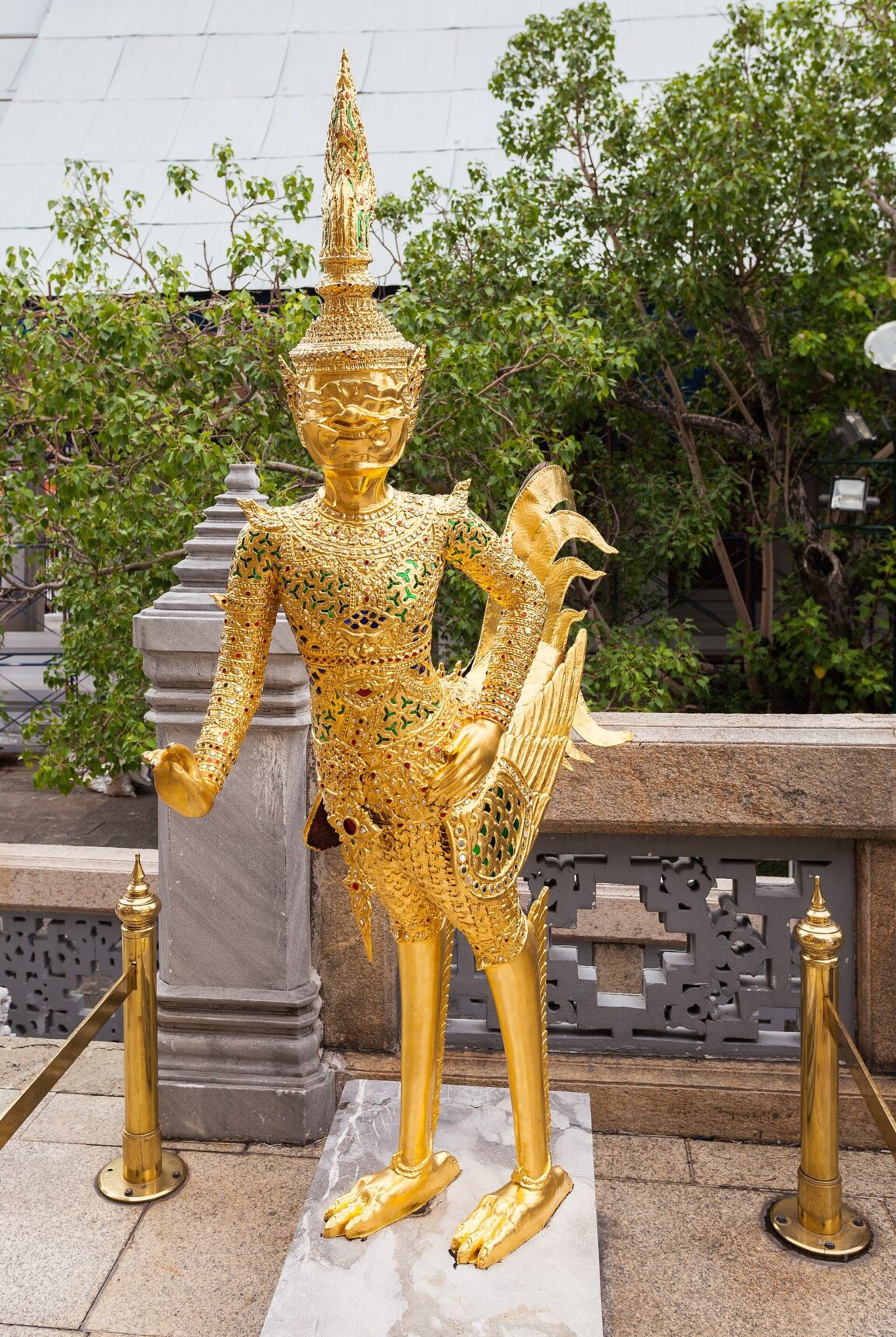
Arrive at the Grand Palace for the 8:30 am opening. By mid morning the grounds are hot and busy, and the early hour changes the experience completely. Inside the palace complex, Wat Phra Kaew, the Temple of the Emerald Buddha, is Thailand’s most sacred temple, surrounded by galleries of murals, gilded stupas and guardian figures. The palace was the royal residence from 1782 and is still used for official ceremonies, which is why parts can close at short notice for royal events; check the official palace site or the closure board before you set out. Dress is enforced at the gate: no sleeveless tops, no shorts or short skirts, no torn jeans and no tight leggings. Clothing stalls near the entrance sell cover ups, but arriving already dressed saves time and money.
Ignore anyone near the walls who tells you the palace is closed today for a ceremony, a holiday or a special Buddha day and offers a tuk tuk ride to another temple or a gem shop. This is Bangkok’s longest running scam and the palace is almost never closed all day. Walk to the official entrance on Na Phra Lan Road and check for yourself.
From the palace, walk about ten minutes south to Wat Pho, the Temple of the Reclining Buddha. The 46 metre gold covered figure fills its hall so completely that you take it in section by section, ending at the mother of pearl inlaid soles. Wat Pho is older than Bangkok itself in its roots, is regarded as an early centre of public education, and its massage school is the most reputable place in the old city to try traditional Thai massage after a morning of walking. Allow 90 minutes here, collect the bottle of water included with the ticket, and then take the short cross river ferry from Tha Tien pier to Wat Arun, the Temple of Dawn, whose central prang is inlaid with porcelain fragments that catch the afternoon light. The steep steps reward you with the classic view back across the river to the palace side. End the day back on the east bank with dinner in the Tha Tien or Wang Lang areas, or ride the express boat south to Asiatique or your riverside hotel.
Day 2: canals, Chinatown and Charoen Krung
Start with the water. A longtail boat tour through the canals, the khlongs, of Thonburi on the west bank shows the Bangkok that existed before the skyscrapers: stilt houses, small temples, orchards and monitor lizards on the banks. Boats leave from piers near the Grand Palace and from Saphan Taksin. Agree the route, duration and total price before boarding, and confirm whether the price is per boat or per person. Alternatively, ride the public khlong boat on Saen Saep Canal for a working commuter view of the city at local prices.
Spend the afternoon in Chinatown, centred on Yaowarat Road and best reached by MRT to Wat Mangkon station. By day the lanes behind Yaowarat hold wholesale shops, gold dealers, temples and the Talat Noi neighbourhood of shophouses, shrines and street art along the river. By evening Yaowarat becomes one of the great street food streets of Asia, with seafood grills, noodle stalls and dessert shops under the neon. Work south along Charoen Krung Road, Bangkok’s first modern road, for galleries, the River City art and antique centre and small cafes in old warehouses. This day needs no tickets and no schedule: it is the day to eat, wander and use the MRT, which has made Chinatown far easier to reach than it was a decade ago.
Day 3: markets, parks and the modern city
If day three falls on a weekend, start at Chatuchak Weekend Market, reached by BTS to Mo Chit or MRT to Chatuchak Park or Kamphaeng Phet. It is one of the largest markets in the world and sells almost everything, so go early, carry a bottle of water, note your entry gate, and accept that you will see a fraction of it. On a weekday, substitute the flower market at Pak Khlong Talat, Jim Thompson House near National Stadium BTS for silk and a beautifully kept traditional house and garden, or a morning in Lumphini Park watching monitor lizards and tai chi groups.
Give the afternoon to modern Bangkok: the malls and shrines around Siam and Ratchaprasong, including the Erawan Shrine, then the food courts and rooftop options of Sukhumvit as evening comes. First timers often underestimate Bangkok’s food halls, which are an efficient way to taste regional Thai dishes in air conditioning before a late night market visit. Finish with a sky bar or a simple riverside dinner depending on your budget, and keep the last morning loose for packing and a slow breakfast; three days in Bangkok should end with you planning the return, not collapsing. The structure mirrors the one district at a time approach in our first time in Paris itinerary, adapted to boats and trains instead of boulevards.
How do you get from Suvarnabhumi Airport into the city?
The Airport Rail Link is the most predictable option: a commuter train from the basement level of Suvarnabhumi to Phaya Thai in the centre, with eight stations, services from about 05:30 to midnight, and interchanges to the BTS Sukhumvit Line at Phaya Thai and to the MRT Blue Line via Makkasan and Phetchaburi stations. Each system has separate gates and separate fares, so you exit one and enter the other. Contactless bank cards have been accepted at the ARL gates since November 2025, alongside station tickets. Official metered taxis from the airport queue charge the meter plus the airport surcharge and expressway tolls, and are the practical choice for groups, heavy luggage or late arrivals; insist on the meter. Don Mueang, the second airport used by many low cost carriers, connects to the centre by the SRT Red Line and by bus and taxi. Confirm which airport your flight uses before you plan the transfer, because the two are on opposite sides of the city.
What mistakes should first timers avoid in Bangkok?
Trusting the traffic
Bangkok traffic is not a stereotype, it is a scheduling fact. A cross town taxi ride that takes 20 minutes at dawn can take over an hour at 5:00 pm, and more in rain. Put temples and markets on rail or boat routes, travel against the rush, and never schedule a tight road transfer before a flight.
Dressing wrong for the temples
The Grand Palace turns people away at the gate every day for shorts, sleeveless tops and leggings. Pack a light temple outfit with covered shoulders and knees for day one, remove shoes where requested, never point your feet at a Buddha image, and never climb on statues or structures for photographs.
Falling for the closed palace and gem shop routine
If a stranger says a sight is closed, a shop is having a one day government sale, or a tuk tuk tour costs almost nothing, the destination is a commission shop. Buy tickets only at official counters, use metered taxis or the grab app with the fare shown, and treat unsolicited bargains as the warning sign they are.
Disrespecting the monarchy or Buddha images
Thailand takes respect for the royal family and for Buddha images seriously, legally as well as socially. Stand for the royal anthem in cinemas, handle banknotes, which carry the King’s image, with care, and do not buy Buddha figures as decoration souvenirs without understanding the sensitivity. A little awareness here is noticed and appreciated.
Frequently asked questions
How many days do you need in Bangkok for a first visit?
Three full days is the practical minimum: one for the palace and temples, one for canals and Chinatown, and one for markets and the modern city. Four or five days lets you add Ayutthaya as a day trip, a cooking class, or a slower pace in the heat. This itinerary assumes you sleep in Bangkok all three nights.
How much does the Grand Palace cost and when does it open?
The official visitor information lists 500 baht for foreign visitors, with the palace open daily from 8:30 am and ticket sales ending at 3:30 pm. The ticket includes Wat Phra Kaew inside the complex and the Queen Sirikit Museum of Textiles. Thai nationals enter free with ID. Ceremonial closures can change the day, so check the official palace site before visiting.
What is the best way to get around Bangkok?
Use the BTS and MRT for cross town trips, river express boats for the old city and Riverside, and taxis or ride hailing for short hops outside peak hours. The systems use separate tickets and cards, although contactless payment is expanding. Download an offline map and save your hotel name and address in Thai for taxi drivers.
Is Bangkok safe for first time visitors?
Bangkok is generally safe for visitors who take normal city precautions: watch bags in crowds, use licensed taxis with the meter on, keep valuables off motorbike side seats, and be cautious with late night drinks in entertainment districts. The most common problems are scams and overcharging, not violent crime. Drink bottled or filtered water and take the heat seriously.
When is the best time of year to visit Bangkok?
The cooler, drier months from November to February are the most comfortable for walking itineraries, and they include festival season. March to May is very hot, and the rainy season from roughly June to October brings heavy showers that usually pass quickly but can flood streets. This three day plan works year round if you start temple days early.
Do I need cash in Bangkok?
Cards and contactless payment work in malls, chain restaurants and increasingly on transit, but temples, markets, boats, tuk tuks and street food still run largely on cash in small notes. Carry baht in small denominations, use ATMs attached to banks, and decline any ATM offer to convert the withdrawal into your home currency at the machine’s rate.
Facts checked on 9 November 2026 against the official Grand Palace site, Wat Pho information, Airports of Thailand and Tourism Authority of Thailand material. Fees and hours can change; recheck official sources on the day.