 LeVar Thomas
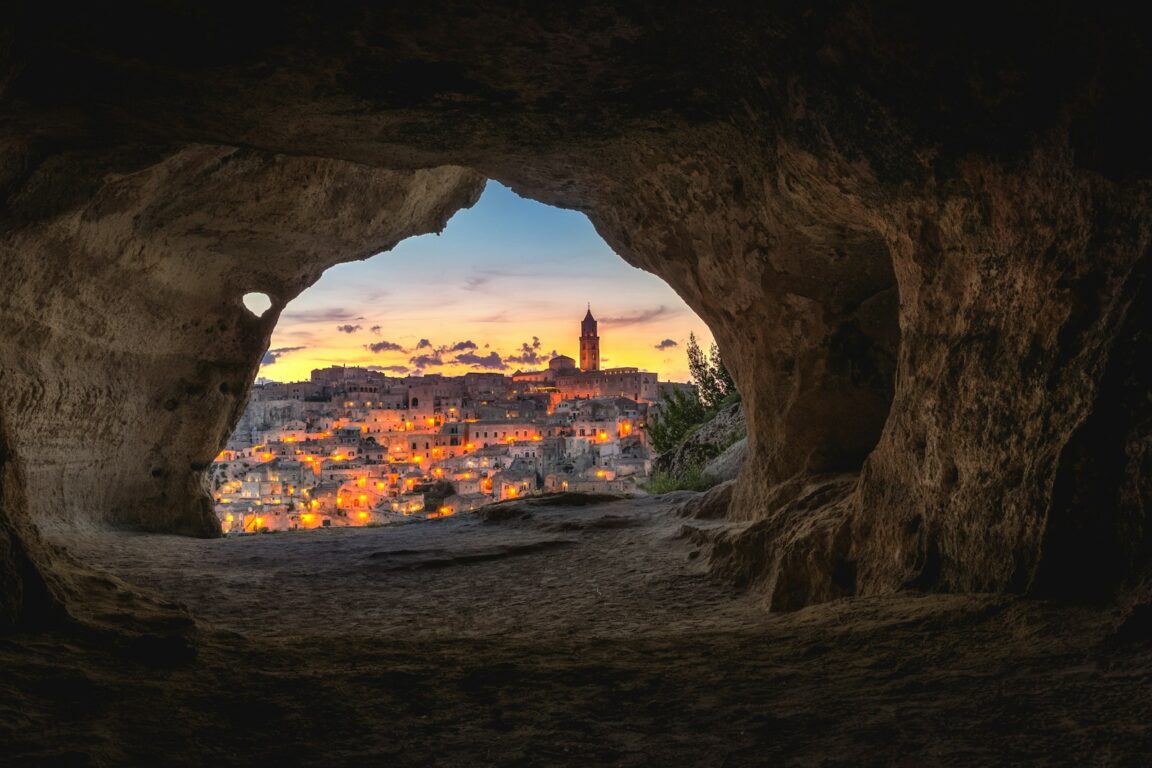
Matera, Italy, is a city that looks like it was carved out of the earth itself, because in large part it was. The Sassi, the ancient cave districts of Matera, are houses, churches and streets cut into the rock of a steep ravine, stacked one above another in a maze of stone lanes, stairways and terraces. For centuries, families lived in these cave dwellings, and the city was known for poverty and hardship. Today, after careful restoration, the Sassi are one of the most striking places in Italy to walk through, a UNESCO World Heritage site where the past is not behind glass but underfoot, in the walls of the houses, the churches and the hotels.
Quick Facts
- Where it is: In Basilicata, in southern Italy, inland from the Ionian coast.
- What it is: The Sassi and the Park of the Rupestrian Churches of Matera, a UNESCO World Heritage site inscribed in 1993.
- What to expect: Two ancient cave districts, Sasso Barisano and Sasso Caveoso, divided by the Civita, with rock-cut churches and stone lanes.
- How long to stay: Two days covers the Sassi, the rupestrian churches and the viewpoints, with time to linger.
- Getting there: Overland by regional train or bus, often via Bari, the nearest large city and transport hub.
- Best time: Spring and autumn, when the light is soft, the walking is comfortable, and the city is less crowded than in high summer.
Why Go to Matera?
Matera is unlike anywhere else in Italy, and that is the reason to go. UNESCO describes the Sassi as the most outstanding, intact example of a troglodyte settlement in the Mediterranean region, perfectly adapted to its terrain and ecosystem. The site was first inhabited in the Palaeolithic period, and the cave dwellings were adapted over thousands of years to changing times, so the city is a record of human settlement written in stone. Walking the Sassi is not like visiting a single monument. It is like walking through a whole district that was built by carving into the rock, where a roof can be the floor of the house above, and where churches, cisterns and homes share the same stone.
The atmosphere is the other reason to go. The Sassi are quiet in the early morning and golden in the late afternoon, when the limestone glows and the lanes fill with people walking to dinner. The city rewards slow travel, with time to sit in a square, to look across the ravine to the cave churches on the far side, and to explore the lanes without a fixed plan. It is also a good base for exploring Basilicata, a region that sees far fewer visitors than Tuscany or the Amalfi Coast, and that keeps a strong sense of its own food, traditions and pace of life.
What to See in the Sassi
Start on the Civita, the ridge between the two Sassi districts, where the cathedral stands and the views open in both directions. From there, walk down into Sasso Barisano, the northern district, which is the more restored and lived-in of the two, with cave hotels, restaurants and shops set into the stone. Then cross to Sasso Caveoso, the southern district, which keeps a rougher, older character, with cave dwellings that show how families lived here, and with rock-cut churches whose walls still carry traces of frescoes. A visit to a Casa Grotta, a cave house preserved as it was, gives the clearest picture of daily life in the Sassi, with the rooms, the tools and the cistern that collected rainwater.
The rupestrian churches are the hidden treasure of Matera. These are churches carved into the rock, some with frescoes painted directly onto the stone, and they are scattered through the Sassi and across the ravine in the park of the rupestrian churches. Some are easy to find on the main lanes, while others take a little searching, and that is part of their charm. Take time for the viewpoints as well, especially the Belvedere, the viewpoint across the ravine that looks back over the whole sweep of the Sassi, which is at its best in the late afternoon light. For a classic Italian coast trip to pair with Matera, see Amalfi Coast bliss, and for more European escapes, see 15 exotic escapes that are spectacular right now.
How to Reach Matera
Matera sits inland in Basilicata, and most visitors arrive overland. The usual route is by regional train or bus through Bari, the nearest large city and the main transport hub for the region, with connections onward to Matera. Travelers coming from Naples or Rome can also reach Matera overland, and the journey itself is part of the experience, crossing the countryside of southern Italy before the road drops into the ravine. Once in Matera, the Sassi are best explored on foot, since the lanes are steep, stepped and largely closed to traffic. Drivers should check where to park before arriving, because the historic center is not designed for cars, and the walk from the newer town down into the Sassi is short but steep.
Because Matera is inland and compact, it works well as a stay of two nights within a longer trip through southern Italy, paired with Bari and the Puglian coast, or with a drive through Basilicata. Travelers should check current train and bus timetables before travel, since regional services run to their own schedules and can be less frequent outside the main season. More detail on the site is on the UNESCO page for the Sassi and the Park of the Rupestrian Churches of Matera.
When Is the Best Time to Visit Matera?
Spring and autumn are the best times to visit Matera. In April, May, September and October, the weather is warm enough for long walks through the Sassi, the light on the limestone is soft, and the city is less crowded than in the peak summer months. Summer in southern Italy is hot, and the stone lanes of the Sassi hold the heat, so summer visitors should plan walks for the morning and evening, and take water and sun protection. Winter is quiet and mild, and it suits travelers who want the city to themselves, though some seasonal businesses run reduced hours outside the main season.
The time of day matters as much as the season. The Sassi are at their best early in the morning, when the lanes are empty and the light is clear, and again in the late afternoon and evening, when the stone turns gold and the restaurants and bars fill up. Staying overnight in the Sassi, in one of the cave hotels, is the easiest way to enjoy both, since the city changes character once the day visitors leave.
Where to Stay in Matera
Sleeping in a cave is part of the Matera experience, and many of the cave dwellings have been restored as hotels and guesthouses, with stone walls, arched ceilings and modern comforts inside. Staying in the Sassi puts the lanes, churches and viewpoints on the doorstep, and it suits travelers who want to be in the middle of the historic districts. Staying in the newer town, above the Sassi, suits travelers who want easier access by car and a quieter base, with the Sassi a short walk away. Either way, book ahead for spring and autumn, which are the most popular months, and check whether the property is reached by steps, since the Sassi are steep and not every lane is suited to heavy luggage.
Frequently Asked Questions About Matera
Is Matera worth visiting?
Yes, for travelers who enjoy history, architecture and walking. The Sassi are unlike any other historic district in Italy, and the city is compact enough to enjoy on foot in two days. It suits a stay of two nights, and it also works as part of a longer trip through southern Italy.
How long should I spend in Matera?
Two days is a good length. One day covers the Civita, the two Sassi districts and a cave house, and a second day covers the rupestrian churches, the viewpoints across the ravine, and a slower walk through the lanes.
Can you stay in a cave in Matera?
Yes, many of the cave dwellings have been restored as hotels and guesthouses. They keep the stone walls and arched ceilings of the original caves, with modern rooms inside, and staying in one is one of the most memorable parts of a visit.
What is Matera known for?
Matera is known for the Sassi, the ancient cave districts, and for the rupestrian churches carved into the rock. The Sassi and the Park of the Rupestrian Churches of Matera have been a UNESCO World Heritage site since 1993, and UNESCO calls the site the most outstanding, intact example of a troglodyte settlement in the Mediterranean region.