 LeVar Thomas
The Brando is a 35 villa luxury resort on Motu Onetahi, one of the islets of Tetiaroa, a private atoll about 30 miles north of Tahiti in French Polynesia, reached only by a 20 minute private plane flight from Tahiti. Tahiti Tourisme describes it as an all-inclusive resort of secluded villas with private pools on white sand beaches around a three mile wide lagoon, and the resort’s own material frames it as carefree luxury inside pristine nature, run alongside the Tetiaroa Society research station. It suits travellers seeking total privacy, serious sustainability engineering and a lagoon ecosystem as the entertainment. It does not suit travellers who want nightlife, independent sightseeing, or a resort they can drive away from for dinner.
Quick Facts
- Location: Motu Onetahi, Tetiaroa atoll, Society Islands, French Polynesia, about 30 miles (53 km) north of Tahiti.
- Access: Private plane only, a 20 minute flight from a dedicated departure lounge at Faa’a International Airport in Papeete with Air Tetiaroa, the resort’s air service. There is no public ferry and no reef pass for easy boat access.
- Villas: 35 villas in one, two and three bedroom layouts, plus a private residence. Published sizes are 96 square metres (1,033 sq ft) for one bedroom, 168 square metres (1,808 sq ft) for two bedrooms and 246 square metres (2,648 sq ft) for three bedrooms.
- Layout: 22 villas along Turtle Beach and 13 villas along Mermaid Bay, each with a private pool, outdoor bath and its own stretch of beach, plus a bicycle for each guest.
- Opened: July 2014, a decade after the death of Marlon Brando, whose name the resort carries.
- Dining: Rates have historically been all-inclusive, with a villa and breakfast option also offered in recent years. Confirm what your rate includes before booking, because inclusions define the real price here.
- Conservation: The atoll hosts the Tetiaroa Society, a research and education organisation, and resort activities are led with naturalist guides.
What is Tetiaroa and why does this atoll matter?
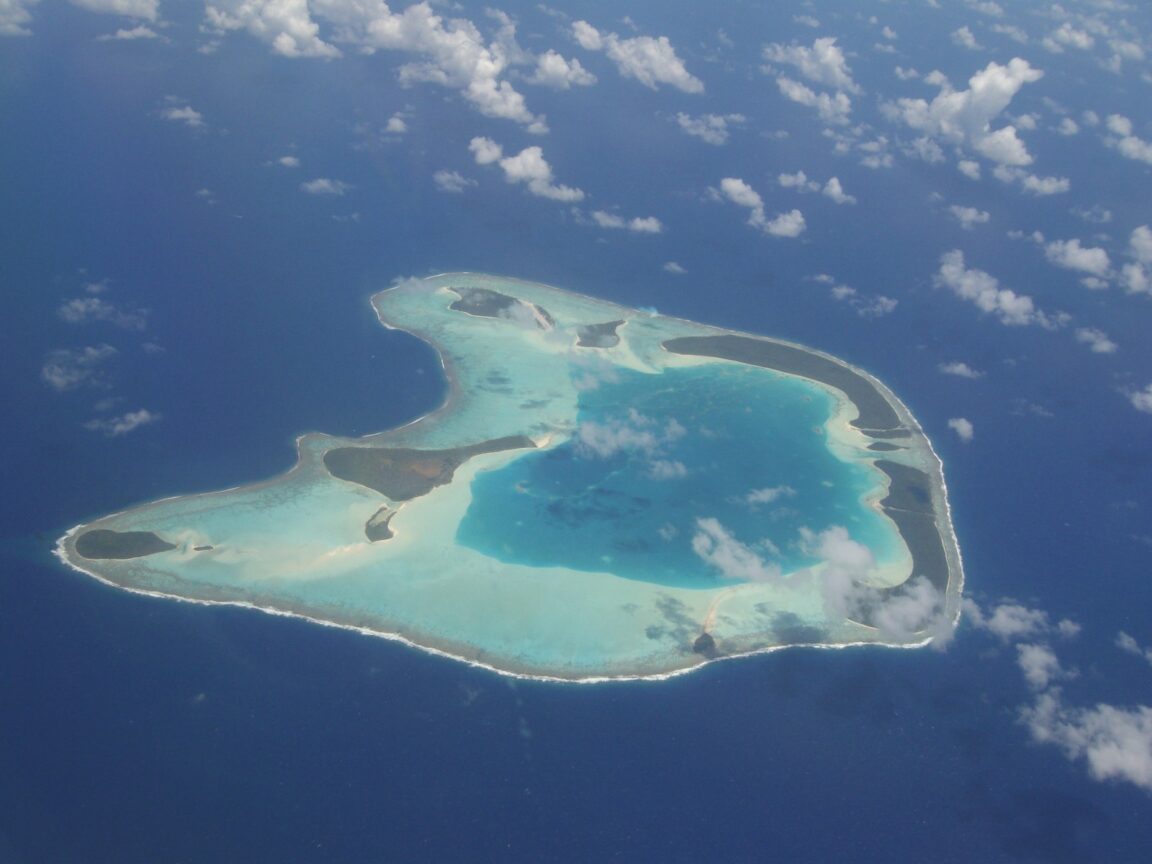
Tetiaroa is a low coral atoll: a ring of about a dozen small islets, called motu, around a wide, shallow lagoon, with no pass deep enough for large boats to enter. It was once a retreat for Tahitian royalty. The actor Marlon Brando first saw it in 1960 while scouting locations for Mutiny on the Bounty, filmed in Tahiti and Moorea, and acquired the atoll in the years after filming, holding it under a long lease arrangement. Brando wanted the atoll protected and imagined a small, sustainable retreat and research centre rather than a conventional resort. After his death in 2004, the Pacific Beachcomber group developed The Brando with the Brando estate, and the resort opened in July 2014 on Onetahi, the motu that also holds the atoll’s airstrip. The rest of Tetiaroa remains essentially undeveloped, with bird sanctuary islets including Tahuna Rahi, where seabirds nest in large numbers. That ratio, one small resort on a whole atoll, is the product being sold, and it is why a stay here feels unlike even other private island resorts. Travellers island hopping in French Polynesia can contrast it with nearby Moorea and Bora Bora in our guide to Bora Bora and Le Moana Resort.
What are the villas like at The Brando?
All 35 villas sit back from the beach in vegetation for privacy, in Polynesian inspired contemporary design that blends indoor and outdoor space: a living room, a media room that can serve as an extra sleeping space in the one bedroom layout, a large bathroom with dual vanities and an outdoor bathtub, a deck with a private plunge pool, and direct access to your own section of white sand. The 22 Turtle Beach villas face the sunset side of Onetahi, while the 13 Mermaid Bay villas face the lagoon side towards the other motu; both coasts are calm and swimmable in normal conditions, and the choice is about view and light rather than quality. One bedroom villas measure 96 square metres, two bedroom villas 168 square metres with a dining room and kitchen space, and the three bedroom villa 246 square metres, with a separate building for the third bedroom. A larger private residence serves groups wanting a house format. Each guest receives a bicycle, and the flat paths around Onetahi make cycling the natural way to reach the spa, restaurants and activity centre. There are no cars for guests, no keys culture and no reason to wear shoes beyond sandals.
How does the sustainability system work?
The Brando was designed to run as close to carbon neutral and energy self sufficient as its engineers could manage, and the systems are substantive rather than decorative. A seawater air conditioning system draws cold deep ocean water to cool the buildings, sharply cutting the energy demand that air conditioning normally imposes in the tropics. Solar generation and a coconut oil powered station have formed part of the energy mix described in resort material, and buildings were constructed to demanding green building standards. Fresh water, waste and reef protection are managed on the atoll because there is no mainland infrastructure to fall back on. Guests see the results as guided programmes rather than machinery tours: naturalist led excursions with the Tetiaroa Society to bird islets, reef and lagoon ecology walks, and visits to the research station where scientists study the atoll’s ecosystems. For travellers who care about the footprint of ultra luxury, this is the benchmark property in the South Pacific, and its model is a large part of why it receives the attention it does.
What is there to do, and what do you eat?
Days are lagoon shaped. Snorkelling in the coral garden, kayaking, paddleboarding, swimming from your villa beach, lagoon excursions by boat to other motu, birdwatching trips, Polynesian cultural activities, stargazing and spa time fill a stay without any need for a schedule. The Varua Te Ora Polynesian Spa occupies its own garden enclave of treatment villas around a lily pond, offering Polynesian inspired treatments, with a tea room, relaxation spaces and a yoga shelter. Dining centres on the Beachcomber Cafe for relaxed lagoon view meals mixing French and Polynesian influences, Les Mutines for fine dining, and Nami, the teppanyaki counter added to the resort’s line up, plus in villa dining and beach picnics; menus and restaurant opening rotations change, so confirm the current pattern for your dates. Bob’s Bar, named for a friend of Brando from the filming years, and the topside Manu Bar give the resort its two social points at sunset. Because the atoll has no other businesses, everything you do and eat is the resort, which is exactly the bargain guests here are making.
Who does The Brando suit best, and who should choose differently?
The Brando suits privacy seekers at the very top of the market: honeymooners and couples marking a major occasion, families who want children learning reef ecology from naturalists rather than queuing at a water park, and sustainability minded travellers who want their luxury demonstrably engineered for low impact. It suits travellers who are happy to stay in one ecosystem for four to seven nights and let the place reveal itself slowly. It does not suit travellers who measure value in restaurant choice and nightlife, divers whose priority is famous pass diving (the atoll has no pass, and serious drift diving belongs to atolls such as Fakarava or Rangiroa), or anyone made anxious by total dependence on one property and on weather dependent light aircraft. Travellers comparing French Polynesia splurges should also weigh Bora Bora’s lagoon resorts, where Mount Otemanu views and a choice of properties soften the price, against Tetiaroa’s privacy, which Bora Bora cannot match. For a sense of how we judge landmark luxury hotels elsewhere, see our guide to The Plaza Hotel in New York.
How do you get there, and what should you know before booking?
Fly internationally to Faa’a International Airport (PPT) in Papeete, Tahiti, then transfer to the resort’s private departure lounge for the Air Tetiaroa flight to Tetiaroa, about 20 minutes over open ocean with the atoll appearing below as a thin ring of green. Flights operate in daylight, so international arrivals landing late in the day typically require a night in Tahiti before or after the resort stay; build that night into the itinerary rather than treating it as a failure, because Papeete and the Tahiti coast have good hotels and the market and food trucks of the capital are worth an evening. Baggage limits on light aircraft are stricter than on international flights, so pack soft sided and confirm your allowance with the resort. Rates at The Brando are among the highest in French Polynesia and have traditionally been all-inclusive of meals, drinks and many activities, with villa and breakfast rates also offered in recent years; the honest comparison is total trip cost including the Tahiti nights and transfers, checked on thebrando.com for your exact dates. Book well ahead for the drier season from May to October, the most popular window, while the warmer, wetter months bring fewer guests and a lusher, quieter atoll.
Frequently asked questions
How do you get to The Brando?
Only by air. Guests fly from a dedicated lounge at Faa’a International Airport in Papeete, Tahiti, on Air Tetiaroa, the resort’s private air service, for a flight of about 20 minutes to the airstrip on Motu Onetahi. There is no public ferry, and the atoll has no reef pass for straightforward boat access. Flights run in daylight hours, so late international arrivals need a night on Tahiti.
How many villas does The Brando have?
There are 35 villas plus a private residence, according to the resort and Tahiti Tourisme. Twenty two villas line Turtle Beach and 13 line Mermaid Bay on Motu Onetahi. Layouts are one, two and three bedrooms at 96, 168 and 246 square metres, each with a private pool and outdoor bathtub.
Is The Brando all-inclusive?
The resort built its name on an all-inclusive rate covering meals, drinks and many activities, and in recent years it has also offered a villa and breakfast rate for guests who prefer to pay as they go. Inclusions differ by rate and season, so confirm precisely what your quoted rate covers on the official site before comparing prices.
Why is it called The Brando?
Marlon Brando discovered Tetiaroa while working on Mutiny on the Bounty in the early 1960s and acquired the atoll later that decade, intending to protect it and create a small sustainable retreat. The resort, developed with his estate and opened in July 2014, carries his name and continues the research mission through the Tetiaroa Society.
What is the best time of year to visit Tetiaroa?
The drier, slightly cooler season from May to October is the most popular, with lower humidity and reliable lagoon conditions. The November to April season is warmer and wetter, with lusher vegetation and fewer visitors. The atoll is a year round destination; choose by your tolerance for tropical rain rather than by temperature, which varies little.
Can you visit Tetiaroa without staying at The Brando?
Access is tightly controlled because the atoll is private and conservation managed. Licensed excursions from Tahiti have at times offered guided day visits focused on nature and the Tetiaroa Society, with availability that changes; check Tahiti Tourisme for current authorised options. There is no independent public access, camping or walk in visiting.
Facts checked on 9 November 2026 against thebrando.com material as carried by Tahiti Tourisme, the official tourism board for the Islands of Tahiti, and resort information published by Forbes Travel Guide. Rates and inclusions change; verify on the official site before booking.