 Elena Vasquez
The Alentejo is Portugal slowed down: a vast, golden region south of Lisbon where cork oak savanna, whitewashed hilltop villages, marble towns and serious red wine replace the capital’s pace with long lunches and dark skies. Base in Évora, a UNESCO World Heritage city with a Roman temple at its heart, for 2 nights, add a night in Monsaraz above the Alqueva lake, rent a car because the region rewards driving, and go in spring or autumn when the plains are green or golden rather than summer-baked. Five days is the comfortable minimum for a region that covers about a third of mainland Portugal.
Quick Facts: What Defines the Alentejo?
- Where: Southern Portugal, between the Tagus River and the Algarve, east to the Spanish border
- Main base: Évora, UNESCO World Heritage since 1986, around 90 minutes by road from Lisbon
- Landscape: Montado, open pasture dotted with cork oaks and holm oaks, grazed by sheep, cattle and black Iberian pigs
- Famous for: Full-bodied wines, cork, olive oil, black pork, marble towns and the Alqueva Dark Sky Reserve
- Best months: April to June and September to October. July and August bring intense heat inland
- Getting around: A rental car is close to essential outside Évora
- Ideal stay: 4 to 6 days, split between Évora and Monsaraz or a wine estate
- Last updated: November 2026
Why Does the Alentejo Feel So Different from Lisbon and the Algarve?
Scale and emptiness do the work. The Alentejo holds a small population spread across Portugal’s largest region, so drives run for long stretches through montado and wheat plains with a single village on a hill as the only landmark. The montado itself is a managed ecosystem centuries old: cork oaks are stripped of bark by hand on a cycle of roughly nine years, the harvest year marked on the trunk, while holm oak acorns feed the black pigs behind the region’s prized pork. Portugal is the world’s largest cork producer and most of that harvest happens here. Underpinning the culture is cante alentejano, the slow, unaccompanied group singing of farm workers, recognized by UNESCO as intangible heritage. Nothing in the region performs for visitors; travelers slot into a working agricultural landscape, which is exactly its appeal. If you are building the trip around the capital first, our 3 days in Lisbon itinerary pairs naturally with an Alentejo extension.
What Should You See in Évora, the Region’s Capital?
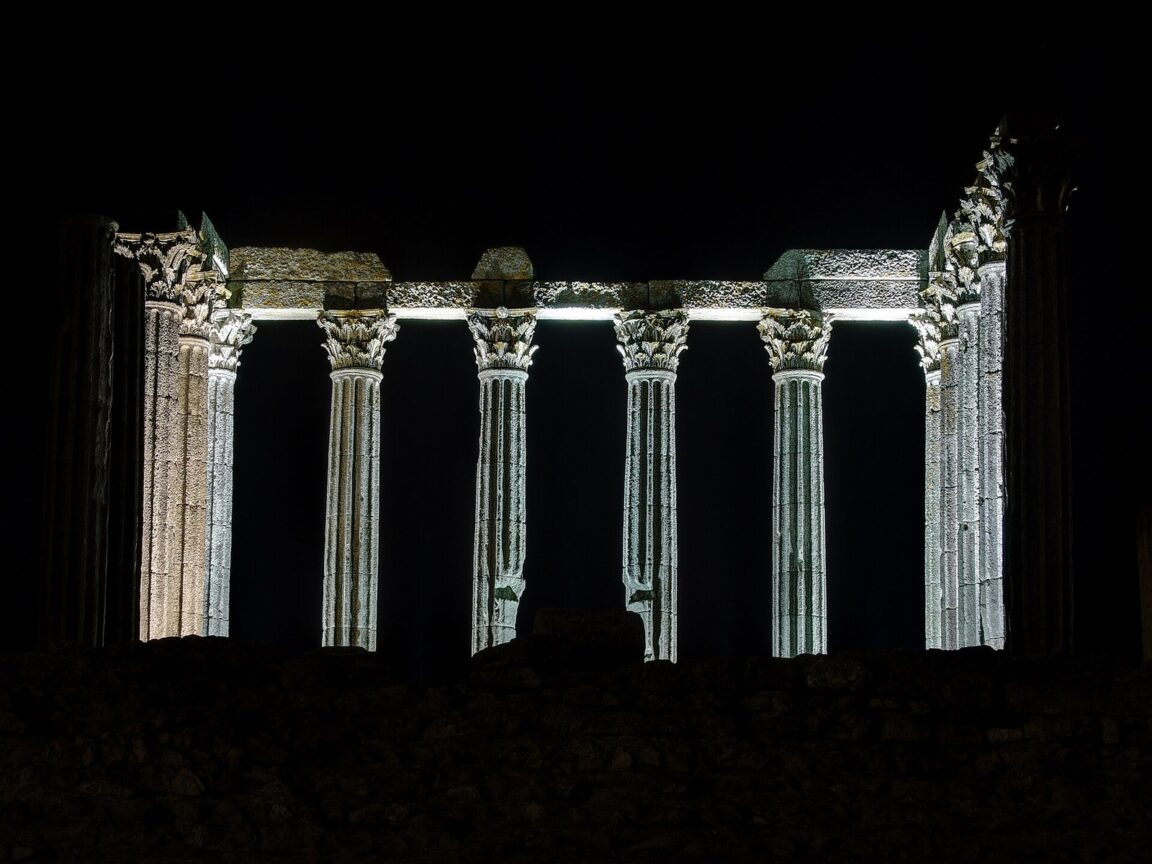
Évora compresses 2,000 years into a walkable walled center. The Roman Temple, its Corinthian columns standing open to the sky, is the emblem, with the cathedral and its rooftop views a few steps away. The Chapel of Bones, lined with the remains of monks as a meditation on mortality, is sobering and unforgettable. The Água da Prata Aqueduct runs into the city with houses built into its arches, and the main square, Praça do Giraldo, anchors cafe life. Just outside town, the Almendres Cromlech arranges dozens of Neolithic standing stones among cork oaks, one of the great megalithic sites of Iberia and an ideal late-afternoon visit. Give Évora a full day for the sights and a second morning for markets, museums and a slow lunch before driving east.
How Do Wine and Food Shape an Alentejo Trip?
Alentejo wine means generous reds from grapes such as Alicante Bouschet, Touriga Nacional and Trincadeira, increasingly joined by fresher whites and a revival of talha winemaking, fermenting in large clay amphorae in a tradition traced to Roman practice. The official Alentejo wine route links estates around Évora, Reguengos de Monsaraz, Estremoz and Vidigueira; book tastings ahead, appoint a driver or stay on an estate, and expect tours that take in vineyards, cork forest and cellars in one visit. On the table, look for porco preto black pork, açorda bread soup with garlic and coriander, migas, lamb stews and sheep cheeses, with olive oil from some of Portugal’s oldest groves. Meals run long and late by design; the correct response is to surrender to the schedule rather than fight it.
Where Else Should You Go: Monsaraz, Estremoz and the Coast?
Monsaraz is the region’s showpiece village: one whitewashed street inside medieval walls on a hill above the Alqueva, one of Europe’s largest artificial lakes, with views into Spain and a castle keep to climb. The surrounding Alqueva area was the first place in the world certified as a Starlight Tourism Destination, and a night here under genuinely dark skies is the memory most travelers take home. Estremoz and Vila Viçosa supply the marble chapter, towns built from local stone with Saturday markets and ducal palaces, while Beja in the south adds Roman roots and the VINIPAX wine fair each autumn. The Alentejo also has a wild Atlantic edge around Vila Nova de Milfontes and the Vicentine Coast trails, an easy coastal coda if you have a sixth day. Travelers who enjoy pairing slow regions should also see how a first visit unfolds in our first time in Paris itinerary for a contrast in pace, then come back to the plains.
When Should You Go to the Alentejo?
Season decides everything in a region of extremes. Spring, from April into June, is the connoisseur’s window: the plains are green, wildflowers cover the montado verges, storks nest on chimneys and temperatures suit both walking and long terrace lunches. September and October bring the grape harvest, warm seas of golden stubble, and evenings cool enough for red wine outdoors. Winter is quiet, mild by northern European standards and excellent value, with the caveat of shorter days and some rural restaurants reducing hours. Summer is the season to design around rather than embrace: sightseeing before ten and after six, a pool or the coast at midday, and never a closed car parked in the sun. Whatever the month, book well ahead for the small stock of rooms in Monsaraz and the best-known wine estates, which fill on Portuguese holiday weekends.
How Do You Plan an Alentejo Route?
Work east from Lisbon in a loop and resist backtracking. Drive to Évora for two nights, taking in the temple, cathedral, chapel and Almendres, then continue east to Estremoz for its Saturday market and marble architecture before an estate tasting in the Reguengos area. Sleep the third night in Monsaraz for sunset over the Alqueva and a dark-sky night, then choose your exit: south to Beja and the lower Alentejo for Roman history and quieter plains, or west to the coast at Vila Nova de Milfontes to finish with Atlantic beaches and cliff walks. Distances look short on the map and feel longer on rural roads, so one base change every two nights is the sustainable rhythm. Fill the gaps the Alentejo way, with bakery stops for pão de rala and sericaia, village cafes, and cellar doors recommended by the last estate you visited.
What Should You Buy and Bring Home from the Alentejo?
The region travels well in a suitcase. Cork, from bags and hats to kitchenware, is light, durable and genuinely local, sold in Évora shops sourced from the montado harvest. Olive oil from heritage groves, vacuum-packed black pork products where customs rules allow, sheep cheese for immediate eating, and sericaia spice mixes all beat generic souvenirs. Wine is the heavyweight choice: estate cellars sell bottles, including talha wines and older vintages, that rarely reach export shelves, so buy at the source and pack with protection. Pottery from São Pedro do Corval, a village of working potters on the Évora to Monsaraz road, is the traditional purchase, painted in the region’s blue and ochre. Buy from makers where you can; in a region this agricultural, the shortest supply chain is usually standing in front of you.
Is the Alentejo Good Value Compared with the Rest of Portugal?
Consistently, yes. Outside Évora’s small premium tier, accommodation, restaurant meals and estate tastings run below Lisbon and Algarve equivalents, and the region’s pleasures, dark skies, empty roads, long lunches, are largely free. The main costs are the rental car and fuel for distances that look modest and drive long.
Frequently Asked Questions About the Alentejo
Can you visit the Alentejo without a car?
Évora is reachable by train and bus from Lisbon and works as a standalone break. The wider region, its villages, estates and standing stones, realistically requires a rental car.
When is the worst time to visit the Alentejo?
High summer. Inland temperatures regularly push sightseeing into early mornings and evenings from July through August. Spring and autumn are far more comfortable.
How many days do you need in the Alentejo?
Four days covers Évora and Monsaraz well. Five to six days add wine estates, marble towns and either Beja or the coast without rushing.
What wine should you try first?
Start with a DOC Alentejo red blend and a talha white if you find one. Estate tastings on the official wine route are the most reliable introduction.
Is Évora a day trip from Lisbon?
It can be, at around 90 minutes each way, but an overnight stay transforms it: the center empties in the evening, restaurants settle in, and nearby Almendres fits at golden hour.