 Elena Vasquez
Borgo Santo Pietro is a 22-room luxury estate hotel on a 300-acre organic farm at Palazzetto, near Chiusdino in the province of Siena, where the kitchens, the cookery school and the spa all run off the same land: vegetables, herbs, cheese, eggs, honey and wine produced on the estate feed its Michelin-starred restaurant Saporium, its trattoria, its cooking classes and its Seed to Skin spa line. It suits food-led travellers who want to stay on a working Tuscan farm without giving up five-star polish. It does not suit travellers who want a town base, a large resort’s facilities, or a low nightly rate. Prices are not quoted here because the estate sells by season and room type; check borgosantopietro.com for current rates and opening dates.
What are the quick facts about Borgo Santo Pietro?
- Location: Localita Palazzetto 110, 53012 Chiusdino (SI), near Siena, Tuscany.
- Estate: 300-acre organic farm with vineyards and 13 acres of manicured gardens, per the official site.
- Rooms: 22 rooms and suites, each individually styled, per the official site.
- Restaurants: Borgo Santo Pietro Saporium and Trattoria Sull’Albero, plus a wine cellar of 1,500 labels.
- Cookery school: The Borgo Cooking School, set among the kitchen gardens, from pasta making to advanced classes.
- Spa: Holistic spa using the estate’s own Seed to Skin natural skincare range.
- Recognition: Three MICHELIN Keys 2025, stated on the official site.
Where is Borgo Santo Pietro, and what is the estate?
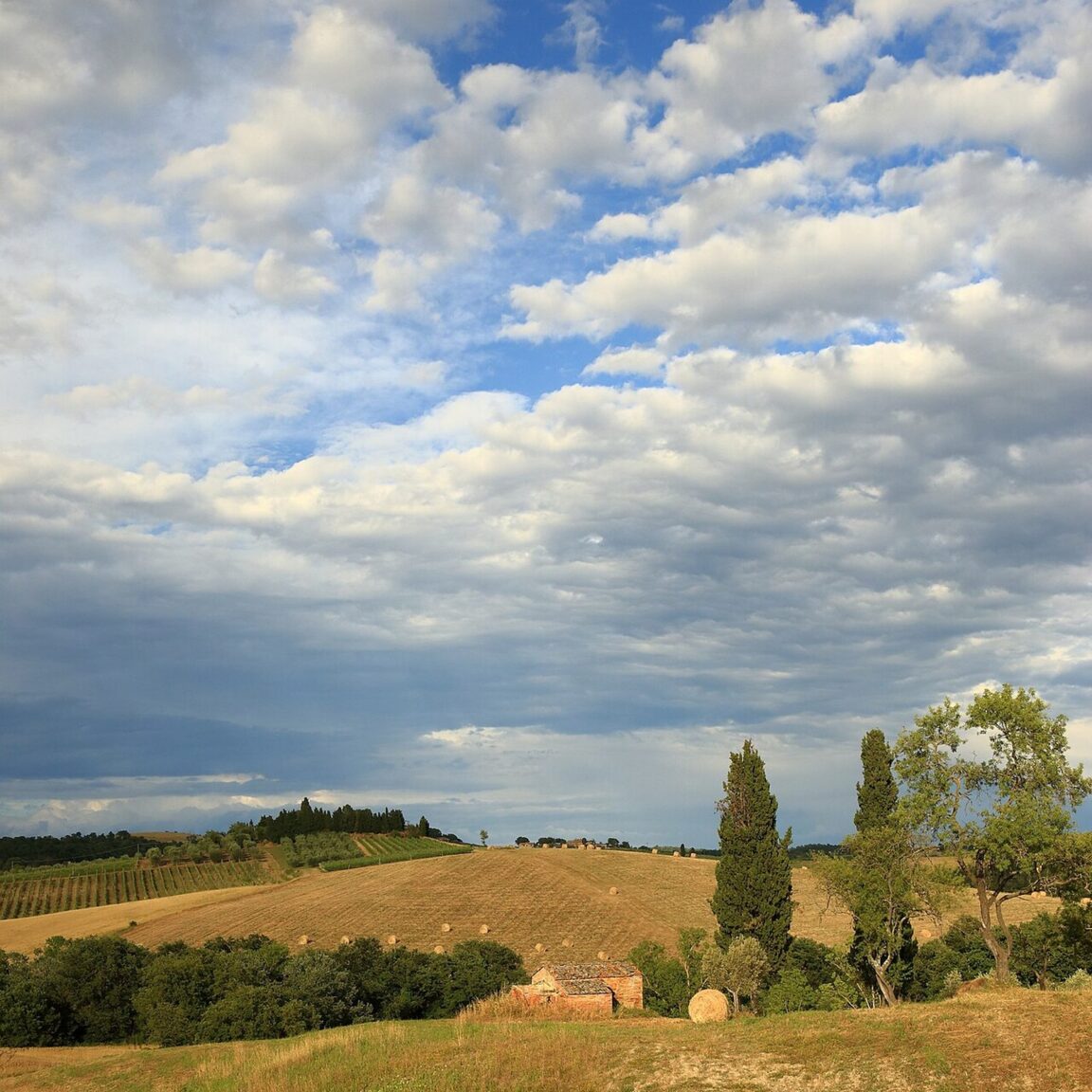
The estate stands in the Val di Merse countryside southwest of Siena, in the commune of Chiusdino, an area of wooded hills, farmland and small medieval villages well off Tuscany’s busiest tourist circuit. The borgo itself began as a healing stopover for medieval pilgrims travelling toward Rome, and after a long restoration it opened as a hotel in 2008, growing from a family home into a working organic estate. That pilgrim history still shapes the pitch: this is a place built around restoration in the literal sense, of land, buildings and guests. Siena is the natural day trip, roughly half an hour to 45 minutes by road depending on your route, and the roofless Abbey of San Galgano, one of Tuscany’s most striking ruins, stands in the same commune. Florence is a longer excursion. Most guests rent a car, because the estate’s rural position, which is the entire point of it, makes public transport impractical for sightseeing.
What are the rooms and suites like?
There are 22 rooms and suites, each individually styled rather than repeated from a template, drawing on the villa’s history with frescoes, antiques and details made by local craftsmen and the estate’s own in-house artisans using traditional techniques. Accommodation spreads between the main villa and garden settings, so the choice is between the historic house atmosphere of the villa rooms and the greener, more private feel of the garden suites. Because the count is small, the estate books out in peak season and specific room types go early; if a particular suite matters to you, book it directly and early rather than assuming availability on arrival. The scale is the experience: with 22 keys on 300 acres, Borgo never feels busy, and the gardens, pool and farm paths are shared with very few people.
How does the farm-to-table model actually work?
Farm to plate is the operating system here, not a marketing line. The estate’s organic farm, culinary and herb gardens and artisan cheese dairy supply the kitchens, and the official site describes the chefs working directly with the estate’s farmers and biodynamic culinary gardeners on what is planted and picked. The flagship restaurant, Borgo Santo Pietro Saporium, is the estate’s innovative farm-to-plate dining room, described by the property as Michelin-starred, serving tasting-led Tuscan cooking built on whatever the gardens and farm are producing. Trattoria Sull’Albero is the relaxed counterweight, built around two oak trees, serving menus of 0km meat, fresh estate cheese and vegetables, free-range eggs and prosciutto sourced from the estate. In summer the estate also runs garden dining formats, including its Orto pop-up in the vegetable garden. The wine cellar holds 1,500 labels from Tuscan and Italian producers, and tastings run in the villa’s cellar with the estate’s sommeliers. The honest summary: you can trace most of a dinner back to a field, garden bed or dairy you walked past that morning, which is a rarer claim in luxury Tuscany than it should be. Food travellers building a wider Italian itinerary may also enjoy our guide to the Alentejo for the same farm-first philosophy in Portugal’s wine country.
What happens at the Borgo Cooking School?
The Borgo Cooking School sits among the productive kitchen gardens, farmland and vineyards, and it is one of the strongest reasons to choose this estate over a conventional luxury hotel. The class list runs from pizza and pasta making with local cooks, including filling your own ravioli with a local mamma, through to advanced gourmet classes with Michelin-starred chefs, plus artisan cheese-making workshops that start from the estate dairy’s own production. Classes are designed for beginners, families and serious cooks alike, and because the ingredients come from the gardens outside the door, a class here doubles as a farm tour: you pick, you cook, you eat. Book classes ahead, especially in high season, since the school serves outside interest as well as guests.
What is the spa and Seed to Skin?
The estate’s holistic spa is built around Seed to Skin, Borgo’s own natural skincare range, made on the estate from its botanicals, which guests in suites receive when booking direct. The concept, seed to skin in the same way the restaurants run farm to plate, ties the spa to the herb gardens: treatments use the estate’s own preparations rather than an outside brand, and the wider wellness offer includes the outdoor pool, garden spaces and the simple therapy of 13 acres of manicured gardens to walk in. It is a garden spa in spirit, calm and botanical, rather than a vast thermal complex; travellers wanting huge indoor water facilities should calibrate expectations accordingly.
Who does Borgo Santo Pietro suit best, and who should skip it?
Borgo suits couples and food travellers who plan days around meals, cooking and gardens; repeat Tuscany visitors who have already done Florence and Siena’s greatest hits and want the rural province itself; and anyone who values a small room count and a working estate over a big resort’s machinery. It is also a natural honeymoon and special-occasion property, and the estate hosts weddings and private dining in settings such as its garden grotto. Skip it if you want to sightsee car-free, since the location demands a vehicle; if you need a kids’ club, entertainment programme or multiple pools; if you are travelling on a mid-range budget, since this is firmly five-star pricing; or if your Tuscany plan is a checklist of cities, in which case a Siena or Florence base serves you better and Borgo works as a two-night rural counterpoint rather than the whole trip. Check the official site for seasonal opening before planning winter dates, as country estates of this type commonly operate seasonally. For another small, design-led European estate stay in a completely different landscape, see our guide to Perivolas Hotel in Santorini.
Frequently asked questions about Borgo Santo Pietro
How many rooms does Borgo Santo Pietro have?
The official site states 22 rooms and suites, each individually styled with bespoke details by local craftsmen and in-house artisans. The small count is central to the estate’s quiet, uncrowded feel across its 300 acres.
What restaurants are at Borgo Santo Pietro?
Two main restaurants: Saporium, the innovative farm-to-plate flagship described by the property as Michelin-starred, and Trattoria Sull’Albero, a relaxed trattoria built around two oak trees serving estate meat, cheese, vegetables, eggs and prosciutto. There is also a wine cellar of 1,500 labels and seasonal garden dining.
Can you take cooking classes at Borgo Santo Pietro?
Yes. The Borgo Cooking School, set among the kitchen gardens and vineyards, offers classes from pizza and pasta making with local cooks to advanced gourmet sessions with Michelin-starred chefs, plus artisan cheese-making workshops. Book ahead in high season.
Where exactly is Borgo Santo Pietro?
At Localita Palazzetto 110 in the commune of Chiusdino, province of Siena, in the Val di Merse countryside near Siena. The Abbey of San Galgano is nearby in the same commune. A rental car is strongly recommended for getting around.
What is Seed to Skin at Borgo Santo Pietro?
Seed to Skin is the estate’s own natural skincare range, produced on site from estate botanicals and used in the holistic spa. Guests booking suites direct receive the range in a limited edition beauty bag, per the official site.
Is Borgo Santo Pietro open all year?
Check the official site for the current season’s opening dates before planning. Tuscan country estates commonly close for part of the winter, and the property publishes its rates and availability by season rather than offering a single year-round calendar.