 Thandiwe Nkosi
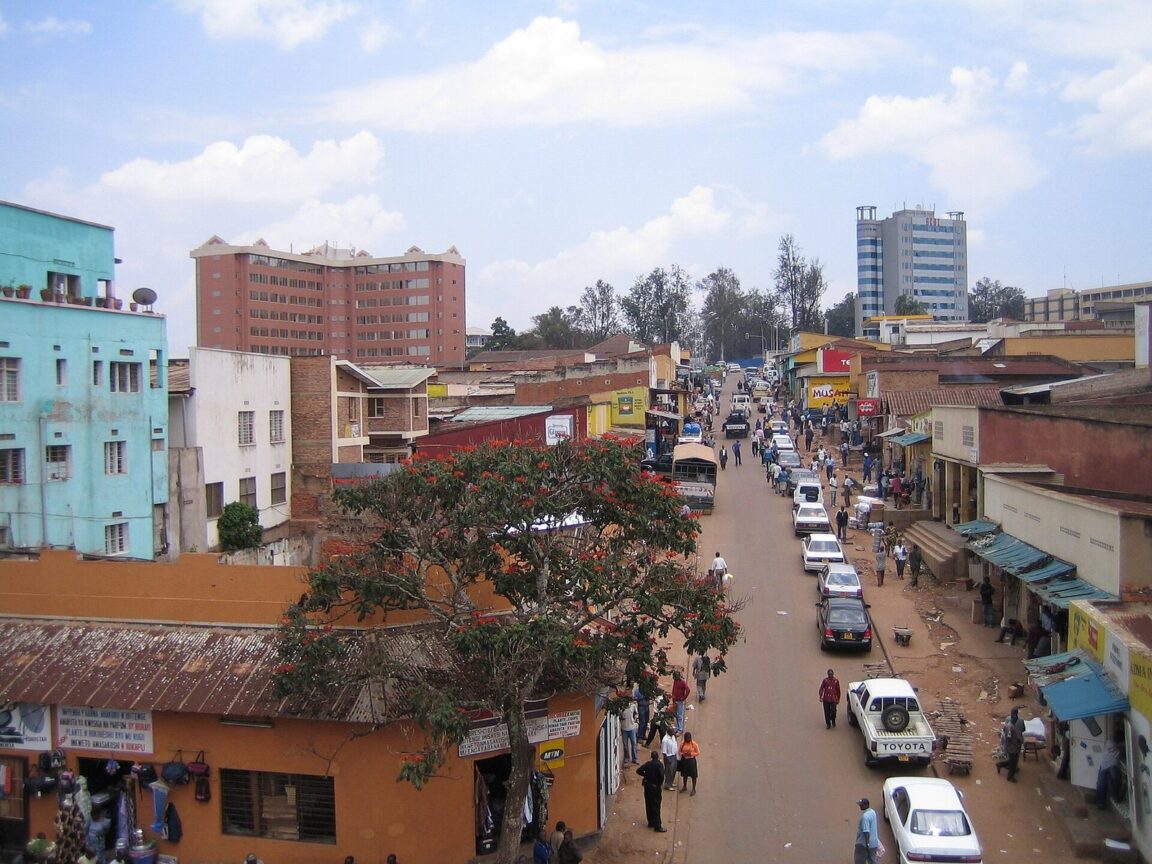
Kigali deserves more than a transit night before a gorilla trek. Rwanda’s capital is a green, orderly, hill-built city with a serious coffee culture, a growing art and design scene, one of Africa’s great markets, and a memorial that every visitor should approach with time and respect. Give Kigali two full days in its own right and it stops being a gateway and becomes the part of the trip people talk about on the way home.
Quick Facts
- Where: Kigali, capital of Rwanda, in the centre of the country
- Essential visit: Kigali Genocide Memorial, Gisozi, open 9am to 5pm daily, last entrance 4pm, entry free
- Packing rule: Plastic bags have been banned in Rwanda since 2008 and are confiscated at entry points
- Monthly rhythm: Umuganda community work on the last Saturday morning of each month; many services pause
- Signature experiences: Coffee tasting, Inema and Niyo art galleries, Kimironko Market, car-free day mornings
- Ideal stay: 2 days in the city, plus day trips or onward travel to the national parks
Why is Kigali called Africa’s cleanest capital?
The description is earned by policy, not luck. Visit Rwanda, the national tourism authority, states the rule plainly: plastic bags have been banned by law since 2008, and any plastic bags in your luggage will be confiscated at the airport or another point of entry. Pack with cloth or reusable bags instead. The second pillar is Umuganda, the community service morning held on the last Saturday of every month, when residents clean and improve their neighbourhoods and much of the city pauses until late morning. Add swept streets, planted medians and enforced litter rules, and the result is a capital that feels calm in a way visitors notice within an hour of landing. Kigali is also a city of hills: neighbourhoods spread across ridges with views in every direction, so walks are beautiful and rarely flat.
How should you visit the Kigali Genocide Memorial respectfully?
The Kigali Genocide Memorial in Gisozi, about ten minutes by car from the centre, is the final resting place of 250,000 victims of the 1994 Genocide against the Tutsi, and its exhibitions explain the history that led there and the country’s recovery since. It is a place of mourning first and a visitor attraction second, and the memorial’s own guidance sets the tone: dress and behave respectfully, do not step on the mass graves, and note that photography is permitted outdoors but never inside the museum.
Practically, the memorial is open 9am to 5pm, seven days a week, with last entrance at 4pm, and entrance is free. On the last Saturday of each month it opens at 1pm because of Umuganda, and it closes on Christmas Day and New Year’s Day, and normally on the morning of 7 April at the start of Kwibuka, the commemoration period. Children under 12 are not permitted. Allow at least an hour and a half, as the memorial recommends, and consider the guided options: an audio-guided visitor package is sold on site, and staff-guided tours, many led by survivors, can be booked in advance. Go in the morning, go quietly, and leave unhurried time afterwards rather than stacking a busy sightseeing schedule on top of it.
Where does Kigali’s coffee scene begin?
Rwanda grows excellent coffee on its hillsides, and Kigali is where to taste it properly. Specialty cafes across neighbourhoods such as Kiyovu and Kimihurura pour Rwandan single origins as espresso, pour-over and cold brew, and cafe culture doubles as the city’s social infrastructure, with laptops, meetings and long conversations over cups that were grown within a few hours’ drive. Dedicated tasting experiences walk visitors through the journey from cherry to cup, including the washed processing Rwanda is known for. Order a Rwandan coffee even if you normally drink imports elsewhere: here, local is the premium choice, and cafes are the easiest, most enjoyable way to support it.
What is happening in Kigali’s art and design scene?
Two names anchor a first art afternoon. Inema Arts Center in Kacyiru, founded by brothers Emmanuel and Innocent Nkurunziza, fills a house and garden with bold contemporary painting and sculpture by resident and visiting artists, and runs community programs alongside exhibitions. Niyo Art Gallery, also in the Kacyiru area, combines gallery space with a cultural centre supporting children through art and music. Around them, a wider scene of fashion studios, craft cooperatives and design shops sells work that is genuinely made in Rwanda, from woven baskets and imigongo geometric art to tailored contemporary clothing. Ask what is on before you go: exhibition openings and cultural evenings are frequent, social and welcoming to visitors.
How do you tackle Kimironko Market?
Kimironko, in the neighbourhood of the same name, is Kigali’s largest covered market and its most sensory hour. Aisles run through produce mountains of avocados, passion fruit and tiny sweet bananas, spice and grain stalls, butchers, household goods, and the famous fabric section, where tailors sew garments to order from bolts of bright kitenge cloth. It is a working market, not a tourist set, so go with small notes, greet traders, ask before photographing people, and bargain gently and in good humour where bargaining is expected. A practical souvenir strategy is to choose fabric early in your trip and collect a finished garment before you leave. Pair the market with a brochette lunch nearby: grilled meat skewers with fried bananas or chips are the city’s democratic feast.
What is Kigali Car-Free Day, and when does the city pause?
On designated Sunday mornings, typically the first and third Sunday of the month, central Kigali closes key roads to vehicles for Car-Free Day, and thousands of residents walk, run, cycle and exercise in the streets. Visitors are welcome to join, and it is one of the easiest ways to feel the city’s civic character at ground level. The monthly pause to plan around is Umuganda, on the last Saturday morning, when transport thins and businesses open late; schedule a slow breakfast, not an early departure, that day. Check current dates locally, since schedules for both can shift around national events.
Is Kigali safe, and how do you get around?
Kigali is widely regarded as one of Africa’s safest capitals for visitors, with well-lit main roads and a visible, orderly street life. Normal city judgement applies: keep valuables discreet, take extra care with belongings in crowded markets, and use registered taxis or app-based rides and licensed motorcycle taxis, always wearing the helmet provided, for cross-town trips after dark. The city is spread across hills, so walking works beautifully within a neighbourhood and poorly between them; plan by cluster. For regional context on entry paperwork, our Kenya eTA guide covers the neighbouring system many travellers combine with Rwanda, and gorilla travellers heading north should read our piece on Sabyinyo Silverback Lodge near Volcanoes National Park.
Which day trips work from Kigali?
Rwanda is compact, and Kigali sits in its centre. The most popular excursions are the gorilla trekking base towns near Volcanoes National Park, roughly two and a half hours by road, where a night before trekking is strongly advisable; Akagera National Park, the Big Five savannah park in the east, works as a long day trip or better as an overnight; and Lake Kivu’s shore towns of Rubavu and Karongi suit a relaxed overnight of swimming, kayaking and lakeside coffee. Within the city, the Nyandungu Eco-Park, a restored wetland with walking trails, makes a gentle half day. Book park permits and guides through official channels, with Visit Rwanda as the starting point, and confirm current gorilla permit pricing there rather than relying on any guidebook figure.
Frequently Asked Questions
How many days do you need in Kigali?
Two full days cover the memorial, a coffee tasting, the art galleries and Kimironko Market at a humane pace. Add a third day for Nyandungu Eco-Park, a car-free morning or a day trip toward Lake Kivu or Akagera.
Is entry to the Kigali Genocide Memorial free?
Yes. Entrance is free, according to the memorial’s official visitor information. Paid options include an audio-guided visitor package and staff-guided tours booked in advance, and donations support the memorial’s work.
Can you bring plastic bags to Rwanda?
No. Plastic bags have been banned by law since 2008 and are confiscated at the airport or other points of entry, per Visit Rwanda. Repack using cloth, paper or reusable bags before you fly.
What is Umuganda, and will it affect a visit?
Umuganda is the national community work morning on the last Saturday of each month. Many services pause until late morning and the Genocide Memorial opens at 1pm that day. Plan a quiet morning and you will barely be inconvenienced.
When is the best time to visit Kigali?
The drier months, roughly June to September and December to February, make walking the hills and day trips easiest. Kigali’s highland climate is mild year-round, and the city itself works in any month with a rain jacket to hand.
Last updated November 2026. Memorial hours, entry and conduct rules checked against the Kigali Genocide Memorial, and the plastic bag ban against Visit Rwanda, on the day of publication.