 Rafael Santos
Three days in Buenos Aires works if you plan by neighbourhood, eat on local time, and put the Sunday fair at the centre of the weekend. This itinerary gives day one to Palermo and Recoleta, day two to the historic south of San Telmo, La Boca and Puerto Madero, and day three to a slower circuit of museums, markets and the steakhouse table you will compare every future steak against. Start each day late by northern standards: this is a city whose dinner hour begins when many capitals are washing up.
Quick Facts
- Where: Buenos Aires, capital of Argentina
- Airport arrival: Ezeiza (EZE) for most international flights; Aeroparque (AEP) for regional and domestic routes
- Getting around: Subte subway, buses and walking; pay with a rechargeable SUBE card from official SUBE points
- Sunday anchor: Feria de San Telmo antiques fair along Calle Defensa, roughly 10am to 5pm
- Cemetery hours: Recoleta Cemetery, tourist visits daily 9am to 5pm; Argentine residents enter free, foreign visitors buy a ticket
- Dinner hour: Restaurants fill from 9pm; steakhouses peak later still
- Ideal base: Palermo for nightlife and parks, Recoleta for classic elegance, San Telmo for history
How do you get oriented before day one?
Buenos Aires is a grid of distinct barrios, and first-timers do best thinking in three zones: the leafy north (Recoleta, Palermo), the historic centre and south (Microcentro, San Telmo, La Boca), and the redeveloped docklands of Puerto Madero. Your transport key is the SUBE card, the rechargeable card used across the Subte, city buses and metropolitan trains. Buy one at an official SUBE point, station or kiosk showing the SUBE sign, load credit before you need it, and locate current points on the official SUBE site at argentina.gob.ar/sube, since fares and card prices change often and no printed figure survives long. The Subte is fastest across town, buses fill the gaps, and the flat, shaded streets reward walking more than almost any big city in the Americas. Keep small cash for markets and tips, and expect to confirm every price again on the day: Argentina’s numbers move.
Day 1: How do Palermo and Recoleta fit into one day?
Start in Recoleta, the city’s most classical barrio, and give the morning to Recoleta Cemetery at Junin 1760. Tourist visits run daily from 9am to 5pm according to the city’s tourism authority; entry is free for Argentine residents and ticketed for foreign visitors, with the current fee confirmed at the official listing before you go, because peso prices are revised frequently. Inside, marble mausoleums line city-like streets, and the grave of Eva Peron draws the steadiest stream of visitors. Go early for quiet lanes, take a map at the gate, and allow an hour rather than rushing between famous names.
From the cemetery, walk to the Museo Nacional de Bellas Artes nearby for Argentina’s strongest public art collection, then drift into Palermo as the afternoon opens up. Palermo is really several neighbourhoods in one: the parks and rose garden of Palermo Bosques for green space and people-watching, Palermo Soho for boutiques, cafes and courtyard bars around Plaza Serrano, and Palermo Hollywood for restaurants and studios. Graze rather than lunch formally: empanadas standing up, a cortado in a corner cafe, an ice cream from one of the city’s beloved heladerias. Save your appetite and your evening for the circuit below, because day one ends, as most Buenos Aires days should, at a parrilla.
What is the steakhouse circuit, and how do you eat on local time?
The parrilla, or grill house, is Buenos Aires’ defining restaurant, and the ritual matters as much as the beef. Kitchens fire up the grill early, but locals sit down from 9pm onwards and a 10pm table is unremarkable, so plan a late afternoon merienda of coffee and medialunas to bridge the gap. A classic order runs: provoleta, grilled provolone with oregano, to start; a shared bife de chorizo or ojo de bife cooked jugoso or a punto, which map roughly to rare and medium; papas fritas or a simple salad; and a bottle of Malbec, the pour the whole cuisine was built around. Chimmichurri comes in mild and spicy versions, and both belong on the table. Portions are generous, sharing is normal, and the best strategy across three days is variety: one old-school neighbourhood parrilla, one polished Palermo address, and one blowout. For a wider South American food frame, our Lima food guide pairs naturally with this trip, and travellers continuing south should read our Patagonia packing guide before the weather changes their wardrobe entirely.
Day 2: What does the historic south hold?
If your three days include a Sunday, and they should, day two belongs to San Telmo. The Feria de San Telmo, the city’s great antiques and crafts fair, takes over Calle Defensa every Sunday, running roughly 10am to 5pm from Plaza Dorrego towards Plaza de Mayo, with hundreds of stalls selling silver, vintage soda siphons, leather, records and curios, and tango dancers performing in the street. Confirm the day’s arrangements through the city’s tourism channels at turismo.buenosaires.gob.ar before you go. Build the morning around it: coffee near Plaza Dorrego, a slow walk north up Defensa, and a detour into the covered Mercado de San Telmo, the 1897 market hall on Defensa at Carlos Calvo, for choripan, empanadas and produce stalls under iron and glass. San Telmo’s cobbled side streets, antique shops and old conventillos reward wandering in every direction, and the neighbourhood’s bars pour vermouth the way their grandparents did.
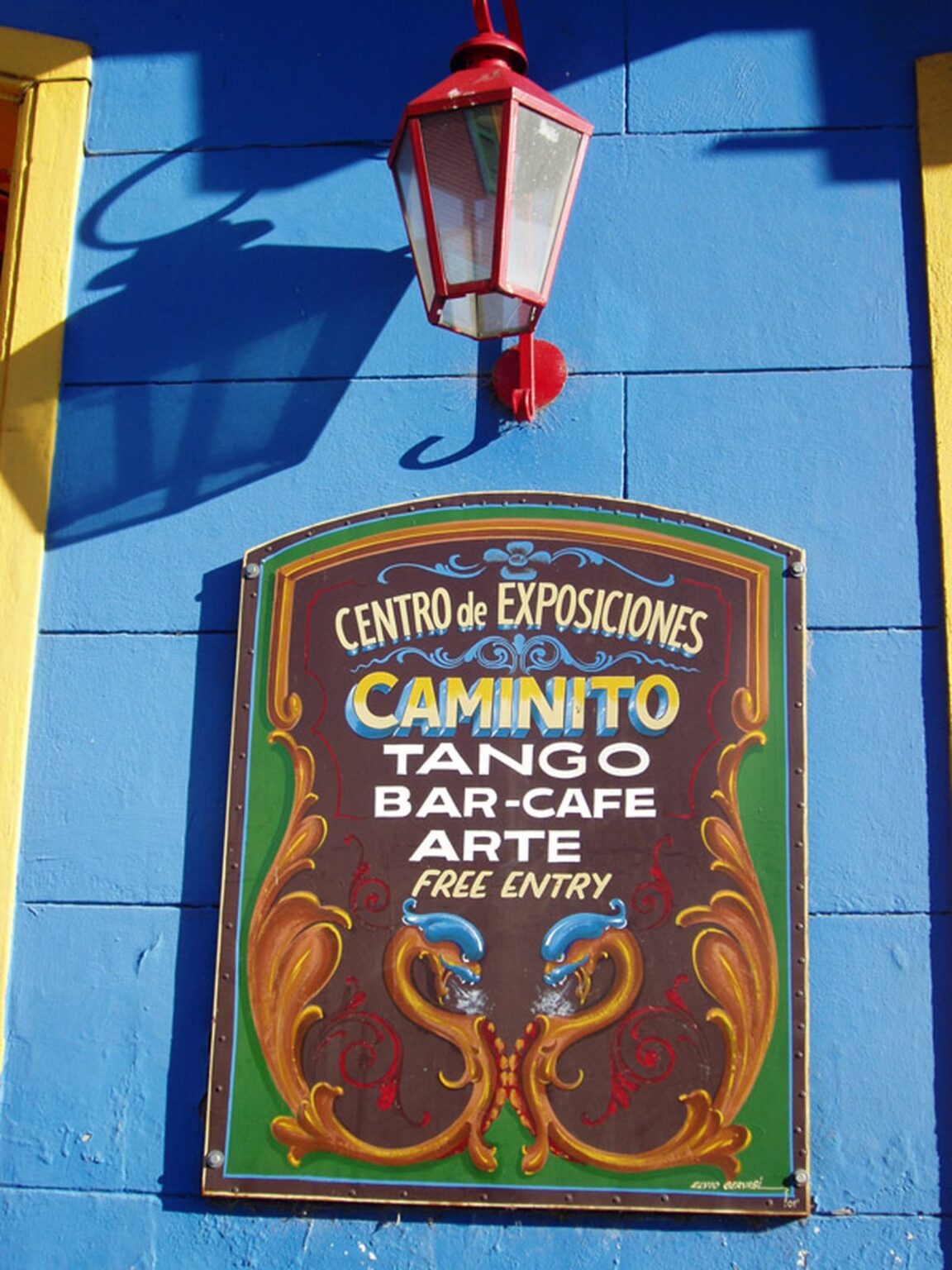
In the afternoon, continue south to La Boca, the port barrio of painted corrugated houses along Caminito, the short, vivid open-air museum street that has become the city’s most photographed corner. La Boca is best in daylight and best kept to its well-trodden core around Caminito and the stadium district; take a taxi or bus in and out rather than drifting into unfamiliar side streets, and combine it with the Fundacion Proa contemporary art space on the waterfront if an exhibition catches you. Close the day in Puerto Madero, the converted docklands across the water: walk the old warehouses and the Puente de la Mujer bridge at golden hour, then choose between the reserve-side calm of the Costanera Sur ecological reserve paths earlier in the day and a dockside dinner to finish.
Day 3: How do you spend a slower final day?
Day three is for depth and leftovers. Return to whichever barrio seduced you, then fill the gaps: the MALBA museum in Palermo for Latin American art, the Teatro Colon in the centre for a guided visit to one of the world’s great opera houses (book through its official box office and confirm tour times on the day), and the bookshop in the converted Grand Splendid theatre on Avenida Santa Fe, where coffee is served on the old stage. Shoppers should hunt leather in Villa Crespo’s outlet streets and design pieces in Palermo Soho, while football travellers can check the museum and stadium tour options at La Bombonera in La Boca, booked officially and timed outside matchday chaos. End with your blowout parrilla dinner, a late ice cream, and a final walk: Buenos Aires after midnight, lit, loud and unbothered, is the version of the city residents love most.
Where should you stay for three days?
Choose Palermo Soho or the Palermo parks edge if you want cafes at the door, the city’s best restaurant density and green morning runs, and you accept a Subte ride to the historic south. Choose Recoleta for grand hotels, quiet streets and the cemetery and fine arts museum on foot, with an older, more formal feel. Choose San Telmo for boutique hotels in converted mansions, Sunday on your doorstep and the most atmospheric evenings, with slightly rougher edges and longer trips north. All three are well served by the Subte and buses, and for three days location beats facilities every time.
Which mistakes do first-timers keep making?
Four recur. Eating at 7pm in empty restaurants and concluding the food scene is overrated, when the city simply had not started yet. Trying to walk everywhere between distant barrios in summer heat instead of mixing Subte, bus and taxi hops. Visiting La Boca after dark or wandering far from Caminito, when the barrio rewards a daylight, core-focused visit. And treating prices, fares and fees from any guide, including this one, as fixed: in Argentina you verify numbers on official channels close to the day, carry payment options, and build slack into the budget. A fifth, gentler mistake is skipping the south entirely for Palermo’s polish; the city’s soul lives in San Telmo’s cobbles. Travellers extending into the northwest can use our Arequipa guide for a sense of how the region’s colonial cities differ.
Frequently Asked Questions
Is three days enough for Buenos Aires?
Three days covers the essential barrios, the Sunday fair if you time it right, Recoleta Cemetery and several serious meals. Five days adds depth: a Tigre delta trip, more museums and a second, slower pass at the neighbourhoods you liked most.
What day is the San Telmo fair?
Sundays. The Feria de San Telmo runs along Calle Defensa around Plaza Dorrego, roughly 10am to 5pm. The covered Mercado de San Telmo nearby is a separate, permanent food market open through the week.
Do you need a SUBE card?
A SUBE card is the standard way to pay on the Subte, buses and metropolitan trains, and the simplest option for a three-day visit. Buy and load it at official SUBE points and stations, and check current fares on the official SUBE site, since prices change often.
How much does Recoleta Cemetery cost?
Argentine residents enter free and foreign visitors buy a ticket, with tourist hours daily from 9am to 5pm. The peso fee is revised regularly, so confirm the current amount on the City of Buenos Aires tourism listing before visiting rather than trusting any printed price.
When do people eat dinner in Buenos Aires?
Late. Restaurants begin filling around 9pm and steakhouses peak later. Plan a late afternoon snack, book popular parrillas ahead for weekend nights, and embrace the local clock rather than fighting it.
Last updated November 2026. Cemetery hours, the fair day and SUBE arrangements checked against City of Buenos Aires tourism and official SUBE sources on the day of publication; confirm prices before you travel.