 River Callahan
Three days in Queenstown works best as two lake and mountain days built around the town itself, plus one honest decision: Milford Sound earns a day only if you accept what that day really is. From Queenstown, Milford is about 288 kilometres and roughly four hours each way by road, so a coach and cruise day runs 12 to 13 hours door to door, while a fly, cruise, fly trip compresses the same fjord into about half a day at a much higher price and with weather risk. This itinerary puts the lake, the hikes and the town on Days 1 and 2, keeps the Milford call for Day 3 with all three transport options laid out plainly, and leaves you a fallback plan in Queenstown if the fjord weather or your energy says no.
Quick Facts
- Structure: Day 1, Queenstown Bay, the gardens and the gondola. Day 2, a day hike and Arrowtown or Glenorchy. Day 3, the Milford Sound decision, or a second lake day if you decline it
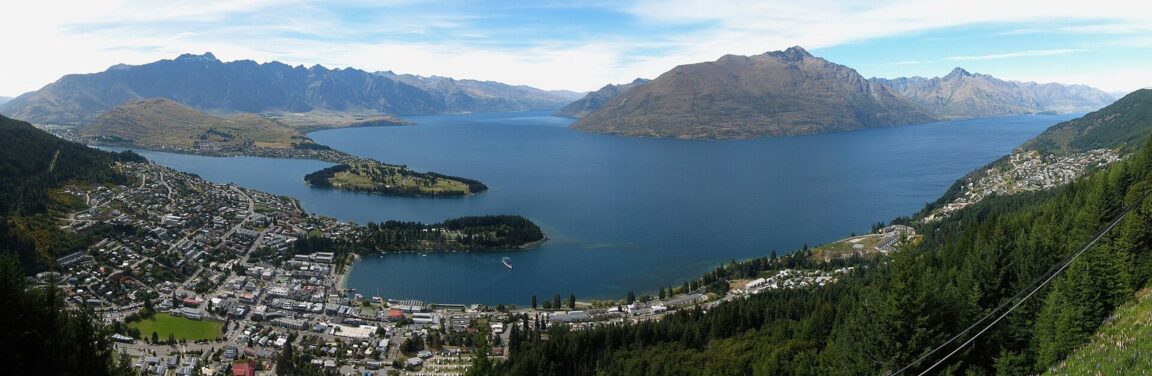
- The lake: Queenstown sits on Queenstown Bay, an inlet of Lake Wakatipu, a long, Z shaped glacial lake framed by The Remarkables, Cecil Peak, Walter Peak, Ben Lomond and Queenstown Hill
- Milford distance: About 288 kilometres each way by road via Te Anau and the Milford Road, State Highway 94, roughly four hours of driving each way without stops
- Milford day length: A coach and cruise day trip from Queenstown typically runs 12 to 13 hours door to door. Fly, cruise, fly options typically run about 4 to 5 hours in total and are weather dependent
- Where to stay: Central Queenstown for walking access to the lakefront, restaurants and tour pickups. Frankton is quieter and handy for the airport, but it is a bus or drive from the evening centre
- Booking note: Milford cruises, scenic flights and popular activities book out in peak season. Reserve the Milford day first, then fit the flexible town days around it
How should the three days be divided?
Queenstown tempts visitors into booking every activity on the first morning, then spending the trip in transit. Resist that. The town itself is small, handsome and walkable, and the lake does most of the work if you give it time. Day 1 belongs to the waterfront, the gardens and the view from above the town, because that orientation makes Days 2 and 3 better. Day 2 is the walking day, on one proper trail rather than three short ones, with Arrowtown or Glenorchy as the gentler alternative. Day 3 is the fjord decision, taken with full knowledge of the hours involved. Hikers building a longer South Island trip around the national trails should read the New Zealand Great Walks booking guide before fixing dates, because track bookings shape everything around them.
Day 1: What should a first day on the lake cover?
The waterfront, the gardens and the beach
Start at the lakefront in the centre of town and walk it slowly. Marine Parade and the town beach give you the classic composition: shingle shore, clear glacial water and The Remarkables standing across the lake. Continue into Queenstown Gardens, the planted peninsula beside the bay, for roses, mature trees, a frisbee golf course and the quietest benches in town, all minutes from the cafes. The gardens loop is flat and easy, which makes it the right first morning walk after a long flight. Paddle, swim or simply sit, but do not rush it. Queenstown is at its best in these unprogrammed hours.
The gondola and Ben Lomond, the view from above
In the afternoon, ride the gondola up to the Skyline complex on Bob’s Peak for the panorama over the bay, the lake arms and the mountain ring. It is the view that explains the geography: Glenorchy at the head of the lake one way, the road to Frankton and the airport the other, and the Remarkables across the water. Walkers with legs and daylight left can continue from the top toward Ben Lomond, but treat the full Ben Lomond summit as a serious half day hike in its own right, with alpine weather, rather than a gondola add on. Luge runs, a cafe and the viewing terraces fill the rest of the afternoon for everyone else. Eat in town in the evening, book the famous burger queue only if the line is short, and keep the night early if Milford is coming.
Day 2: Which day hike, and what is the gentle alternative?
Queenstown Hill or the lake trails
Queenstown Hill, Te Tapu nui, is the ideal Day 2 starter: a well formed climb from the edge of town to a summit viewpoint over the bay and the Remarkables, achievable in a morning by anyone with reasonable fitness. For a longer day, the trails around the lake toward Kelvin Heights and along the Frankton Arm give waterside walking with constant views and easy bail out points, while confident hikers can take on Ben Lomond properly, starting early, carrying layers and water, and turning back without ego if cloud closes over the summit ridge. Weather in this basin changes quickly at altitude even when the lakefront is calm, so the summit decision is made on the day, not the night before.
Arrowtown or Glenorchy for the afternoon
Pair the hike with one, not both, of the classic half day trips. Arrowtown, the preserved gold rush town in the hills northeast of Queenstown, offers a single handsome main street, a small museum, riverside walks and autumn colour that is famous in season. Glenorchy, at the head of Lake Wakatipu, is the wilder choice: the drive alone, hugging the lake shore, is one of the great short scenic roads in the country, and the village is a gateway to the Dart River valley and Paradise country. Either makes a satisfying Day 2 afternoon. Trying to squeeze both into the hours after a summit hike makes neither enjoyable. Travelers continuing across to Australia afterwards will find the same one base, well used logic in the three day Melbourne itinerary.
Day 3: Does Milford Sound earn one of three days?
The honest case for going
Milford Sound, Piopiotahi, is a fjord cut by glaciers and drowned by the sea, walled by peaks that rise straight from the water, with Mitre Peak as its emblem and waterfalls that multiply after rain. On a wet day, which Fiordland supplies generously, temporary falls pour from every cliff and the fjord looks more dramatic, not less. A cruise of roughly one and a half to two hours is the core experience, taking you under the falls and out toward the Tasman Sea. If this is a once in a decade trip to New Zealand, and jagged, rain fed wilderness is what you came for, then yes, Milford earns the day, even at 12 hours. No other single excursion from Queenstown delivers landscape at this scale.
The honest case for skipping it
The cost is a whole day of a three day stay, and most of it is spent on a coach. Eight or more hours of road travel for under two hours on the water is a ratio some travelers love, because the Milford Road itself is spectacular, and some resent by the return leg. If your trip already includes other Fiordland or West Coast time, if you are traveling with small children, or if Day 3 weather grounds flights and closes roads, a second Queenstown day, with the lake, a winery visit in the Gibbston valley or a slower Glenorchy trip, can honestly be the better day. Skipping Milford is not a failure of the trip. It is a trade, and this itinerary is built so the trade stays available.
Coach and cruise, fly options, and driving yourself
Three ways in, in plain terms. First, coach and cruise: an early departure from Queenstown, the road south past the lake and through Te Anau, then the Milford Road through the Eglinton and Hollyford valleys and the Homer Tunnel, a cruise on arrival, and the same road home. It is the most affordable and most reliable option in most weather, and the longest. Second, fly, cruise, fly: a scenic flight of well under an hour each way over the Southern Alps, a cruise, and a flight back, totalling roughly half a day. It is the most expensive pattern and the most weather dependent, since low cloud over the Alps cancels flights, and canceled days are typically rebooked or converted rather than flown later the same day. Third, coach one way and fly back, or the reverse, where offered: a compromise that keeps the great road journey once and halves the road time. Driving yourself is possible but the Department of Conservation advice against treating it as a casual day return is sound: there is no fuel after Te Anau, the road demands full attention, and the driver sees the least of it. Prices for all of these vary strongly by operator and season, so check current fares with operators directly rather than budgeting from any guide figure.
Where should you stay, and what should you book first?
Base centrally for a three day first visit. The lakefront and the streets immediately behind it put restaurants, the gardens, the gondola and tour departures within walking distance, which matters on a 6.30am Milford morning. Book in this order: Milford transport and cruise first, because it anchors Day 3 and sells out, then any must do activity with limited places, then restaurants for the evenings you care about. Leave Day 2 deliberately loose until you see the weather. Pack layers for every day of the trip, including a waterproof shell, because lake, alpine and fjord weather are three different forecasts and you may meet all of them in 72 hours.
Frequently Asked Questions
Is one day really enough for Milford Sound from Queenstown?
It is enough to see the fjord properly from the water, and it is the pattern most visitors use. What one day does not allow is lingering: kayaking, overnight cruising and the walking tracks around Milford need a base in Te Anau or Milford itself. If those appeal strongly, restructure the trip rather than stretching the day trip.
What happens if my Milford flight is canceled?
Weather cancellations are common enough that operators run established systems for them: rebooking to another day, converting to a coach trip, or refunding according to the fare terms. Read those terms before paying, keep Day 3 plans after a morning flight flexible, and never schedule a flight dependent fjord trip on the same day as an onward international departure.
When is the best season for this itinerary?
Summer brings long days, warm lake weather and the busiest crowds. Autumn offers stable weather, golden colour around Arrowtown and quieter trails. Winter is the ski season, with snow on the Remarkables and crisp fjord days between fronts. Spring is changeable but green and less crowded. The Milford call is weather shaped in every season.
Can you swim in Lake Wakatipu?
Yes, at the town beach and around the bays, and locals do all summer. The water is glacial in origin and stays cold even in warm months, so expect a bracing swim rather than a tropical one. Enter gradually, supervise children closely, and treat the lake with the respect any deep, cold alpine lake deserves.
Is Queenstown expensive?
It is one of New Zealand’s pricier towns for accommodation and activities, which is exactly why this plan leans on the free and low cost strengths: the gardens, the lakefront, Queenstown Hill and the Glenorchy road. Choose one or two paid highlights, with Milford as the big ticket decision, rather than buying every activity on the waterfront.
What if it rains for all three days?
Then the trip still works, differently. Milford is arguably better in rain, the lake trails are atmospheric in low cloud, and the town has the cafes, shops and indoor attractions for a slow day. The only plans rain genuinely breaks are summit hikes and scenic flights, which is why both sit in flexible slots in this itinerary rather than fixed ones.