 Jordan Ellis
Three days in Durban divides into one day on the Golden Mile beachfront, one day in the markets and food streets of the Indian Quarter, and one day inland in the Valley of a Thousand Hills, and that order matters. Durban is South Africa’s warm water city on the Indian Ocean in KwaZulu Natal, with a six kilometre beachfront promenade, the country’s defining curry culture shaped by its large Indian community, and green hills rising less than an hour from the sand. This plan bases you on the beachfront, sequences the city by neighbourhood so no day crisscrosses town, and treats the bunny chow not as a novelty snack but as the lunch the second day is built around.
Quick Facts
- Structure: Day 1, the Golden Mile beachfront and uShaka Marine World. Day 2, Victoria Street Market, the Indian Quarter and a bunny chow lunch, then Florida Road in the evening. Day 3, the Valley of a Thousand Hills inland from the city
- The beachfront: The Golden Mile runs for about six kilometres along the Indian Ocean from the uShaka area in the south toward the Umgeni River mouth and Blue Lagoon in the north, with a wide promenade linking swimming beaches and piers
- The water: Durban’s Indian Ocean water is warm year round compared with South Africa’s Atlantic coast, and the main central beaches have shark nets and lifeguards. Swim between the flags and follow local notices on the day
- Signature dish: Bunny chow, a hollowed out quarter or half loaf of white bread filled with curry, created in Durban by the city’s Indian community. Mutton, chicken and sugar bean versions are the classics
- Airport: King Shaka International Airport, code DUR, is north of the city. Allow generous transfer time and use a hotel transfer, a reputable taxi or a ride hailing service
- Where to stay: On or just behind the Golden Mile for beach access and an easy first visit, or in Morningside around Florida Road for restaurants and a more residential feel
How should the three days be divided?
Durban confuses first timers who expect a compact resort town. It is a large working port city with a leisure beachfront attached, and the two sides reward different handling. The beachfront is for early mornings and long promenade walks. The market and food quarter is a daytime district, best before mid afternoon. The inland hills are a full day out, not an add on. Keep those rhythms and the city makes sense quickly. Travelers pairing Durban with the Cape will find the complementary logic in the two day Cape Town itinerary, which sequences a very different South African coast.
Day 1: What should a beachfront day cover?
The Golden Mile, walked end to end
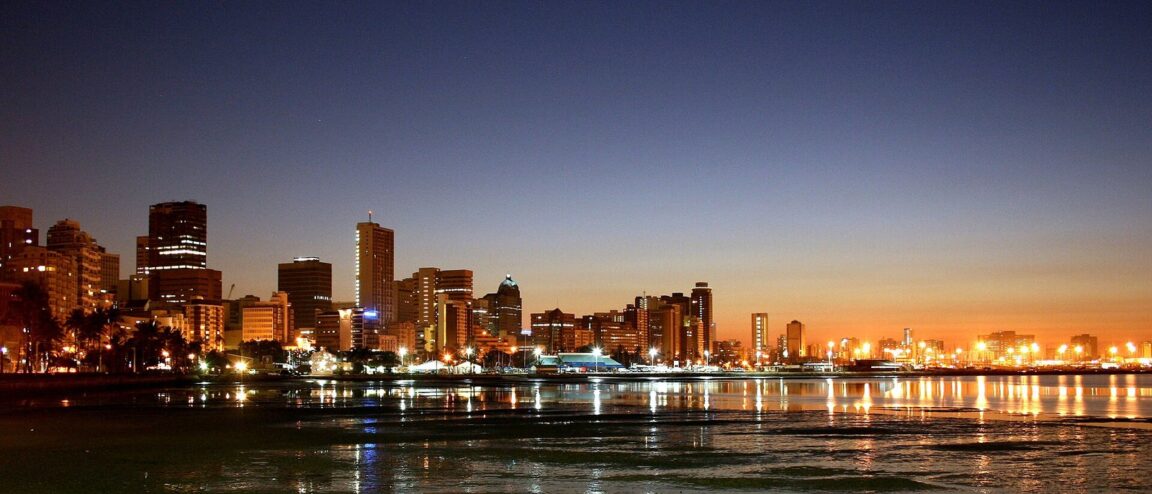
Start early, when Durban is at its best. Surfers are in the water at first light, the promenade fills with walkers, runners and cyclists, and the heat has not yet built. Walk the Golden Mile from the southern end near uShaka north along the piers and swimming beaches toward Blue Lagoon, stopping for coffee and a swim where lifeguards are on duty. The beaches are wide, the sand is golden and the water is genuinely warm, which changes the feel of a beach day for anyone arriving from the cold Atlantic side of the country. Rent a bike for the return leg if the walk out was long, and keep valuables minimal and attended, as on any big city beach.
uShaka Marine World and the afternoon
At the southern end of the beachfront, uShaka Marine World combines a large aquarium built into a replica wrecked ship with a water park beside it. Allow half a day if aquariums appeal or if you are traveling with children, and book the aquarium and the water park as separate decisions, since a hot Day 1 often makes the water park the better buy. By late afternoon, head back up the promenade for the golden hour, when the beachfront earns its name, and eat near the beachfront or up in Morningside. Keep the first night simple: Day 2 starts at a working market, and markets reward early arrivals.
Day 2: How do the markets and the bunny chow fit together?
Victoria Street Market and the Indian Quarter
Durban has one of the largest Indian communities of any city outside India, a heritage that began with indentured workers arriving in the nineteenth century and that now defines the city’s food, trade and festivals. The Victoria Street Market, in the city centre near Grey Street, is its commercial heart: a covered market of spice stalls, textiles, carvings, jewellery and food under one roof, with the famous curry powder blends sold by the scoop. Go in the morning, bargain politely where bargaining is expected, and buy spices near the end of the visit so you are not carrying turmeric through the heat. The surrounding streets add mosques, temples, sweet shops and sari stores, and the Jumma Mosque nearby is among the largest in the southern hemisphere. Treat the quarter as a daytime visit, keep to the busy streets, and use a guide or a food tour if you want the deeper story and the best stalls without guesswork.
The bunny chow decision, taken seriously
Lunch is the day’s main event, and the order matters more than the venue debate around it. A bunny chow is a quarter or half loaf of fresh white bread, hollowed out and filled to the brim with curry, eaten with your hands, using the scooped out bread and the loaf walls to carry the sauce. The leading question is heat, not meat: Durban curries are famously fiery, and ordering beyond your heat level turns a great lunch into an endurance test. Mutton is the classic, chicken is the crowd pleaser, and the sugar bean bunny is a Durban institution in its own right, not a consolation option. Eat it where it is served, while it is hot, with a cold drink within reach, and expect to need the napkins. Follow lunch with something sweet from an Indian sweet shop in the quarter, then take the afternoon slowly: the Durban Botanic Gardens, the oldest botanic gardens in Africa, offer shade, lawns and an orchid house in Berea, a short drive from the centre, and they pair naturally with a market morning.
Florida Road in the evening
Close the day in Morningside, on Florida Road, the city’s best known restaurant and cafe street, set among older houses and jacaranda trees a short drive inland from the beachfront. This is the easy answer to where a first timer should eat and drink at night in Durban: busy pavements, plenty of choice across budgets, and a neighbourhood feel that contrasts well with the beachfront strip. The wine country counterpart to a food led day is covered in the guide to Babylonstoren in Franschhoek, for travelers extending a South Africa trip west.
Day 3: Is the Valley of a Thousand Hills worth the day?
Yes, and it is the day that turns a beach and food break into a KwaZulu Natal trip. The Valley of a Thousand Hills lies inland, roughly 40 kilometres west of the city centre by commonly cited estimates, where the land folds into ridge after green ridge above the Umgeni River. The name is descriptive: hill after hill receding in layers, dotted with settlements, with viewpoints along the old main road corridor through Hillcrest and Botha’s Hill country. A day here typically combines the viewpoints, a cultural village experience with Zulu dancing and storytelling where offered, craft and curio stops, and lunch overlooking the valley. Go with a reputable tour or a hired driver rather than self driving an unfamiliar rural road network, confirm exactly what cultural programme is included before paying, and treat performances and village visits respectfully, asking before photographing people. The contrast is the point of the day: by sunset you are back on the beachfront, having seen the green interior that most Durban beach holidays never leave the promenade to find.
Practical notes: safety, heat and getting around
Durban rewards the standard big city playbook applied without anxiety. Stay on the busy beachfront and promenade areas, treat the market quarter as a daytime district, use ride hailing or reputable taxis after dark rather than walking quiet centre streets, and keep phones and jewellery low key in crowded places. The climate is subtropical: summers are hot and humid with afternoon storms, winters are mild, dry and for many visitors the most comfortable season of all, with warm sea and cooler air. Hydrate seriously on market and hills days, carry sun protection for the beachfront even in winter, and build the midday hours around shade, water or an aquarium rather than the exposed promenade. Moses Mabhida Stadium, beside the beachfront’s northern end, is the landmark to orient by, and its SkyCar and stadium tours can fill a spare afternoon hour if the beach weather turns.
Frequently Asked Questions
How many days does Durban need?
Three days covers the beachfront, the market and food quarter, and the Valley of a Thousand Hills without rushing, which is the complete first visit. Add a fourth day if you want a second beach day, a fuller uShaka day with children, or a trip north to the Umhlanga coast.
What exactly is a bunny chow, and how hot should you order it?
A hollowed out quarter or half loaf of white bread filled with curry, eaten by hand. It was created in Durban by the Indian community and is the city’s signature dish. Order a heat level below the one you think you want on a first attempt, choose mutton for the classic, chicken for a milder base or sugar bean for the beloved vegetarian version, and eat it fresh at the counter or table.
Is the sea safe to swim in?
The central Golden Mile beaches are netted and lifeguarded, and Durban’s warm water is a major draw. Swim at lifeguarded beaches, between the flags, and follow the day’s local notices about conditions, jellyfish or water quality closures, which are posted and should always win over any plan made in advance.
Should you self drive to the Valley of a Thousand Hills?
Most first timers are better served by a tour or a hired driver. The day involves rural roads, scattered stops and cultural visits that run more smoothly with a local guide, and it leaves everyone free to watch the hills instead of the navigation. If you do drive, go in daylight, plan the route in advance and confirm stop arrangements before setting out.
When is the best time to visit Durban?
The autumn and winter months, roughly April to September, bring the most comfortable combination: warm sea, lower humidity, less rain and mild days. Summer is the liveliest beach season and the hottest and most humid, with festive crowds in December. The beachfront works year round, so choose by your tolerance for heat.
What should you buy at Victoria Street Market?
Durban curry powder and masala blends are the signature buy, along with spices, incense, textiles, beadwork and carvings. Buy spices from busy stalls with high turnover, agree prices clearly before goods are packed, and check your home country’s food import rules before loading a suitcase with loose blends.