 LeVar Thomas
With two days in Cape Town, put Table Mountain first on the clearest morning, pairing it with Bo-Kaap, the Company Garden and the V and A Waterfront on day one, then drive the full peninsula loop on day two through Camps Bay, Hout Bay and Chapmans Peak to Cape Point and the penguins at Boulders Beach, returning via Kalk Bay and Muizenberg. Book cableway tickets online in advance, check the cableway weather status before you set out, and keep the two days interchangeable: if the mountain is closed by wind on day one, swap the days and drive the peninsula first.
Quick Facts
- Best bases for two days: The V and A Waterfront for ease and evening dining, Sea Point for the promenade and good value, and Gardens for a central, leafy base under the mountain.
- Table Mountain Aerial Cableway: Weather dependent and closed in high wind. Buy tickets online in advance through the official site at tablemountain.net, check the live operating status, wind and queue times on the morning of your visit, and go early. Online tickets carry validity beyond the booked day, which is your built in weather hedge.
- Chapmans Peak Drive: A toll road between Hout Bay and Noordhoek. The published standard tariff for a light vehicle was R68 on the operator schedule checked for this guide. The road can close in severe weather, so check its status before the peninsula day.
- Cape Point and Boulders Beach: Both sit inside Table Mountain National Park and charge separate SANParks daily conservation fees, with rates tiered for South African, SADC and international visitors and revised each 1 November. Both gates are cash free: cards only, and Cape Point takes one payment per vehicle.
- Weather rule: The south easter wind, known locally as the Cape Doctor, can close the cableway and put a cloud layer, the tablecloth, over the summit even on a fine city day. Flexibility beats a fixed plan.
- Prices checked: Toll and fee information in this guide was checked in November 2026 against the cableway, Chapmans Peak Drive and SANParks sources. Last updated November 2026.
Where should you stay for two days in Cape Town?
With only two days, stay central and save the self catering suburbs for a longer trip. The V and A Waterfront is the simplest base: a working harbour turned shopping and dining precinct, with hotels at every level, the Robben Island ferry departure point, restaurants you can walk to at night and an easy drive or ride to the cableway lower station. It is the least residential feeling of the three, and the most convenient. Sea Point, along the Atlantic Seaboard just west of the centre, offers the best balance for many visitors: a long seafront promenade for morning walks and sunset, a main road full of cafes and delis, and a short drive to Camps Bay, Clifton and the city centre. Gardens, on the upper edge of the centre under Table Mountain and Lions Head, is the leafy, local choice, with boutique hotels and guesthouses around Kloof Street, quick access to the Company Garden and museums, and the cableway road starting nearby. All three work; choose the Waterfront for zero friction, Sea Point for evenings by the sea, and Gardens for character. A longer South Africa trip can build out from here: our earlier guide to a South Africa tour and safari shows how Cape Town pairs with the Winelands and a game reserve when you have a week or more.
Day 1: Table Mountain, Bo-Kaap and the city bowl
Table Mountain first, while the weather holds
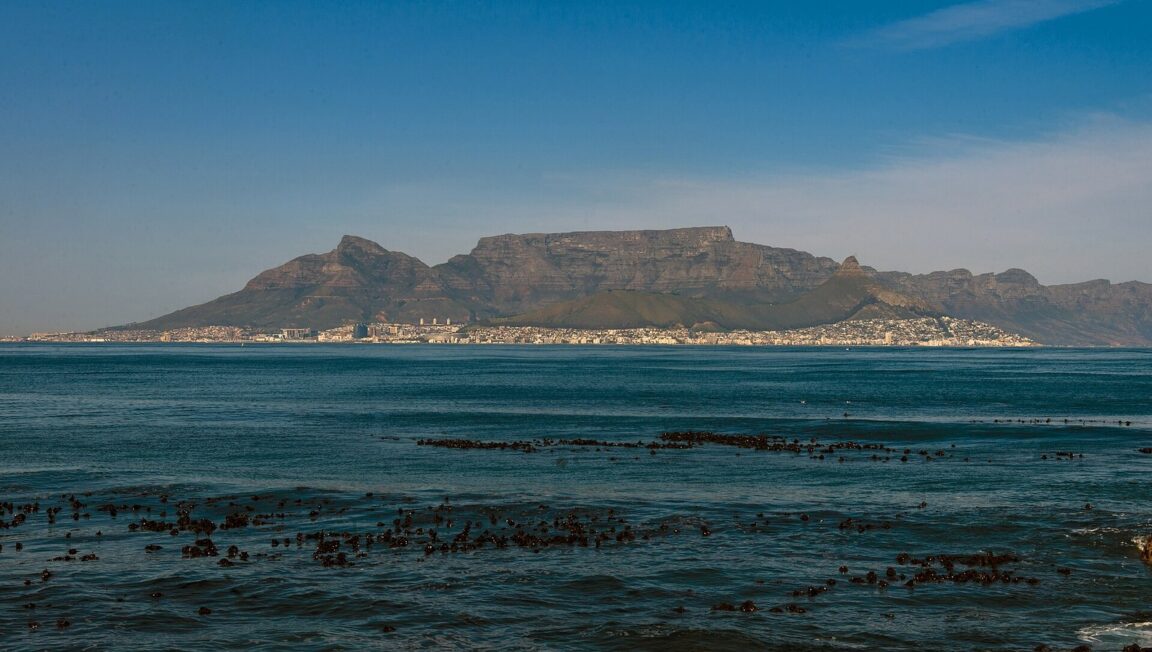
Check the cableway status on tablemountain.net before breakfast: the site posts whether the cableway is operating, the wind and visibility at the top and the waiting times at each station. If it is running and the summit is clear, go straight there. The rotating cable cars climb from the lower station on Tafelberg Road to the upper station in about five minutes, and early arrivals avoid the longest queues. Buy tickets online in advance rather than at the ticket office, arrive before the mid morning build up, and carry a warm layer: the summit is exposed and noticeably colder and windier than the city below, even in summer. On top, walk the short plateau paths in both directions, east towards Devils Peak and the view over the city bowl and harbour, and west towards Lions Head, Camps Bay and the Twelve Apostles ridge. Allow at least ninety minutes on the summit. If the cableway is closed for wind, do not wait at the station hoping: swap to the peninsula plan for today and try the mountain tomorrow.
Bo-Kaap and the Company Garden in the afternoon
Come down into the city bowl for the afternoon. Bo-Kaap, on the lower slopes of Signal Hill above Wale Street, is the historic Cape Malay quarter of brightly painted houses and steep, narrow streets. Walk it respectfully: these are homes, not a film set, so photograph the streets rather than doorways and people, and visit the small Bo-Kaap Museum on Wale Street for the history of the community, Islam at the Cape and the quarter’s place in the city’s story. From Bo-Kaap, walk down to the Company Garden, the green heart of the centre first planted in the 1650s to supply Dutch East India Company ships. Government Avenue runs its length under old oaks, past the Iziko South African Museum and the South African National Gallery at its edges. Entry to the garden itself is free, and an hour here, with coffee and the resident squirrels, is the calm centre of a busy first day.
Evening at the V and A Waterfront
End the day at the V and A Waterfront as the light fades over Table Bay. The precinct mixes a working harbour, with fishing boats and harbour tours, with shops, the Zeitz Museum of Contemporary Art Africa in the old grain silo, and a wide spread of restaurants facing the water and the mountain. It is the easiest place in the city for a first night dinner without a reservation strategy, and the walk back or short ride to Waterfront and Sea Point hotels is straightforward. Keep the evening early if the peninsula drive is tomorrow: it is a full day on the road.
Day 2: the peninsula loop, Camps Bay to Cape Point
Start by 8:00 am and drive the loop in this order, which keeps the best light and the penguins ahead of the worst tour bus build up. Head west from the centre through Sea Point and Clifton to Camps Bay, the palm lined beach suburb under the Twelve Apostles, for coffee and a short beach stop. Continue south to Hout Bay, a working fishing harbour town where local boats run to the seal colony at Duiker Island in calm weather. From Hout Bay the road becomes Chapmans Peak Drive, the cliff cut toll road to Noordhoek with viewpoint pull offs over Hout Bay and the Atlantic. It is a toll road, with the standard light vehicle tariff listed at R68 on the operator schedule checked for this guide, payable at the plaza, and it can close in high wind or heavy rain, in which case the alternative route runs inland via Ou Kaapse Weg.
From Noordhoek, cross the peninsula at its base and continue south into the Cape of Good Hope section of Table Mountain National Park for Cape Point. SANParks charges a per person daily conservation fee at the gate, tiered by visitor category and revised each November, and the gate is cash free with one payment per vehicle, so have a card ready. Inside, walk or ride the funicular up to the old lighthouse viewpoint for the cliffs and the meeting of currents offshore, and stop at the Cape of Good Hope sign and viewpoint on the western shore. Watch for baboons around cars and picnic spots: keep doors closed, never feed them and keep food out of sight. Allow two to three hours inside this section, including the drive in and out.
Exit north up the eastern, False Bay side to Boulders Beach at Simons Town, the second SANParks pay point of the day, with its own daily conservation fee, also card only. A resident colony of African penguins breeds among the granite boulders here, and wooden boardwalks at Foxy Beach give close, low impact viewing of birds on the sand and in the scrub, while the neighbouring swimming beach lets you sit on the sand as penguins move between the rocks. Late afternoon light is kind here, and the crowds thin. Finish the loop through Kalk Bay, a small harbour village of fish restaurants, tidal pools and independent shops that rewards an early dinner, and Muizenberg, known for its colourful beach huts and a gentle surf break, before the highway run back to the city. It is a long day, roughly a full loop with stops, so share the driving if you can and keep water in the car.
How do the two days swap around Table Mountain weather?
Treat the itinerary as two interchangeable blocks, not a fixed order. The cableway closes in strong wind, and the summit can sit under its cloud tablecloth while the peninsula is in full sun, or the reverse. Check the cableway status and the mountain webcams each morning and put Table Mountain on whichever morning is calmer and clearer. The south easter, the Cape Doctor, blows most often in summer and can run for days, clearing the city’s air while it shuts the cableway: the local name is affectionate, and the closure is still absolute. If both mornings fail, the honest fallback is to walk the city bowl sights, add the Kirstenbosch National Botanical Garden on the mountain’s eastern slopes, which stays rewarding in wind, and accept the summit as a reason to return, rather than spending a morning in a stationary queue. The same build in flexibility the day before you need it is what makes our 2 days in Marrakech itinerary work, for the same reason: one weather and crowd sensitive headline sight, held loosely.
Is Cape Town safe, and what should first timers do in practice?
Cape Town rewards the same practical awareness as any large city, applied consistently. Stay on lit, busy streets at night, walk the city bowl and the Sea Point promenade freely by day, and take a registered taxi or ride hailing car rather than a long walk after dark. Keep phones and cameras off cafe tables at the street edge, carry bags closed and across the body in crowds, and do not leave anything visible in a parked car, including at beach and viewpoint parking. At ATMs, decline help from strangers. On Table Mountain, hike only on established paths, in a group, with water and a charged phone, and turn back if the weather closes in: visitors who treat the mountain as a city park are the ones who need rescue. The peninsula drive is safe and well travelled by day; start early enough to finish it in daylight. None of this should overshadow the trip: millions of visitors complete exactly this two day route each year without incident, and the guidance above is about habits, not alarm.
Frequently asked questions
Can you really see Cape Town in two days?
You can see its essentials well: Table Mountain, the city bowl and one full peninsula loop fit two full days without rushing, as this plan shows. What two days cannot include is Robben Island, which needs its own half day and advance ferry booking, the Winelands, or a township tour done properly. Treat those as a third day or a return trip.
Do I need to book Table Mountain cableway tickets in advance?
Yes. Buy online through the official cableway site before you go: it saves the ticket office queue, and online tickets remain usable beyond the chosen day, which protects you if wind closes the cableway. Still check the live operating status on the morning itself, because no ticket overrides a weather closure.
How much are the fees on the peninsula day?
Budget for three separate payments: the Chapmans Peak Drive toll for your vehicle, listed at R68 for a light vehicle on the operator schedule checked for this guide, plus a SANParks daily conservation fee per person at Cape Point and another per person at Boulders Beach. SANParks fees are tiered for South African, SADC and international visitors and change each 1 November, and both park gates are card only, so check the current SANParks rate card before you travel.
What if the cableway is closed for both days?
Swap in the lower mountain and garden sights: Kirstenbosch on the eastern slopes, Signal Hill for the view at sunset, and the city bowl museums. Hiking up is an option only for fit, prepared walkers in a group with settled weather. A closed cableway in a Cape Doctor wind is common in summer and is not a planning failure.
Should I drive the peninsula myself or take a tour?
Self driving gives you control of the order, the photo stops and an early start, and the route is a single loop with clear signage. A guided tour removes the driving and the parking decisions and adds commentary, at the cost of fixed stop lengths. For confident drivers, self driving is the better two day fit; for a single traveller short on time, a small group tour is a sound alternative.
When is the best time of year for these two days?
Late spring to early autumn, roughly November to April, brings the warmest and driest weather for the peninsula and the beaches, with the strongest Cape Doctor winds in mid summer. Winter, June to August, is cooler and wetter but greener, quieter and often calm between fronts, which can mean excellent mountain days. This two day structure works year round if you keep the days interchangeable.
Facts checked on 9 November 2026 against Table Mountain Aerial Cableway, Chapmans Peak Drive, SANParks Table Mountain National Park and City of Cape Town sources. Fees and hours can change; recheck official sources on the day. Prices checked November 2026.