 Jordan Ellis
A first trip to San Francisco works best in three geographic days: Day 1 on the northern waterfront, with Alcatraz, Fisherman’s Wharf and the Embarcadero, Day 2 at the Golden Gate Bridge and the Presidio, finishing in the neighbourhoods around the bridge, and Day 3 inland, through Golden Gate Park, the Painted Ladies and the Mission and Castro. Book Alcatraz before anything else, because its ferry tickets sell out, buy a Muni Visitor Passport if you plan to ride cable cars more than once, and dress in layers every single day, because the city’s fog and hills set the terms. This itinerary gives the order, the verified prices and the mistakes to avoid, with fares checked in November 2026.
What are the quick facts for a first trip to San Francisco?
- Book first: Alcatraz. The Day Tour costs $47.95 for adults, $45.15 for seniors 62 and over and $29.15 for children 5 to 11, sold only by Alcatraz City Cruises from Pier 33, up to 90 days ahead.
- Closure to know: Alcatraz Island was scheduled to close from 26 October to 18 November 2026 for ferry dock repairs, so check the National Park Service before booking around those dates.
- Cable cars: $9 for a single ride, with no transfers. A Visitor Passport costs $15 for 1 day, $35 for 3 days and $47 for 7 days, and covers cable cars plus Muni buses, Metro and historic streetcars.
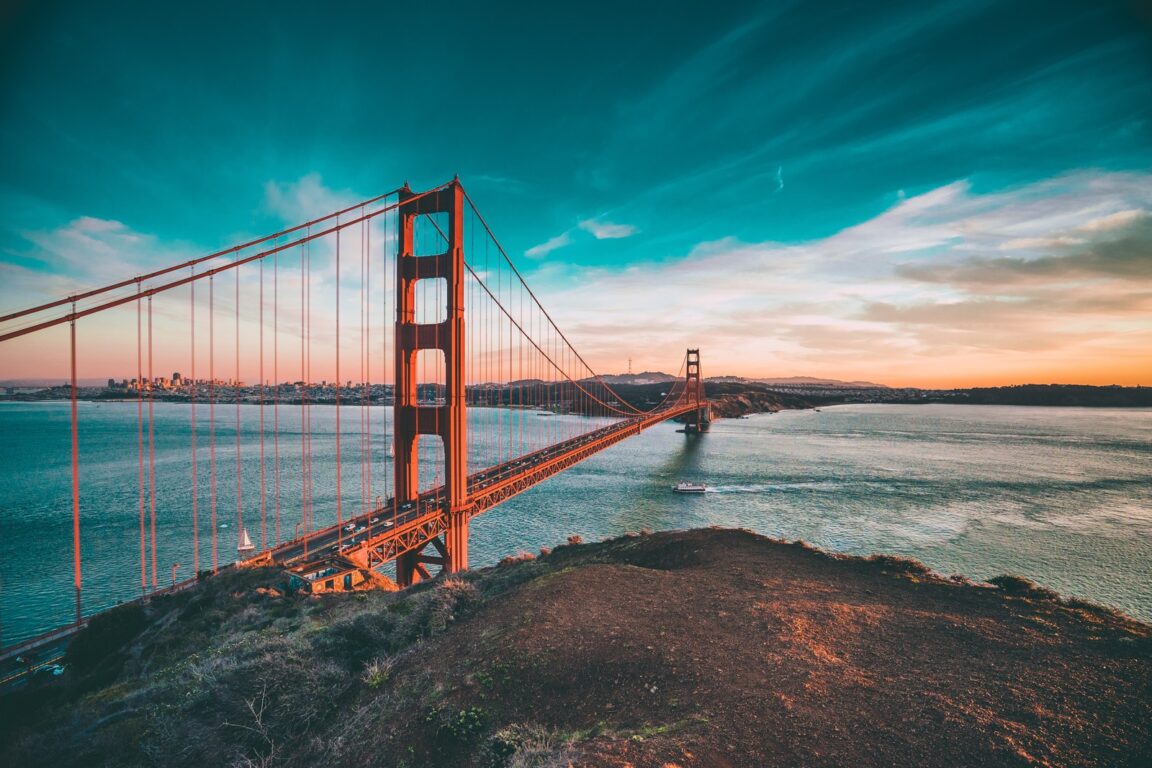
- Free headline sight: Walking or cycling the Golden Gate Bridge, a span of about 1.7 miles between the city and Marin County.
- Best base: Union Square and the downtown hotels for transit, Fisherman’s Wharf for a first family trip, the Mission or Hayes Valley for a neighbourhood stay.
- Weather rule: Fog, wind and steep temperature changes by neighbourhood. Layers and a windproof outer are not optional, even in summer.
- Car advice: Do not rent a car for the city days. Use Muni, walk, and never leave anything visible in a parked car anywhere in the city.
Day 1: How do you sequence Alcatraz and the waterfront?
Start with the ferry you booked first. Alcatraz ferries depart from Pier 33 on the Embarcadero, and the National Park Service is clear that Alcatraz City Cruises is the only authorised ferry provider permitted to dock at the island, so ignore resellers and anyone selling tickets on the street. The Park Service charges no entrance fee for the island itself. The ticket is the ferry, and the Day Tour prices are $47.95 for adults and teenagers, $45.15 for seniors 62 and over, $29.15 for children 5 to 11 and free for under 5s, including the return ferry and the Cellhouse audio tour. Tickets go on sale up to 90 days ahead and summer and holiday departures sell out weeks in advance.
Allow about three hours for the island, including the crossing, the audio tour through the cellhouse, the gardens and the exhibitions on the island’s later history, including the Indigenous occupation of 1969 to 1971. Take an early departure, both for the clearest weather and to leave the afternoon free. Back at Pier 33, walk south along the Embarcadero or north into Fisherman’s Wharf. The Wharf is the city’s most tourist facing district, and it is best treated selectively: the sea lions at Pier 39, the historic ships and the maritime museum at the western end, sourdough and seafood where the queues are local as well as visitor, and then out. Ghirardelli Square, at the end of the waterfront, is the natural place to stop before the cable car.
Ride the Powell-Hyde cable car from its Hyde and Beach turnaround near Ghirardelli, over Russian Hill and past the top of Lombard Street, the famous crooked block, which you can walk down afterwards on foot. A single ride costs $9 with no transfers, per SFMTA, and prepayment is required at the busiest turnarounds in the daytime, so have your ticket or Passport ready before you join the line. Finish the day in North Beach, the Italian quarter beside Chinatown, for dinner, then walk Grant Avenue through Chinatown after dark, when the lanterns and the neon do the work.
Day 2: How do you walk the Golden Gate Bridge and the Presidio?
The bridge is free to walk and cycle, and the walk is the experience, not the viewpoint photograph. Approach through the Presidio, the former military post turned national park site that fills the city’s north-west corner. Start at the Presidio Visitor Center, walk to the Golden Gate Bridge Welcome Center at the south end of the span, and cross on the eastern sidewalk, with the bay, Alcatraz and the skyline on one side and the Pacific opening on the other. The full crossing is about 1.7 miles each way, exposed to wind for most of it, so the layer you carried for the fog earns its place here. Fort Point, the Civil War era fort directly beneath the south end of the bridge, gives the most dramatic view of the structure and is free to visit when open.
Come back through the Presidio rather than retracing the waterfront. The park’s Tunnel Tops, built over the highway tunnels at the Main Post, link the centre of the Presidio to Crissy Field and the bay shore with lawns, play areas and the classic postcard view of the bridge, and the walk down through the Main Post, past the parade ground and the Walt Disney Family Museum, shows the other San Francisco, a small town of brick barracks and eucalyptus groves inside the city. Continue along Crissy Field beach to the Palace of Fine Arts in the Marina District, the domed remnant of the 1915 exposition, and finish with dinner on Chestnut Street in the Marina or on Fillmore Street in Pacific Heights. Travelers extending a California trip south should see our guide to the Hotel del Coronado in San Diego.
Day 3: How do you cover the park, the hills and the neighbourhoods?
Give the morning to Golden Gate Park, the long green rectangle that runs from the Haight to the Pacific and holds the city’s two great indoor sights facing each other across the Music Concourse: the California Academy of Sciences, a natural history museum, aquarium and planetarium under one living roof, and the de Young Museum, whose tower gives a free view across the park and the western city. Between and around them sit the Japanese Tea Garden, the Conservatory of Flowers and miles of gardens, lakes and meadows. Pick one museum interior, not both, and spend the balance outdoors, because the park itself is the sight.
Walk east out of the park through Haight-Ashbury, the Summer of Love crossroads at Haight and Ashbury streets, then to Alamo Square, where the Painted Ladies, the row of Victorian houses on Steiner Street, face the downtown skyline across the park slope. This is the neighbourhood day, so continue by bus or on foot to the Mission District: Valencia Street for shops and cafes, Mission Street for taquerias and murals, and the alleys around Clarion and Balmy, where the mural tradition is densest, finishing in Dolores Park, whose slope is the city’s outdoor living room on any sunny afternoon. The Castro, one Muni Metro ride away, pairs with the Mission as an evening district, with the Castro Theatre’s marquee as its landmark. First timers weighing bases will find the neighbourhood logic in our guide to where to stay in Chicago for first timers a useful comparison for how we judge a first base, even in a different city.
How should you handle hills, fog and getting around?
San Francisco is compact, steep and colder than its California image. Plan routes that go down hills more than up them, use Muni buses and Metro for the climbs, and treat the cable cars as an experience that is also transport rather than as your transit system. The Visitor Passport is the value call for this itinerary: at $15 for one day and $35 for three days, it covers unlimited cable cars, buses, Muni Metro and historic streetcars, while two single cable car rides alone already cost $18. Note the change ahead: SFMTA has approved a cable car single ride increase to $12 from 4 January 2027, so visitors travelling in 2027 should check the fare page again before they go.
For the fog, think in microclimates. The waterfront, the bridge and the western avenues can sit in grey wind while the Mission is in full sun, sometimes on the same afternoon. Dress for the coldest district on your day’s plan, carry the layers you shed, and schedule bridge walks and viewpoints for the clearest window, often late morning, rather than fixing them to sunrise or sunset. If the bridge disappears entirely, swap Day 2 and Day 3 and give the fog a day to move.
Where should first timers stay?
Union Square and the downtown hotel district are the practical default: the cable car lines, the Powell Street BART and Muni station for the airport train, and most theatres and department stores are here, and every day of this itinerary starts easily from it. Fisherman’s Wharf suits families who want Alcatraz and the waterfront at the door and space in the room, at the cost of a district that belongs more to visitors than residents. Hayes Valley, the Mission and the neighbourhoods around Alamo Square suit travelers who prefer small hotels, vacation rentals and local restaurants, and who are comfortable using Muni as their front door. Whichever base you choose, prioritise a quiet street over a famous one, as downtown traffic and nightlife noise are the commonest complaint in first trip reviews of the city centre.
What mistakes do first timers keep making?
The first is leaving Alcatraz to chance, then paying a reseller or taking a boat that circles the island without landing. The second is dressing for California rather than for San Francisco, and spending the bridge walk cold. The third is renting a car for city days, paying hotel parking rates to visit sights that Muni reaches faster, and risking a break in, which is a persistent problem for visitor cars with luggage or shopping visible inside. Keep everything in the trunk or, better, at the hotel. The fourth is trying to add Sausalito, Muir Woods or wine country to a three day first trip. Sausalito, across the bridge in Marin, is the one addition that fits, as a half day by ferry or after the bridge walk. The rest deserve a fourth day, not a thinner version of these three.
Frequently asked questions about a first trip to San Francisco
How far ahead should you book Alcatraz?
As soon as your dates are firm. Tickets go on sale up to 90 days ahead through Alcatraz City Cruises, the only authorised operator, and summer and holiday sailings sell out weeks in advance. The Day Tour costs $47.95 for adults, and there is no Park Service entrance fee on top.
Is the Visitor Passport worth it?
Yes, if you ride a cable car twice or combine cable cars with buses and Metro, which this itinerary does. The 1 day Passport costs $15 and the 3 day costs $35, against $9 for a single cable car ride with no transfers.
When is Alcatraz closed in 2026?
The island was scheduled to close from 26 October to 18 November 2026 for ferry dock repairs, in addition to its normal Thanksgiving, Christmas Day and New Year’s Day closures. Check the National Park Service site before booking a trip in that window.
Do you need a car in San Francisco?
No, not for the city days in this itinerary. Muni, cable cars and walking cover every sight listed, the airport is reached by BART, and a car adds parking cost and break in risk without saving time.
What should you pack for San Francisco?
Layers for every day: a warm mid layer, a windproof and water resistant outer, comfortable shoes broken in for hills, and a bag that carries the layers you shed in sunny districts. Even in summer, evenings on the waterfront are cold.
Is three days enough for San Francisco?
Three days cover the waterfront and Alcatraz, the bridge and Presidio, and the park and neighbourhoods at a comfortable pace. Add a fourth day for Sausalito and Muir Woods, or for a day in wine country, rather than compressing the city days.