 LeVar Thomas
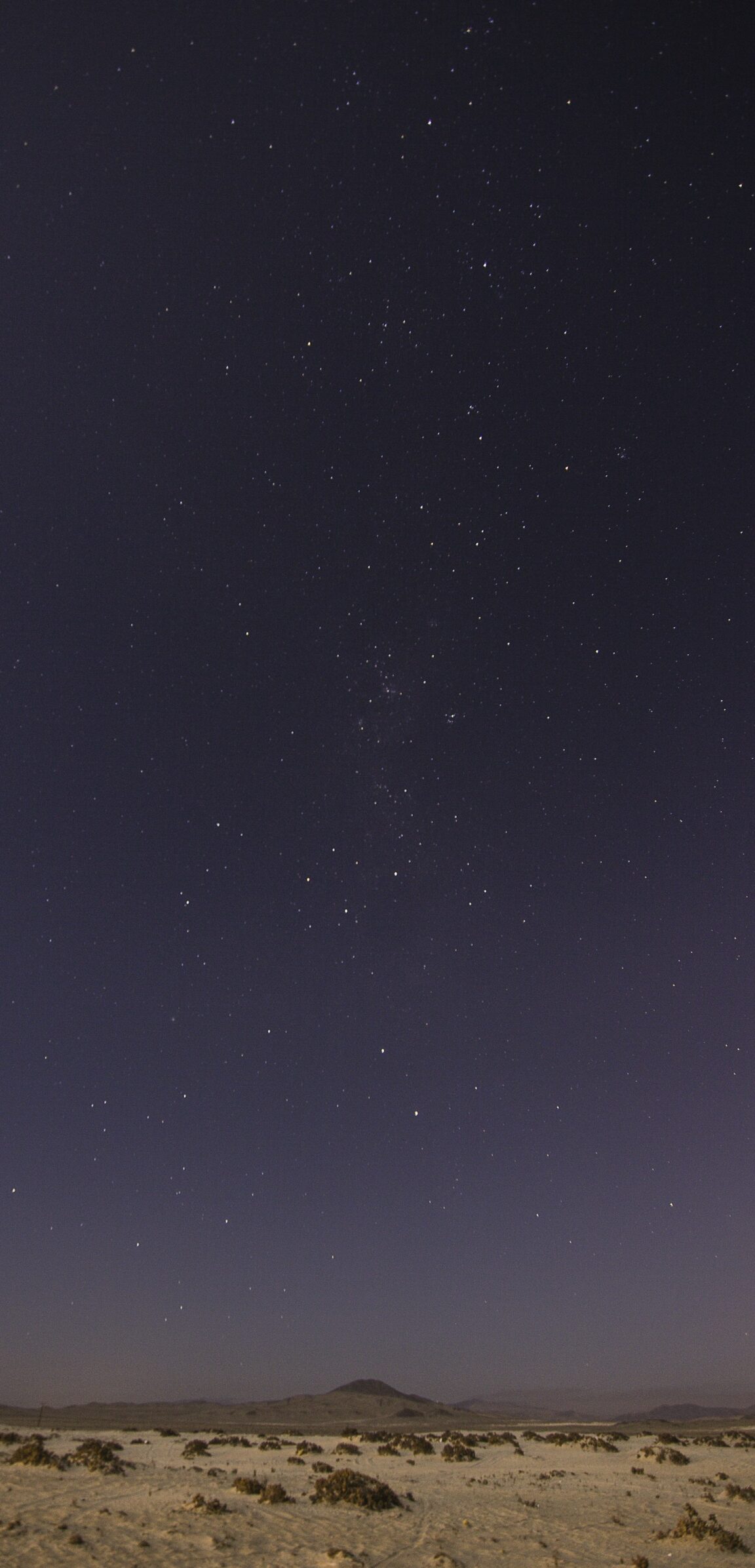
The Atacama Desert in northern Chile has some of the clearest, darkest skies on Earth, and a first timer can see the Milky Way with the naked eye on a dark, moonless night. Base yourself in San Pedro de Atacama, plan around the moon, dress for cold desert nights, and give yourself more than one night, because clear skies are likely here but never guaranteed. The desert rewards patience, and a little planning turns a good night under the stars into an unforgettable one.
Quick Facts:
Where to base yourself: San Pedro de Atacama, the small desert town that serves as the base for stargazing trips and for the Atacama region.
Why the skies are dark: the Atacama is the driest desert in the world, with very dry air, high altitude, and little light pollution outside the towns.
Best moon phase: the nights around the new moon, when the sky is at its darkest and the Milky Way is brightest.
ALMA visits: the public visit program is currently suspended, so check the observatory site before planning a visit.
What to bring: warm layers, a red light or a phone on its dimmest setting, water, and patience.
Why is the Atacama so good for stargazing?
The Atacama Desert sits in northern Chile, between the Pacific Ocean and the Andes, and Chile official tourism describes it as the driest desert in the world. That dryness is the first reason the skies are so clear. Moisture in the air scatters starlight and blurs the view, and the Atacama has very little of it. The air is thin and dry, the desert is high, and the towns are small and far apart, so there is little light pollution once you drive a short distance from San Pedro de Atacama. The result is a sky so full of stars that first timers often have trouble picking out the constellations, because there are simply too many stars to see the familiar patterns.
The desert is also home to some of the most important telescopes in the world, including ALMA, the Atacama Large Millimeter submillimeter Array, which is an array of 66 antennas. Astronomers chose this desert for the same reasons stargazers love it: dry air, clear skies, and altitude. That is a useful clue. When the professionals build their telescopes in a place, the night sky there is worth a trip. The desert landscape adds to the experience, with salt flats, volcanoes, and wide open valleys that make the sky feel enormous.
Where should you base yourself?
San Pedro de Atacama is the base town for stargazing in the Atacama, and Chile official tourism lists it as a destination in the Atacama Desert and Altiplano area, alongside the salt flats, geysers, and lagoons that fill the days between nights under the stars. The town is small, walkable, and full of tour operators, small hotels, and restaurants, and most stargazing tours pick up from hotels in town. Stay in San Pedro, book your tours from there, and let the operators handle the driving, the telescopes, and the dark sky sites.
Choose a hotel with a quiet location if you can, because a dark sky starts at your doorstep. The town itself has street lights, so the best viewing is outside town, and every tour drives out to a dark site. Give yourself at least two or three nights in San Pedro, because that gives you more than one chance at a clear dark sky, and it leaves time for the salt flats and the geysers during the day. Arrive a day before your first stargazing night if you can, so you can rest, adjust to the altitude, and check the weather and the moon before you book.
When should you go, and what does the moon do?
The moon is the single biggest factor in how many stars you will see. Around the new moon, when the moon is dark, the sky is at its darkest and the Milky Way is at its brightest, and faint stars, star clusters, and the band of the galaxy are easiest to see. Around the full moon, the moonlight washes out the faintest stars, though it lights up the desert landscape in a way that is beautiful in its own right. Neither is wrong, but they are different trips, so check a moon phase calendar before you choose your dates, and aim for the nights around the new moon if the Milky Way is your priority.
The Milky Way itself changes with the seasons. The bright core of the galaxy, the part that shows up as a cloudy band across the sky, is most prominent in the southern hemisphere winter, roughly from April through September, when it rises high in the evening sky. In the southern hemisphere summer it is lower and less prominent, though the sky is still dark and full of stars. Clouds are rare in the Atacama, but they do happen, and a single cloudy night is not a failed trip if you have a second night booked. Check the forecast, but remember that desert weather can change quickly, and a clear evening can follow a cloudy afternoon.
How do you handle the altitude and the cold?
The Atacama is high desert, and altitude is part of the experience. San Pedro de Atacama sits at high altitude, and the stargazing sites and the observatories sit higher still, so take the altitude seriously. Arrive, rest, drink water, eat lightly, and avoid alcohol on the first day. Walk slowly, and give your body time to adjust before you climb higher or stay out late at night. Altitude affects people differently, and a headache or shortness of breath is a sign to slow down, drink water, and rest, not to push through it.
Desert nights are cold, even after a warm day. The temperature drops sharply after sunset, and standing still under the stars for an hour or two will chill you faster than walking around town in the evening. Dress in layers, with a warm jacket, a hat, gloves, and warm socks, and bring an extra layer for the drive home. Drink water during the day, because the dry air dehydrates you without you noticing, and carry water on the tour. If you have a medical condition that altitude could affect, talk to a doctor before you travel, and carry any medication you need.
What can you actually see?
On a dark, moonless night in the Atacama, the Milky Way is visible to the naked eye as a bright, cloudy band stretching across the sky, and the Southern Cross, the Magellanic Clouds, and thousands of individual stars are easy to pick out. The Magellanic Clouds are two small galaxies that orbit our own, and they are visible from the southern hemisphere as faint cloudy patches, which is a sight most northern hemisphere visitors have never seen. Through a telescope, the view sharpens into star clusters, nebulae, and the rings of Saturn, and a good guide will point out the objects and explain what you are looking at.
No one can guarantee a specific sighting, and any tour that promises one should be treated with caution. Clouds, moonlight, and the season all affect what is visible, and a good night is one where you see a lot, not one where you tick off a list. The best approach is to go with an open mind, let your eyes adjust to the dark for twenty minutes, and enjoy the sky as it is. Your eyes need time to adapt, and the stars get brighter the longer you look, so avoid bright lights and give yourself time.
Should you visit ALMA?
ALMA, the Atacama Large Millimeter submillimeter Array, is the most famous observatory in the region, and its array of 66 antennas is a remarkable sight. The observatory states on its visits page that its public visit program is currently suspended, and that visits are currently limited to educational institutions, research organizations, and media. That means a general visitor cannot currently book a public visit to ALMA, and you should check the ALMA visits page for the latest status before planning a trip around it. When the program was running, public visits took place on Saturday and Sunday mornings at the Operations Support Facility, at 2,900 meters and about 50 kilometers from San Pedro de Atacama, with advance registration required through an online form, and the high altitude Array Operations Site at 5,000 meters was not open to the public.
Even without a visit, ALMA is worth knowing about, because it explains why the Atacama matters to astronomy. The observatory studies the cold universe, including the formation of stars and planets, using radio waves rather than visible light, and its antennas work together as a single giant telescope. You will not see the antennas through a stargazing telescope, but you will hear about them from guides, and the desert that hosts them is the same desert you are standing in. If public visits resume, book well in advance, because places were limited and the altitude is high.
How do stargazing tours work?
Most stargazing tours in San Pedro de Atacama follow a simple pattern. A guide picks you up from your hotel in the evening, drives you to a dark site outside town, and sets up telescopes and sometimes a camera. The guide points out the constellations with a laser, explains the sky in plain language, and helps you look through the telescopes at planets, star clusters, and nebulae. Some tours include hot drinks and blankets, and many include photographs taken under the stars. Tours usually last two or three hours, and they run most nights when the weather is clear.
Book through a reputable operator in San Pedro, ask what is included, and confirm the meeting time and the cancellation policy in case of cloud. Do not expect a fixed price to be the same across operators, and do not book a tour based on a price you read in a guide, because prices change and the details matter more than the number. Ask about group size, language, and whether the tour uses telescopes, and choose the tour that fits your interests rather than the cheapest one. A small group with a knowledgeable guide is worth more than a large group with a rushed schedule.
What should you pack for a night out?
Pack for a cold night spent standing still. Warm layers are the priority, including a jacket, a hat, gloves, and warm socks, plus an extra layer you can add when the temperature drops. A red flashlight or a phone set to its dimmest red setting helps you see without ruining your night vision, because white light resets your eyes and takes twenty minutes to recover from. Bring water, and a snack if the tour does not include one, and carry a small bag for your layers, your camera, and your phone.
For photography, a camera that can take long exposures and a tripod are the basics, and a remote shutter or a timer helps avoid shaking the camera. Phone cameras can capture the Milky Way on a dark night, but they need a steady surface and a long exposure, so bring a small tripod or rest the phone on something stable. Do not use a flash, and do not shine a bright light at other people, because everyone’s eyes are adjusting to the dark. The best photographs come from patience, a steady camera, and a dark sky, in that order.
What mistakes do first timers make?
The most common mistake is booking one night and expecting perfection. The Atacama is dry and clear, but clouds and moonlight are real, and a second night doubles your chances. Another mistake is dressing for the daytime temperature, which is warm, instead of the nighttime temperature, which is cold. Pack the layers, and wear them, even if you feel warm when you leave the hotel. A third mistake is looking at a phone screen under the stars, because the bright light ruins your night vision and the night vision of everyone nearby. Put the phone away, let your eyes adjust, and use a red light if you need to see.
Another mistake is trying to see everything in one night. The sky is too big, and the best nights are the slow ones, where you watch the Milky Way rise, listen to the guide, and let the scale of the sky sink in. Rushing from object to object leaves you with a list and no memory. Finally, do not treat altitude lightly. Rest on arrival, drink water, and save the high altitude day trips for your second or third day, when your body has had time to adjust.
Frequently asked questions
Do I need a telescope of my own?
No. A guided tour provides telescopes and a guide, and the naked eye view in the Atacama is spectacular on its own. Bring binoculars if you own them, because they show star clusters well, but do not buy a telescope for one trip.
Is the Atacama good for stargazing all year?
The skies are dark all year, but the Milky Way core is most prominent in the southern hemisphere winter, and the new moon gives the darkest skies in any season. Check the moon phase and the season together when you choose your dates.
Can I see the stars from San Pedro itself?
Yes, the sky over the town is far darker than a city sky, but the best views are outside town, away from the street lights, which is why tours drive to dark sites. A short drive makes a real difference.
Is it safe to drive out to the desert at night alone?
Stick to an organized tour for your first night. The desert is dark, the roads are unlit, and a guide knows the sites and the conditions. A tour is safer, warmer, and more informative than going alone.
Where can you keep planning?
Start with the official sources. The Chile Travel page for the Atacama Desert and Altiplano describes San Pedro de Atacama and the region, and the ALMA visits page has the current status of observatory visits. For more trip planning in the same spirit, see the best beach resorts in Tulum by travel style and the Kotor Montenegro travel guide. Book more than one night, plan around the new moon, dress warmly, and let the desert sky do the rest.