 LeVar Thomas
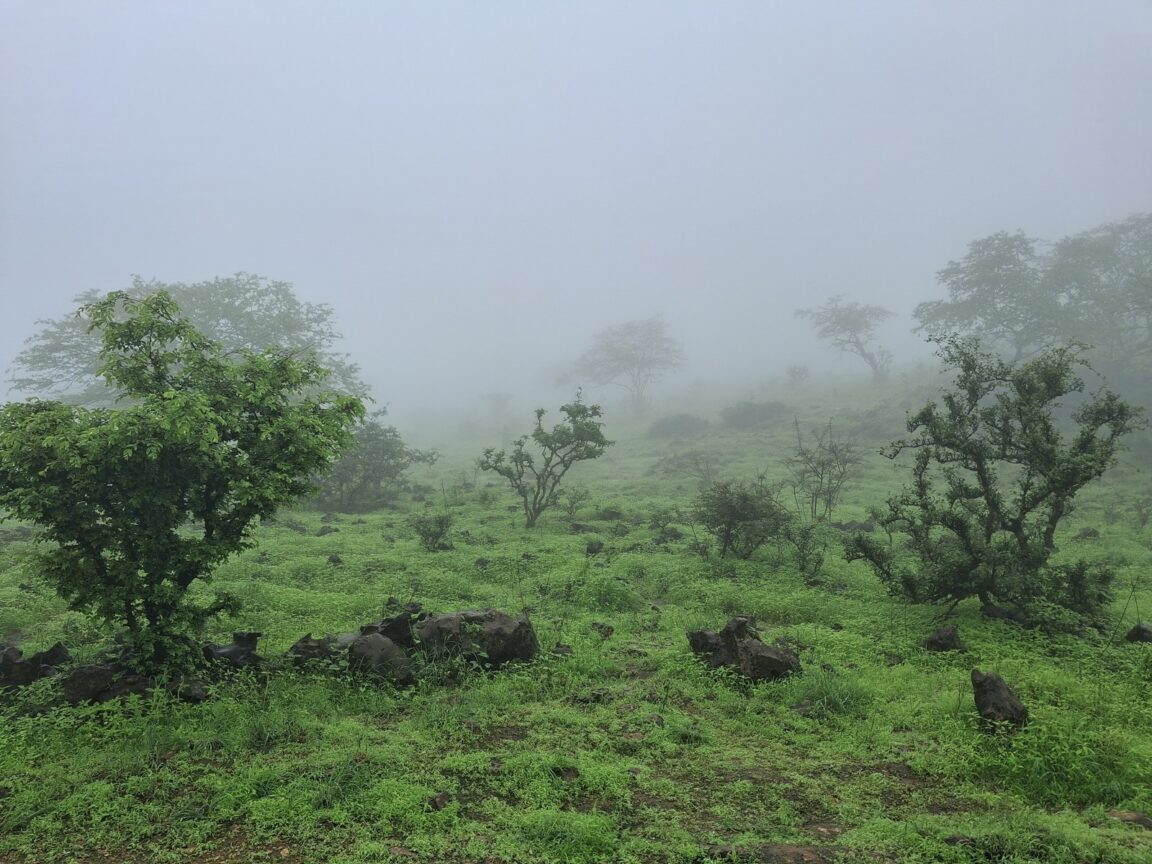
Salalah, the capital of Oman’s southern Dhofar governorate, is the one place on the Arabian Peninsula that turns green in summer. From mid-June to September, a monsoon season known locally as khareef wraps the Dhofar mountains in mist and fine drizzle, temperatures drop into the twenties Celsius, dry hills turn emerald, and seasonal waterfalls and springs start flowing within a short drive of the city. This explainer covers what khareef is, why it happens only here, when to go, what to see while the landscape is green, and how to reach Salalah and sort out entry basics.
Quick Facts About Salalah and Khareef
- Where: Salalah is the capital of the Dhofar governorate in southern Oman, on the Arabian Sea coast.
- What khareef is: Khareef is the local name for the summer monsoon season that affects Dhofar. The word means autumn in Arabic, but in Oman it refers to this specific monsoon period.
- When it happens: Experience Oman, the official tourism portal, places the khareef season from mid-June to September. The season is often framed as running from around 21 June to 21 September, and exact emphasis shifts slightly from year to year.
- Khareef temperatures: Experience Oman gives Dhofar temperatures of 20°C to 28°C during khareef, while lowland Oman generally sits between 35°C and 45°C in summer.
- What changes: Hills and wadis turn green, seasonal waterfalls flow at places such as Wadi Darbat and Ayn Athum, springs fill, and low cloud and drizzle replace the dry season glare.
- Airport: Salalah International Airport, code SLL, with direct flights from Muscat operated by Oman Air and SalamAir.
- Best for: Travellers who want the green landscape, waterfalls and cooler summer weather, and who accept mist, drizzle and busier roads as part of the season.
What Khareef Actually Is
Khareef is driven by the southwest monsoon. For a few months each summer, moist air moves in off the Indian Ocean and the Arabian Sea and runs into the Dhofar mountains behind Salalah. The mountains force that air upward, and the result is persistent low cloud, fog, mist and fine drizzle over the coastal plain and the hills, rather than the short, violent downpours many people picture when they hear the word monsoon.
That geography is why the effect is so localised. Dhofar catches the edge of the monsoon system, while the rest of Oman, shielded by distance and terrain, stays hot and dry through summer. The same coastline that is brown and sun-baked for most of the year becomes, for roughly three months, a cloud forest landscape of green slopes, running streams and grazing livestock, a few kilometres from Arabian Sea beaches.
Salalah also depends on this season. The khareef moisture supports the region’s springs, its farming and the frankincense trees that grow in the wadis and hills behind the coast. Dhofar is the historic land of frankincense, and its ancient ports, caravan sites and frankincense valley are protected together as the UNESCO listed Land of Frankincense, so the green season is tied directly to the landscape that made this coast important for thousands of years.
When Khareef Happens and How the Weather Feels
Plan around a mid-June to September window. The green does not arrive overnight: the hills colour up as the drizzle settles in, waterfalls strengthen as the season builds, and the landscape usually stays green for a while after the cloud begins to lift in September. Within the season, the middle weeks are typically the greenest and wettest, while the edges of the season tend to be lighter on mist and crowds.
The temperature contrast with the rest of Oman
The single biggest reason Gulf travellers flock to Salalah in summer is the temperature gap. Experience Oman puts Dhofar at 20°C to 28°C during khareef, at the same time as summer temperatures in Oman’s lowlands generally range from 35°C to 45°C. In practice that means Salalah in July and August feels like a cool, damp highland escape: light layers in the misty hills, high humidity near the coast, and none of the extreme midday heat that shuts down sightseeing elsewhere in the region.
What the weather means day to day
Expect grey skies as often as blue ones. Visibility in the mountains can drop quickly in fog, roads over the passes can be wet and slippery, and the sea turns rough. Oman’s Civil Defence guidance warns against swimming at beaches during the season and in undesignated springs and pools, because waves and currents are stronger in khareef. The season rewards slow, flexible sightseeing rather than tightly timed beach days: viewpoints, waterfalls and springs in the morning, and indoor or town based stops such as the Museum of the Land of Frankincense at Al Baleed when the mist closes in.
What Turns Green: The Places That Define the Season
Wadi Darbat, the headline valley
Wadi Darbat, in the mountains east of Salalah beyond Taqah and overlooking the Khor Rori area, is the best known khareef landscape in Dhofar. In the dry months it is a quiet valley of trees and a lake. In khareef it fills with water: streams run through green pasture, and a large seasonal waterfall pours over the valley’s limestone edge when flow is strong. It is the classic first stop of a green season trip, and also one of the busiest, so early starts make a real difference in the peak weeks.
Ayn Athum and the seasonal springs
Dhofar’s springs, known as ayn or ain, are the second act of the season. Ayn Athum, east of Salalah, is a spring and seasonal waterfall that comes alive when khareef rain fills the hills above it, sending water down a rocky, green valley. Other springs around the plain and foothills, including Ayn Razat and Ayn Sahalnoot, also run stronger in and just after the season, with gardens, pools and picnic areas that make them easy half day stops. Flow varies with how much rain the season has delivered, so a waterfall that is thundering in one August can be a trickle in a drier year.
Mughsail, Marneef Cave and the rough western coast
West of Salalah, the coast at Al Mughsail pairs a long beach with the Marneef Cave viewpoint and natural blowholes that throw seawater into the air at high tide. The blowholes are at their most dramatic when the khareef sea is running high, which is exactly when the beach itself is at its least swimmable. Treat Mughsail in khareef as a sightseeing and photography stop rather than a beach day, keep to marked paths and viewpoints, and follow local safety signage around the blowholes and cliffs.
The frankincense sites, green season edition
Khareef is also a good lens for Dhofar’s history. The Al Baleed Archaeological Park in Salalah, the ancient port of Sumhuram above Khor Rori, and the frankincense trees of Wadi Dawkah are all components of the Land of Frankincense story, and the misty, green setting explains the trade better than the dry season does: this coast produced a precious resin precisely because its hills caught moisture that the rest of Arabia never saw. Travellers who enjoy pairing a landscape with its history in this way may also like the approach taken in this guide to Matera, Italy and its cave city of the Sassi, where the setting and the story are inseparable.
Khareef Versus the Rest of the Year in Salalah
Salalah has two distinct seasons for visitors, and choosing between them is the main planning decision. Come in khareef for the green hills, waterfalls, springs and cool temperatures, and accept drizzle, fog, rough seas and peak season demand. Come from around October to April for the other Salalah: sunny, dry beach weather, calmer seas and clearer mountain views, with a browner landscape. Neither is better in the abstract. Khareef is the unique phenomenon and the reason Salalah is famous across the Gulf, while the dry months are simpler for swimming, boat trips and long coastal drives.
That seasonal logic is familiar to anyone who plans trips around a short annual window, whether it is monsoon green in Dhofar or a walled old town at its best outside the summer cruise peak, as covered in this Kotor, Montenegro travel guide. In Salalah’s case the window is the entire point of the trip, so dates matter more here than hotel choice or itinerary order.
How to Reach Salalah
Most international visitors route through Muscat. From Muscat International Airport, direct domestic flights to Salalah International Airport are operated by Oman Air and SalamAir, and the flight takes roughly an hour and a half, with extra capacity typically added in the khareef peak. That short hop replaces a very long desert drive south, which is why flying is the default choice for a first visit. Salalah also receives some direct regional flights, and schedules change by season, so check current routes with the airlines before building an itinerary around a specific connection.
Once in Salalah, the khareef sights are spread along the coast and into the mountains on both sides of the city, and a rental car or a hired driver is the practical way to link Wadi Darbat, the springs and Mughsail in a day. Build in extra time in the season: mountain roads are slower in fog and rain, and popular stops such as Darbat can have heavy traffic in the middle of the day.
Visa Basics for Visiting Oman
Entry rules for Oman depend on nationality, and they should always be checked against the official source before booking. Oman allows citizens of 103 countries to enter without a visa for stays of up to 14 days, a group that includes the United States, the United Kingdom and European Union countries. For longer stays, or for nationalities outside that list, Oman runs an electronic visa system through the Royal Oman Police eVisa portal, where travellers apply online in advance of travel. Because eligibility categories and conditions change, confirm the current position for a specific passport on the Royal Oman Police portal rather than relying on any summary, including this one.
How to Plan a Khareef Trip Well
Book earlier than feels necessary. Khareef is Dhofar’s peak season, flights from Muscat fill, and Salalah hotels price accordingly, so flights and accommodation should be locked in well ahead for July and August travel. Pack for cool, wet hill weather rather than a beach holiday: a light waterproof jacket, shoes with grip for wet rock and paths, and a warm layer for misty mornings in the mountains. Keep the itinerary loose, grouping sights by direction, east toward Taqah, Darbat and the springs on one day, west toward Mughsail on another, so fog or heavy drizzle can reshuffle a day without breaking the trip. Finally, respect the season’s safety rules: no swimming where guidance or signage says not to, care on wet mountain roads, and local advice first at waterfalls and springs when water is running high.
Frequently Asked Questions About Salalah in Khareef
What does khareef mean?
Khareef means autumn in Arabic, but in Oman the word is used for the summer monsoon season that affects the Dhofar governorate. It describes the period of mist, drizzle, cooler temperatures and green landscapes around Salalah, not the autumn months elsewhere.
When is khareef season in Salalah?
Experience Oman places khareef from mid-June to September, and the season is commonly framed as running from around 21 June to 21 September. The greenest landscapes and strongest waterfalls usually come in the middle of the season, once the drizzle has had time to soak the hills.
How cold does Salalah get during khareef?
Cold is relative. Experience Oman gives khareef temperatures in Dhofar of 20°C to 28°C, which feels cool only in contrast to the 35°C to 45°C summer range in Oman’s lowlands. Visitors typically need a light jacket in the hills, not winter clothing.
Can visitors swim in Salalah during khareef?
The sea is rough in khareef, and Oman’s Civil Defence guidance advises against swimming at beaches during the season and in undesignated springs and pools. Treat the coast as scenery in these months, and save swimming for the calmer season from around October to April or for a hotel pool.
How many days are enough for a khareef trip?
Two to three full days covers the core circuit at a relaxed pace: Wadi Darbat and the eastern springs, Mughsail and the western coast, and the frankincense sites at Al Baleed and Sumhuram. Extra days add flexibility for foggy weather and slower exploration of the mountains.
Is khareef the only time worth visiting Salalah?
No. Khareef is the famous season, but Salalah from around October to April offers sunny beach weather, calmer seas and clear views. Visit in khareef for green hills and waterfalls, and in the dry months for a straightforward coastal holiday.