 LeVar Thomas
The Grand Egyptian Museum is open to visitors in Giza, on the edge of the desert near the pyramids, and it is now the place to start an Egypt trip rather than a stop to fit in around one. The museum holds more than 100,000 artifacts in a building of 168,000 square meters, and its centerpiece is the complete Tutankhamun collection, shown together for the first time. Plan a full day, arrive early, and check the official museum site for current ticket prices before you go, because prices are not published on the museum site itself.
Quick Facts:
Where it is: El Remayah Square, along the Cairo-Alexandria Desert Road in Giza, about two kilometers from the pyramids of Giza.
Hours: open daily from 9:00 AM to 6:00 PM, with extended hours to 9:00 PM on Saturday and Wednesday.
Do not miss: the Grand Hall with the colossal statue of Ramses II, and the Tutankhamun Galleries.
Tickets: prices are not stated on the museum site, so check the official site for the current ticket price before you travel.
How long to allow: a full day for the main galleries, or a focused half day for the Grand Hall and the Tutankhamun Galleries.
Is the Grand Egyptian Museum open?
Yes. The museum is open daily from 9:00 AM to 6:00 PM, and it stays open until 9:00 PM on Saturday and Wednesday, according to the plan your visit page on the museum official site, gem.eg. The museum marked its grand opening on 1 November 2025, and the Tutankhamun Galleries are presented as open, with the complete collection of the boy king on display. That matters, because the museum was built around that promise. For decades the Tutankhamun objects were split between storage and the old Egyptian Museum in Cairo, and many of them were rarely seen. Now they are gathered in one set of galleries, and the galleries are designed to be walked in order.
Hours and ticket details can change, and the museum site sends ticket buyers to an external ticketing site, so confirm both on gem.eg before you travel rather than relying on a guidebook or a tour listing. The same applies to any special exhibition or gallery closure. The museum is large, and a closure in one hall does not close the building, so check the site on the day you plan to go.
Where is the museum, and how do you get there?
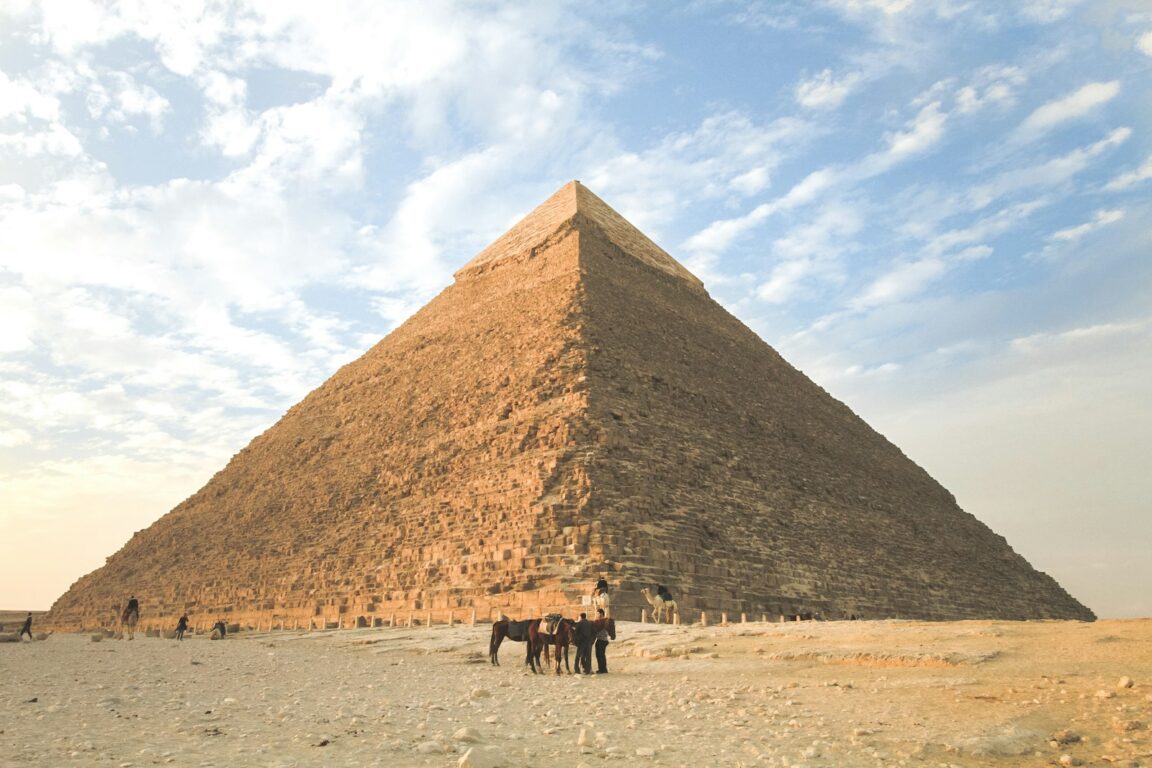
The museum stands at El Remayah Square, along the Cairo-Alexandria Desert Road in Giza, about two kilometers from the pyramids of Giza. That closeness is the point of the site. The building faces the pyramids across the desert, and the view from the museum grounds connects the two places in a way that a museum in central Cairo never could. The museum complex covers 168,000 square meters, so the building itself is part of the experience, with a vast entrance hall, a grand staircase, and windows that frame the pyramids in the distance.
Most visitors reach the museum by car, taxi, or a tour bus from Cairo or Giza. Traffic in Giza can be slow, so leave more time than the distance suggests, and plan to arrive at opening if you want the quietest galleries. The museum sits on a major road rather than in a pedestrian neighborhood, so treat the visit as a destination in itself, and combine it with the pyramids on a separate part of the day rather than trying to walk between them. Bring water, wear comfortable shoes, and expect a lot of walking inside the building, because the galleries are spread across a very large floor plan.
What will you see in the Grand Hall?
The Grand Hall is the first space you enter, and it is designed to set the scale of the museum. Its centerpiece is the colossal statue of Ramses II, a massive granite figure that greets visitors as they arrive. The museum describes the Grand Hall as a showcase of the finest of Egyptian sculptural art, with the Ramses statue joined by 60 other pieces, including statues of King Snefru, King Sesostris, King Amenhotep III, King Amenhotep IV, who is also known as Akhenaten, King Seti I, and King Merenptah. The pieces are arranged in a chronological progression, so the hall works as a short introduction to three thousand years of Egyptian history before you reach the main galleries.
Take your time here, because the hall is also a good place to get your bearings. Look up at the height of the ceiling, look at the size of the Ramses statue against the people standing beside it, and read the labels for the kings whose names you will meet again upstairs. The Grand Hall is open to all ticket holders, and it is the one space that every visitor passes through, so it is busy at midday and calmer first thing in the morning.
What is inside the Tutankhamun Galleries?
The Tutankhamun Galleries are the reason most visitors come, and the museum presents them as the first complete display of the king’s treasures in one place. The galleries are organized into five themed sections called Discovery, Identity, Funeral, Lifestyle, and Rebirth, which follow the story of the tomb, the king, and the afterlife in order. The highlights the museum names include the Golden Burial Mask, the Golden Throne, and the Royal Diadem, along with the furniture, jewelry, and ritual objects found in the tomb. For more detail on the galleries, see the Tutankhamun Galleries page on gem.eg.
The galleries are designed to be walked slowly, and they reward visitors who read the labels rather than rushing to the mask. The Discovery section covers the finding of the tomb, Identity covers the young king himself, Funeral covers the burial, Lifestyle covers the objects of daily life, and Rebirth covers the beliefs about the afterlife. Together they give a fuller picture of Tutankhamun than the famous mask alone. The museum also lists a Chariots Gallery and a Royal Mummies Hall among its collection areas, and a Children’s Museum and other exhibition halls make up the rest of the building, so there is more to see after the Tutankhamun Galleries than most visitors expect.
How should you plan your visit?
Start with the official site. The plan your visit page on gem.eg lists the opening hours, the address, and the link to buy tickets, and it is the source to trust for prices, because the museum does not publish ticket prices on its own pages. Buy tickets in advance when you can, because the museum is popular and the busiest hours are late morning and early afternoon. Arrive at opening, go first to the Tutankhamun Galleries while the crowds are still thin, then return to the Grand Hall and the Grand Staircase, and finish with the other galleries.
Allow a full day if you want to see the main galleries without rushing, and a focused half day if you only want the Grand Hall and the Tutankhamun Galleries. The museum is one of the largest museums in the world, with 12 exhibition halls, so a complete visit is a long day on your feet. Plan breaks, use the museum cafes and rest areas, and decide in advance which galleries matter most to you, because trying to see everything in one visit is a recipe for exhaustion. If you are visiting the pyramids on the same trip, give the museum its own day, or at least its own morning, so neither place is rushed.
What else is in the museum?
Beyond the Grand Hall and the Tutankhamun Galleries, the museum holds the Grand Staircase, a rising display of large statues and architectural pieces that climbs through the building, including a statue of King Ramses II and a sphinx of Queen Hatshepsut, among other pieces from the New Kingdom and earlier periods. The staircase is both a gallery and a route, and it connects the entrance level to the main exhibition floors, so most visitors walk it whether they plan to or not.
The collection also includes galleries devoted to the broader story of Egypt, from the prehistoric period through the Greco Roman era, with objects ranging from daily tools and jewelry to monumental sculpture. The museum describes its collection as more than 100,000 artifacts, which is far more than any single visit can cover. That is a reason to choose a route rather than a reason to hurry. Pick two or three galleries, see them well, and treat the rest as a reason to return.
What should you know before you go?
Photography rules, bag checks, and food and drink rules are set by the museum, so check the plan your visit page before you arrive. Large bags are usually checked, and food and drink are limited to the museum cafes and rest areas. Dress for a long day indoors with air conditioning, and bring a layer for the cooler galleries. The museum is a major public building with security screening at the entrance, so arrive with time to spare, and keep your ticket and identification handy.
Children are welcome, and the museum lists a Children’s Museum among its facilities, which makes it a workable family visit, though younger children will tire before the galleries do. Plan a shorter route for a family visit, with the Grand Hall and the Tutankhamun Galleries as the core, and a break in between. For travelers with limited mobility, check the museum site for accessibility information before you go, because the building is large and the distances between galleries are long.
Why visit the museum instead of the old Egyptian Museum?
The old Egyptian Museum in Cairo still holds important objects, and many travelers visit both, but the Grand Egyptian Museum is the one built for the Tutankhamun collection in full, and for the scale of the objects it holds. The new building has room to display pieces that were in storage for decades, and the galleries are arranged to tell a story rather than to fill a room. The location near the pyramids is also part of the appeal, because the museum and the plateau belong to the same landscape, and seeing them on the same trip connects the objects to the place they came from.
That connection is worth planning around. See the museum first, learn the names and the stories, and then visit the pyramids with that context in mind. Or visit the pyramids first, and let the museum fill in the details afterward. Either order works, and both are better than treating the museum as an afterthought. For another historic destination planned the same way, see the Kotor Montenegro travel guide, and for a first timer itinerary built around a single city, see the Quebec City winter itinerary. Check the official museum site for hours and ticket prices on the day you travel, and give the museum the full day it deserves.