 James Wolfe
Two days in Singapore is enough to eat exceptionally well, walk three distinct heritage districts and see the Marina Bay skyline at night, provided the plan is built around the MRT and grouped by neighbourhood. Start with a hawker breakfast, spend the hottest hours inside the cooled conservatories at Gardens by the Bay or in a museum, and save the Supertree Grove, Marina Bay and the cultural quarters for the cooler late afternoon and evening. Base in Bugis, Chinatown or the Marina Bay fringe for the shortest transfers, pay for transit with a contactless bank card through SimplyGo or an EZ-Link card, and treat Changi Airport as an attraction only if a long layover remains after the city itself is covered.
What are the quick facts for a two day Singapore stop?
- Best base: Bugis for value and transport, Chinatown for food, Marina Bay for a splurge with skyline views
- Getting around: MRT for almost every hop, with SimplyGo contactless payment or an EZ-Link card
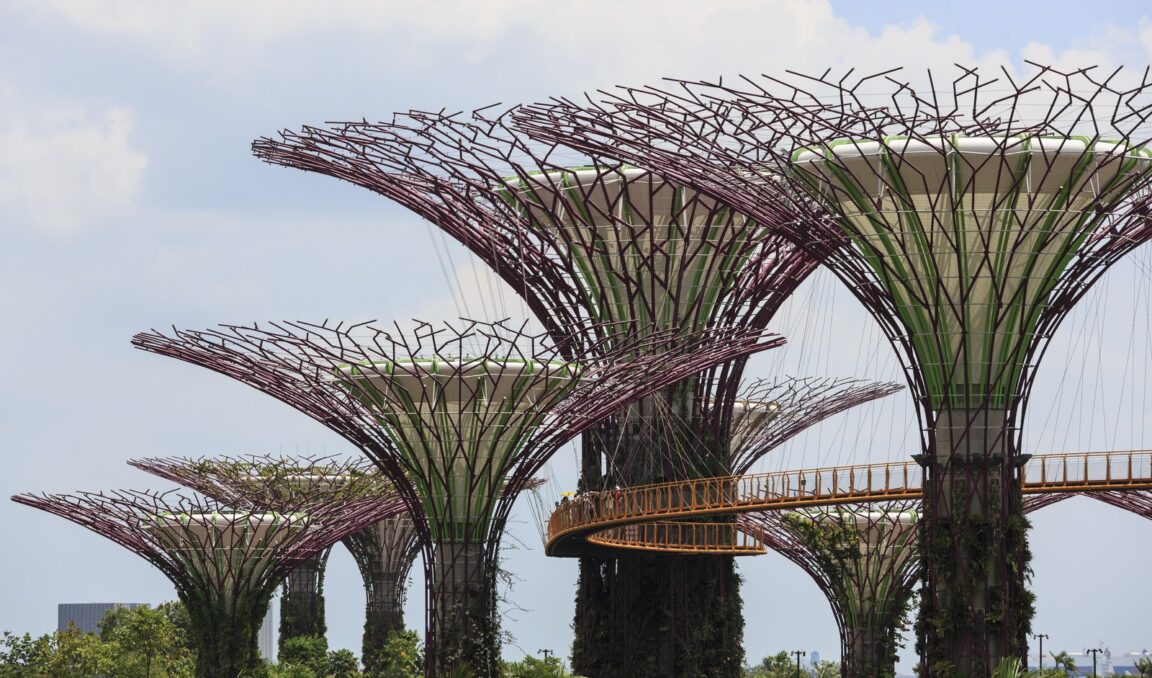
- Free highlights: Supertree Grove, the outdoor gardens at Gardens by the Bay and the nightly Garden Rhapsody light show
- Ticketed highlight: Flower Dome and Cloud Forest combined ticket, listed at S$46 for a non-resident adult and S$32 for a child aged 3 to 12 at the time of checking
- First hawker stop: Maxwell Food Centre in Chinatown, beside Maxwell MRT station
- Second hawker stop: Tiong Bahru Market for breakfast dishes in a residential Art Deco neighbourhood
- Airport: Changi Airport, connected to the city by MRT, taxi and bus
Where should you stay for only two nights?
Marina Bay suits travellers who want the postcard view and do not mind paying for it. Hotels there put Gardens by the Bay, the ArtScience Museum and the waterfront promenade within walking distance, and the area is at its best after dark when the skyline is lit. It is the least local feeling of the main bases, and breakfast outside the hotel will usually mean a short MRT ride to a hawker centre.
Bugis is the practical all rounder. It sits between Marina Bay and the heritage districts, has direct MRT links in several directions, and places Kampong Glam, with its cafes, textile shops and Sultan Mosque, on the doorstep. Room rates are typically lower than Marina Bay for a similar standard, and the mix of malls and shophouses keeps evenings lively without a taxi.
Chinatown is the food first choice, with Maxwell and the Buddha Tooth Relic Temple on its doorstep. Orchard Road is the shopping base, but it adds a transfer to most sightseeing hops, so it ranks last for a two day stop.
How should the first morning start at the hawker centres?
Begin at Tiong Bahru Market if the first morning falls early in the trip and energy is high. Tiong Bahru is one of Singapore’s oldest housing estates, built in an Art Deco style, and its market food centre is known for breakfast: chwee kueh, steamed rice cakes with preserved radish, lor mee, and coffee from traditional kopitiam style stalls. Arriving before the mid morning crowd keeps queues short, and the surrounding streets reward a slow walk past independent bookshops, bakeries and low rise blocks that look nothing like the downtown towers.
Alternatively, start at Maxwell Food Centre on Kadayanallur Street in Chinatown, directly served by Maxwell MRT station. Maxwell is home to Tian Tian Hainanese Chicken Rice, the stall most first time visitors queue for, alongside porridge, fish soup, roti prata and dessert stalls across roughly a hundred stalls. Carry some cash in small notes, because not every stall takes cards, choose a tray, and return trays and litter to the clearing stations when finished, which is expected across Singapore hawker centres. A useful tactic at either centre is to share several small dishes between two people rather than ordering one large plate each, which turns breakfast into a tasting menu for a few dollars per dish at most stalls.
What is the best route through the heritage districts?
Group the heritage quarters into one walking arc. From Maxwell, Chinatown is immediate: the Buddha Tooth Relic Temple, Sri Mariamman Temple on South Bridge Road, and the shophouses of Temple Street and Pagoda Street sit within minutes of each other. Keep shoulders and knees covered for temple interiors, and allow time for the Chinatown Heritage Centre if it is open on the day, since it explains the migrant history that created the district.
From Chinatown, ride the MRT to Little India. Tekka Centre combines a wet market, food stalls and clothing shops under one roof, and the streets around Serangoon Road carry sari shops, goldsmiths and the colourful Sri Veeramakaliamman Temple. Then continue to Kampong Glam, the historic Muslim quarter, where the golden dome of Sultan Mosque dominates Bussorah Street and Haji Lane offers narrow, mural lined shopping. The three districts sit close together on the map but feel entirely different, and seeing them in one afternoon is the fastest way to understand that Singapore is several cities layered into one. Travellers planning a longer regional trip can compare this pacing with the approach in our first time Bangkok three day itinerary, which uses the same neighbourhood grouping logic.
How do you make the most of Gardens by the Bay and Marina Bay?
Save Gardens by the Bay for late afternoon. The outdoor gardens, including the Supertree Grove and the Heritage Gardens, are free and open long hours, while the two cooled conservatories are ticketed. The combined Flower Dome and Cloud Forest ticket was listed at S$46 for a non-resident adult at the time of checking, with the OCBC Skyway priced separately, so check the official Gardens by the Bay site on the day for current rates and the monthly maintenance closure dates, because each conservatory closes for a full day on a rotating schedule.
Inside, the Cloud Forest centres on a misted mountain with an indoor waterfall, while the Flower Dome rotates planting by region and season. Give the pair around two hours. Afterwards, walk the Supertree Grove at ground level for free, then stay for Garden Rhapsody, the free light and music show at the Supertrees, performed nightly at 7.45pm and 8.45pm according to the Gardens’ published schedule. Cross the Helix Bridge to the Marina Bay promenade to watch the skyline reflect on the water, and finish with dinner at a waterfront restaurant or a return trip to a hawker centre for satay and noodles at a fraction of promenade prices.
What should the second day cover before the flight?
Use day two for depth rather than distance. Return to a favourite district in the morning, when shops open and temples are quieter, or add one major institution: the National Museum of Singapore for history, the National Gallery Singapore for Southeast Asian art in the former Supreme Court and City Hall buildings, or the Asian Civilisations Museum on the Singapore River. Each pairs naturally with a Bugis or City Hall base and needs two to three hours to feel unhurried.
The afternoon is the buffer. Pick up gifts, revisit Tiong Bahru for coffee, and keep the schedule loose enough to absorb a tropical downpour. Singapore is hot and humid year round, so sightseeing works best in blocks separated by air conditioned breaks. For a contrast in accommodation styles, see our guide to the Wanderlust art hotel in Singapore.
How does getting around and Changi Airport fit the plan?
The MRT reaches every stop in this itinerary, and visitors can tap in and out with a contactless bank card or mobile wallet under the SimplyGo system, or buy an EZ-Link stored value card. Fares are distance based and modest, stations are air conditioned, and eating and drinking on trains is prohibited. Taxis and ride hailing fill gaps late at night, but for two days the MRT plus walking is faster than road travel at peak hours.
Changi Airport deserves a mention because it is consistently treated as part of the Singapore experience. Jewel Changi, connected to Terminal 1, centres on a vast indoor waterfall and gardens and can be visited landside, which makes it a sensible final stop if check in opens early. Do not, however, sacrifice a city sight to see the airport on a two day trip. Visit Jewel on departure, after bags are checked, rather than making a separate trip. Allow generous time for security and immigration at peak periods, and keep the final MRT or taxi buffer at an hour from downtown, longer if travelling during the evening rush.
What are the most common questions about two days in Singapore?
Is two days really enough for Singapore?
Yes, for the highlights. Two full days cover the heritage districts, one major museum, Gardens by the Bay and several hawker meals. What two days cannot cover is the wider island, including Sentosa in depth, the Singapore Zoo and neighbourhoods such as Katong, so travellers with those priorities should add a third day.
What is free at Gardens by the Bay?
The outdoor gardens, Supertree Grove and the Garden Rhapsody light show are free. The Flower Dome, Cloud Forest, Floral Fantasy, OCBC Skyway and Supertree Observatory are ticketed, and prices should be confirmed on the official site before visiting.
Should visitors buy an EZ-Link card or use SimplyGo?
For two days, tapping a contactless bank card or phone through SimplyGo is simplest, with no card purchase or top up to manage. An EZ-Link card suits longer stays and travellers whose bank cards charge foreign transaction fees on every tap.
Which hawker centre is best for a first visit?
Maxwell Food Centre is the easiest first stop because it sits beside its own MRT station in Chinatown and concentrates famous stalls in one hall. Tiong Bahru Market is the better choice for breakfast and a more residential atmosphere.
Where is the best area to stay on a short stop?
Bugis offers the best balance of price, transport and access to the heritage districts. Marina Bay is the splurge option, Chinatown is best for food lovers, and Orchard is best only when shopping is the main purpose of the trip.