 LeVar Thomas
Kokomo Private Island is a 21 villa, five residence private island resort on Yaukuve Levu in Fiji’s Kadavu group, cradled by the Great Astrolabe Reef, one of the largest barrier reefs in the world. It suits travellers choosing a milestone trip who want the reef to be the main event: divers and snorkellers, multigenerational families who will actually use a residence with staff, and couples who prefer a working conservation programme and an island farm to a scene. Every beachfront villa has its own pool, walled garden and direct beach access, transfers run by the resort’s own seaplane and helicopter from Nadi, and the marine team runs coral restoration and manta ray work that guests can join. Travellers who want nightlife, a choice of independent restaurants, easy island hopping or a mid range budget should stay on the mainland or in the Mamanucas instead, because Kokomo is a top tier, all inclusive private island priced and paced accordingly.
Quick Facts
- Location: Yaukuve Levu Island, on the edge of the Kadavu Island Group, Fiji, inside the Great Astrolabe Reef.
- Island size: 140 acres of rainforest, gardens and white sand beach, occupied by a single resort.
- Accommodation: 21 beachfront villas, each with a private pool, tropical walled garden, ocean view and direct beach access, plus five hilltop residences.
- Transfers: Around 45 minutes by the resort’s Twin Otter seaplane or helicopter from Nadi International Airport, with a resort transfer lounge at Nadi.
- Reef: The Great Astrolabe Reef, described by the resort as the world’s fourth largest reef, with a PADI dive operation and resident marine biologists.
- Conservation: Coral restoration and coral gardening, manta ray identification and tracking, mangrove work, a farm to table island farm and Dock to Dish fishing.
- Spa: The Yaukuve Spa Sanctuary, set in tropical gardens.
- Opened: 2017, developed by Australian property developer Lang Walker and his family.
Where is Kokomo and what is the setting actually like?
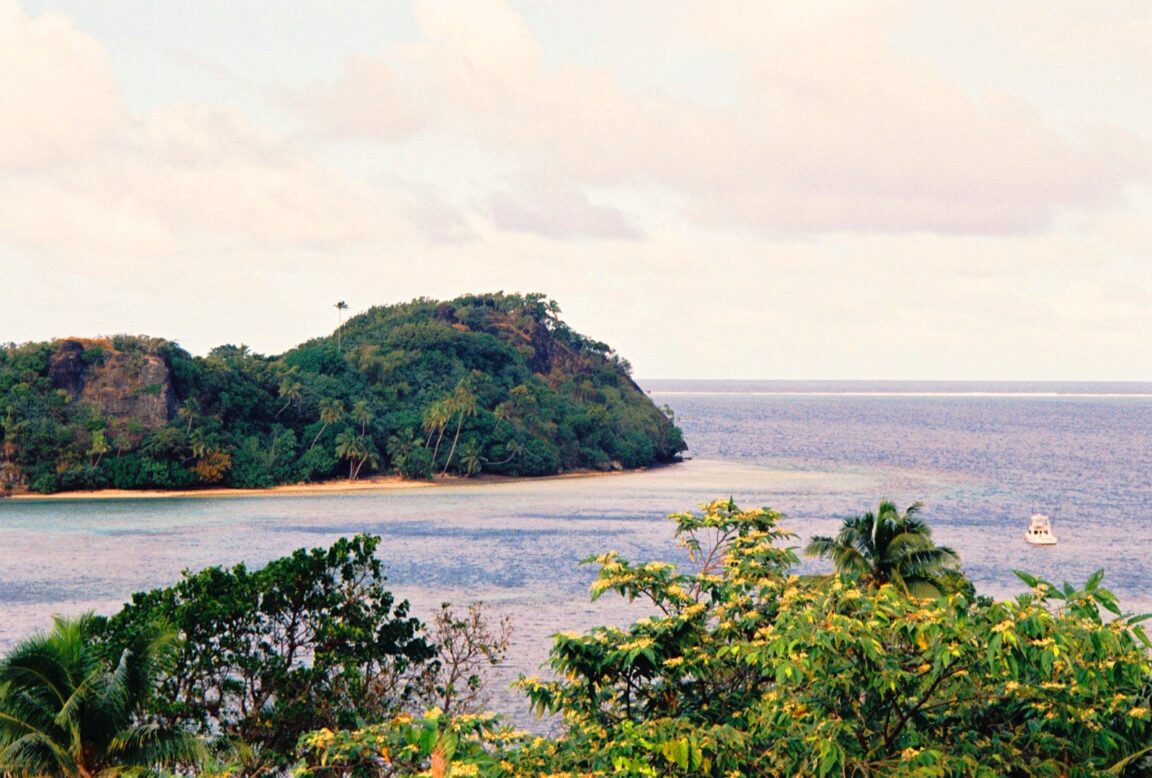
Kokomo occupies the whole of Yaukuve Levu, a 140 acre island on the edge of the Kadavu group in Fiji’s far south, far from the resort strips of Denarau and the Coral Coast. The island is ringed by white sand and wrapped in the lagoon of the Great Astrolabe Reef, a barrier reef system the resort describes as the fourth largest in the world, which arcs around Kadavu and its neighbouring islands and holds coral gardens, channels and passes rich in pelagic life. On land the resort is spread through rainforest and tropical gardens, with villas along the beach, residences in the hilltops, an island farm, and a working sustainability operation that includes solar generation, desalination and composting woven into daily operations according to resort and profile material. The effect is castaway geography with full infrastructure behind it: no neighbouring hotels, no day trip crowds on the house reef, and a night sky and soundscape that belong to a remote island rather than a resort zone. Travellers comparing Fijian private islands should also read our earlier guide to Likuliku Lagoon Resort, Fiji, a very different, adults focused Malolo Island alternative in the drier west.
What are the villas and residences like?
The beachfront villas
The 21 villas are the core of the resort and the right choice for most stays. Official resort material describes each villa with its own private pool, described across resort channels as an infinity pool, a tropical walled garden, an ocean view and direct access to the beach, in one, two and three bedroom formats including the three bedroom sunset villas on the island’s sunset side. Interiors follow traditional Fijian architectural cues with contemporary comfort, open plan living, and indoor and outdoor bathing. Choose a one bedroom villa for a couple, a two bedroom for a family that wants everyone under one roof, and a sunset side villa if evening light over the water matters to your routine.
The hilltop residences
The five residences are large private houses positioned in the hilltops among tropical gardens, built for multigenerational families and groups of friends travelling together. Resort material gives them the villa benefits plus dedicated butler and nanny service for the stay, with expansive indoor and outdoor living and views from sunrise to sunset. Named residences in resort channels run from three bedrooms up to a six bedroom sunset residence, so confirm the current residence line up and occupancy rules for your party size. Choose a residence when the trip is the family event of the year and shared space matters more than being steps from the sand; choose a villa when beach access and simplicity matter more.
What is there to do on and around the reef?
The Great Astrolabe Reef decides the daily programme. The resort’s dive operation works the reef’s coral gardens, walls and passages, with diving and snorkelling led in the company of the island’s marine team, and the house reef begins a short swim from shore for snorkellers who never want to board a boat. Manta rays are the signature encounter, and the resort’s manta programme invites guests on snorkelling excursions to photograph the spot patterns on a ray’s belly, images that feed an identification database used to track and protect individual animals. Beyond diving there is deep sea and sport fishing under the resort’s Dock to Dish ethos, sailing, kayaking, paddleboarding, boat trips to neighbouring islands and waterfalls, tennis, a gym and yoga, and long stretches of deliberate idleness at your own pool. Children are properly catered for rather than tolerated, with a kids club programme and, in the residences, nanny service included in the format, while the Astrolabe style family programmes build reef education, coral planting and beach discovery into the children’s day. Confirm which experiences are included in your rate and which are charged, as private charters and specialist excursions are typically extra even at all inclusive islands.
What about the spa, the farm and the food?
The Yaukuve Spa Sanctuary sits in lush tropical gardens and is the resort’s dedicated wellness space, offering massages, facials and body treatments in a garden setting rather than a hotel basement format. Food is a serious part of the Kokomo argument. The island farm, described in resort profiles as a 5.5 acre operation with a hydroponic greenhouse, chicken coop, beehives and a sea salt station, supplies herbs, fruit, vegetables and honey to the kitchens, and leftovers return to the system as compost. Dining centres on the Beach Shack, the resort’s spacious seaside restaurant for breakfast, lunch and dinner menus, Walker d’Plank, the boardwalk venue where the kitchen cooks to the day’s catch, and Kokokabana by the pool for lighter food, wood fired pizza and ice cream. Because the island grows and catches so much of what it serves, menus follow the farm and the boats rather than an imported formula, which is worth understanding before you book: this is farm and reef led dining, not a steakhouse and sushi counter line up.
How serious is the sustainability programme?
More serious than the category average, and specific enough to check. The marine biology team runs coral restoration, growing heat tolerant coral fragments on frames and transplanting them back to damaged reef, a programme guests can join through coral gardening and planting activities. The manta work combines guest photo identification with tagging and tracking research described in the resort’s 2025 conservation updates, alongside mangrove reforestation and a no take fishing zone near shore within a Dock to Dish policy for the fish that is served. On land, resort profiles describe solar panels powering much of the island’s daily rhythm, a desalination plant for drinking water, glass crushing and recycling, composting of food scraps into the farm system, and the hydroponic farm reducing imported produce. No remote diesel powered island is impact free, and transfers alone carry a footprint, but Kokomo publishes programmes with named mechanisms rather than slogans, and travellers who care can ask the marine team direct questions on arrival and join the work in the water.
Who does Kokomo suit best, and who should book elsewhere?
Kokomo suits milestone travellers who will use what the price buys: divers and strong snorkellers who want a great reef without a liveaboard, families spanning three generations who need space, staff and a kids programme that respects children, and couples marking a honeymoon or anniversary who prefer conservation and quiet to a party island. Among Fiji’s private islands it is the all rounder, welcoming families where some famous rivals are adults only or couples led. It suits travellers less well if the budget has a hard ceiling, because the island sits in Fiji’s top price tier before transfers are added; if you want to sample many islands, since reaching Kadavu is a commitment and the resort is the destination; or if you need walk out nightlife and independent dining, which a private island by definition cannot offer. Travellers weighing it against French Polynesia’s most famous private island atoll should compare our guide to The Brando, Tetiaroa, the closest Pacific peer in price and conservation ambition.
How do you get to Kokomo and when should you go?
Fly to Nadi International Airport, which receives direct flights from Australia, New Zealand, Hong Kong, Singapore, Japan and the United States, then transfer to the resort’s dedicated aviation hangar and luxury transfer lounge. From Nadi the resort’s own Twin Otter seaplane or helicopter covers the journey in around 45 minutes, and resort material also notes the island lies about 25 minutes by air south of Suva. Same day connections are time bound: the resort advises arrival flights landing before 3.00 pm and departure flights leaving after 10.00 am to make transfers work, and small aircraft luggage limits apply, so pack soft bags and confirm allowances when booking. Fiji’s drier season generally runs from May to October, the most reliable window for reef visibility and seaplane schedules, while the wetter months bring lush gardens, warmer seas and a higher chance of weather affecting both diving and transfers. Build a buffer night on the mainland into tight international connections in either season.
Frequently asked questions
How many villas and residences does Kokomo have?
The resort’s official material states 21 beachfront villas and five hilltop residences. Every villa has a private pool, walled tropical garden, ocean view and direct beach access, and the residences add dedicated butler and nanny service.
How long is the transfer from Nadi to Kokomo?
Around 45 minutes by the resort’s Twin Otter seaplane or helicopter. Guests use a dedicated transfer lounge at Nadi, and same day transfers require arrival flights landing before 3.00 pm and departures after 10.00 am, according to resort information.
Is Kokomo good for diving and snorkelling?
Yes. The island sits inside the Great Astrolabe Reef, described as the world’s fourth largest reef, with a PADI dive operation, resident marine biologists, guided snorkelling and diving, coral restoration activities and manta ray encounters that feed a photo identification programme.
Is Kokomo suitable for children?
Yes, unusually so for this price tier. The resort runs a kids club, family programmes built around the reef, and residences with nanny service, and it positions itself for intergenerational travel. Confirm current club ages, hours and babysitting arrangements for your dates.
What is included in the rate at Kokomo?
Kokomo is positioned as an all inclusive private island, and resort channels describe meals across its restaurants and a wide range of activities within the rate, with private charters, specialist excursions, spa treatments and transfers typically handled separately. Rates and inclusions change by season and offer, so confirm the exact inclusions for your villa and dates on the official site before paying.
What should I pack for Kokomo?
Soft sided luggage within the seaplane allowance confirmed at booking, swimwear and rash protection for long reef sessions, reef safe sunscreen, a light layer for evening sea breezes, and sandals that handle wet jetties. Divers can use resort equipment, but keen snorkellers often prefer their own mask. Smart casual is the ceiling of formality here.
Facts checked on 9 November 2026 against Kokomo Private Island’s official site, kokomoislandfiji.com, including its villa and residence descriptions, transfer information and reef and sustainability programme material. Rates are not quoted here because they change by date and villa type; check the official site for your stay.