 James Wolfe
The best way to eat in Istanbul is to treat the city as a sequence of small, specific meals rather than a hunt for one famous restaurant: a slow Turkish breakfast to start, a fish sandwich standing up at Eminonu, meze and grilled fish in the evening, and something sweet with strong coffee to finish. Istanbul rewards that rhythm because its food is organised by dish and by neighbourhood, with the European shore and the Asian shore each keeping its own habits. This guide puts the essential dishes in the order a first visit should meet them.
Quick Facts
- Start here: Kahvalti, the Turkish breakfast, is a spread of many small dishes, not a single plate, and the word itself means before coffee.
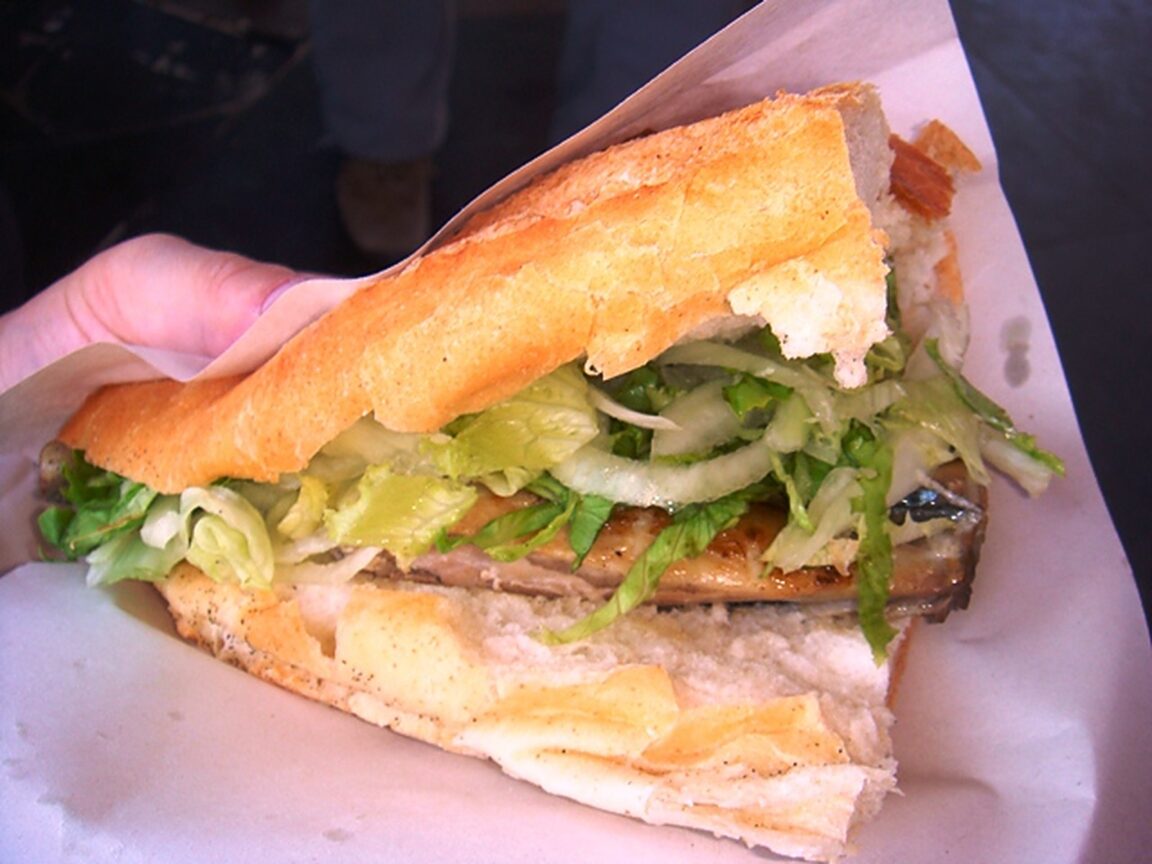
- The classic lunch: Balik ekmek, a grilled fish sandwich, eaten standing near the Galata Bridge at Eminonu.
- The kebab to learn: Iskender, sliced doner over pide with tomato sauce, hot butter and yogurt, invented in Bursa in the 19th century.
- The evening format: Meze first, then fish, in the meyhane tradition, often with raki for those who drink.
- The two shores: Karakoy, Beyoglu and Fatih on the European side; Kadikoy on the Asian side, reached by ferry.
- Last updated: 9 November 2026. Menus and opening days change often, so confirm with each venue before a special trip.
What is kahvalti, and why does breakfast come first?
Kahvalti is the meal Istanbul takes most seriously, and it is built for sharing and for time. Instead of one plate per person, the table fills with small dishes served together: several cheeses, including brined white cheese and a milder yellow kasar, black and green olives, sliced tomato and cucumber, honey, often served with kaymak, a thick clotted cream, jams and butter, fresh bread, and eggs. The hot dishes are where regional habits show. Menemen is eggs softly scrambled with tomato and green pepper, and sucuk, a spiced beef sausage, is frequently fried and served with eggs of its own. Borek, thin pastry layered or rolled around cheese, minced meat or potato, belongs to the same table.
The drink is tea, not coffee. Cay is black tea served in small tulip shaped glasses and refilled as long as the table is talking, while Turkish coffee traditionally comes after the meal, which is exactly what the name kahvalti records: the food that comes before coffee. Order the full spread, called serpme kahvalti when the dishes are scattered across the whole table, on a weekend morning when nobody is watching the clock, and treat it as the day’s first event rather than fuel for it.
How does the kebab family work beyond doner?
Doner, meat cooked on a vertical spit and shaved to order, is the foundation, but in Istanbul it is the beginning of the kebab conversation, not the end of it. The dish to understand first is Iskender. Thin slices of doner are laid over pieces of pide bread, covered with tomato sauce and hot melted butter, and served with yogurt on the side. It takes its name from Iskender Efendi, who created it in Bursa in the late 19th century, and it is still sometimes called Bursa kebab after its home city. Eating it in Istanbul is entirely normal, but knowing it travelled from Bursa explains why proud kebab houses advertise the connection.
Testi kebab works at the opposite speed. Meat and vegetables, usually beef or lamb with tomato, pepper and onion, are sealed inside a clay pot, the testi, and cooked slowly until the contents collapse into a rich sauce. The pot is cracked open at the table. The dish is a speciality of Cappadocia in Central Anatolia, where the pottery town of Avanos works the red clay of the Kizilirmak river, and Istanbul restaurants serve it as a regional guest rather than a local invention. Around those two poles, expect the wider grill family: shish kebab on skewers, Adana kebab of hand minced meat with chilli, and urfa kebab in the same style without the heat. Order one kebab properly rather than a mixed grill vaguely, and ask which region the kitchen is cooking from, because the answer tells you how it should taste.
What should you order at a meyhane?
The meyhane is Istanbul’s traditional tavern format, and its logic is meze first, fish second, and no rushing either. Meze are small sharing dishes that open the meal: white bean salad, stuffed vine leaves, Circassian chicken, haydari of thick yogurt with herbs, grilled octopus and seasonal salads among them. They arrive in waves, they are chosen from a tray or a display in many traditional rooms, and they are the point of the evening as much as what follows.
Raki, the anise flavoured spirit that turns milky when water is added, is the classic partner, and the pairing of raki with fish, raki balik, is a settled Istanbul ritual for those who drink. Alcohol is a choice, never an obligation, and tea, water and soft drinks sit comfortably in the same format. The fish course that follows the meze is usually grilled whole or in fillets, priced and chosen by what the market delivered that day. A first timer’s rule is simple: let the meze run long, share everything, and order the fish the waiter describes as freshest rather than the one you recognise from home.
Which street foods are actually essential?
Three stops cover the essential street level of the city. At Eminonu, below the Galata Bridge, balik ekmek is grilled fish, usually mackerel, served in bread with onion and lettuce and eaten standing up within sight of the water and the boats and stalls along the quay. It is fast, salty and exactly as much ceremony as it needs. Midye dolma are mussels stuffed with spiced rice, sold from trays and stalls, squeezed with lemon and eaten in one bite, one after another, for as long as you decide to stand there. Kokorec is the stop for the committed: seasoned offal, traditionally lamb intestines, roasted on a horizontal spit, chopped finely with tomato and pepper, and served in bread or on a plate. Its flavour is rich and deeply seasoned rather than challenging, and it is a late night institution as much as a lunch.
Fill the gaps between meals the local way. Simit, the sesame crusted bread ring sold from red carts and bakeries across the city, is the default walking snack, good plain and better with cheese. Borek reappears at street counters in its crisp, rolled forms. None of these stops needs a reservation or a plan beyond appetite, and together they explain Istanbul faster than any single formal dinner.
What about dessert, coffee and tea?
End sweet, and end slowly. Baklava, layers of fine pastry, nuts and syrup, is the famous name, and the pistachio version most associated with Gaziantep in the southeast is the one to seek out first. Kunefe is the hot alternative: shredded pastry around unsalted cheese, baked until crisp, soaked in syrup and covered with ground pistachio, served warm so the cheese pulls. Sutlac, baked rice pudding, often with a blistered top, is the quieter classic, and it is the dessert most likely to appear at the end of an ordinary local meal.
Turkish coffee is a ritual with its own rules. It is brewed slowly in a small pot, a cezve, from finely ground coffee, served in small cups with a glass of water, and its culture and tradition were inscribed by UNESCO on the Representative List of the Intangible Cultural Heritage of Humanity in 2013. Order it by sweetness, sade for none, orta for medium, sekerli for sweet, because sugar goes in during brewing, not at the table. Tea needs no instructions at all: it will arrive, in its tulip glass, at every pause in the day, and accepting it is simply how Istanbul talks.
Where should you eat, shore by shore?
On the European side, Fatih holds the historic peninsula and the densest concentration of traditional cooking, from Eminonu’s fish sandwich stands to old kebab houses and pudding shops. Karakoy, at the foot of the Galata Bridge, mixes working lunch counters with newer cafes and is the easiest first base for a food focused stay. Beyoglu, up the hill around Istiklal Avenue, is meyhane country in its side streets and the natural evening district. Cross the Bosphorus by ferry to Kadikoy on the Asian side for the city’s great market quarter, where produce stalls, pickle shops, meze counters and small restaurants serve a mostly local crowd and reward unhurried grazing. The ferry ride is not a detour from the food day. It is part of it.
For one formal dinner, the Michelin Guide’s Istanbul selection is the reliable discovery signal. The guide gives two stars to TURK Fatih Tutak, where chef Fatih Tutak reworks Anatolian traditions, and one star to a group that includes Mikla, on a Beyoglu rooftop with its New Anatolian cooking, and Neolokal, which reinterprets traditional recipes with a strong sustainability focus. Book any of them directly and well ahead, and keep them as the single planned splurge inside an otherwise street level trip. For a place to stay between meals, see our earlier visit to the Ciragan Palace Kempinski in Istanbul, a Bosphorus side palace hotel on the European shore. Readers planning a wider food first itinerary may also enjoy our guide to what to eat in San Sebastian, another city where the best meal is a sequence of small stops.
Frequently Asked Questions
What is the one dish a first timer must not miss in Istanbul?
If only one formal plate is possible, make it Iskender, because it teaches the whole doner tradition in a single composed dish of sliced meat, pide, tomato sauce, hot butter and yogurt. If only one informal stop is possible, make it balik ekmek at Eminonu, eaten standing up by the Galata Bridge.
Is Turkish breakfast really that big?
Yes, in its full serpme form it is designed to cover the table with small dishes and to take time, especially at weekends. A working weekday kahvalti can be much smaller, but visitors should order the full spread once, share it, and expect tea refills throughout.
Do you need to drink raki at a meyhane?
No. Raki with fish is a classic pairing and part of the meyhane tradition, but the format of meze followed by grilled fish works completely without alcohol. Order what you enjoy, and let the table set the pace.
Is kokorec safe for a cautious eater?
Kokorec from a busy, high turnover grill is a mainstream Istanbul food, finely chopped, well seasoned and cooked through on the spit. Choose a crowded specialist, as with any street food anywhere, and start with a small portion in bread if you are unsure.
Which side of the city is better for food, European or Asian?
Both, for different meals. The European side holds the historic districts, the meyhanes of Beyoglu and the Eminonu street food around the Galata Bridge. The Asian side, above all Kadikoy market, offers the most local feeling grazing. The ferry between them takes minutes and belongs in the plan.