 Wei Chen
Four days in Sydney is enough for a first visit if the days are grouped by geography: one day on the harbour around Circular Quay, the Opera House and The Rocks, one day on the eastern beaches walking from Bondi to Coogee, one day across the harbour by ferry to Manly, and one day kept flexible for a Blue Mountains day trip to Katoomba or for the neighbourhoods and museums missed earlier. Stay near Circular Quay, Town Hall or the central business district so trains, light rail and ferries are all within a short walk, pay for every trip with an Opal card or a contactless bank card, and start the outdoor days early, when the light is best and the coastal paths are quietest.
What are the quick facts for a first trip to Sydney?
- Best base: Circular Quay, The Rocks or the central business district for ferries, trains and walkable sightseeing
- Getting around: Opal card or contactless payment on trains, buses, light rail and ferries, with daily fare caps
- Opal adult daily cap: A$19.30 Monday to Thursday and A$9.65 Friday to Sunday and public holidays, checked on Transport for NSW on 10 November 2026
- Day 1 highlight: Sydney Opera House, Royal Botanic Garden and The Rocks
- Day 2 highlight: The Bondi to Coogee coastal walk, about 6 kilometres one way
- Day 3 highlight: The Manly ferry from Circular Quay, then Shelly Beach and North Head
- Day 4 option: Blue Mountains by train to Katoomba for Echo Point and the Three Sisters, about 1.5 to 2 hours each way by road and a comparable train journey
- Airport link: Train from Sydney Airport stations to the city, with a separate station access fee that sits outside the daily cap
Where should first timers stay in Sydney?
Circular Quay and The Rocks suit travellers who want the harbour on the doorstep. The Opera House, the ferry wharves and the Harbour Bridge are all walkable, and trains from Circular Quay and Wynyard connect to the rest of the city. The trade off is price: harbour view rooms in this pocket are among the most expensive in Sydney, and the area quiets down once day visitors leave.
The central business district around Town Hall, Martin Place and Hyde Park is the practical middle ground. Hotels here are a short walk or one light rail stop from Circular Quay, close to shopping and restaurants, and well placed for trains to Bondi Junction, the airport and Katoomba. Surry Hills, just south of the centre, suits travellers who prefer smaller hotels, cafes and dining streets over a harbour view, while staying in Manly or Bondi works best for a beach focused trip where the city centre is a ferry or bus ride away rather than the base.
For a four day first visit, centrality beats a view. A traveller who can walk to a station and a ferry wharf in under ten minutes will use the Opal network constantly and lose very little time to transfers. Readers planning a longer Australian trip can pair this itinerary with our guide to Ningaloo Reef and its whale sharks on the west coast, and anyone routing through Southeast Asia can use our two day Singapore itinerary for a stopover.
How does the Opal card work, and do you need one?
Sydney runs on one payment system. According to Transport for NSW, travellers can tap on and off with an Opal card or with a contactless credit card, debit card or device, and receive the same Opal benefits, including daily and weekly caps, transfer discounts and off peak savings on metro, train, bus and light rail services. An adult pays no more than A$19.30 a day Monday to Thursday, A$9.65 a day Friday to Sunday and on public holidays, and A$50 in a week, at the fares checked on 10 November 2026.
That cap structure shapes this itinerary. Put the Manly ferry and any heavy travel day on a Friday, Saturday or Sunday if the dates allow, because the lower weekend cap makes a ferry heavy day strikingly cheap. Always tap off, use the same card or device for every tap so the caps and transfer discounts apply correctly, and remember that the Sydney Airport station access fee is charged on top of the normal fare and is not included in the daily cap.
What should you do on day 1 around the harbour?
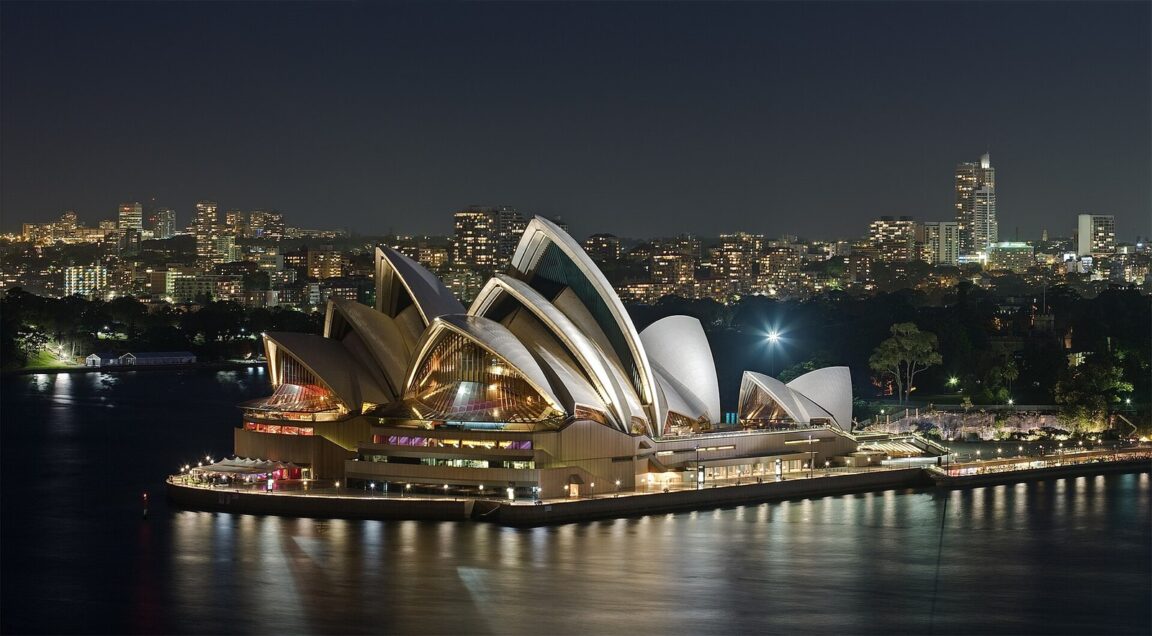
Start at Circular Quay and walk east along the harbour promenade to the Sydney Opera House at Bennelong Point. The forecourt and the lower concourse are free to explore, and the building is a working performing arts centre, so the interior is best seen on a guided tour or at a performance. The Opera House advises that tours run daily from 9am, subject to availability, and that the site is a seven to ten minute walk from Circular Quay; check times and book through the official Opera House site rather than a reseller. Book the first tour of the day if possible, before school groups and cruise passengers arrive.
Continue through the Royal Botanic Garden to Mrs Macquarie’s Chair for the classic view back across Farm Cove to the Opera House and Harbour Bridge together. Then walk back through the city or along Macquarie Street, past the Art Gallery of New South Wales if an exhibition appeals, and spend the afternoon in The Rocks, the oldest streets in Sydney, under the southern end of the Harbour Bridge. Walking the bridge footpath from The Rocks to Milsons Point is free and gives the harbour panorama that paid climbs sell, at ground level effort. Return by train from Milsons Point or by ferry to Circular Quay in the late afternoon light.
How do you walk from Bondi to Coogee on day 2?
Take the train to Bondi Junction, then a bus down to Bondi Beach, and arrive early. Bondi is a broad, patrolled surf beach with the Bondi Icebergs ocean pool at its southern end. Swim between the flags if the surf is manageable, then start the coastal walk from the southern headland. The walk runs about 6 kilometres one way to Coogee and takes two to three hours with stops, passing Tamarama, Bronte and Clovelly beaches and a series of ocean pools and small bays cut into the sandstone cliffs.
The walk is paved for most of its length but includes steps and exposed sections with little shade, so carry water, wear a hat and start before the middle of the day in summer. Bronte, roughly halfway, is the natural lunch and swim stop, with a sheltered ocean pool and a park behind the beach. At Coogee, swim at the main beach or at Wylie’s Baths, then take a bus back toward the city or to Bondi Junction. Travellers who prefer a shorter version can walk Bondi to Bronte, swim, and turn back, and still get the essential clifftop experience.
Why is the Manly ferry the essential harbour trip on day 3?
Because it is public transport that behaves like a harbour cruise. Ferries leave Circular Quay for Manly throughout the day, crossing the harbour past the Opera House, Fort Denison and the headlands before arriving at Manly Wharf, a short walk from the ocean beach through The Corso. Sit outside on the right hand side leaving Circular Quay for the Opera House view, and expect the crossing to feel noticeably more open once the ferry passes the inner harbour and heads toward the Heads.
In Manly, divide the day between the ocean side and the harbour side. The ocean beach suits surfing and a long promenade walk toward Queenscliff. A short, flat walk in the other direction reaches Shelly Beach, a small, sheltered cove that is part of a protected aquatic reserve and the best easy snorkelling spot close to the city. Walkers with energy left can continue toward North Head for views back through the harbour entrance to the city skyline. Return on a late afternoon ferry for the best light, and note that ferries can be delayed or reduced in poor weather, so keep the Manly day for a fair forecast if the four days allow any reordering.
Should day 4 go to the Blue Mountains or stay in the city?
What does the Blue Mountains day trip involve?
The Blue Mountains are the classic Sydney day trip and the right choice for travellers who value landscape over more city sightseeing. Trains run from Central to Katoomba, the main gateway town. From Katoomba, local buses and walking routes reach Echo Point, where, as NSW National Parks describes it, visitors look out over the Three Sisters rock formation, Mount Solitary and the sandstone cliffs above the Jamison Valley. The short Three Sisters walk from Echo Point is 0.8 kilometres return. The Katoomba area is around 1.5 to 2 hours drive from Sydney, and the train takes a comparable time, so this is a full day: leave early, pack layers because mountain weather is cooler and changes quickly, and check park alerts before travelling.
What if you stay in Sydney instead?
Staying in the city suits travellers who dislike long transfer days or who arrived to unsettled weather. Use the day for the Art Gallery of New South Wales and the Australian Museum, for the ferry to Watsons Bay and the walk to South Head, or for neighbourhood time in Surry Hills, Newtown or Balmain, each a short bus or ferry ride from the centre. A second harbour ferry day is never wasted in Sydney: the network is cheap under the Opal caps, and each route shows a different face of the harbour.
What are the most common first timer mistakes in Sydney?
The first is underestimating distance. Sydney is spread around a large harbour, and a map makes Manly, Bondi and Katoomba look closer than the travel times feel. Group each day by area, as this itinerary does, rather than crossing the city repeatedly. The second is treating the beaches casually: swim between the red and yellow flags at patrolled beaches, respect surf conditions, and remember that ocean pools are often the calmer choice. The third is forgetting sun protection. Sydney sun is strong even on cool, windy days, and the coastal walk and ferry decks offer almost no shade. Finally, do not buy separate paper tickets or a tourist pass before checking the Opal caps: for most visitors, tapping a contactless card and letting the caps apply is the simplest and cheapest system.
Frequently asked questions about a first Sydney trip
How many days do you need in Sydney for a first visit?
Four days covers the harbour icons, one full beach and coastal walk day, the Manly ferry and one major day trip or museum day without rushing. Three days works if the Blue Mountains are dropped. Five or more days allow a slower pace and a second day trip.
Do you need a physical Opal card?
No. Transport for NSW confirms that a contactless bank card or device receives the same Opal fares and benefits as an Opal card for adult travel. A physical Opal card still suits travellers who prefer a separate travel card or who need concession fares.
How long does the Bondi to Coogee walk take?
About two to three hours for the roughly 6 kilometre one way walk, allowing for swims and photo stops. Walking it in one direction and taking a bus back is the standard approach.
Is the Blue Mountains day trip worth it on a four day visit?
Yes for landscape focused travellers, because Katoomba, Echo Point and the Three Sisters show a completely different, World Heritage listed environment about two hours from the city. Skip it in heavy rain or low cloud, when the valley views disappear, and spend the day in the city instead.
What is the cheapest day for heavy ferry and train use?
Friday, Saturday, Sunday and public holidays, when the adult Opal daily cap falls to A$9.65, compared with A$19.30 Monday to Thursday, at the fares checked on Transport for NSW on 10 November 2026. Fares change, so confirm the current caps before travelling.
Where is the best area to stay without a car?
Near Circular Quay, Town Hall or Martin Place, where trains, light rail, buses and ferries intersect and most first visit sights are walkable. Surry Hills is the best value alternative for dining and smaller hotels.