 Elena Vasquez
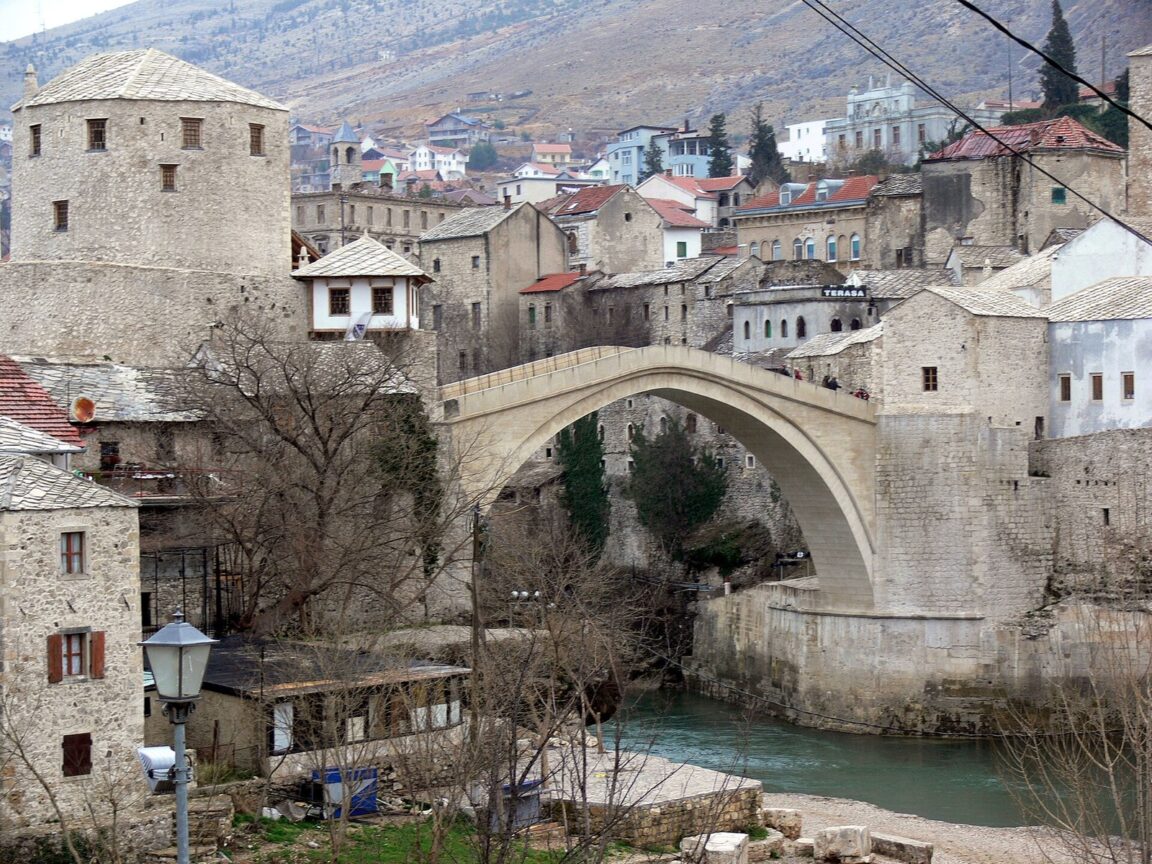
Mostar deserves an overnight, not just a day trip, because its famous Ottoman bridge, Stari Most, and the cobbled old town around it are at their best in the early morning and evening, after the tour buses leave. Stay at least one night, cross the bridge slowly, understand what was destroyed in 1993 and rebuilt by 2004, and use the second morning for the mosques, museums, and riverside cafes that day visitors never reach.
Quick Facts: Mostar at a Glance
- Where: Mostar, in the Herzegovina region of southern Bosnia and Herzegovina, on the Neretva River.
- Known for: Stari Most, the single-arch Ottoman bridge first completed in the 16th century, destroyed on November 9, 1993, and reopened after reconstruction on July 23, 2004.
- Heritage status: The Old Bridge Area of the Old City of Mostar is inscribed on the UNESCO World Heritage List.
- How long: One night minimum, two for a relaxed pace with a half-day excursion.
- Nearest comparisons: Travelers pairing Balkans old towns often combine Mostar with the walled port in our Kotor travel guide.
- Last checked: November 11, 2026.
Why Does Mostar Reward Staying Overnight?
The standard Mostar visit lasts about three hours: a bus from the Croatian coast or Sarajevo, a walk across the bridge, a photograph from the riverbank, lunch, and departure. That version is not wrong, exactly, but it catches the town at its most crowded and its least atmospheric. The old town lanes are narrow, and between late morning and mid afternoon in season they fill completely. The same streets at eight in the morning, with shop shutters opening and coffee arriving at empty tables, feel like a different place.
An overnight also changes the light. Stari Most is a pale stone arch over green water, and its most forgiving photographs come early and late in the day, when the sun is off the stone and the Neretva runs dark green below. Evening brings a second reward: the restaurants along the river serve dinner to a mostly local and staying crowd, the bridge is lit, and the call and response of the town settles into something closer to ordinary life. Two nights allow a slower version still, with time for the surrounding Herzegovina countryside.
What Is Stari Most, and What Happened to It?
Stari Most means Old Bridge. The single-arch stone bridge was built in the Ottoman period and completed in the 16th century, traditionally dated to 1566 or 1567, to the design associated with the architect Mimar Hayruddin. For more than four centuries it joined the two banks of the Neretva and the two halves of the town, becoming the defining image of Mostar and one of the most celebrated pieces of Ottoman engineering in the Balkans. Its span is about 29 metres, and the deck rises in a steep arc that walkers feel in their calves: this is a bridge designed for people and pack animals, not wheels.
On November 9, 1993, during the Bosnian war, the bridge was destroyed by shelling and fell into the river. The loss was felt far beyond Mostar, because the bridge had symbolized connection between communities as much as it served as a crossing. Reconstruction became an international project, using traditional materials and techniques and, where possible, stone recovered from the river. The rebuilt bridge opened on July 23, 2004, and the surrounding old bridge area was inscribed by UNESCO the following year, recognized both for the architecture and for what the rebuilding represented. Visitors should hold both facts at once: the bridge in photographs is a faithful reconstruction, and its power comes partly from that story, not in spite of it.
Crossing the bridge well
Walk it more than once, and slowly. The stone surface is smooth and can be slippery, with raised ribs that help in dry weather and demand care in rain. Pause at the crown for the classic view along the Neretva to the minarets and the hills, then look down: in summer, members of the local diving tradition leap from the bridge into the river far below, a practice with a long history in Mostar. Visitors should watch, applaud, and leave the jumping to the trained local divers who know the water. The best viewpoints are from the riverbanks below the bridge, from the smaller Crooked Bridge nearby, and from the minaret and terraces described below.
How Is the Old Town Laid Out?
The old town, Stari Grad, clusters on both banks around the bridge. The eastern bank holds the oldest lanes, the main mosques, and the bazaar street of Kujundziluk, named for the coppersmiths who worked there and still lined with small workshops, metalwork, textiles, and cafes. The western bank mixes old town streets with the later city, and it is where many visitors find the bridge-view restaurants. Everything in the historic core is walkable, and the honest way to explore it is on foot, in loops, crossing and recrossing the river by both Stari Most and the smaller bridges upstream and down.
Travelers building a wider Balkans route will find the same rhythm of walls, water, and old stone in our guide to Matera and its cave districts, a different country but a similar lesson: the famous view is the beginning of the place, not the whole of it.
The mosques and the minaret view
The Koski Mehmed Pasha Mosque, on the eastern bank a short walk from the bridge, is the visit that best repays a small effort. Its courtyard frames a postcard view of Stari Most, and visitors who dress respectfully and follow the posted arrangements can climb the minaret for the finest panorama in town: the bridge below, the river bending away, and the old town roofs on both banks. The Karadjoz Bey Mosque, larger and older, anchors the eastern side of the old town and rewards a quieter look at Ottoman Mostar beyond the bridge itself.
Museums that add the missing context
The Museum of War and Genocide Victims and the war photography exhibitions in the old town present the 1990s conflict directly and personally. They are sobering, and deliberately so. A visit balances the beauty of the bridge with an understanding of what the town endured within living memory, and why the reconstruction mattered. Allow unhurried time, and consider visiting a museum before the bridge viewpoints: the photographs read differently afterward. The Old Bridge museum displays near the bridge itself explain the rebuilding, including the recovery of original stones from the river.
What Should an Overnight Itinerary Look Like?
Arrival afternoon and evening
Arrive, settle into accommodation in or near the old town, and make a first crossing of the bridge in late afternoon light. Walk Kujundziluk while the workshops are open, take coffee on the eastern bank, and then cross back for dinner on a riverside terrace with a bridge view. After dinner, walk the lit old town: the bridge at night, uncrowded, is the single best argument for staying.
The full morning
Start early with a second crossing before day groups arrive. Visit the Koski Mehmed Pasha Mosque courtyard and minaret in the morning light, spend an hour in one of the war museums, and then drop down to the riverbanks for the low viewpoints and the Crooked Bridge, a miniature companion to Stari Most that predates it as a kind of rehearsal in stone. Lunch on cevapi or grilled trout at a local restaurant away from the bridge-front terraces, where prices and quality both improve with a five-minute walk.
The second afternoon, if staying two nights
Use the extra half day for Herzegovina beyond Mostar. The Dervish house at Blagaj, built where the Buna River pours from a cliff cave a short drive away, and the hilltop village of Pocitelj, with its Ottoman-era houses climbing above the Neretva, are the classic pair. Both are busy at midday and better early or late, which is another dividend of sleeping locally rather than day tripping.
Where Should Visitors Stay, and When Should They Go?
Staying inside or immediately beside the old town is the choice that makes the overnight strategy work, since the magic hours are before breakfast and after dinner. Small guesthouses and boutique properties fill the historic lanes, while larger hotels sit a short walk away in the newer city and can suit drivers who need parking. Drivers should confirm parking in advance: old town streets were not built for cars, and the nearest practical parking may be a walk from the door.
Spring and autumn are the comfortable seasons, with warm days, thinner crowds, and a river at its greenest. Summer brings heat that reflects off the stone and the full weight of day-trip traffic, though it also brings the diving season and long evenings. Winter is quiet and atmospheric, with shorter days and some businesses on reduced hours. Whenever the visit falls, one habit pays: schedule the bridge and the minaret for the edges of the day, and give the middle of the day to museums, long lunches, and shade.
How Do Travelers Reach Mostar?
Mostar is commonly reached by road or rail from Sarajevo, with the journey through the Neretva valley ranking among the most scenic in the country, and by road from the Croatian coast, including Dubrovnik and Split. The town has its own small airport with limited services, so most international visitors route through Sarajevo or a Croatian gateway and continue overland. Day-trip excursions from the coast are plentiful, which is precisely the pattern this guide argues against: use the same roads, but sleep at the destination.
Frequently Asked Questions
Is one day enough for Mostar?
A day trip shows the bridge and the bazaar street, but it misses the quiet morning and evening hours that make Mostar memorable. One overnight is the minimum this guide recommends, and two nights allow a Herzegovina excursion to Blagaj or Pocitelj.
When was Stari Most rebuilt?
The original Ottoman bridge, completed in the 16th century, was destroyed on November 9, 1993, during the Bosnian war. The reconstruction, built with traditional techniques and recovered stone, opened on July 23, 2004, and the old bridge area was then inscribed by UNESCO.
Can visitors walk across Stari Most?
Yes. The bridge is a pedestrian crossing and the centerpiece of the old town. The stone deck is steep and can be slippery, especially in rain, so unhurried steps and sensible shoes help.
Can anyone dive from the bridge?
No. Bridge diving in Mostar is performed by experienced local divers who know the river. Visitors should watch from the banks and never attempt the jump themselves.
What else should be seen besides the bridge?
The Koski Mehmed Pasha Mosque and its minaret view, the Kujundziluk bazaar lane, the Crooked Bridge, the war museums in the old town, and, with extra time, the Dervish house at Blagaj and the village of Pocitelj.