 Camille Baptiste
Palmaia, The House of AiA, is the Riviera Maya all-inclusive for travelers who want the beach without the buffet lines and the bar crawl: an oceanfront wellness resort at the quiet southern end of Playacar, in Playa del Carmen, where the days are organised around yoga decks in the jungle, a spa set among cenotes, plant-based restaurants and sound and meditation sessions, and where the standard all-inclusive wristband energy has been deliberately replaced by something slower, quieter and more structured. It suits wellness-led couples, solo reset trips and calm family stays far better than it suits party groups, food travelers who want meat at every meal, or anyone who plans to spend the week off resort sightseeing. This guide explains how the resort is laid out, how its AiA Wellness programme actually works, what the dining involves, and who should book it, and who should book somewhere else.
Quick Facts: Palmaia at a Glance
- Where: Paseo Xaman-Ha, Playacar, 77710 Playa del Carmen, Quintana Roo, Mexico, at the southern end of the gated Playacar community, between the Caribbean beach and protected jungle.
- Style: Wellness-led, all-inclusive beach resort. Every suite faces the ocean, and the buildings sit back in the jungle rather than on the sand.
- Wellness: The AiA Wellness programme and its Architects of Life guides run a daily schedule of included activities, from yoga and meditation to sound sessions, breathwork and art classes, with the Atlantis Spa and a temazcal for booked treatments and ceremonies.
- Dining: Mostly plant-based by default, with non-vegan options available. Restaurants include Lek for Mexican cooking, Ume for Asian cooking, Mar de Olivo for Mediterranean cooking, Su Casa on the beach, the Plantissa cafe and the Charly’s Vegan Tacos food truck.
- Best for: Travelers who will actually use a wellness schedule: yoga and spa people, plant-based eaters, couples on a reset trip and families who want a calm base.
- Not ideal for: Nightlife trips, mega-resort entertainment seekers, and travelers who want to walk out of the gate into Playa del Carmen’s Fifth Avenue scene every night.
- Airport: Cancun International Airport is the arrival airport for the Riviera Maya, roughly an hour south by road transfer, arranged in advance.
- Last checked: November 11, 2026, against the resort’s official site, thehouseofaia.com. Rates change constantly and are not quoted here: check the official booking page for your dates.
Where exactly is Palmaia, and why does the setting matter?
Playacar is the gated resort and residential zone immediately south of central Playa del Carmen, and Palmaia sits at its far, quiet end, where the development stops and the jungle takes over. The resort’s own description of the site is unusually literal: seven buildings stand just inside the jungle line like a buffer between the beach and the ecosystem behind it, and the resort was built up rather than out to leave as much of the land as possible untouched. Woven wooden tunnels, elevated walkways and shaded paths connect the buildings to the beach, the restaurants and the spa, so moving around the resort feels more like walking a nature reserve with rooms in it than crossing a hotel complex. Natural cenotes, the freshwater sinkholes sacred in Maya tradition, sit inside the grounds, and remnants of Maya sites survive on the land, out of public view. For a wider Riviera Maya base comparison, the beach logic here is the opposite of the town beach clubs: seclusion is the product. Travelers choosing between resort zones should also read the guide to the best beach resorts in Tulum, by travel style, because Tulum’s smaller, scene-led beach road hotels suit a very different trip from Palmaia’s enclosed calm.
How does the AiA Wellness programme work in practice?
Wellness at Palmaia is not a spa menu with a yoga class attached. The resort’s organising idea, called AiA Wellness, places plant-based food, movement, sound, ritual and personal growth work in one system, led on site by resident guides the resort calls its Architects of Life. The practical translation is a full daily schedule of included sessions spread across yoga decks, meditation spaces and the beach: yoga in several styles, guided meditation, breathwork, sound healing and the resort’s Rituals of Sound music sessions, plus creative and reflective classes such as art workshops and ceremonies rooted in Maya tradition, including temazcal, the traditional sweat lodge ceremony. The important design choice, which the resort states plainly, is that nothing is compulsory and there is no prescribed itinerary: guests dip into the schedule at whatever depth they want, and private one to one sessions and spa treatments sit on top of the included programme for an additional fee. That opt-in structure is what separates Palmaia from a strict retreat. A guest can do sunrise yoga, a sound session and a ceremony in one day, or spend the same day on the beach and join only an evening meditation, and both patterns are normal here.
What is the Atlantis Spa like?
The Atlantis Spa is set inside the jungle and cenote landscape rather than in a basement wellness floor, with treatment spaces tucked among the trees and water. Treatments draw on both contemporary spa technique and Maya-inspired ritual, and the temazcal ceremonies are led as group experiences on set days rather than on demand, so travelers for whom the temazcal matters should ask the resort for the current schedule before booking dates around it. Spa services are the main wellness element that costs extra, and the sensible pattern is to use the included daily programme as the backbone of the stay and book one or two signature treatments rather than trying to buy the whole experience at the spa desk.
What will you actually eat at Palmaia?
Food is the resort’s second headline. Menus are plant-based by default across the resort, built on fresh, seasonal and local ingredients, with non-vegan options of animal protein and dairy available for guests who want them, a model the resort describes as removing the barriers to trying plant-based eating rather than policing it. Dining is a la carte rather than buffet-led. Lek is the flagship Mexican restaurant, reworking regional Mexican dishes and Yucatan flavours in a formal dinner setting. Ume is the Asian restaurant, with Japanese influences and a dinner service that includes a multi-course tasting format. Mar de Olivo covers Mediterranean cooking. Su Casa is the relaxed beachfront restaurant for Caribbean and international dishes across the day. Plantissa is the healthy cafe, serving smoothies, juices, bowls, bakery items, sandwiches and coffee for breakfast and lunch. The most famous single stop is the beach food truck, Charly’s Vegan Tacos, run under chef Charly Garcia, whose vegan taco truck was a Tulum food scene name before it moved to Palmaia: the truck specialises in street style tacos that recreate the textures of meat tacos with ingredients such as jackfruit and mushrooms, all made in house. Travelers who eat their way around a destination will find the contrast instructive alongside our Mexico City food guide, where the same taco grammar is played by the capital’s street stands rather than a resort kitchen.
What are the suites like?
Every suite at Palmaia faces the ocean and has a private balcony, and the categories step up from standard oceanfront suites to swim-out suites with direct access to the infinity pools, family-oriented layouts with bunk space for children, and larger master suites. Interiors follow the resort’s eco-conscious, cruelty-free positioning, with amenities chosen to match the plant-based ethos, so travelers who care about that detail get consistency rather than a standard minibar and toiletry set. Because the buildings stand in the jungle behind the beach, the walk from room to sand runs through the shaded walkways and tunnels, a minute or two of green corridor that most guests name as part of the appeal and that travelers with limited mobility should ask about in advance, since the resort’s paths, decks and cenote terrain are natural surfaces rather than a flat hotel grid.
Is Palmaia adults-only, or does it work for families?
Neither extreme, and this is the point most listings blur. Palmaia is not an adults-only resort: it welcomes families, has family suite layouts, and runs children’s programming in its kids’ club, which draws on Waldorf-style nature and creativity play. At the same time, the atmosphere is set by the wellness schedule, the spa and the quiet jungle setting, and there are adults-oriented spaces and a calm pool scene rather than waterslides and animation teams. The honest summary is that Palmaia suits families whose idea of a good day is beach, pool, nature activities and early nights, and suits them well. Families who want a kids’ water park, big evening entertainment and a lively bar scene should book one of Playacar’s conventional all-inclusives instead, and couples who require a guaranteed child-free resort should also look elsewhere, because children will be present, just not catered to at mega-resort scale.
Who does Palmaia suit best, and who should skip it?
Book Palmaia if the wellness programme is the point of the trip: if a daily choice of yoga, meditation, sound work and ceremony, a jungle spa, a long quiet beach and genuinely interesting plant-based food sounds like a holiday rather than a penance, this is one of the very few all-inclusives built entirely around that brief, and its two Michelin Key recognition underlines that the hotel operation matches the concept. Book it also for a reset trip after a hard year, a plant-based food trip without compromise, or a multigenerational stay that needs calm more than it needs programming. Skip it if you want Playa del Carmen itself on your doorstep every night, if a holiday means a swim-up bar and a foam party, if you are travelling to eat your way through the Yucatan’s meat and seafood traditions at local stands, or if you will not use the included schedule, because a Palmaia rate buys that schedule as much as it buys the room, and an unused programme is poor value. Finally, treat the resort as a destination in itself: guests who plan daily excursions to ruins, cenotes and Cozumel will spend the stay fighting the transfers, while guests who leave the grounds once or twice get the balance right.
Frequently Asked Questions
Is Palmaia an adults-only resort?
No. Palmaia welcomes families, offers family suites and runs a children’s club, but the overall atmosphere is quiet and wellness-led, and parts of the resort are oriented to adults. Travelers who need a guaranteed adults-only property should choose a different resort.
Is all the food at Palmaia vegan?
Menus are plant-based by default and the resort is known for its vegan cooking, including the Charly’s Vegan Tacos food truck, but non-vegan options, including seafood, eggs, cheese and meat, are available for guests who want them. Dining is a la carte at the restaurants rather than buffet-based.
What is included in the AiA Wellness programme?
A daily schedule of group activities is included in the stay, covering practices such as yoga, meditation, breathwork, sound sessions and art and ritual classes, led by the resort’s Architects of Life guides. Private sessions and Atlantis Spa treatments cost extra, so confirm the current schedule and treatment prices with the resort.
How far is Palmaia from Cancun airport and from Playa del Carmen?
Palmaia sits in Playacar, just south of central Playa del Carmen, inside the gated community at its southern end. Cancun International Airport is the arrival airport for the region and the transfer is by pre-booked road shuttle or private car. Arrange the transfer before arrival, because the resort is reached through Playacar rather than by walking in from town.
When is the best time to stay at Palmaia?
The Riviera Maya’s driest, most settled weather generally runs from late autumn through spring, which is also peak pricing season across the region. The summer and early autumn months bring heat, humidity and the hurricane season watch, along with lower rates. The wellness programme runs year round, so shoulder season stays trade weather certainty for value and quiet.
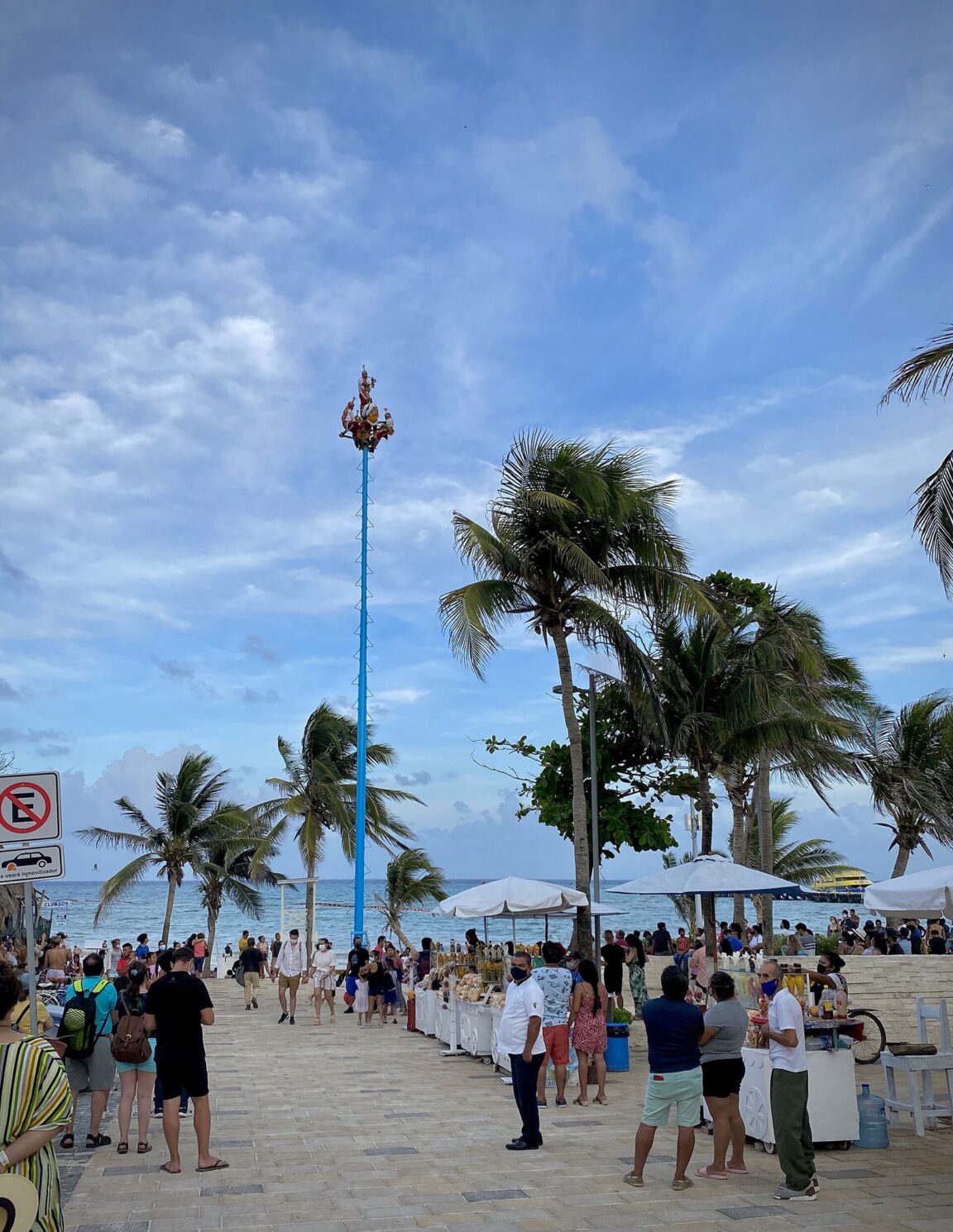
Image: The beach at Playa del Carmen, Mexico, the shoreline Palmaia fronts in Playacar. No licensed photograph of the Palmaia property itself is available on Wikimedia Commons or Unsplash, so the featured image shows the resort’s beach setting and is captioned as such. Facts checked against the resort’s official site and its published fact sheet on November 11, 2026. No stay is claimed by the author: this guide is drawn from the resort’s own published programme, dining and suite descriptions.