 Kwame Mensah
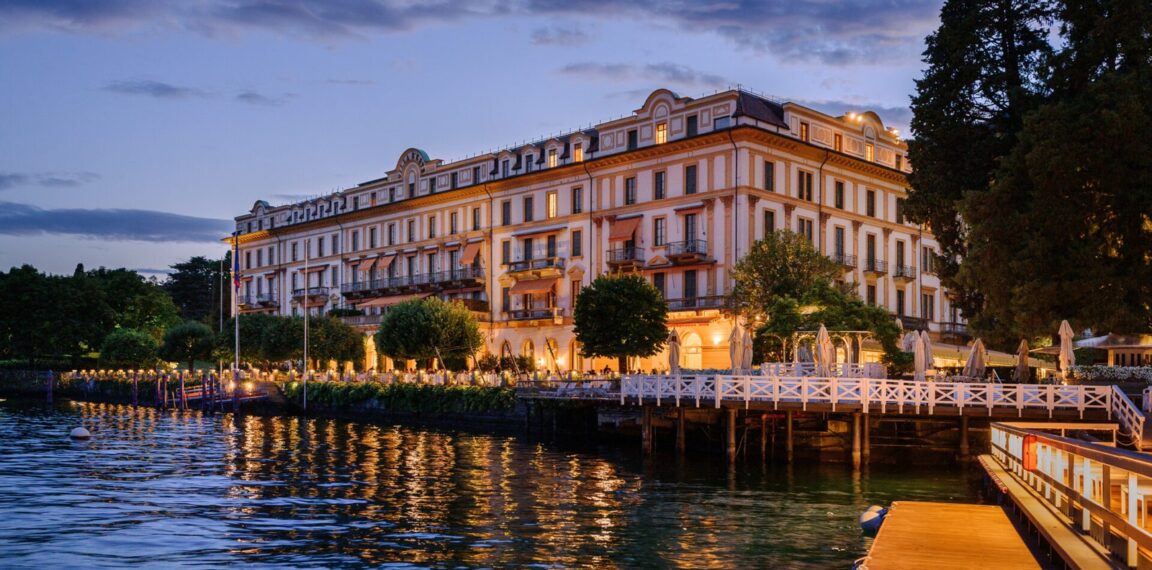
Villa d’Este is worth it if you want Lake Como’s grand hotel institution at full scale: a 16th century cardinal’s residence in Cernobbio, a hotel since 1873, with 151 rooms and suites per the official site at villadeste.com, split between the Cardinal’s Building and the Queen’s Pavilion, four private villas in a 25 acre park, a floating pool on the lake itself, and formal dining on the Veranda terrace facing the water. The price buys history, gardens and ceremony that no boutique rival can replicate. It is not worth it if you want intimacy, contemporary design or a small bill at checkout, and this guide tests the claim properly: the Cernobbio landmark gardens, the floating pool, the rooms that matter and the dining, including the formal Veranda and the estate’s grand salon tradition.
Quick Facts
- Location: Via Regina 40, 22012 Cernobbio, Lake Como, Italy, on the western shore just north of Como town
- History: Built in the 16th century as a noble residence, originally Villa del Garovo for Cardinal Tolomeo Gallio; a hotel since 1873
- Rooms: 151 rooms and suites, per the official site, across the Cardinal’s Building and the Queen’s Pavilion, plus 4 private villas in the park
- Gardens: A 25 acre (10 hectare) park, protected as a national monument since 1913, with the Mosaic Garden, the Nymphaeum and the Hercules statue and waterfall
- Pools: A heated floating pool on Lake Como, an indoor pool and a children’s pool, within the Sporting Club complex
- Dining: Four restaurants per the official site: Veranda, Grill, Platano and the Sundeck, plus Bar Canova
- Wellness and sport: Spa and Beauty Centre, Sporting Club with tennis, squash and golf simulator, and the Villa d’Este Golf Club at Montorfano nearby
- Events: Home of the Concorso d’Eleganza Villa d’Este, the celebrated classic car gathering held on the estate
- Best for: Grand hotel traditionalists, garden lovers, celebrations and travellers who want the full Lake Como institution on a first or special trip
What do the Cernobbio landmark gardens actually give the stay?
The park is the argument. Villa d’Este’s 25 acres are not a landscaped surround but a Renaissance and Baroque composition that has been protected as a national monument since 1913: avenues of cypress and magnolia, topiary terraces, fountains and statuary, and, climbing the hill behind the villa, the Mosaic Garden and the Nymphaeum, a mosaic grotto that leads up to a monumental statue of Hercules beside a waterfall. The gardens organise the whole stay. Breakfast, the pools, the tennis and the terraces all sit inside them, and a morning walk through the park before the lake boats start is an experience no amount of interior design can buy. Non residents cannot wander in at will: garden access is essentially for hotel guests, which preserves the calm and is itself part of what the room rate protects.
Cernobbio is the right base for this format. It is a real town with its own lakeside promenade, cafes and ferry stop, a few minutes north of Como town and at the start of the western shore’s villa belt, so the estate feels connected rather than marooned. Guests building a wider Como itinerary from the gardens should compare the intimacy on offer up the shore at Moltrasio, covered in our guide to Passalacqua, and the Belle Epoque scale across the lake in our Grand Hotel Tremezzo guide.
Which rooms matter, in the Cardinal’s Building and the Queen’s Pavilion?
The official site counts 151 rooms and suites across two buildings, and the split matters. The Cardinal’s Building is the original villa: the grandest public rooms, the marble staircase, and rooms and suites with the classic lake front positions, including Deluxe Rooms of 35 to 40 square metres facing the water and Junior Suites with balconies at the centre of the facade. The Queen’s Pavilion, across the park and named for Caroline of Brunswick, who bought the estate in 1815 and gave it the Villa d’Este name, holds about a quarter of the keys in a quieter, more residential register. Rooms are individually decorated in period style, with antique furniture, paintings, silk and velvet fabrics and marble bathrooms, and the view categories decide the price ladder: courtyard and garden rooms at the entry level, lake view and lake front rooms and suites above them.
At the top, the four private villas in the park, including Villa Cima above the lake, offer multi bedroom residences with hotel service for families and groups, the estate’s answer to a private rental with a grand hotel behind it. The practical guidance is to pay for the view before paying for size. A Deluxe lake front room in the Cardinal’s Building delivers the essential Villa d’Este experience, the lake filling the window and the gardens below, while a larger garden facing suite trades that postcard for square metres. Book the Cardinal’s Building for a first stay and the ceremony of the main house. Book the Queen’s Pavilion for quiet and a sense of residence within the park.
Is the floating pool as good as its reputation?
The floating pool is the estate’s signature piece of theatre: a heated pool built on a pontoon on Lake Como itself, in place since the 1960s, so you swim on the lake rather than beside it, with sun loungers on the surrounding deck, a jacuzzi and the Sundeck beside it for light lunches and cocktails reserved to hotel guests. It is seasonal, broadly a summer institution, and on a hot Como afternoon it justifies the grand hotel format on its own: no boutique villa hotel on the lake can match a pool of this scale in this position. The Sporting Club completes the picture with an indoor pool for cooler months, tennis and squash courts, a golf simulator and the Beauty Centre and spa, and the Villa d’Este Golf Club, an 18 hole course in the hills at Montorfano, extends the sporting offer beyond the park.
The honest limits are formality and scale. Villa d’Este runs on ceremony: jackets at dinner in the Veranda’s formal tradition, a large staff, a social scene. Travellers who find that delightful will be in their element. Travellers who want barefoot ease will feel over dressed and over scheduled, and should look at the lake’s smaller houses instead.
How does dining work, from the Veranda to Platano?
The official site lists four restaurants. The Veranda is the main dining room, a terrace restaurant overlooking the lake serving refined Italian and international cooking in the estate’s formal register, the direct descendant of the grand salon dining tradition that rooms such as the Sala Colonne embodied in the hotel’s earlier decades. The Grill covers premium Mediterranean grilling in a more relaxed key. Platano, by the lake, is the sophisticated fusion address, where Mediterranean flavours meet Japanese technique. The Sundeck serves light lunches and signature cocktails exclusively to hotel guests by the floating pool, and Bar Canova, named for the sculptor, is the house bar for aperitifs and after dinner drinks, backed by a cellar the hotel counts in the tens of thousands of bottles.
That spread means a week on the estate need not repeat itself, and it also means the dining budget needs planning: this is celebration pricing throughout, and Cernobbio’s own trattorias, a short walk from the gates, are the sensible pressure valve for a longer stay. For a contrasting grand hotel dining culture built around a single famous room, see our guide to Hotel Sacher Vienna and its cafes.
Who should book Villa d’Este, and who should not?
Book it if the grand hotel is the destination: for anniversaries and honeymoons that want ceremony, for garden and history lovers, for classic car travellers timing a stay with the Concorso d’Eleganza, and for anyone making a first Lake Como trip who wants the definitive institution rather than a promising newcomer. The estate rewards stays of three nights or more, which give the gardens, the floating pool and the restaurants time to become a routine rather than a tour.
Look elsewhere if you want a small, family run house, contemporary interiors, or a quiet bill. Passalacqua, a few minutes north in Moltrasio, offers the intimate alternative from the same lake culture. And if your Como is mainly boats, villages and hiking with a hotel as a base camp, the rate here buys ceremony you will not use. Villa d’Este is worth it precisely when you intend to live inside it.
Frequently Asked Questions
Where is Villa d’Este located?
At Via Regina 40 in Cernobbio, on the western shore of Lake Como, just north of Como town. The estate occupies 25 acres of parkland on the lake, with its own jetty and the floating pool on the water.
How many rooms does Villa d’Este have?
The official site counts 151 rooms and suites, split between the Cardinal’s Building, the original 16th century villa, and the Queen’s Pavilion across the park, plus four private villas set within the estate.
When did Villa d’Este become a hotel?
The villa was built in the 16th century, originally as Villa del Garovo for Cardinal Tolomeo Gallio, and renamed by Caroline of Brunswick in the 19th century. It has operated as a hotel since 1873, per the hotel.
What is the floating pool at Villa d’Este?
It is a heated swimming pool built on a floating pontoon on Lake Como itself, in place since the 1960s, with a surrounding sun deck, jacuzzi and the residents only Sundeck restaurant and bar. It operates in the summer season; an indoor pool serves the rest of the year.
Can non guests visit the Villa d’Este gardens?
Garden access is essentially reserved to hotel guests, which protects the calm of the 25 acre park. Non residents can experience the estate by booking a table at its restaurants, subject to availability and reservation.
What restaurants does Villa d’Este have?
Four, per the official site: the formal Veranda on its lake terrace, the Grill, Platano for Mediterranean and Japanese fusion by the lake, and the Sundeck by the floating pool for hotel guests, plus Bar Canova.