 Elena Vasquez
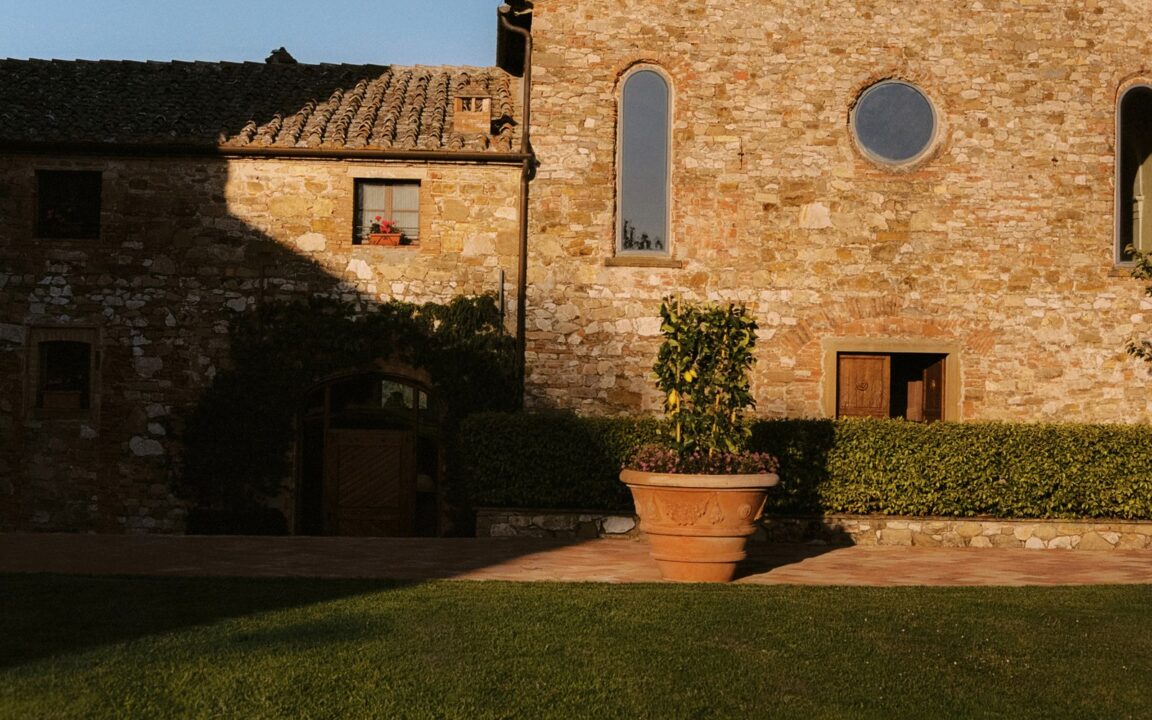
Castello di Casole works as a western Tuscany base because it is a working farm estate first and a hotel second: a restored 10th-century castle on a private estate of vineyards and olive groves near Casole d’Elsa, with 39 suites and two villas, its own wine production, a heated infinity pool facing the Val d’Elsa, and Siena about 30 minutes away by car. Choose it if you want countryside immersion with day trips radiating out, rather than a town hotel you return to each night.
Quick Facts
- Setting: Localita Querceto, Casole d’Elsa, in the province of Siena, on a private estate Belmond describes as one of the largest in Italy
- Rooms: 39 suites plus two signature villas, spread between the castle, former farm buildings and the Oliveto wing
- Pool: Outdoor heated infinity pool, open April to November per Belmond’s factsheet
- Dining: Three restaurants: Tosca for fine dining, Emporio del Castello for traditional Tuscan cooking, and Castello Grill by the pool, plus a wine cellar for tastings
- Estate produce: Organic vineyards in 13 plots growing Sangiovese, Cabernet, Merlot and Petit Verdot for the estate’s Si di Si wines, and around 30 acres of olive groves
- Distances: About 30 minutes to Siena and about an hour to Florence, per Belmond
- Wellness and sport: Essere Spa, fitness centre, and a sports centre with tennis, padel and pickleball courts
What kind of estate is this, exactly?
The castle dates to the 10th century and was originally owned by the Bargagli family of Siena. Today the hotel sits inside a vast private farm estate of rolling hills, valleys, vineyards and olive groves, accredited as a nature reserve, and that scale shapes the stay: drives between the castle, the vineyards and the estate’s outbuildings are measured in minutes, and the views from the pool terrace run over the Val d’Elsa toward distant hill towns. This is not a village hotel with a garden. It is a landed estate that happens to take guests, and the days organise themselves around it: breakfast on the terrace, a vineyard walk or a bike ride on the estate’s white gravel paths, the pool in the afternoon, and dinner in one of three restaurants.
The estate is also an official Terra Eroica bike point, with a bike hub, e-bike charging and about 5 kilometres of white gravel path through the property, which makes it a credible base for cyclists riding the famous strade bianche country between Siena and Volterra.
Where do the rooms sit, and which should you choose?
Accommodation divides by mood. Suites inside the castle itself deliver the historic version: exposed stonework, antiques, mosaic bathroom floors and freestanding Italian bathtubs, in categories running from Deluxe Junior Suites of about 45 to 50 square metres up to larger Grandiosa Suites with separate sitting areas. The Limonaia Suites, in the former lemon house, open onto private patios over two levels. The nine Oliveto Suites sit slightly apart facing the olive groves and are the contemporary choice, lighter and more pared back. Two signature villas, each with three bedrooms and a large terrace, suit families or groups who want the estate with more independence, and Belmond bundles them with dedicated host service and transfers to and from Florence.
Travellers building a gardens-and-estates trip through southern Europe may also enjoy our guide to Gravetye Manor in Sussex, another hotel where the grounds are the point of the stay.
How does the food and wine programme work?
Eating is structured around the estate. Tosca is the fine-dining room, Emporio del Castello serves traditional Tuscan cooking, and Castello Grill handles relaxed poolside lunches. The wine cellar hosts tastings on request, and the raw material is the estate’s own: more than 25 acres of organic vineyards in 13 plots, planted to Cabernet, Sangiovese, Merlot and Petit Verdot, produce the house Si di Si label, while the olive groves supply estate oil. A one-hectare kitchen garden grows vegetables, herbs and edible flowers for the kitchens. For wine-focused guests, the concierge can also arrange private tours of prestigious Chianti and Montalcino producers in the surrounding country, so the estate works both as a producer in its own right and as a hub for the wider Tuscan wine map.
How should you space the day trips?
The estate’s position in western Tuscany is its strategic strength. Siena, the closest major prize, is about 30 minutes away, close enough for a morning of the Duomo and the Campo followed by lunch back at the pool. San Gimignano’s towers and Volterra both sit within easy day-trip range to the north and west, and Florence is about an hour, feasible as a long day but better treated as an arrival or departure stop. The honest rhythm here is alternate days: one day out to a hill town, one day on the estate for the pool, the spa, a vineyard tour or a cooking-focused afternoon. Guests who try to day-trip daily waste the property they are paying for. Our guide to Thornbury Castle in Gloucestershire makes a useful comparison for travellers weighing castle stays in different countries.
Who is Castello di Casole best for?
It suits couples and families who want Tuscany as landscape rather than itinerary: wine drinkers, cyclists, and anyone happy to drive for their sightseeing. The Essere Spa, the sports centre and the estate activities make it work for longer stays of four nights or more, and the villa format suits multigenerational groups. It is a weaker choice for travellers without a car, for anyone who wants to walk out of the door into a town’s restaurants at night, and for a one-night stop, which barely scratches the estate. Like most Tuscan countryside hotels it is seasonal in rhythm, with the pool operating April to November, so winter visits should be planned around the castle, the spa and the wine cellar rather than the terrace.
What is there to do on the estate itself?
Plenty, and planning for it is what separates a good stay from an expensive bed near Siena. Beyond the pool and the Essere Spa, the estate runs vineyard tours and tastings, wildlife walks in its woods, painting classes, picnics and dinners under the stars, and the sports centre adds tennis, padel and pickleball to the older country-house repertoire of walking and eating. The rose garden and the two vegetable gardens reward slow mornings, and the bike hub makes the estate a practical base for riders tackling the Terra Eroica gravel routes. A sensible four-night pattern is two excursion days, to Siena and to one of San Gimignano or Volterra, and two estate days split between the pool, the spa, the cellar and the paths, with evenings kept for the restaurants you have already paid to be near. Guests who fill every day with driving come home having seen Tuscany’s towns and missed the property entirely, which is the one outcome the tariff cannot justify.
Frequently Asked Questions
How far is Castello di Casole from Siena and Florence?
Belmond lists the estate at about 30 minutes from Siena and about an hour from Florence and Florence Airport, with Pisa Airport at about 1 hour 40 minutes.
Does the estate make its own wine?
Yes. Its organic vineyards, in 13 plots planted to Sangiovese, Cabernet, Merlot and Petit Verdot, produce the estate’s private-label Si di Si wines, and the cellar offers tastings on request.
When is the pool open?
Belmond’s factsheet lists the outdoor heated infinity pool as operating April to November.
How many rooms are there?
There are 39 suites, from junior suites in the castle to the contemporary Oliveto Suites, plus two three-bedroom signature villas.
Is a car necessary?
Practically, yes. The estate is rural, and Siena, Volterra, San Gimignano and Florence are all drives. The hotel can arrange transfers, including for its signature villas, but independent day-tripping assumes a car.