 James Wolfe
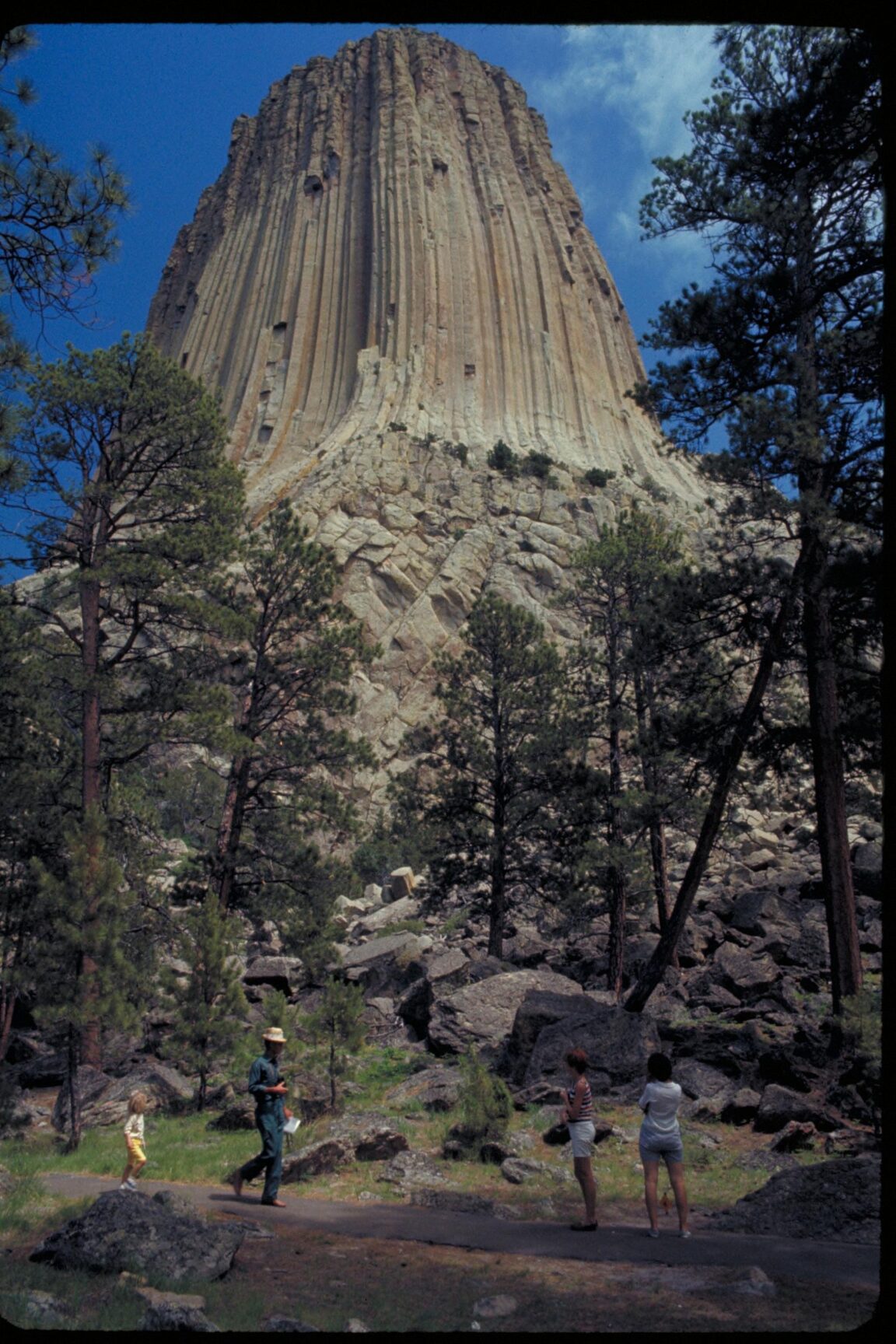
Devils Tower deserves more than the twenty minute viewpoint stop most road trippers give it: walk the full 1.3 mile Tower Trail around its base, stop at the prairie dog town on the way in, and sleep in Sundance or Hulett so you can be on the trail in the early light before the tour buses and the parking pressure arrive. The monument, proclaimed on 24 September 1906 as the nation’s first national monument, protects a fluted stone tower that rises 867 feet from its base and 1,267 feet above the Belle Fourche River, in the prairie at the edge of Wyoming’s Black Hills country. Give it half a day at least, and it stops being a photograph and becomes a place.
Quick Facts
- Entrance fees: Private vehicle 25 dollars, motorcycle 20 dollars, per person on foot or bicycle 15 dollars, each valid for 7 days; the park annual pass costs 45 dollars and America the Beautiful passes are accepted
- Hours: Park roads and trails are open 24 hours a day, year round; the visitor centre and bookstore run on limited, seasonal hours, so check the park site before you go
- Tower Trail: 1.3 miles, paved, circling the base of the Tower from the visitor centre parking area; the base itself measures about a mile around
- Prairie dog town: A roadside colony along the entrance road near the river, best watched from the pullouts without feeding or approaching the animals
- Campground: Belle Fourche River Campground, open roughly mid May to mid October
- June: A voluntary climbing closure runs through June out of respect for the Tower’s significance to Northern Plains tribes, for whom June is a ceremonial month; some routes also close in spring for nesting falcons
- Crowd tip from the Park Service: In summer, arrive before 10:00 or after 16:00 for easier parking and a quieter trail
- Bases: Sundance to the southeast and Hulett to the northwest are the closest towns with lodging, fuel and food
How should you walk the Tower Trail?
The Tower Trail is the visit. It leaves the visitor centre parking area and loops the base of the Tower through ponderosa pine forest and the boulder field that has calved off the columns over the centuries, close enough that you can read the fluting properly: hundreds of parallel cracks and columns, some of them among the finest crack climbing features in North America, with climbers visible as slow moving dots on good days. The loop is paved and mostly gentle, and walking it in either direction works, though the classic views back across the Belle Fourche valley and the prairie dog country come as a release after the enclosed forest sections. Allow an hour if you are moving, ninety minutes if you are watching climbers, reading the prayer cloths and bundles tied in the trees, which visitors must not touch or photograph up close, and stopping at the interpretive signs. Early morning is the best hour: the east face carries the light, the trail is nearly empty, and deer and birds are active around the base. The park also maintains the longer Red Beds Trail, a roughly 2.8 mile loop that circles wider through the prairie and red beds country for those who have built the half day this guide recommends.
If your trip crosses several parks, our US national park reservations guide explains which parks now need timed entry bookings, though Devils Tower itself works on a simple entrance pass with no reservation system.
Why does June change the climbing picture?
Devils Tower is a sacred place for Northern Plains tribes, including the Lakota, Cheyenne and Kiowa, who know it by names including Bear Lodge, and June is a month when ceremonies traditionally take place at the site. A key part of the park’s Climbing Management Plan, first adopted in 1995 and updated in 2006, is a voluntary closure each June: climbers are asked not to climb, and the Park Service advocates for the closure to build understanding and respect. It is voluntary rather than mandatory by design, the result of a working group that included climber and tribal organisations, and it has been very successful, sharply reducing June climbing. The closure covers visitors above the Tower Trail, not the trail itself, so walkers are unaffected beyond being asked to behave with the same respect. Separately, some climbing routes close each spring, typically from early April, to protect nesting prairie and peregrine falcons, and those closures are enforced and posted at the climbing registration kiosk. Every climber must register before climbing and check back in afterwards, whatever the month.
What is there beyond the Tower itself?
Start at the bottom of the hill. The entrance road passes the prairie dog town, a busy colony beside the Belle Fourche River where the animals stand sentry, bark warnings and go about their engineering within sight of the pullouts. Give it fifteen unhurried minutes with binoculars if you have them, stay on the road side of the fence line, and never feed them: fed prairie dogs become road casualties. The picnic area sits about a mile into the park near the campground and amphitheatre, a shaded base for a packed lunch. The visitor centre, at the base of the Tower, holds exhibits on the geology, the climbing history and the cultural significance of the site, plus the bookstore and ranger programmes in season; its hours shrink outside summer, which is another argument for the overnight base rather than the dash. The Joyner Ridge viewpoint, on the park’s north side, gives the distant, whole Tower view across the valley that the Tower Trail, for all its intimacy, never does, and it is the sunset shot. Travellers stringing the tower into a bigger ridge and park road trip can pick up the eastern end of the story in our Skyline Drive late autumn guide.
Sundance or Hulett: which base works better?
Both towns are small, friendly and used to Tower traffic, and the choice is mostly about the direction you are travelling. Sundance, southeast of the monument on the road toward the Black Hills and Interstate 90, is the natural base if Devils Tower is the first or last stop of a Black Hills loop that includes the South Dakota sights; it has the larger choice of motels and eating places of the two. Hulett, northwest of the Tower, is quieter and slightly closer in feel to the ranch country the Tower rises from, and suits travellers crossing Wyoming toward Montana or Yellowstone who want the monument as a morning visit before a driving day. Either way, the strategy is the same: sleep within about half an hour of the entrance, be at the Tower Trail before the mid morning build up, and use the afternoon for Joyner Ridge, the prairie dogs at their most active, or the drive onward. In peak summer the Park Service itself advises arriving before 10:00 or after 16:00 to dodge the parking crunch, and an overnight base makes the early option painless. The Belle Fourche River Campground inside the monument, open from about mid May to mid October, is the third option for campers, with the river, the picnic area and evening ranger talks in season.
Frequently Asked Questions
How much does it cost to enter Devils Tower?
A private vehicle pass costs 25 dollars, a motorcycle 20 dollars and entry on foot or by bicycle 15 dollars per person, with children 15 and under free on the per person rate. Passes last 7 days, the park’s own annual pass costs 45 dollars, and America the Beautiful interagency passes are accepted.
How long is the Tower Trail, and is it hard?
The Tower Trail is a 1.3 mile paved loop around the base of the Tower, starting at the visitor centre parking area. It is the park’s most popular walk and is manageable for most visitors, with gentle grades, shade in the forest sections and benches along the way. Allow one to one and a half hours to do it justice.
Can you climb Devils Tower?
Yes, climbing is an established and legitimate activity at the Tower, and climbers must register at the kiosk before climbing and check in on return. Two exceptions apply: some routes close in spring to protect nesting falcons, and a voluntary closure runs through June out of respect for tribal ceremonies, which climbers are strongly encouraged to honour.
Why is there a voluntary climbing closure in June?
The Tower is culturally significant to Northern Plains tribes, and June is a traditional ceremonial month at the site. The voluntary June closure, part of the Climbing Management Plan developed with climber and tribal organisations, asks climbers to choose other crags for that month as a sign of respect. It applies to activity above the Tower Trail, not to walking the trail.
When is the best time of day to visit?
Early morning, before the summer crowds build. The Park Service advises arriving before 10:00 or after 16:00 in summer for easier parking. The monument grounds are open 24 hours, the busiest season runs May to September, and weekdays are quieter than weekends.
Where should you stay for Devils Tower?
Sundance, southeast toward the Black Hills and Interstate 90, and Hulett, northwest toward Montana, are the closest towns with lodging and services. Inside the monument, the Belle Fourche River Campground is open roughly mid May to mid October. Staying in either town makes an early Tower Trail start easy.
Facts checked 22 November 2026 against the National Park Service’s Devils Tower pages on fees, trails, hours and climbing closures.