 Priya Nair
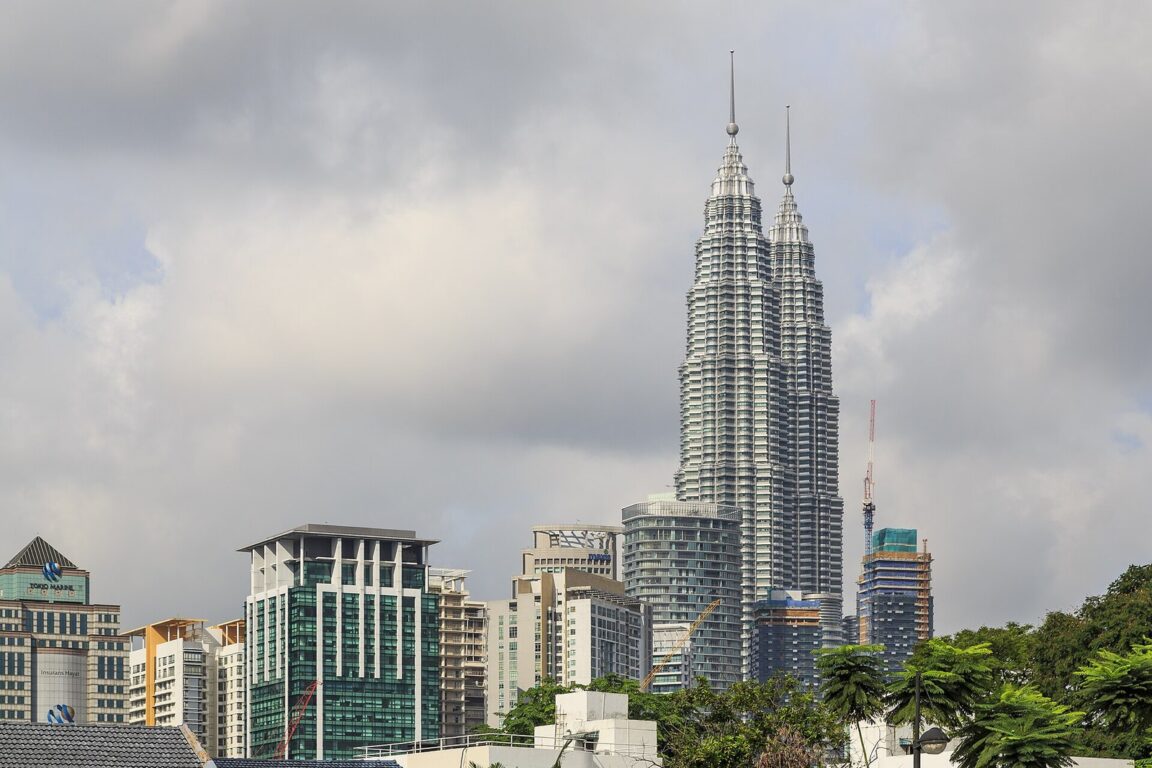
Three days in Kuala Lumpur divides cleanly: day one for the Petronas Towers and the KLCC district, day two for an early start at Batu Caves and the old city, and day three for neighbourhoods, markets and the hawker streets after dark. That is the short answer, and it works because the city’s headline sights sit in a compact core linked by rail, while its best food, along Jalan Alor in Bukit Bintang and in Chinatown and Brickfields, is an evening activity that never competes with sightseeing hours. The Petronas Twin Towers stand 451.9 metres tall with 88 storeys, and their skybridge and observation deck visits are timed and ticketed, so book ahead. Batu Caves, about 13 kilometres north, is reached by a direct KTM Komuter train and climbs 272 rainbow painted steps to its main Temple Cave, a morning best started early. This itinerary sequences all of it around the heat, the afternoon rain and the crowds.
Quick Facts
- Base areas: KLCC for the towers and the park, Bukit Bintang for shopping, hotels at every level and Jalan Alor food street
- Headline sight: Petronas Twin Towers, 451.9 metres, 88 storeys, skybridge on levels 41 and 42, observation deck on level 86
- Day trip in the city: Batu Caves, about 13 km north, 272 steps to the Temple Cave, guarded by a golden statue of Lord Murugan about 42.7 metres tall
- Getting there: KTM Komuter train from KL Sentral direct to Batu Caves station, at the site entrance
- Eat: Jalan Alor at night for grilled seafood, satay and chicken wings; nasi lemak, roti canai and char kway teow across the city all day
- Weather rule: Sightsee early, plan indoor or covered stops for mid afternoon, when heat and tropical downpours peak
Day 1: How do you do the Petronas Towers and KLCC properly?
Start at the towers themselves, with a timed ticket booked in advance through the official Petronas Twin Towers channels for the skybridge and observation deck visit. The towers, completed in the 1990s and the tallest buildings in the world from 1998 to 2004, remain the world’s tallest twin towers, and the visit pairs the double decker skybridge linking the two towers with the observation deck high above the city. Tickets are released in limited numbers and popular slots sell out, so this is the one booking to make before you arrive in Malaysia.
Spend the rest of the morning at ground level: Suria KLCC, the shopping centre at the towers’ base, and KLCC Park behind it, whose lake and paths give the classic postcard view back at the towers. In the afternoon, choose one of the district’s indoor anchors, the aquarium in the convention centre or the park and malls themselves, and keep the evening for the lake symphony fountain displays in the park and dinner in Bukit Bintang. Walk or take the rail link between KLCC and Bukit Bintang, where Jalan Alor comes alive after dark: a street of open air restaurants and hawker stalls serving satay, grilled stingray, barbecue chicken wings and noodle dishes, best approached hungry, in a group that can share, and with small cash alongside card payment.
Day 2: Why should Batu Caves come first, and what fills the rest of the day?
Set an early alarm. Batu Caves is a limestone hill temple complex, one of Malaysia’s most important Hindu sites, and its main Temple Cave is reached by climbing 272 steep, rainbow painted steps past the towering golden statue of Lord Murugan. Arriving early beats both the heat on the exposed staircase and the tour group peak later in the morning. The KTM Komuter train from KL Sentral runs direct to Batu Caves station beside the entrance, which makes the trip simple without a tour or a driver. Entry to the main cave is free, smaller caves at the base may charge separately, and modest dress is required, with knees covered; wraps are typically available at the base if you forget. Long tailed macaques work the steps and will take food, loose plastic and shiny objects, so keep snacks zipped away and hold your phone properly.
Back in the city by late morning, spend the afternoon in the old core where the Klang and Gombak rivers meet: Merdeka Square and the Sultan Abdul Samad Building, Masjid Jamek at the confluence, Central Market for Malaysian crafts under one roof, and Chinatown around Petaling Street, where the Sri Mahamariamman Temple, the city’s oldest Hindu temple, and the Guan Di Temple sit within a short walk of each other. It is a fitting counterweight to the morning, cave temple to city temples, and it leaves the evening free for a second hawker run, this time in Chinatown or over in Brickfields, KL’s Little India beside KL Sentral, for banana leaf curry and roti canai at a mamak stall. Travellers pairing KL with a second Southeast Asian stop will find the same eat at night logic in our 2 days in Singapore itinerary.
Day 3: Which neighbourhoods and views round out a first visit?
Use the third day for the KL that sits beyond the postcard. Begin in Kampung Baru, the Malay village enclave north of KLCC, where wooden houses on stilts survive in the shadow of the towers and morning stalls serve nasi lemak, Malaysia’s national dish of coconut rice with sambal, anchovies, peanuts, egg and cucumber, in its heartland. Cross back through the centre for the city’s museums or the Islamic Arts Museum near the national mosque and the Perdana Botanical Gardens if you want green space and a slower pace.
In the afternoon, pick your second viewpoint. The KL Tower, Menara Kuala Lumpur, standing on the forested Bukit Nanas hill, offers an observation deck with the Petronas Towers in the frame, which many photographers prefer to the view from the towers themselves. Then finish where the trip began, with food: a final Jalan Alor dinner, or a hawker centre crawl comparing the dishes you have learned to order, char kway teow fried in a fiercely hot wok, Hokkien mee, satay with peanut sauce, and roti canai with dhal for the table. If your onward route runs west next, our 3 days in Lisbon itinerary applies this same towers, old town, food streets structure to a very different capital.
Where should you stay, and how do you get around?
First timers should choose between two bases. KLCC puts the towers, the park and an upmarket mall on your doorstep, with premium hotels and a quieter, business district feel at night. Bukit Bintang puts more hotels at more price levels within walking distance of Jalan Alor, the big malls of Pavilion and Lot 10, and the nightlife, at the cost of heavier traffic and noise. Both sit on the city’s rail network, which is how you should move: the LRT, MRT and monorail lines link KLCC, Bukit Bintang, KL Sentral and Chinatown without the road congestion that can swallow a short trip, and the Komuter line covers Batu Caves.
From the airport, the KLIA Ekspres train to KL Sentral is the fastest fixed link, with taxis and rideshares as the door to door alternative. Inside the city, carry an umbrella or light rain jacket year round, schedule outdoor sights for mornings, and treat the afternoon downpour as a planned pause for museums, malls and long lunches rather than a surprise. Modest clothing for temple and mosque visits, comfortable shoes for the Batu Caves steps and market streets, and a refillable water bottle complete a very short packing list for three days.
Frequently Asked Questions
Do I need to book Petronas Towers tickets in advance?
Yes. Skybridge and observation deck visits are timed, capacity controlled and often sell out for popular days and times. Book through the official Petronas Twin Towers website or ticket counter before you travel, and treat third party resellers with caution.
How long does Batu Caves take?
Allow half a day door to door: the Komuter train ride from KL Sentral, the climb of 272 steps, time in the Temple Cave and the smaller attractions at the base. Starting early means you can be back in the old city by late morning.
What food should I try first in Kuala Lumpur?
Nasi lemak for breakfast, roti canai at a mamak stall at any hour, char kway teow and satay at night on Jalan Alor, and a banana leaf curry in Brickfields. Order several dishes for the table and share, which is how the hawker format is designed to be eaten.
When is the best time of year for Kuala Lumpur?
KL is hot and humid year round with rain in every month, and relatively drier periods are often quoted around May to July and December to February. Whatever the month, mornings are the reliable sightseeing window and afternoons carry the highest storm risk.
Is three days enough for Kuala Lumpur?
Yes for the essential city: the towers, Batu Caves, the old core and the main food districts fit comfortably in three days without rushing. A fourth day adds day trip options or a slower neighbourhood pace, but it is not required for a first visit.
Facts on the Petronas Twin Towers (451.9 metres, 88 storeys, skybridge levels 41 and 42, observation deck level 86) and Batu Caves (272 steps, Murugan statue about 42.7 metres) checked against published sources on both sites on 11 November 2026. Ticket prices are not quoted because they change and should be confirmed on the official Petronas Twin Towers site when booking.