 Kwame Mensah
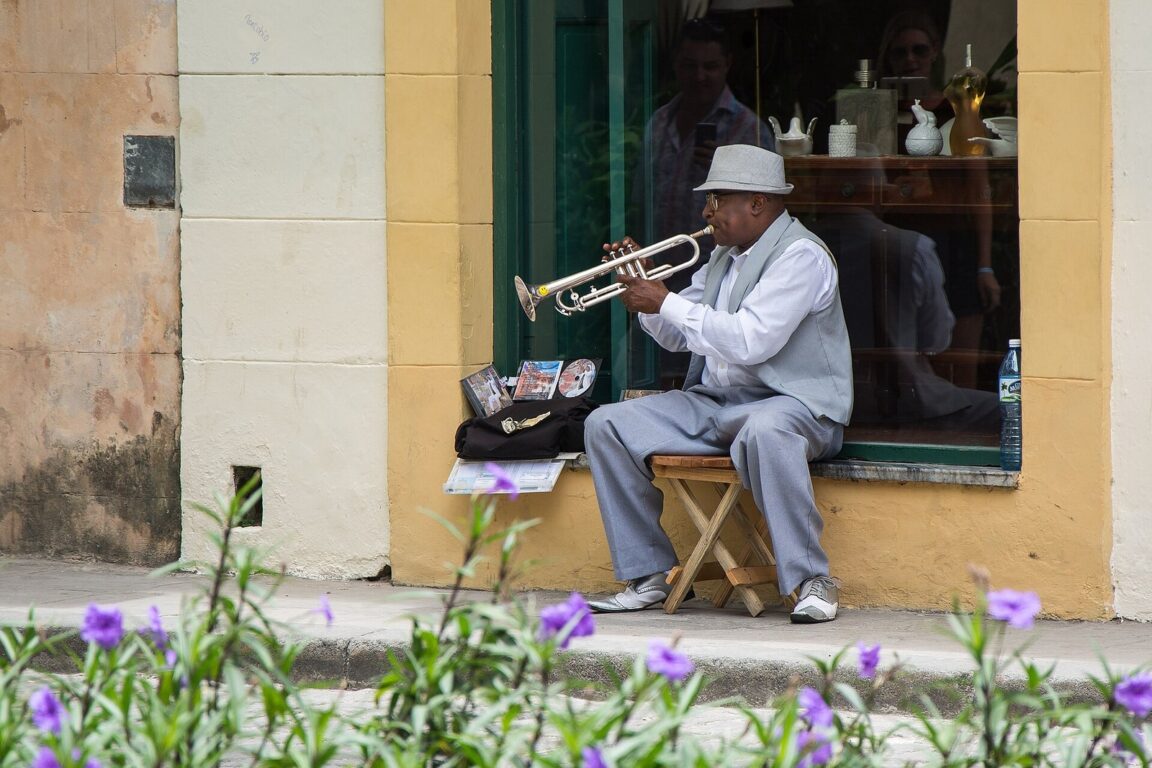
Havana after dark belongs to the music, and the best night in the city follows a simple order: start with son in a small room in Old Havana while the evening is still young, move to a salsa dance floor at the Casa de la Música when the band hits its stride, and finish late with jazz in a basement in Vedado or with art and dancing at the Fábrica de Arte Cubano. That order works because each room does one thing well, and because Havana’s music is not background noise. It is the main event, played by working bands for rooms full of people who know the songs, and a visitor who plans around the music instead of around a bar crawl will hear the city at its best.
Quick Facts
- Where: Havana, Cuba, with the music rooms spread across Habana Vieja (Old Havana), Vedado, Miramar and Marianao
- The sound: Son cubano, the guitar-led dance music that is the root of salsa, plus timba, jazz and trova
- The rooms: The Fábrica de Arte Cubano in Vedado, the Casa de la Música in Miramar and Centro Habana, La Zorra y el Cuervo in Vedado, and the Tropicana in Marianao
- The late set: La Zorra y el Cuervo runs nightly from 10 pm to 2 am, according to listings checked 12 November 2026
- The history: Son reached Havana from eastern Cuba around 1909, and UNESCO inscribed it as Intangible Cultural Heritage in 2025
- The revival: The Buena Vista Social Club album of 1997 and Wim Wenders’ film of 1999 brought traditional son back to world stages
- Money: Bring cash in small notes. Many small music rooms are cash-only, and cover charges vary by night and by room, so confirm before you go
- Getting around: Take a taxi late at night and agree the fare before you get in
What is son, and why does it still run the night?
Son cubano began in the highlands of eastern Cuba in the late nineteenth century, where Spanish guitar traditions met African rhythm, above all from Bantu roots. The classic sound is built on the tres, a small guitar with three pairs of strings, the clave pattern tapped out on wooden sticks, bongos, maracas and a call and response between a lead singer and a chorus. It is dance music first and concert music second, and that is the key to a night in Havana: the songs are built to keep a room moving.
Son reached Havana around 1909, the first recordings followed in 1917, and the music grew through the sextets of the 1920s, the septets of the 1930s and the big conjuntos of the 1940s. Salsa and the cha-cha-cha both grew out of son, which makes Havana the place to hear the root of a whole family of Latin dance music rather than a local variant of it. In 2025 UNESCO inscribed son cubano on the Representative List of the Intangible Cultural Heritage of Humanity, which is official recognition of what Havana’s musicians have always known: this is a living tradition, not a museum piece.
The reason many visitors arrive already humming the tunes is the Buena Vista Social Club. The ensemble was formed in 1996, its album was recorded in March of that year and released in September 1997, it won a Grammy in 1998, and Wim Wenders’ film followed in June 1999 and was nominated for an Academy Award. The film turned elderly Cuban musicians into world stars and sent a generation of travelers to Havana looking for the rooms where that music is played. The original Buena Vista Social Club was a members’ club founded in 1932 in the Buenavista quarter of Havana, and the 1990s project took its name from it. What matters for a night out is that the revival is real and still audible: the bands playing son in Havana today are not tribute acts, they are working musicians in a tradition that never actually stopped.
The rooms that carry the night
The Fábrica de Arte Cubano. The Fábrica, known as the FAC, is an art gallery and club in Vedado, in a former cooking oil factory built in 1910. The artist X Alfonso and his group acquired the closed factory in 2010, and the current location opened in February 2014. Inside, gallery spaces, a concert hall, a cinema and bars share one industrial shell, and the programme changes nightly, so check what is on before you go and arrive early: the queue is part of the experience and the room fills. The FAC is the best single answer to the question of where to go if you only have one night and no plan, because it is gallery, club and concert in one building.
The Casa de la Música. The Casa de la Música dance halls are run by EGREM, the Cuban state record label, with one hall in Miramar and one in Centro Habana. These are the rooms for salsa and timba, the harder and faster Cuban cousin of salsa, played by big bands for a floor that dances in couples. Go to dance, not to watch: the regulars set the standard, the floor fills fast, and the band plays long sets. If you do not know the steps, watch one song, then join in. Nobody in a Havana dance hall expects a visitor to be perfect, and everybody notices a visitor who tries.
La Zorra y el Cuervo. The Fox and the Crow is the smallest room on this list and the one jazz lovers should plan around. It sits on Avenida 23, between N and O streets, in Vedado, and the entrance is a red English telephone booth at street level that leads down to a subterranean lounge. It is open nightly from 10 pm to 2 am, according to listings checked 12 November 2026, with live Cuban and contemporary jazz in a room so intimate that every seat is close to the band. Arrive early, because the seats fill and the room does not hold many people, and bring cash: the venue is listed as cash-only.
The Tropicana. The Tropicana is a different kind of night altogether: a cabaret show under the open sky, not a dance hall. It opened on 30 December 1939 on a 36,000 square metre tropical garden estate in Marianao, at Calle 72 at Calle 43, and its glass Arcos de Cristal stage is one of the most photographed rooms in Cuba. The show is a big, choreographed revue with a live orchestra, and the combined seating capacity of its indoor and outdoor areas is 1,700. Book ahead, dress for a night out, and take a taxi: it is a show to watch, not a room to wander into.
El Floridita. For a drink before the music starts, the Floridita in Old Havana is the classic choice: a long bar with live music and a daiquiri tradition tied to Ernest Hemingway, who drank there. It is a bar, not a music room, so treat it as the warm-up, one drink and one set, and then move on to a room where the music is the point.
How to plan one night, start to finish
Eat before you go out. Havana’s music rooms are not dinner venues, and a long night of dancing on an empty stomach is a bad plan. The approach that works in any food city applies here too: eat early and eat well, the way our guide to eating in Osaka plans a night around street food before the evening starts. Then start in Old Havana around 8 or 9 pm, in a small bar where a son band is playing close enough to talk to between songs. By 10 or 11 pm, move to the Casa de la Música for the salsa sets, or to the FAC if its programme has a band you want to hear. After midnight, the choice is the jazz basement in Vedado or one more set at the FAC.
A few practical points make the night run smoothly. Confirm the night’s programme before you set out, because line-ups, hours and cover charges change often in Havana. Bring cash in small notes and keep it in more than one pocket. Take taxis between neighbourhoods late at night rather than walking long distances through dark streets, and agree the fare first. Dress smart casual: a shirt and proper shoes for the dance halls, something dressier for the Tropicana. And when a band passes the hat or the waiter suggests a tip for the musicians, pay it. The musicians are the reason the night works.
The morning after deserves a plan of its own. Sleep in, find a slow breakfast, and give yourself a quiet day. If you are building a longer trip around rest as well as nights out, our guide to Palmaia in Playa del Carmen shows the opposite pole of a Caribbean night, a wellness resort where the evening ends early and the morning starts with the beach. And if the cure you want is water rather than sleep, our guide to Budapest’s thermal baths is a reminder that a long soak is one of the oldest recovery rituals in travel.
What to listen for
Three sounds will tell you what you are hearing. First, the tres, the bright, ringing guitar that carries the melody in son. Second, the clave, the five-stroke rhythmic pattern that underpins almost everything, tapped on two wooden sticks and felt as much as heard. Third, the call and response: a lead singer throws out a line and the chorus answers it, which is why son feels conversational even at full volume.
It also helps to know the difference between the styles you will hear. Son is the root: slower, more conversational, built for couples dancing close. Salsa, as the word is used outside Cuba, is the umbrella term for the dance music that grew from son in New York and the Caribbean in the 1960s and 1970s. Timba is the Cuban variant that developed from the 1990s: harder, faster and more aggressive, with heavy bass, sudden breaks and long instrumental passages that reward a dance floor that knows the music. If the band suddenly drops to a whisper and the whole floor stops, that is a timba break, and the explosion that follows is the point.
Frequently Asked Questions
Where is the best place to hear son in Havana?
Start in the small bars of Habana Vieja in the early evening, where son bands play close to the audience, then move to the Casa de la Música for the bigger dance sets. The FAC also programmes son bands among its nightly line-up, so check its programme before you choose.
Do I need to book ahead?
For the Tropicana, yes: it is a seated show and it sells out. For the FAC, arrive early rather than booking, because the queue is long on busy nights. For the Casa de la Música and La Zorra y el Cuervo, arriving early matters more than a reservation, and La Zorra y el Cuervo in particular fills fast because the room is small.
What time does the music start?
Most rooms run evening sets, with the night building from around 9 pm. La Zorra y el Cuervo is listed as open nightly from 10 pm to 2 am. Programmes change often, so confirm the night’s times before you set out.
Is Havana safe at night?
Stick to busy streets and well-lit areas, take taxis between neighbourhoods late at night, and keep valuables out of sight. The music rooms themselves are social and well attended, and the practical risks are the same as in any big city at night.
What should I wear?
Smart casual for the dance halls and jazz clubs: a shirt and proper shoes rather than beach clothes. Dress up more for the Tropicana, where the audience treats the show as a night out.
Music history and venue details checked 12 November 2026 against Wikipedia, UNESCO and venue listings, including the Fábrica de Arte Cubano, son cubano, the Buena Vista Social Club, the Tropicana Club and La Zorra y el Cuervo. Programmes, hours and cover charges change often, so confirm them on the night.