 Aiko Tanaka
The Japan Rail Pass is no longer the automatic bargain it once was, and the honest answer is now itinerary dependent. After the large price rise of October 2023, the nationwide pass pays only when a trip packs several long distance JR journeys into a short window: think Tokyo to Kyoto, on to Hiroshima and back inside a week. A single Tokyo to Kyoto or Tokyo to Osaka return no longer covers the cost, and for that very common trip, point to point tickets, or a smaller regional pass, now win. Prices checked on the official Japan Rail Pass site on 12 November 2026.
Quick Facts
- The headline price: A 7 day Ordinary pass costs 50,000 yen for an adult when bought on the official Japan Rail Pass website, with 14 days at 80,000 yen and 21 days at 100,000 yen
- Green Car prices: 70,000 yen for 7 days, 110,000 yen for 14 days and 140,000 yen for 21 days on the official site, with children aged 6 to 11 at half price in both classes
- Buying through an overseas agent costs more: Exchange Orders issued by JR designated agents abroad are priced higher, at 53,000 yen for a 7 day Ordinary pass, 84,000 yen for 14 days and 105,000 yen for 21 days
- Who can buy it: Only visitors entering Japan under Temporary Visitor status, plus a narrow category of Japanese nationals living abroad who meet the official conditions
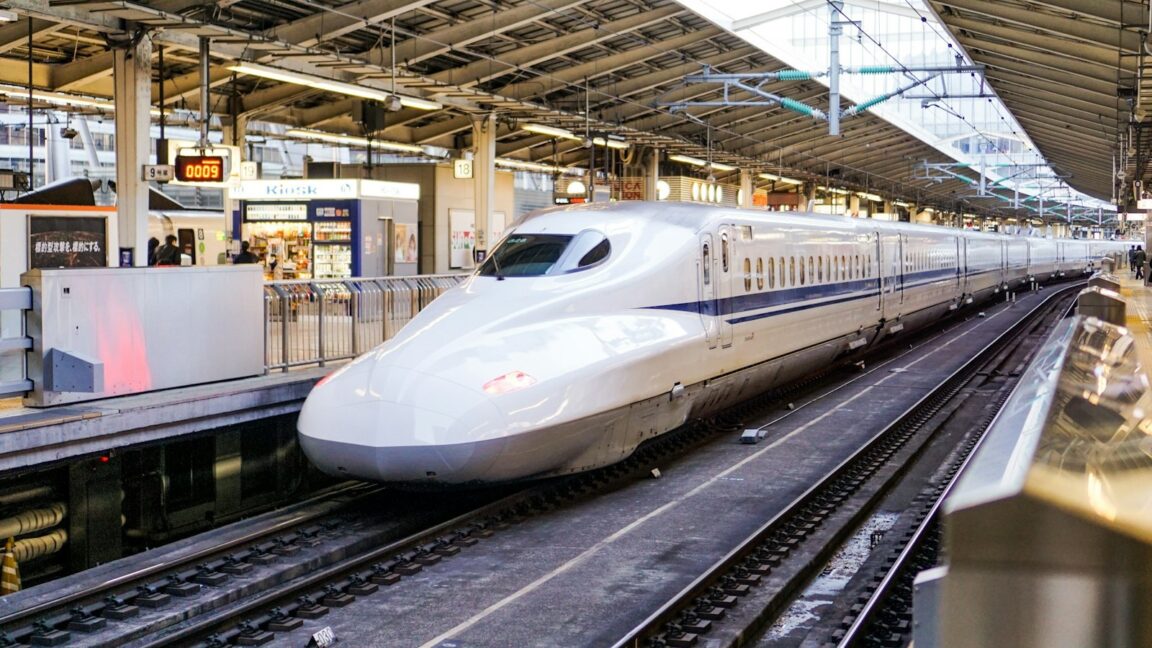
- The big exception: The fastest Nozomi and Mizuho shinkansen are not covered as standard. Pass holders need a separate NOZOMI MIZUHO Ticket for each such ride
- How it runs: The pass covers consecutive calendar days from the start date chosen at exchange. It cannot be paused on a rest day
- The break even test: Add up the ordinary fares for every long JR leg inside the pass window. If the total is well under 50,000 yen for a week, the nationwide pass loses
What did the October 2023 price rise actually change?
Before October 2023, a 7 day Ordinary pass cost around 29,000 yen, cheap enough that a single Tokyo to Kyoto return roughly paid for it and everything else was a bonus. That maths made the pass a default purchase, recommended almost without checking the itinerary. The rise reset the product completely. At 50,000 yen on the official site, the pass is now a bulk discount for intensive rail travel rather than a general sightseeing ticket, and the burden of proof has flipped: the itinerary has to justify the pass, not the other way round.
Nothing about the coverage shrank with the price rise. The pass still covers JR trains across the country, including most shinkansen and JR limited express and local trains, subject to the official validity rules. What changed is purely the arithmetic, which is why the sections below work through that arithmetic route by route instead of offering a blanket yes or no. Travelers planning a first route can set the pass decision against the days in the first time Tokyo 5 day itinerary, because where the nights fall decides how many long legs really sit inside one week.
What are the current prices, and where should the pass be bought?
The official prices, as listed on japanrailpass.net and checked on 12 November 2026, are as follows. Bought online on the official site, an adult Ordinary pass costs 50,000 yen for 7 days, 80,000 yen for 14 days and 100,000 yen for 21 days. The Green Car version costs 70,000 yen, 110,000 yen and 140,000 yen for the same durations. Children aged 6 to 11 pay half in both classes, so a 7 day Ordinary child pass is 25,000 yen online.
Bought as an Exchange Order through a JR designated overseas agent, the same passes cost more: 53,000 yen, 84,000 yen and 105,000 yen for adult Ordinary, and 74,000 yen, 116,000 yen and 147,000 yen for adult Green. Payment for online purchases is settled in yen, and the official site notes that local currency prices abroad are converted at the rate applied when the Exchange Order is issued, so the figure in a home currency can move between research and purchase. Two practical conclusions follow. First, the official site is now the cheaper channel as well as the more capable one. Second, anyone comparing a third party price against these yen figures should convert on the day, not from an old guide.
Why does the official site have a second advantage?
Buying on the official Japan Rail Pass Reservation site allows seat reservations for shinkansen and limited express trains to be made online before arriving in Japan, according to the Japan National Tourism Organization. An Exchange Order bought from an agent still has to be exchanged in Japan before reservations can be handled in the same way. On a busy route in peak season, arriving with the first long leg already reserved is a real convenience, and it costs less, which makes the agent channel hard to justify unless an itinerary needs a local seller for another reason.
How does the pass work from purchase to travel?
The mechanics matter because they shape the maths. A buyer either purchases on the official site or receives an Exchange Order from an overseas agent. The Exchange Order must be exchanged for the actual pass within three months of its issue date, so buying many months ahead is a mistake. At exchange in Japan, the traveler shows a passport carrying the Temporary Visitor stamp or sticker and chooses the start date. From that start date the pass runs for its full duration in consecutive days, whether or not every day involves a train.
That consecutive day rule is the quiet cost in many itineraries. A 14 day trip with four slow days in Kyoto in the middle does not get to freeze the pass for those days. Often the better play is a shorter pass timed over the intensive travel stretch, with city days and any regional touring placed outside the window and paid for separately. Working out that window, on paper, leg by leg, is the single most useful piece of planning in this whole decision, and it should happen before any money is spent. Travelers packing for a rail heavy route will also find the layering and luggage approach in what to pack for Japan in spring useful, since pass travel means carrying bags between platforms rather than checking them into a tour coach.
When does the nationwide pass still pay?
The multi city sprint
The clearest remaining case is the compressed multi city trip: several long shinkansen legs inside seven days. As a yardstick, a Tokyo to Osaka return on ordinary reserved fares sits in the region of 28,800 yen in recent fare checks, so one return alone leaves the 7 day pass more than 20,000 yen short. Add an onward leg to Hiroshima and back, or a side trip north to Sendai, and the same pass starts to pull ahead, because each additional long leg is then effectively free. The pattern to look for is three or more long legs, in one direction of travel after another, with little idle time between them.
The long one way traverse
A one way traverse can justify the pass even without a return, provided the legs stack up: Tokyo to Kyoto to Hiroshima to Fukuoka inside a week, for example, chains four long fares into one window. The same logic applies in the north, combining Tokyo with Sendai, Morioka or Aomori and back. What these itineraries share is distance per day. The pass rewards travelers who keep moving and penalizes travelers who settle, and no amount of short local hops inside a city changes that, because city JR rides are cheap and are also often not the fastest option against subway lines the pass does not cover.
Green Car: who should even consider it?
Green Car is the first class equivalent on JR trains, with wider seats and quieter cars. At 70,000 yen for seven days it needs an even denser itinerary than the Ordinary pass to break even, since the comparison is against Green fares that many leisure travelers would never otherwise pay. It makes sense mainly for travelers who would genuinely buy Green seats leg by leg anyway, on a route heavy trip, in peak season. For everyone else it is a comfort upgrade priced as one, and should be judged as spending, not saving.
When do point to point tickets win?
Point to point wins in the most common first trip pattern of all: fly into Tokyo, take the shinkansen to Kyoto or Osaka, spend slow days there, and return. One return fare in the high twenty thousands of yen against a 50,000 yen pass is not close, and the gap buys a lot of subway rides, buses and taxis. Point to point also wins for single base trips, where the only long leg is an airport transfer and a day trip or two, and for slow trips that spread two long legs across ten or twelve days, outside any single 7 day window and too thin to justify the 14 day price.
There is a flexibility dividend too. A traveler buying individual tickets can choose the fastest Nozomi trains on the Tokaido line without supplements or restrictions, pick departure times train by train, and mix rail with a domestic flight on the longest leg if fares favor it. The pass asks for commitment up front in exchange for savings that only materialize on dense routes. On a loose route, commitment is simply a cost.
What about the Nozomi and Mizuho exception?
This is the detail that catches pass holders out. The pass does not, by itself, cover Nozomi trains on the Tokaido and Sanyo shinkansen or Mizuho trains on the Sanyo and Kyushu shinkansen, even though those are the fastest and most frequent services on the busiest corridor in the country. Pass holders can ride them only by buying a separate ticket sold only to pass holders, the ONLY WITH JAPAN RAIL PASS NOZOMI MIZUHO Ticket, before boarding, for each ride, from reserved seat ticket machines, JR ticket offices and travel centers in Japan.
In practice, most pass holders simply use the Hikari and Sakura services instead, which are covered and only modestly slower, stopping at a few more stations. That is a reasonable trade on a holiday schedule. But it should be a conscious one: anyone whose plan depends on the tightest possible Tokyo to Hiroshima timing, with no change of trains, needs to price the supplement tickets into the comparison, because on that route the Nozomi and Mizuho pattern is exactly what makes the journey direct.
Where do regional passes fit in?
Between the nationwide pass and single tickets sits the middle option the 2023 rise made much more relevant: regional JR passes that cover one part of the country for fewer days at a lower price. JR East, JR West, JR Kyushu and the other regional companies each sell their own passes, and products such as the Hokuriku Arch Pass for the Tokyo to Kyoto via Kanazawa route and the Kansai Hiroshima Area Pass for travel west from Osaka have been listed among JR regional offerings in recent checks. Sales status, prices and areas change, and at least one long running Kansai product has been withdrawn from sale in recent seasons, so a regional pass should always be verified on the relevant JR company site on the day of planning rather than from any guide, including this one.
The decision rule is geographic. If the trip lives inside one region, price the regional pass first and the nationwide pass second. A week split between Osaka, Kyoto, Nara and Hiroshima rarely needs coverage in Tohoku or Kyushu, and paying for a nationwide product to get it is the classic post 2023 overspend. If the trip crosses regions at distance, the nationwide pass comes back into contention, and the leg by leg addition decides.
How should the decision actually be made?
Write the itinerary as a list of train legs with dates. Circle the legs that fall inside the best possible 7, 14 or 21 day window. Price those legs as individual reserved fares on JR or official fare sources. Compare the total against the official site pass price for the matching duration, not the agent price. If the pass is cheaper by a clear margin, buy it on the official site and reserve the busiest legs early. If the totals are close, choose point to point or a regional pass, because closeness favors flexibility: the pass total assumes every planned leg happens, while real trips drop a day trip, sleep in, or change a city. Only a clear margin survives contact with an actual holiday.
Frequently Asked Questions
Is the Japan Rail Pass worth it for a Tokyo and Kyoto trip?
Usually not, on its own. A single Tokyo to Kyoto or Tokyo to Osaka return costs well under the 50,000 yen price of a 7 day Ordinary pass. The pass starts to pay when that return is combined with further long legs, such as Hiroshima, inside the same week.
Can the pass be used on Nozomi trains?
Not with the pass alone. Nozomi and Mizuho services require a separate NOZOMI MIZUHO Ticket, sold only to pass holders, bought before boarding for each ride. Covered alternatives on the same lines include Hikari and Sakura services.
Who is eligible for the Japan Rail Pass?
Visitors entering Japan under Temporary Visitor status. The passport stamp or sticker is checked when the pass is exchanged. Travelers entering under work, study or other residence statuses are not eligible.
Is it cheaper to buy on the official site or through an agent?
The official site is cheaper on current pricing: 50,000 yen for a 7 day adult Ordinary pass, against 53,000 yen for an agent issued Exchange Order. Official site purchase also allows online seat reservations before arrival.
Can the pass days be paused?
No. Once the chosen start date arrives, the pass runs in consecutive calendar days for its full duration. Time the window over the most rail intensive stretch of the trip and place slow city days outside it where possible.
Are children half price?
Yes. Children aged 6 to 11 pay half the adult price in both Ordinary and Green classes on the official price list, so a 7 day Ordinary child pass bought online costs 25,000 yen.