 Aiko Tanaka
Pack layers, not outfits. That is the whole answer for Japan in cherry blossom season, and everything below is how to make those layers fit in a carry-on. Spring in Tokyo and Kyoto swings hard within a single day: Japan Meteorological Agency climate normals put Tokyo at an average high of 14.2 degrees Celsius and a low of 5.0 degrees in March, rising to a high of 19.4 degrees and a low of 9.8 degrees in April. Kyoto is almost identical in March, at 14.1 degrees by day and 4.3 degrees at night. So a blossom trip means cold mornings, mild afternoons, cool evenings under the trees, heated trains, and rain on roughly nine days in each of those months. A carry-on system built on one warm layer, one rain layer and slip-off shoes handles all of it.
Quick Facts
- Season window: Late March to early April is the typical blossom peak for Tokyo and Kyoto; Hokkaido blooms weeks later
- Tokyo temperatures: March averages 14.2 C high and 5.0 C low; April averages 19.4 C high and 9.8 C low (JMA 1991 to 2020 normals)
- Core system: Base layers, one mid layer, one packable insulated jacket, one waterproof shell
- Shoes: One worn pair of broken-in walking shoes that slip off easily, plus clean socks for temple and home visits
- Bag logic: Carry-on only works if you wear your bulkiest layer on the plane and do laundry once mid trip
- Pairs with: Our first time Tokyo 5-day itinerary, so you can match the packing to the walking days
Why is spring in Japan so hard to pack for?
Three things collide. First, the temperature range: a March day in Tokyo can start near 5 degrees at breakfast and reach 14 degrees by mid afternoon, and hanami, blossom viewing, is an outdoor evening activity, often sitting still under trees after dark, which is the coldest way to spend that day. Second, the walking: blossom season itineraries are park to temple to riverside promenade, easily 15,000 to 25,000 steps a day, so shoes matter more than style. Third, the transitions: trains and department stores are heated, temple halls are not, and shoes come off constantly in shrines, traditional restaurants, fitting rooms and homes. A packing system that ignores any one of those three will annoy you daily.
What is the carry-on layering system?
Build four interchangeable layers. Layer one is next to skin: three to four tops in merino or synthetic fabric that can be washed in a hotel sink and dry overnight, in a tight color palette so everything matches. Layer two is warmth you can add at a park bench: one light fleece or merino sweater. Layer three is your real insulation: one packable down or synthetic jacket, worn on the plane, which handles March mornings and every evening. Layer four is weather: one waterproof shell with a hood, sized to go over the jacket, because spring rain in Japan is frequent enough that an umbrella alone leaves your bag, camera and legs wet on station walks.
On the bottom half, pack two pairs of trousers that you can walk all day in, plus one alternative such as a skirt or smarter trousers if you have dinners planned. That is the entire wardrobe: four tops, one sweater, one insulated jacket, one shell, three bottoms. One mid trip laundry run, which Japanese hotels make easy with coin laundry rooms, resets the system for a second week.
Which shoes should you bring?
One pair, worn on the plane: broken-in walking shoes with good grip, no new leather, and a closure you can undo fast. Slip-on styles or loose laces matter because you will remove your shoes at temple interiors, some shrines, traditional inns, izakaya with tatami rooms and any home visit, sometimes several times a day. Pack clean, hole-free socks, several pairs, because bare feet on tatami are frowned upon and your socks are effectively on display. If rain is forecast for most of your window, choose shoes with some water resistance rather than packing a second pair; shoe space is what usually kills carry-on only travel in spring.
What goes in the blossom day bag?
Your day bag is a hanami kit as much as a sightseeing kit. Carry a compact umbrella even with the shell, because city rain in Japan is often vertical and crowded, and shops sell umbrellas cheaply if you lose one. Pack a light scarf or neck warmer for evening blossom viewing, when parks such as Ueno in Tokyo and the Philosopher’s Path in Kyoto hold the cold. Add a small ground sheet or a plastic bag to sit on if you plan a proper picnic under the trees, following the park’s rules and taking every scrap of rubbish away with you, since public bins are scarce in Japan and carrying a small trash bag is standard local practice.
Technology stays simple: a phone with an eSIM or pocket Wi-Fi arranged before arrival, a power bank for long navigation days, and a charging cable. Japan’s convenience stores, station lockers and hotel desks smooth most logistics, which is why this season rewards packing light: coin lockers at stations let you drop your carry-on and walk a blossom district unencumbered on travel days. For the cold-weather end of this same system, see how it scales up in our guide to what to pack for Iceland in winter.
What should you leave behind?
Leave the big coat if you travel in April, and leave the full winter kit if you travel in late March: the packable jacket plus shell combination covers the verified temperature range for Tokyo and Kyoto, and a heavy coat becomes a burden on heated trains. Leave multiple pairs of shoes, full size toiletries (Japanese hotels supply amenities and convenience stores stock everything), and just in case formal wear you have no reservation for. Leave hard shell suitcase thinking behind too: a soft carry-on or travel backpack is far easier on station stairs, locker dimensions and crowded blossom season trains.
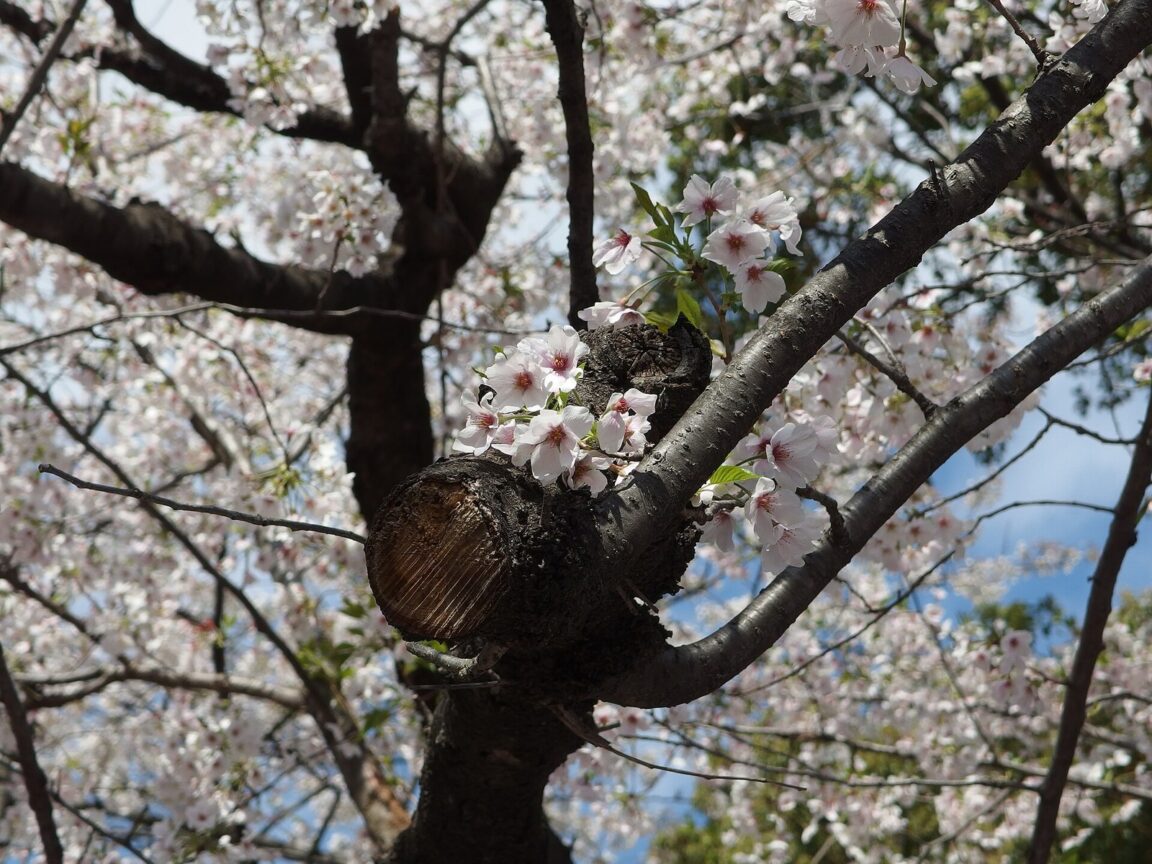
One caution on timing: blossom dates move every year with the weather, and official forecasts from the Japan Meteorological Corporation only firm up in the weeks before bloom. Pack for the temperature range, not for a single forecast day, and your carry-on works whether the petals peak on your second day or your fifth.
Frequently Asked Questions
Is a carry-on really enough for a week in Japan in spring?
Yes, with the four layer system above and one laundry run. Japanese hotels commonly have coin laundries, and wearing your insulated jacket and walking shoes on the plane keeps the bag itself small and light.
Do I need a winter coat for cherry blossom season?
For Tokyo and Kyoto in late March and April, no: JMA normals show March lows near 5 degrees and April highs near 19 degrees, which a packable insulated jacket over layers handles. Hokkaido in the same weeks is a different climate and does need warmer clothing.
What shoes are best for temple visits?
Comfortable walking shoes that slip off and on quickly, paired with clean socks. You will remove shoes repeatedly at religious sites and traditional interiors, so avoid complicated lacing and worn out socks.
Should I pack an umbrella or a rain jacket?
Both, in compact form: a waterproof shell for walking in rain, and a small umbrella for city showers and crowded streets. Tokyo averages around nine rainy days in both March and April on JMA normals, so rain is a planning assumption, not bad luck.
When do cherry blossoms bloom in Tokyo and Kyoto?
Typically late March into early April, with peak bloom lasting only a few days in each city. Exact dates vary by year and are forecast by the Japan Meteorological Corporation in the weeks before the season, so build flexibility into your itinerary.
Temperatures are Japan Meteorological Agency 1991 to 2020 climate normals for Tokyo and Kyoto, checked 10 November 2026. Normals describe the typical season, not a forecast for your travel dates.