 Priya Nair
Mezzatorre Hotel and Thermal Spa is the right Ischia base if the thermal circuit is the point of the trip and the wrong one if it is not. The hotel occupies an unfinished Aragonese watchtower and its estate on a rocky promontory near Forio, inside seven hectares of Mediterranean park above its own bay. Its thermal spa draws on the hotel’s private spring, its rooms and suites spread between the tower and the park buildings, and its two restaurants, La Torre and La Baia, keep guests on site. Travellers who want to walk into a lively town at night, or who have no interest in thermal bathing, should book elsewhere. Facts here were checked on the Pellicano Hotels official site on 16 November 2026.
Quick Facts
- Address: Via Mezzatorre 23, 80075 Forio d’Ischia, Naples, Italy, on a private promontory on the Gulf of Naples
- Rooms: 33 rooms, 12 suites and 2 signature suites, including rooms inside the historic tower
- The tower: A watchtower built by the Aragonese between the 16th and 17th centuries and never finished, which is why Mezzatorre means half tower
- Setting: Seven hectares of park and Mediterranean scrub, with a private bay below the promontory
- Thermal spa: Wellness centre housed in the tower, with three hydrotherapy pools fed by the hotel’s private thermal spring
- Pools and sport: A heated outdoor pool, a saltwater pool by the sea, and a tennis court in the park
- Dining: Ristorante La Torre in the tower and the more relaxed La Baia by the water, plus Bar La Torre
- Management: Part of Pellicano Hotels, managed by the group since 2019 under Marie-Louise Scio
What does the Aragonese tower actually change about a stay?
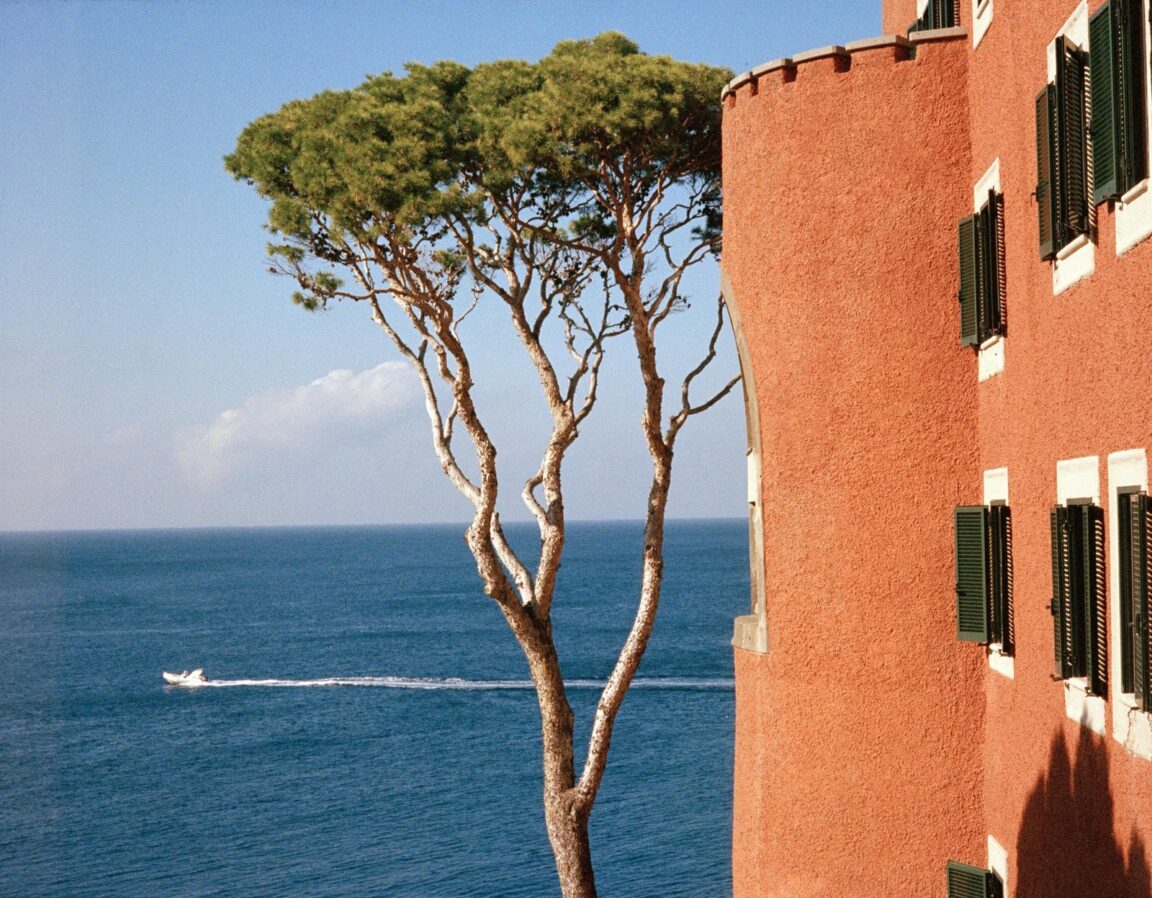
At many historic hotels the old building is a facade and the stay happens in a modern block behind it. At Mezzatorre the tower is the working centre of the hotel. The wellness centre sits inside it, the signature Grand Suite occupies 80 square metres of the former watchtower, La Torre restaurant serves within its walls, and its coral red bulk is the landmark visible from every path in the park. The tower was built between the 16th and 17th centuries as a lookout against raids and was simply never completed, so the hotel’s name, half tower, is a literal description. The dukes of Rancidello enlarged the estate in the 18th century, the scholar and poet Luigi Patalano owned it in the 1930s, and the Scio family brought in Pellicano Hotels to run it in 2019.
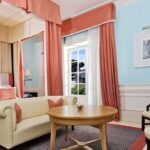
The practical consequence is a stay organised around one small, dense historic core rather than a spread of facilities. Rooms in and near the tower carry the thick walls, vaults and sea windows of the original structure. Rooms in the park buildings trade that atmosphere for space, gardens and quiet. Choosing between them is the single most important booking decision at this hotel, and it should be made deliberately rather than by price alone.
How does the thermal spa circuit work?
Ischia is a volcanic island whose thermal bathing tradition runs back to the Greek settlement at San Montano Bay, a few minutes from the hotel, in 750 BC. Mezzatorre has its own private spring, and the spa routes that water into three hydrotherapy pools inside the tower wellness centre, alongside treatment rooms offering body and mind therapies built around the thermal water. The circuit logic is simple and old: warm immersion, rest, treatment, repeat. Guests typically book spa access and treatments by appointment, then alternate the indoor thermal pools with the outdoor options, the heated pool and the saltwater pool down by the bay.
Two honest qualifications matter. First, thermal bathing is a slow, repetitive pleasure. It rewards guests who build days around it and bores guests who treat wellness as a one hour add on. Second, the spa is a core part of what the room rate buys here, so travellers who will not use it are paying for the hotel’s central asset and ignoring it. Those travellers exist and Ischia has beach hotels in livelier positions that will suit them better. For everyone else, a private spring inside a 16th century tower, in a park, above a private bay, is a combination no other Ischia address quite replicates.
What is the Forio bay position like day to day?
The hotel sits on its promontory in seclusion, wrapped in seven hectares of park, with trails through the scrub and its own bay for swimming. Forio, the nearest town, is a short drive rather than a stroll, and Ischia Porto, where ferries from Naples arrive, is about 8 kilometres and roughly 25 minutes away by road. Days therefore default to the estate: breakfast, the thermal circuit, the bay or the pools, lunch at La Baia by the water, the park, dinner at La Torre. That rhythm is the product. Evenings in town, bar hopping and restaurant variety require planning and transfers, and guests who need that energy nightly will feel the distance.
Used well, the position is also a touring base for the west of Ischia. Forio’s old centre, the gardens at La Mortella and the beaches around San Montano are all within easy reach by car or taxi, and the island’s other thermal towns ring the coast road. Most arrivals pass through Naples, so pair the stay with our guide to what to eat in Naples before the ferry, and if the itinerary widens across the south, our Matera travel guide covers the natural onward stop in Basilicata.
Who should book Mezzatorre, and who should not?
Book it for a wellness led stay with a real historic core: couples on a restorative break, thermal bathers who understand the circuit, and travellers who want Ischia’s green, quiet west coast rather than its port towns. The two signature suites and the tower rooms suit a special occasion, while park rooms suit longer, slower stays. Do not book it for nightlife, for a walkable restaurant scene, or as a cheap way to see Naples and the Amalfi Coast. It is a destination hotel that expects to hold its guests, and it is at its best when they let it.
Frequently Asked Questions
Why is it called Mezzatorre?
Mezzatorre means half tower. The watchtower at the centre of the hotel was built by the Aragonese between the 16th and 17th centuries and was never finished. The name records that fact, and the tower still houses the spa, a signature suite and the La Torre restaurant.
Does Mezzatorre have its own thermal spring?
Yes. The wellness centre draws on the hotel’s private thermal spring and routes the water into three hydrotherapy pools, with treatments built around Ischia’s thermal tradition. Spa access and treatments are arranged by appointment.
How do you reach Mezzatorre Hotel?
Fly or take the train to Naples, then a ferry or hydrofoil to Ischia. Ischia Porto is about 8 kilometres, roughly 25 minutes by road, from the hotel near Forio. The hotel address is Via Mezzatorre 23, 80075 Forio d’Ischia.
Does Mezzatorre have a beach?
The estate has a private bay below the promontory where guests can swim in the sea, alongside a saltwater pool by the water and a heated outdoor pool in the park. It is a rocky bay setting rather than a long sandy beach.
How many rooms does Mezzatorre have?
The hotel lists 33 rooms, 12 suites and 2 signature suites, spread between the historic tower and buildings in the seven hectare park. The 80 square metre Grand Suite sits in the former watchtower itself.
Photo credit: The tower at Mezzatorre Hotel and Thermal Spa above the Gulf of Naples. Photo from Pellicano Hotels, the hotel’s own official website, pellicanohotels.com.