 Lucas Meyer
One duffel can serve both an expedition cruise and a Torres del Paine trek if you pack it as two kits sharing one layering system: a ship kit built around mandatory waterproofs for Zodiac landings, and a trail kit built around worn-in boots, spare dry layers and a sleep system matched to whether your refugios provide bedding. The mistake to avoid is packing two separate wardrobes. Patagonia’s weather, famously capable of four seasons in a day, rewards layers that move between the boat and the trail without duplication.
Quick Facts
- The bag: One soft duffel, ideally with backpack straps, plus a waterproof daypack of 20 to 25 litres for landings and day hikes
- Mandatory for Zodiac landings: Waterproof over-trousers, per expedition operator packing lists, worn on every transfer
- Usually provided by the ship: An expedition parka and a loan of insulated waterproof landing boots on many operators, including Quark Expeditions’ Patagonia voyages, so confirm before buying your own
- Layering rule: Wool or synthetic base layers only, no cotton, which stays cold when wet
- Trail footwear: Worn-in waterproof hiking boots for the trek, separate from the ship’s landing boots
- Sleep system: Decided by your refugio booking: many Torres del Paine refugios offer made beds or bedding rental, so a full sleeping bag may be unnecessary weight
What does the cruise half actually require?
Expedition cruising in the Patagonian channels and around Tierra del Fuego runs on Zodiac transfers, and the operators’ own packing lists are blunt about the kit. Quark Expeditions, which runs Patagonia voyages combining sea and land, lists waterproof pants as mandatory for every Zodiac and helicopter ride, and builds its list around base-layer wool or synthetic tops and bottoms, fleece mid-layers, a warm hat that covers the ears plus a spare, a scarf or buff, waterproof gloves plus a lighter pair for hiking, glove liners, warm socks with dry spares, polarised sunglasses with a spare pair, sunscreen, and ski goggles for windy or snowy Zodiac cruising. A waterproof daypack or dry sack protects cameras and spare layers on the boat.
Two items on that list deserve emphasis. First, the spares: hats and gloves get wet on landings, and a dry second set is the difference between comfort and misery on the second outing of the day. Second, the loan gear: Quark includes a 3-in-1 parka and lends insulated waterproof boots for landings, and many Patagonia operators work similarly. Check your operator’s inclusions before you buy a bulky expedition parka or muck boots of your own, because both are exactly the items a one-duffel strategy cannot afford to duplicate. Our guide to packing for a Norway coastal voyage in winter works through the same shipboard layering logic for cold-water cruising at the other end of the world.
What changes when you step off the ship and onto the trail?
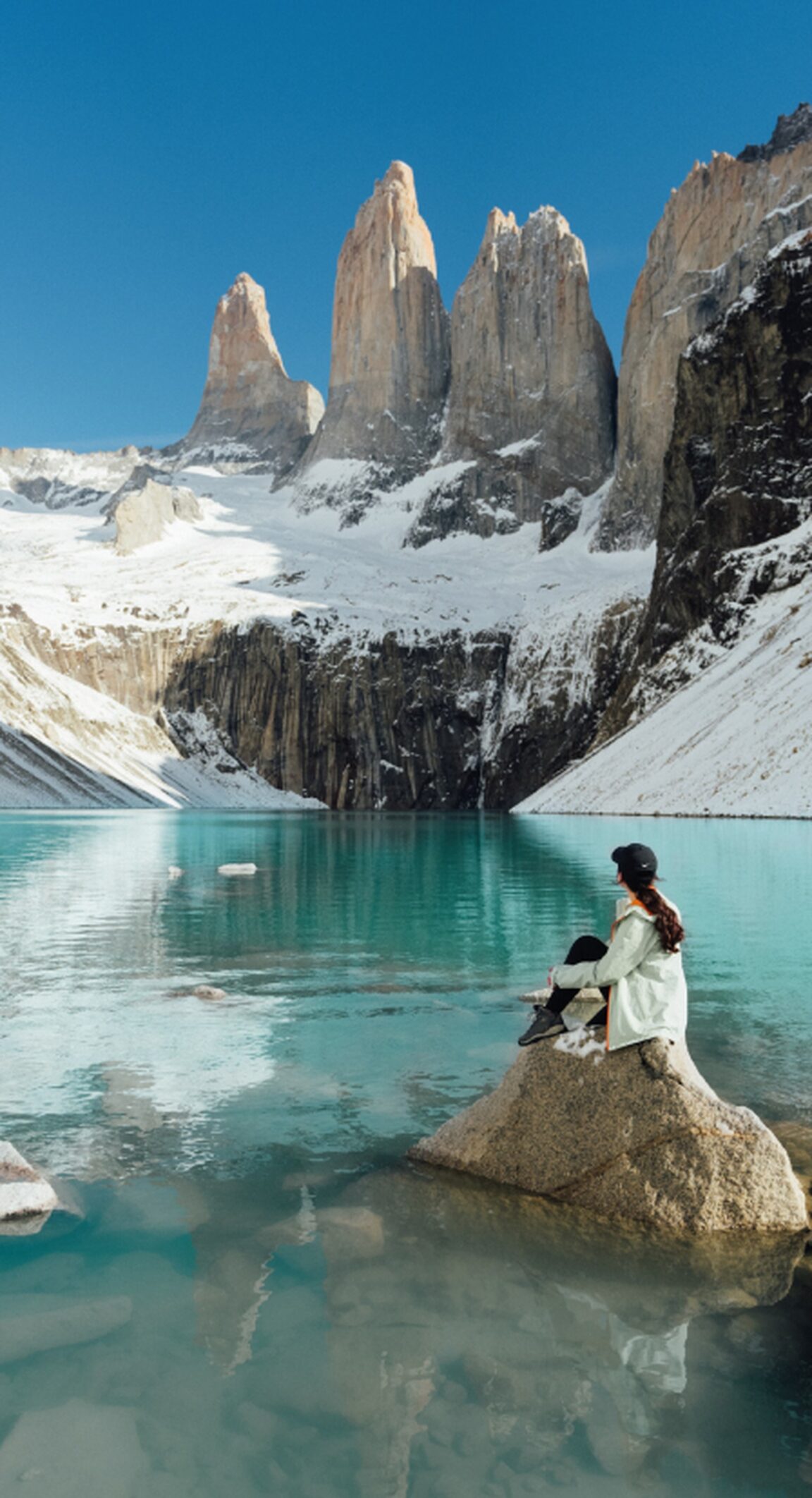
The trek half, typically the W or a section of the O circuit in Torres del Paine, swaps spray for wind and distance. The core layers transfer directly: base layers, mid-layer fleece, waterproof shell jacket and over-trousers, warm hat, gloves and buff all work on the trail exactly as they did on the Zodiac. What the trail adds is footwear and load-carrying. Landing boots stay on the ship. For the trek you need your own worn-in waterproof hiking boots with ankle support, broken in over weeks, not days, because Patagonian trails mix boardwalk, mud, river crossings and long granite approaches. Voyagers Travel’s Torres del Paine guidance goes as far as suggesting two pairs of trekking boots where luggage allows, plus quick-drying trousers, a windproof fleece and walking poles for the descents.
Inside the duffel, organise the trail kit in dry bags by day, with one sacred dry set, base layer, socks and sleep clothes, sealed and never worn until the evening. Rain on the W is horizontal, pack covers alone do not keep kit dry, and a wet sleep set is the fastest route to a miserable refugio night.
How do you handle the sleep system question?
This is the decision that saves or wastes the most space. Torres del Paine’s refugio network is not one system: some beds come made with bedding, some offer sleeping-bag rental, and campsites require your own full kit. Read your actual booking confirmations before packing. If your refugios provide bedding, a lightweight sleeping-bag liner is all you need, for warmth insurance and hygiene, and the saved volume buys you the spare layers the cruise list demands. If you are camping any nights, the calculus flips: bring a bag rated comfortably below the coldest night you expect, a proper sleeping mat, and accept that the bag will dominate the duffel. Never split the difference with a summer bag and optimism.
What does the transfer day outfit look like?
The day you leave the ship and travel to the trailhead, by bus and park shuttle toward Puerto Natales and the park entrances, is where combo trips unravel. Wear the trek’s heaviest items: hiking boots, trekking trousers, mid-layer and shell, so the duffel stays within weight and the boots are never in checked baggage limbo. Keep the daypack as your cabin and bus bag with documents, medication, sunglasses, sunscreen and lip balm, a water bottle, and one full change of base layers. If a bag is delayed or a connection misfires, you can still land, transfer and walk a first short trail day from what you are wearing and carrying.
Shoulder-season travellers combining sea and land legs in other regions will find the same one-bag logic in our guide to packing for a Greek island ferry hop.
What should you leave behind?
Leave cotton everything, a second formal outfit, full-size toiletries, a hairdryer, and any boot or parka your operator lends you. Shipboard evenings on expedition vessels are casual, and one smart sweater over your layering system covers dinner. Leave the paperback library too: ships have libraries, and weight is better spent on spare socks, hand warmers and a second pair of sunglasses, the three small items whose loss or soaking actually hurts in Patagonia.
How should the duffel itself be organised?
Pack the duffel in three horizontal zones. The bottom zone holds the trek kit you will not touch at sea: hiking boots if they are not on your feet, poles, sleep system and trail dry bags. The middle zone holds the shared layering wardrobe, rolled and split between two large dry bags so half your clothes are always guaranteed dry. The top zone is the ship kit: waterproof over-trousers, goggles, spare hat and gloves, and the daypack itself, packed last and lifted out first at every landing call. Keep documents, medication and one base-layer change in the daypack permanently, not in the duffel, so a delayed bag or a fast transfer never separates you from the essentials. Weigh the finished duffel at home: expedition ships and park shuttles both impose limits, and a bag you cannot carry up a gangway or lift onto a bus rack is the wrong bag, however elegant its contents.
Frequently Asked Questions
Do I need to buy expedition boots for the cruise?
Usually not. Many operators, including Quark Expeditions on its Patagonia voyages, lend insulated waterproof boots for landings and include an expedition parka. Confirm your operator’s inclusions in writing before you buy.
Are waterproof trousers really mandatory?
On Quark’s Patagonia list, yes: waterproof pants are listed as mandatory for every Zodiac ride. Even where not formally required, spray on landings makes them effectively essential.
Can one bag really cover both halves?
Yes, if the two halves share one layering system. The cruise adds waterproofs, goggles and spares; the trek adds hiking boots, poles and possibly a sleep system. Duplication, not volume, is what breaks the single duffel.
Do Torres del Paine refugios provide bedding?
It varies by refugio and by the rate booked: some beds are made up, some offer rental bedding or sleeping bags, and campsites need your own kit. Check each night’s confirmation and pack the sleep system to match.
How many pairs of boots should I pack?
One pair of worn-in waterproof hiking boots for the trail is the core requirement, with the ship’s loaned landing boots covering wet landings. Where luggage allows, some operators suggest a second trekking pair as insurance against a soaked first pair.