 James Wolfe
Pack for Ireland in spring as if four seasons will share one day, because they often do. The system that works is a waterproof shell worn over warm mid layers, waterproof shoes you can walk in for hours and wipe clean for a pub, and one smart outfit that survives a suitcase without ironing. Spring means March to May, with average daytime highs rising from about 10 degrees Celsius in March to about 15 degrees in May, longer evenings, and rain that arrives in showers rather than all day washouts. Build the bag around layers and rain protection, not around a heavy winter coat or a summer wardrobe, and every item should earn its place by working in a city, on a coastal path, and at a dinner table.
Quick Facts
- Season: Spring in Ireland runs March to May, with daylight stretching noticeably through April and May
- Typical temperatures: Daytime highs around 10 degrees Celsius in March, 12 degrees in April and 15 degrees in May, with cool mornings and evenings throughout; figures reflect long term averages reported from Met Eireann data
- Rain pattern: Showers spread across the season, wetter in the west than in Dublin and the east; a waterproof shell is essential in every month
- Core system: Waterproof jacket with hood, warm mid layer, merino or synthetic base layers, waterproof walking shoes, one smart outfit
- Bag advice: One medium suitcase or travel pack plus a daypack; cobblestones, stairs and rural stations punish oversized luggage
- Do not pack: A bulky winter parka, delicate shoes, an umbrella as your only rain plan, or single use outfits
How Irish spring weather actually behaves
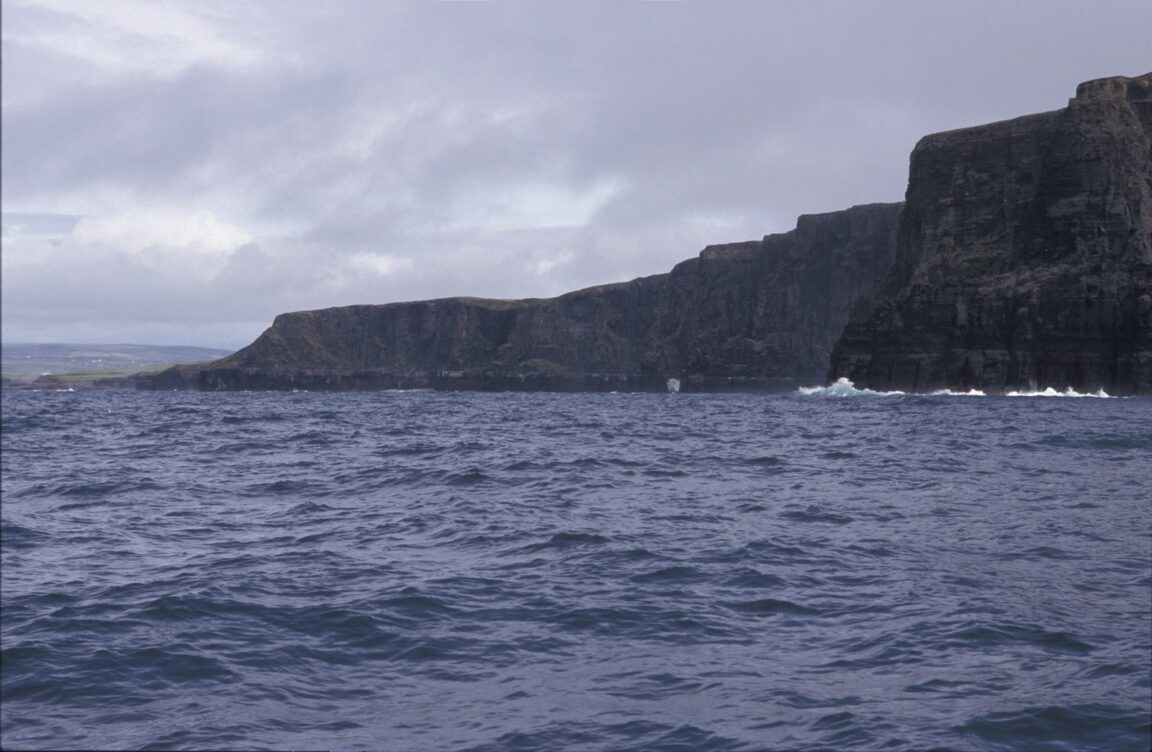
Ireland has a maritime climate, which means the Atlantic sets the terms: mild, damp, and changeable. A spring morning can start bright and cold, deliver two sharp showers by lunch, and finish with a clear evening that tempts everyone outdoors. That pattern is why locals dress in layers and carry rain gear on fine days without thinking twice. The west coast, including Galway, Kerry and the Cliffs of Moher, receives considerably more rain than Dublin and the east, so a trip that crosses the country needs the western standard of waterproofing even if the Dublin forecast looks kind at departure.
Wind is the hidden variable. On coastal paths, headlands and ferry decks, wind drops the felt temperature well below the forecast figure and drives rain sideways, which defeats umbrellas and soaks unprotected legs. A hooded shell, a warm hat for exposed days, and gloves for March and early April earn their space on any itinerary that includes the Wild Atlantic Way, the Aran Islands, or a cliff walk. By May, evenings are long and often lovely, but the temperature still falls quickly after sunset, so the mid layer stays in the bag for the whole season. The layering logic here matches the approach in our guide to packing for Japan in spring, where a similar shoulder season rewards versatile layers over single purpose outfits.
The rain layer system, item by item
The shell jacket
Bring a genuinely waterproof jacket, not a water resistant fashion coat. Look for sealed seams, an adjustable hood that stays up in wind, and a length that covers your hips. It should fit over a fleece or light insulated jacket without feeling tight. This single item will be worn more than anything else in the bag: on city sightseeing days, country walks, boat trips, and the walk back from dinner. Test it under a shower at home if it has not been used in a while, because waterproof coatings fail quietly in cupboards.
Rain trousers: yes or no?
For travellers whose trip is mostly Dublin, Belfast, Cork and towns, quick drying travel trousers are usually enough, because showers are short and shelter is near. For walkers spending full days on coastal and mountain paths, lightweight waterproof over trousers are worth the small pack space. They weigh little, pull on over boots, and turn a wet afternoon on a headland from miserable to manageable. Jeans are the one trouser to avoid for outdoor days: denim absorbs rain, stays cold, and takes a full day to dry in a hotel room.
The mid layer and base layers
Pack one warm mid layer, either a fleece or a light insulated jacket, and wear it under the shell on cold and windy days and alone on dry, bright ones. Underneath, choose merino wool or synthetic tops that regulate temperature, resist odour across repeat wears, and dry overnight. Three to four tops are enough for a week with this rotation. Add a thermal base layer top for March trips, northern itineraries, and anyone who feels the cold on exposed coasts. Cotton t-shirts are the weak link in spring: they chill quickly when damp and dry slowly, so limit them to pub evenings in May rather than building the wardrobe on them.
Pub proof shoes and the footwear plan
Shoes decide an Ireland trip more than any jacket. Bring two pairs. The first is a waterproof walking shoe or light boot with grip, broken in before departure, that can handle wet grass, muddy farm lanes, cobblestones, and a full day in Galway without complaint. Treat leather with waterproofing spray before the trip, and choose soles with real tread, because wet stone steps at castles, harbour walls, and cliff paths are slippery in every month.
The second pair is the pub proof shoe: a clean, smart casual shoe or ankle boot that looks right with your smart outfit, survives a rainy walk to a restaurant, and wipes clean after a splash. Pubs in Ireland are welcoming and informal, but the floor by the bar on a busy night is no place for suede, satin, or white trainers you care about. Wear the heavier walking pair on the plane to save bag weight and space, and pack the second pair stuffed with socks. Leave high heels, smooth soled dress shoes, and brand new untested footwear at home. For longer packing philosophy on mixed weather trips, our Morocco winter packing system applies the same two shoe, layer first discipline to a very different climate.
One smart outfit that actually works
Most Ireland trips include one or two evenings that deserve better than hiking layers: a good restaurant in Dublin or Kinsale, a theatre night, a whiskey tasting, or a hotel dinner. One smart outfit covers all of them if it is chosen well. For most travellers that means dark, wrinkle resistant trousers or a midi skirt, a knit top or shirt that layers under a blazer or smart cardigan, and the pub proof shoes above. Knits beat linen and crisp cotton in spring, because they resist creasing, add warmth, and match the relaxed smart tone of Irish dining, where few places expect formal dress.
Pack the outfit on top of the bag or in a packing cube of its own so it comes out clean and ready. A small accessory, a scarf, earrings, or a belt, changes the outfit between two evenings without adding bulk. Also pack a lightweight tote or foldable bag for the day you inevitably buy books, knitwear, or whiskey that needs protecting on the way home.
The full spring packing list
- Waterproof hooded shell jacket with sealed seams
- Fleece or light insulated mid layer jacket
- Three to four merino or synthetic long and short sleeve tops
- One thermal base layer top for March and exposed coastal days
- Two pairs of quick drying travel trousers, plus waterproof over trousers for walkers
- One smart outfit in dark, wrinkle resistant fabrics
- Waterproof walking shoes or light boots, broken in, plus one smart pub proof pair
- Warm hat, gloves and a scarf for March, April and coastal itineraries
- Five to seven sets of underwear and socks, favouring merino hiking socks for walking days
- Sleepwear, swimwear if your hotel has a pool or you plan a sea swim with a local group
- Compact umbrella as a backup for city days, never as the main rain plan
- Daypack with a rain cover or dry bags inside for valuables and electronics
- Reusable water bottle, plug adapter for Ireland and the UK style three pin sockets, and a portable charger
- Personal medicines, a small first aid kit with blister plasters, and any prescription copies
What to leave behind
Leave the heavy winter parka, because spring cold in Ireland is damp rather than deep, and the shell plus mid layer combination handles it while adjusting better through the day. Leave delicate and dry clean only clothing, bulky knitwear that fills half a case, and a different outfit for every day. Leave full size toiletries, since Irish towns are well supplied, and leave valuables that would worry you in a small rural guesthouse. The travellers who enjoy Irish spring most are the ones whose bags let them say yes to a detour: a coastal walk that was not in the plan, an extra night in a village, a train change with stairs. Pack for movement, warmth at the edges of the day, and dry feet, and the weather becomes part of the trip rather than a problem to solve.
Frequently asked questions
Do I need waterproof trousers for Ireland in spring?
Only if you will spend full days walking outdoors, especially on the west coast. City based travellers can rely on quick drying trousers and a good shell jacket, because showers are usually brief and shelter is close.
What shoes are best for Ireland in spring?
Waterproof walking shoes or light boots with grippy soles for daytime, plus one clean smart pair for evenings. Both should be broken in before the trip. Avoid suede, smooth soles, and new shoes.
Is Ireland cold in May?
May is mild, with average daytime highs around 15 degrees Celsius and long evenings, but mornings, evenings and coastal wind still call for a warm mid layer and a waterproof shell.
Can I manage with carry on only?
Yes, if you commit to layers, repeat wears, and merino fabrics that stay fresh. The shell, mid layer, two trousers, three to four tops, one smart outfit and two pairs of shoes fit a standard carry on for most travellers.