 River Callahan
Explora at Torres del Paine is no longer a single lodge story, and that is the first thing a Patagonia traveller needs to know. The Explora website today presents its Torres del Paine address as the Explora Torres del Paine Conservation Reserve: an intimate lodge of just ten rooms at the heart of a private reserve of nearly 15,000 acres, or 6,000 hectares, on the edge of Torres del Paine National Park in Chilean Patagonia, and not inside the park itself. A stay is fully all inclusive, covering the room, all meals and beverages, national park entrance fees, scheduled round trip transfers from Puerto Natales, outdoor hot tubs and a massage room, and more than 30 guided explorations across four zones, from Base Torres and the French Valley to the remote Sierra Baguales. It suits trekkers who want the park icons with expert guiding and small groups, capped at eight guests, but who prefer a private, conservation led base away from the park crowds over a conventional in park hotel.
Quick Facts
- Location: Explora Conservation Reserve, on the edge of Torres del Paine National Park, Chilean Patagonia, about two hours by road from Puerto Natales
- The reserve: Nearly 15,000 acres, 6,000 hectares, of private protected wilderness, part of the Torres del Paine Biosphere Reserve
- Rooms: 10 rooms of 25 square metres, sleeping two, with views to the mountains or the forest, king or twin beds
- Explorations: More than 30 guided explorations across four zones, on foot, on horseback, overland and on self guided trails, in groups of no more than 8 guests
- Guides: Bilingual certified guides trained at Explora’s own School of Guides of Guides
- All inclusive covers: Accommodation, all guided explorations, all meals and beverages including Patagonian asados and Chilean wines, spa facilities, park entrance fees and scheduled Puerto Natales transfers
- Not included: Flights, optional private transfers and personal expenses, per Explora
- Wellness: Outdoor hot tubs under open skies and a massage room
- Season: The lodge is open year round, per Explora, with summer from November to February the most popular trekking season
What changed at Explora in Patagonia
For three decades the name Explora Patagonia meant one building: the lodge on the shore of Lake Pehoe inside the national park, famous for its white silhouette against the Paine massif. The company’s current flagship presentation for Torres del Paine is different. Its own site now leads with the Conservation Reserve lodge, describes it as a more private and personal refuge than its other lodges, and is explicit about the distinction that defines it: the reserve is a private protected wilderness located on the edge of the national park, but not inside it. In practice the reserve model trades the old lodge in park address for exclusivity of terrain. Guests explore a living conservation project where native wildlife is returning to previously degraded land, gaucho traditions are maintained as part of the territory’s fabric, and Explora rangers and guides manage the land for ecological restoration. The park icons have not disappeared from the programme; they are reached as explorations, including navigation across Lago Pehoe into the Macizo Paine zone. Anyone comparing older reviews or guidebooks with the current offer should anchor on the reserve lodge as Explora presents it today.
The lodge and its ten rooms
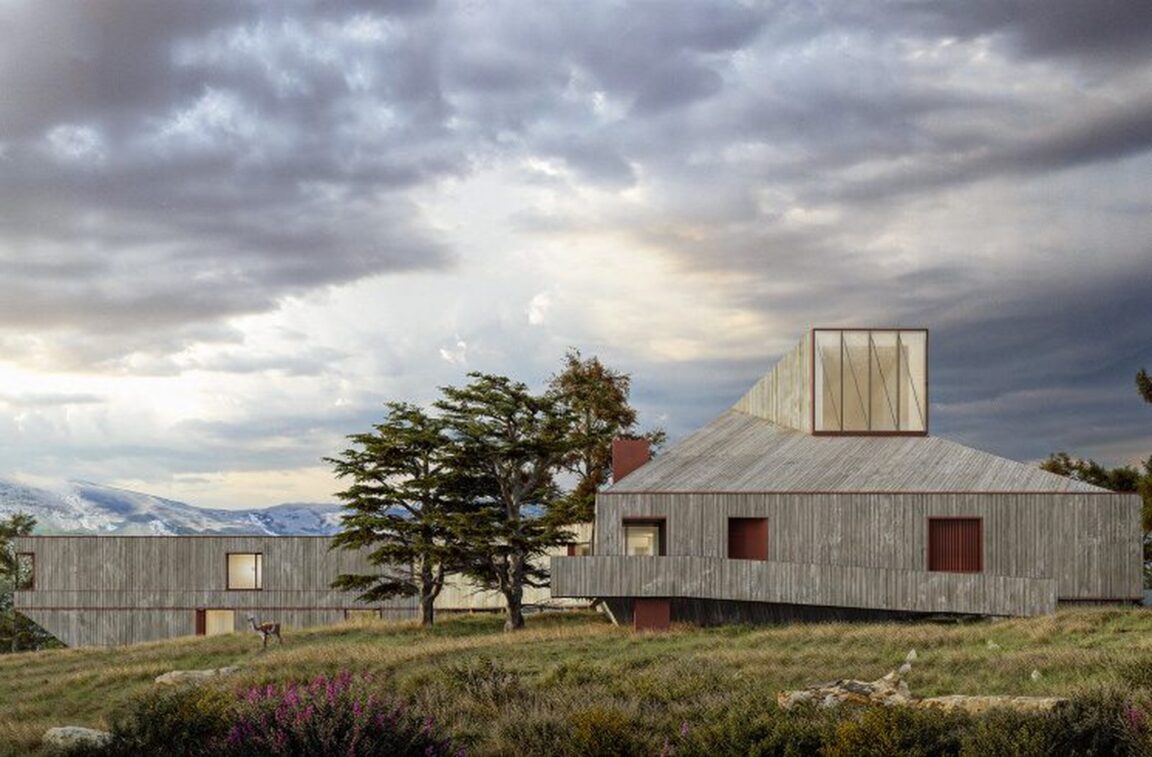
Scale is the statement here. Ten rooms, each 25 square metres and sleeping two in a king bed or two twins, with views either to the Torres del Paine peaks or to the native forest, heating, and a deliberately short amenity list. There is no room category ladder to decode and no suite upsell; the lodge is built so that the room is a place to sleep deeply between exploration days, while the shared spaces, the quincho where traditional Patagonian asados are prepared by reserve gauchos, the hot tubs and the steppe horizon, carry the experience. Travellers who equate luxury with square metres and marble bathrooms will misread this lodge. Travellers who equate luxury with silence, guiding quality and having a 6,000 hectare reserve effectively to a handful of guests will read it correctly. Our Patagonia packing guide covers the layering system this climate demands, and it applies doubly to a lodge whose days are spent outdoors in four seasons of weather.
More than 30 explorations, in four zones
The exploration menu is the real room rate justification, and Explora organises it by territory. The Macizo Paine zone covers the granite heart of the park: treks to Base Torres, the French Valley and Grey Glacier, reached from unusual angles via overland routes and navigation across Lago Pehoe. The Cuenca Paine zone works the quieter south eastern side of the park, open steppe and interconnected lakes including Laguna Azul and Lago Sarmiento, with wetlands wildlife such as guanacos and Andean condors. La Reserva is the private territory itself, 6,000 hectares of lagoons, valleys and former estancias explored on foot, on horseback or on self guided trails. The Sierra Baguales zone is the remote one, ancient fossil formations and vast valleys near the Chile Argentina border. Every exploration is led by a bilingual certified guide trained at Explora’s own School of Guides of Guides, and groups are limited to eight guests. The evening ritual is the same as at every Explora: sit with the guides, review the weather, and choose tomorrow difficulty honestly, from gentle overland and horseback days to full day treks.
What all inclusive actually includes here
Explora publishes the inclusions plainly, and they are unusually complete. The rate covers the ten room accommodation, all guided explorations, all meals and beverages, described as Patagonian inspired cuisine including traditional asados paired with Chilean wines, the spa facilities of outdoor hot tubs and a massage room, national park entrance fees, and round trip transfers from Puerto Natales on preset schedules. The stated exclusions are equally plain: flights, optional private transfers and personal expenses. That transparency makes the maths easy to test against the alternative, which is a Puerto Natales or in park hotel plus separately booked guides, park fees, transfers and meals, with guiding quality and group sizes that vary by operator. For travellers flying in through Buenos Aires and crossing from El Calafate, our three days in Buenos Aires itinerary is the natural front end to the journey; Explora lists the El Calafate overland transfer at about five to six hours on select days from October to April.
Getting there, and the seasons
The gateway is Puerto Natales. From Santiago, direct flights with LATAM or Sky Airline reach Puerto Natales Airport, where Explora lists complimentary van pickups at set times, or from Puerto Natales hotels late morning. The lodge is then about a two hour drive, mostly paved with about 20 kilometres of gravel. Other listed routes include the lodge to lodge flight from Patagonia National Park on select days from October to mid April, and long overland combinations from El Chalten. On seasons, Explora is candid: the lodge is open year round, summer from November to February brings long days and wildflowers and the best conditions for the iconic treks, autumn from March to May brings golden beech forests and calmer winds, winter is solitary and snow dusted, and spring brings peak wildlife activity. The famous Patagonian warning applies in every month: this is the Wet Andes, and four seasons in a single day is a planning assumption, not a slogan.
Who it suits best, and who should look elsewhere
The reserve lodge suits active travellers who want Torres del Paine done properly, with expert small group guiding, a conservation story they are directly funding, and an all inclusive rate that removes daily spending decisions. It suits photographers and wildlife watchers drawn to the steppe, the condors and the returning wildlife of the reserve itself. It is a weaker fit for travellers who want to be inside the park boundary at a large full service hotel, for anyone who needs extensive in room amenities and entertainment, and for independent trekkers committed to the refugio circuit on the W and O trails, who will find the guided lodge model restrictive and expensive by comparison. The fairest summary is that Explora has moved its Patagonia flagship from a famous address to a philosophy: fewer rooms, private land, conservation as the product, and the park reached as a guided exploration rather than slept inside.
Frequently Asked Questions
Is the Explora lodge inside Torres del Paine National Park?
No. Explora states that the Conservation Reserve is a private protected wilderness of nearly 15,000 acres located on the edge of the national park, but not inside it. National park entrance fees are included in the rate, and park landmarks such as Base Torres, the French Valley and Grey Glacier are visited as guided explorations.
How many rooms does the Explora Torres del Paine lodge have?
Ten rooms, per the Explora website. Each is 25 square metres, sleeps two in a king bed or two twin beds, and faces either the Torres del Paine peaks or the native forest.
What does the all inclusive rate cover?
Accommodation, more than 30 guided explorations, all meals and beverages including Patagonian asados and Chilean wines, outdoor hot tubs and the massage room, national park entrance fees, and scheduled round trip transfers from Puerto Natales. Flights, optional private transfers and personal expenses are extra.
How do I get to the Explora Conservation Reserve lodge?
Through Puerto Natales, about two hours away by road. Explora lists complimentary scheduled van transfers from Puerto Natales Airport and from hotels in the town, and seasonal overland and lodge to lodge flight options from El Calafate, El Chalten and Patagonia National Park.
How large are the exploration groups?
A maximum of eight guests, led by bilingual certified guides trained at Explora’s own School of Guides of Guides. Explorations run on foot, on horseback, overland and on self guided trails across four zones.
When is the best season to go?
The lodge is open year round. Explora describes November to February as the most popular season, with long days and the best conditions for iconic treks, March to May as arguably the most beautiful for autumn colour and calmer winds, and winter and spring as quieter, wildlife rich alternatives.