 Elena Vasquez
Eat Porto in this order and the city makes sense: a slow morning inside the Bolhao market while the fish stalls are still being iced, a bifana standing up at a counter before noon, a cheap tasca lunch where the dish of the day is written on paper, and only then, when you are properly hungry again, the francesinha. The sandwich is the headline act, but it is a poor first meal of the day. It is rich, salty and built to end an appetite, so the travellers who enjoy it most are the ones who arrive at it last.
Quick Facts
- Anchor sight: Mercado do Bolhao, Rua Formosa 322, Porto
- Market hours: Monday to Friday 08:00 to 20:00, Saturday 08:00 to 18:00, closed Sundays and public holidays, per the market official site, checked 18 November 2026
- Market restaurants: Monday to Saturday 08:00 to 24:00, per the market official site
- Francesinha stop: Cafe Santiago, Rua de Passos Manuel 226, Monday to Saturday 12:00 to 22:45, closed Sunday, per the restaurant own listing
- Bifana stop: Conga, Casa das Bifanas, Rua do Bonjardim 318, serving since 1976, Monday to Saturday 11:30 to 22:00, closed Sunday
- Roast pork stop: Casa Guedes, Praca dos Poveiros 130, known for the sandes de pernil
- Entry cost: The market is free to enter. Santiago and Casa Guedes do not publish full prices online, so budget in person rather than trusting old menu photos
- Closed day trap: Sunday closes the market, Cafe Santiago and Conga on the same day. Plan this route Tuesday to Saturday
- Facts checked: 18 November 2026
Why does the order of eating matter in Porto?
Porto food is filling in a way that sneaks up on you. A bifana looks like a small pork roll and eats like a meal once the sauce soaks the bread. A tasca lunch of the day usually means soup, a main plate, bread and often wine or coffee at a price the Baixa office crowd relies on. The francesinha then layers steak, ham and sausage under melted cheese and a hot beer and tomato sauce, usually with chips. Stack those three in the wrong order and by mid afternoon you are done eating for the day, which wastes the market, the tascas and the evening. Stack them in the order below and each one has a job: the market teaches you the ingredients, the bifana teaches you the counter culture, the tasca teaches you value, and the francesinha is the celebration at the end.
What should you eat first at Mercado do Bolhao?
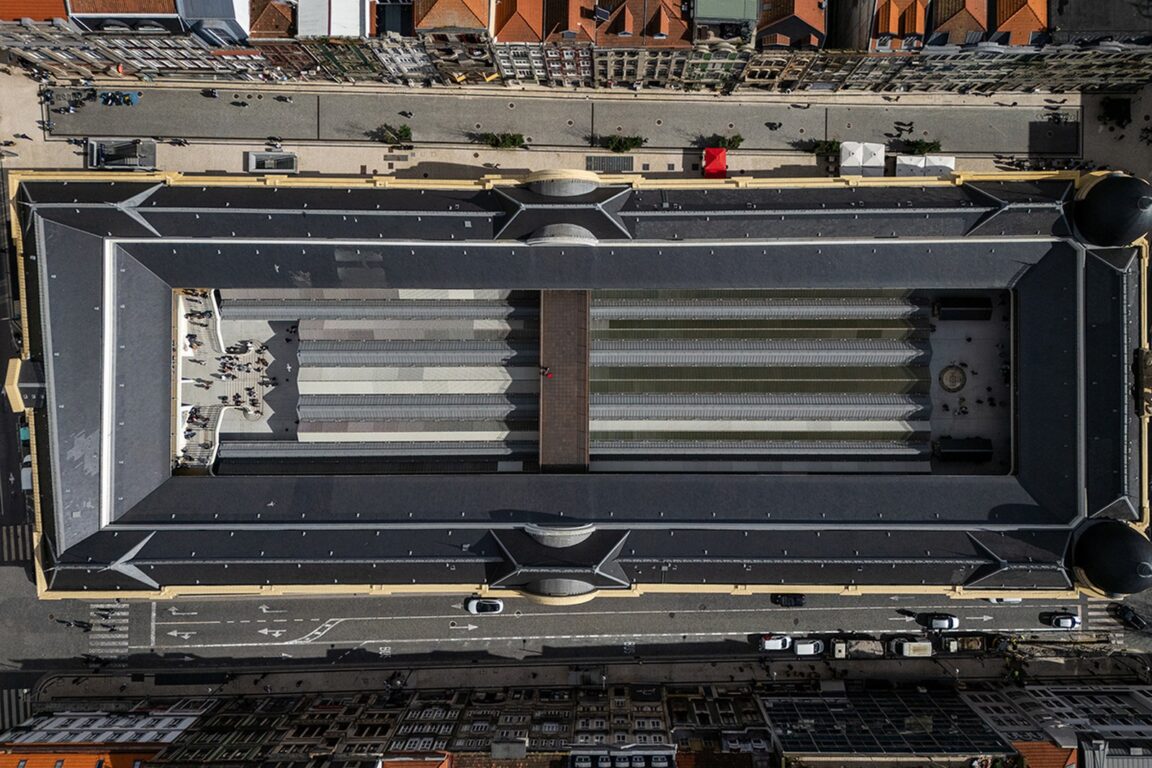
Start at the Bolhao, and start downstairs. The market fills a whole city block in the Baixa, bounded by Rua Formosa, Rua de Sa da Bandeira, Rua de Alexandre Braga and Rua de Fernandes Tomas, with the Bolhao metro station at its edge. The building was designed by city architect Antonio Correia da Silva, built between 1914 and 1917, and reopened on 15 September 2022 after a restoration of about four years, with its historic traders back inside. That last point matters for how you eat there. This is still a working fresh market, not a food court wearing a market costume, so the ground floor is for looking, tasting small things and buying picnic pieces rather than sitting down to a full lunch.
Work the floor in a loop. Fish and shellfish first, while the morning ice is fresh, then fruit and vegetables, flowers, bread, cheese and cured meats. The upper floor carries the market restaurants and more speciality stalls, and those restaurants keep longer hours than the market floor, running to midnight Monday to Saturday. A good Bolhao breakfast is deliberately small: a coffee, a piece of fruit, something baked, and a taste of cheese or olives if a stallholder offers one. You are calibrating, not feasting. Buy nothing heavy to carry, because the next two stops are within a short walk and both reward an appetite.
One practical note on timing. Saturday is the market busiest day and it closes two hours earlier than weekdays, at 18:00. On any day, arriving in the morning gets you the fullest stalls and the calmest aisles. If you are building a wider Portugal trip around food, pair this route with our 3 days in Lisbon itinerary, which uses the same market first logic in the capital, and with the slow wine country covered in our Alentejo travel guide for the days after Porto.
Where does the bifana fit, and what are the rules?
The bifana is Porto second breakfast and its best value lesson. Thin slices of pork are simmered in a spiced sauce and tucked into a soft roll that soaks up the juices, and at Conga on Rua do Bonjardim the version comes with a gentle heat that regulars treat as the house signature. Conga has served since 1976 and runs Monday to Saturday from 11:30 to 22:00, closed on Sundays. The rules are simple. Order at the counter, eat the first one without additions so you can judge the sauce, and only then decide whether cheese or a second roll is a good idea. Two bifanas is a lunch. One bifana is the correct move on this route, because the tasca is next.
A word on the station kiosks. Porto travellers often arrive hungry at Sao Bento or Campanha and eat the first thing they see, which is how a trip starts with a forgettable sandwich in a station corridor. Resist it on day one. The walk from Sao Bento to the Bolhao area takes about ten minutes, and the bifana at a proper counter, eaten standing with the sauce dripping, is worth the short wait. Station food has its place on departure day, when it is a practical goodbye rather than a first impression.
What is a tasca lunch, and how do you order one?
A tasca is a small, plain, family run eatery, and lunch is when it performs. The dish of the day, the prato do dia, is the order: it is what the kitchen bought that morning, it moves fastest, and it is priced for people who work nearby and will notice if value slips. In the streets around the Bolhao and down toward the Baixa you will see handwritten boards at midday. Read them, pick the tasca with a queue of locals rather than the longest menu, and be seated before the lunch rush peaks around 12:30. Expect soup to arrive without ceremony, a main plate built on the market ingredients you saw that morning, and a bill that makes restaurant dinners elsewhere in Europe look ambitious.
The tasca is also where the francesinha debate is best overheard, because Porto argues about the sauce the way other cities argue about football. Every house guards its recipe. The base is beer and tomato, and beyond that the arguments start: how much heat, whether the sauce should be smooth or textured, which sausage belongs in the stack, and whether a fried egg on top is essential or a distraction. You do not need a verdict. You need a preference, and you form it by eating one canonical version first, which is why this route sends you to a famous name before it sends you anywhere experimental.
How should you tackle the francesinha at Cafe Santiago?
Cafe Santiago, at Rua de Passos Manuel 226 near the Coliseu, is one of the names Porto itself gives first for the francesinha, and its own description of the sandwich lists mortadella, fresh sausage, linguica, beef steak, ham and cheese under a fried egg, with the sauce recipe kept as a family secret. It opens Monday to Saturday from 12:00 to 22:45 and closes on Sunday. Go in the evening, after the tasca lunch has had time to settle, and treat the order as a shared project if there are two of you: one francesinha with chips, the sauce as the house serves it, and a cold drink to cut the salt. Ask for the sauce picante only if you already know you like heat, because a first francesinha should taste of the house recipe, not of your bravado.
Then, if the trip allows a second round on another day, that is the moment for Casa Guedes at Praca dos Poveiros 130 and its sandes de pernil, a slow roast pork sandwich that locals pair with Serra cheese. It is a different pleasure from the bifana: softer, richer, and better suited to sitting down. What you book ahead in Porto food is rarely a table at these counters, since most are walk in by design. What you book ahead is the shape of the day itself: a market morning on a day the market is open, and no other big meal competing with the francesinha.
Frequently Asked Questions
Is Mercado do Bolhao open on Sunday?
No. The market official site lists the market as closed on Sundays and public holidays, and the upstairs restaurants close with it. Cafe Santiago and Conga also close on Sunday, so build this food route for Tuesday to Saturday.
Do you need to book Cafe Santiago or Conga in advance?
Both are counter and cafe style stops that work mainly on walk ins, and neither publishes a booking requirement. What needs planning is timing: arrive outside the peak lunch and dinner rushes, and never leave the francesinha to a Sunday.
What is actually in a francesinha?
At Cafe Santiago the house lists mortadella, fresh sausage, linguica, beef steak, ham and cheese, topped with a fried egg and covered in its secret beer and tomato sauce, usually served with chips. Recipes vary by house, which is the whole point of the Porto sauce debate.
How much should you budget for a Porto food day?
Budget honestly rather than precisely. The market is free to enter and tastings are small purchases, a bifana is a cheap counter lunch, and a tasca dish of the day is priced for local workers. Cafe Santiago and Casa Guedes do not publish full current prices in the sources checked for this guide, so carry a moderate dinner budget and check the menu on the door.
What if you only have one meal in Porto?
Make it the francesinha, eaten in the evening at a recognised house such as Cafe Santiago, and spend the hour before it walking the Bolhao so the sandwich lands in context. One great meal understood beats three famous meals rushed.
Image: Mercado do Bolhao, Porto, seen from above. Photo via Mercado do Bolhao official site, mercadobolhao.pt.