 Hana Kim
Tswalu Kalahari is South Africa’s largest privately protected conservation area: 118,000 hectares, about 292,000 acres, of southern Kalahari on the Northern Cape edge, holding just three small camps for a maximum of 40 adults, with a private vehicle, guide and tracker guaranteed for every booking at no extra charge. There are no other camps or safari vehicles on the reserve besides Tswalu’s own. The luxury here is measured in space and in species most safaris never see, habituated meerkats, pangolin, aardvark and black maned Kalahari lions, and this guide explains how the three camps differ and how the charter flight in actually works.
Quick Facts: Tswalu Kalahari
- Address: Tswalu Kalahari Reserve, Farm Korannaberg 296, Van Zylsrus, Northern Cape 8467, South Africa
- Size: 118,000 hectares (292,000 acres), the largest privately protected conservation area in South Africa
- Camps: three only, for a maximum of 40 adults: Motse, Tarkuni and Loapi
- Motse: nine legae (Setswana for home), for two or four guests, in the west of the reserve below the Korannaberg mountains
- Tarkuni: exclusive use safari home, five bedrooms for up to 10 guests under one roof
- Loapi: six private villa style safari homes of one or two bedrooms, spread over a kilometre in Bruwer Valley
- Private vehicle: a private vehicle, guide and tracker are guaranteed with every booking at all camps, with no extra charge
- Access: scheduled charter flights direct to Tswalu’s airstrip, about 90 minutes from Johannesburg and about two hours from Cape Town
- Practical wins: malaria free, children of all ages welcomed, four of the big five present
- Checked: camp, access and wildlife details verified 20 November 2026 against tswalu.com
Why is Tswalu different from a Kruger safari?
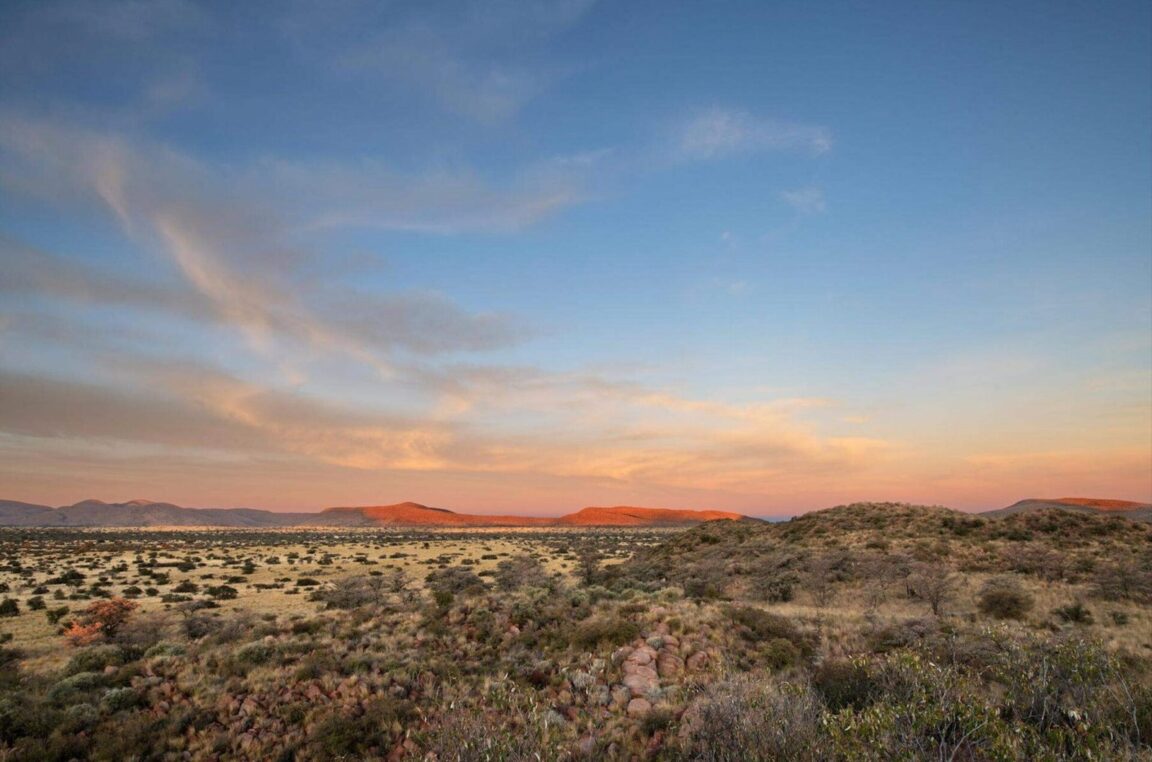
Most South African safaris share their wilderness. Reserves in the greater Kruger ecosystem carry many lodges, and sightings can draw a respectful queue of vehicles. Tswalu inverts the model completely. One reserve of almost 1,200 square kilometres holds three camps and a maximum of 40 adults, the lowest guest footprint in the country, and as a guest you have exclusive access to the whole property: your guide can head out in a different direction every day without seeing another safari vehicle or sharing a sighting. The landscape is the other half of the difference. This is the southern Kalahari, a semi arid ecotone of red dunes, grassy plains and the Korannaberg mountains, where true Kalahari species meet arid savannah, and the wildlife list runs to more than 80 mammals. The conservation story is structural, not decorative: Tswalu is first and foremost a restoration project, reintroducing species such as desert black rhino and Hartmann’s mountain zebra, funding research through the Tswalu Foundation, running a clinic that provides free primary health care within a 100 kilometre radius, and reporting through an annual audited Impact Statement. Travellers comparing South African safari styles should also see our guide to Londolozi Game Reserve for the classic Sabi Sand model, and for a Winelands contrast before or after the bush, Babylonstoren in Franschhoek.
Motse, Tarkuni or Loapi: which camp should you choose?
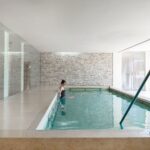
Motse is the main camp and the natural first choice: nine legae in the west of the reserve, where the Korannaberg mountains give way to plains and red dunes, facing an active waterhole that draws oryx, springbok, giraffe and buffalo. Three of the nine are family legae with two bedrooms and a shared living room, two common swimming pools serve the camp, and the classic Tswalu activities radiate from here, game drives, petroglyph walks, tracking lessons, horse riding and mornings with the habituated meerkats. Tarkuni is the celebration house: an exclusive use thatched homestead with five bedrooms for up to 10 guests, covered verandahs, a fire pit, boma and plunge pool overlooking its own waterhole, backed by the Korannaberg valleys and petroglyph sites. It is the obvious pick for multi generation families and groups of friends who want everyone under one roof and the staff’s full attention. Loapi, opened as the third camp in 2023, is the privacy extreme: six standalone safari homes of one or two bedrooms stretched along a kilometre of the Lekgaba in Bruwer Valley, each a self contained villa experience facing open plains and distant hills, designed for slow days watching light move across the valley. For longer stays the reserve itself suggests the combination: Motse first for the full activity programme, then Loapi for the private wilderness finish.
What will you actually do and see each day?
The private vehicle guarantee changes the texture of every day, because the programme is built around your interests, the weather and the season rather than a camp timetable. Tswalu is famous first for the animals other reserves cannot offer reliably: black maned Kalahari lion, desert black rhino, cheetah, and a nocturnal cast that includes brown hyena, aardwolf, aardvark, bat eared fox, African wild cat, Cape fox and Temminck’s pangolin, alongside giraffe, kudu, red hartebeest, springbok, oryx and Burchell’s zebra. Four of the big five are present, rhino, buffalo, lion and leopard, and the reserve is frank that the point is habitat and biodiversity rather than a tick list. Days mix game drives with walks to petroglyph sites, learning the art of tracking with your tracker, horseback outings, time with habituated meerkat mobs, and introductions to live research projects. A private photographic guide and a fully equipped photographic vehicle can be booked by the day, lenses from 150mm to 600mm can be hired on site, and every guest group is invited to a complimentary dinner at the Boscia House pop up on stays of two nights or more. The reserve recommends no fewer than four nights, and the scale of the place makes that advice easy to defend.
How do you get there, and when should you go?
Access is simpler than the map suggests. Tswalu runs a direct scheduled charter to its own tarred airstrip from Fireblade Aviation at OR Tambo in Johannesburg, about 90 minutes, and from Cape Town International, about two hours, in a Beechcraft King Air or Pilatus PC12, with a roughly 20 minute transfer into camp after landing. The Johannesburg flights connect the same day with FedAir services into the Sabi Sand and Madikwe, so Tswalu pairs cleanly with a Kruger circuit in either direction, and private charters can land at the airstrip too. The reserve is a year round destination, and the seasons trade honestly: summer brings dramatic skies, localised thunderstorms and, after rain, tall flowering grass that makes the small nocturnal species harder to find, while the dry winter offers cold bright mornings, golden grass and easier visibility. Two family facts widen its appeal considerably: Tswalu is malaria free, with no prophylaxis needed, and it welcomes children of all ages, with guides who plan drives around young attention spans. Rates are fully inclusive of accommodation, food, game activities and the private vehicle team, and are published on the reserve’s own rates page by camp and season, so confirm the current figure there rather than through any third party summary.
Frequently asked questions about Tswalu Kalahari
How big is Tswalu, and how many guests can it hold?
Tswalu covers 118,000 hectares, about 292,000 acres, and its three camps, Motse, Tarkuni and Loapi, hold a maximum of 40 adults between them. The reserve states this gives it the lowest ratio of beds to hectares in South Africa.
Is a private safari vehicle really included?
Yes. Tswalu guarantees a private vehicle, guide and tracker with every booking at all three camps, with no need to reserve it separately or pay extra. Your guide individualises each day around weather, seasonality and your wish list.
How do you fly to Tswalu?
On the reserve’s scheduled charter flights direct to its private airstrip: about 90 minutes from Fireblade Aviation at Johannesburg’s OR Tambo, and about two hours from Cape Town International, followed by a transfer of roughly 20 minutes into camp.
Can you see pangolin and meerkats at Tswalu?
Tswalu is one of the best places in Africa for the elusive nocturnal species, including Temminck’s pangolin, aardvark, aardwolf and brown hyena, and its habituated meerkat mobs are a signature morning experience. Sightings are never guaranteed, which is why the reserve recommends stays of at least four nights.
Is Tswalu suitable for children?
Yes. The reserve is malaria free and welcomes children of all ages, with family legae at Motse, two bedroom homes at Loapi, and the exclusive use Tarkuni homestead for multi generation groups. Drives and activities are planned with the guide around children’s interests and energy.
Camp, wildlife, access and inclusion details checked on 20 November 2026 against tswalu.com, the reserve’s official website. Rates are published there by camp and season and are confirmed at booking.