 Rafael Santos
There is no single Aysen parks pass that unlocks every gate on the Carretera Austral, and planning around that fact is the difference between a smooth road trip and a morning spent outside a locked ranger station. What Chile has built instead is one booking portal, Pases Parques at pasesparques.cl, run for the national park service CONAF, through which you buy a separate ticket for each park and, in the biggest parks, for each sector. The Aysen section of the Route of Parks of Patagonia strings together Queulat, Cerro Castillo, Patagonia and Laguna San Rafael national parks, with Melimoyu and Isla Magdalena reached by boat rather than road. Buy every ticket before you lose signal, download or print the QR code, and register at each sector ranger station on arrival, because connectivity along Route 7 is patchy and some entrances have no way to sell you a ticket on the spot.
Quick Facts
- The system: One portal, pasesparques.cl, but a separate paid ticket per park and per sector. There is no unlimited Aysen pass.
- The route: The Route of Parks of Patagonia links 17 national parks over about 2,800 kilometres from Puerto Montt to Cape Horn, protecting some 11.5 million hectares, according to Chile Travel.
- Aysen road parks: Queulat, Cerro Castillo and Patagonia national parks sit on or near the Carretera Austral. Laguna San Rafael is reached by boat or a rough side road, and Melimoyu and Isla Magdalena are effectively boat only.
- Indicative prices: Recent published tariffs put a foreign adult at about CLP 11,400 for Patagonia National Park and about CLP 15,000 for Cerro Castillo. Pumalin, further north, is free. Always confirm the live price on Pases Parques before you travel.
- Gateway airport: Balmaceda, 55 kilometres south of Coyhaique. Chile Travel puts the onward drive to Cochrane and the Valle Chacabuco entrance of Patagonia National Park at about 6 to 7 hours.
- Hard rules: No pets, no drones and no open fires in Patagonia National Park, and registration at the sector ranger station is required.
Which parks actually joined the state system, and when?
The Aysen network looks new because much of it is. In 2018, under an agreement between the Chilean government and Tompkins Conservation, a wave of former private conservation land and upgraded reserves entered the national park system. Cerro Castillo, long a national reserve, was recategorised as a national park. Patagonia National Park was created on 11 December 2018 by joining the former Lago Jeinimeni and Lago Cochrane (Tamango) reserves to the Valle Chacabuco, the former sheep estancia bought by Conservacion Patagonica in 2004 and rewilded over the following decade. Pumalin, north in Los Lagos, followed the same route from private park to national park. The result is a chain of state parks where, a generation ago, several of the best trailheads sat behind estancia gates.
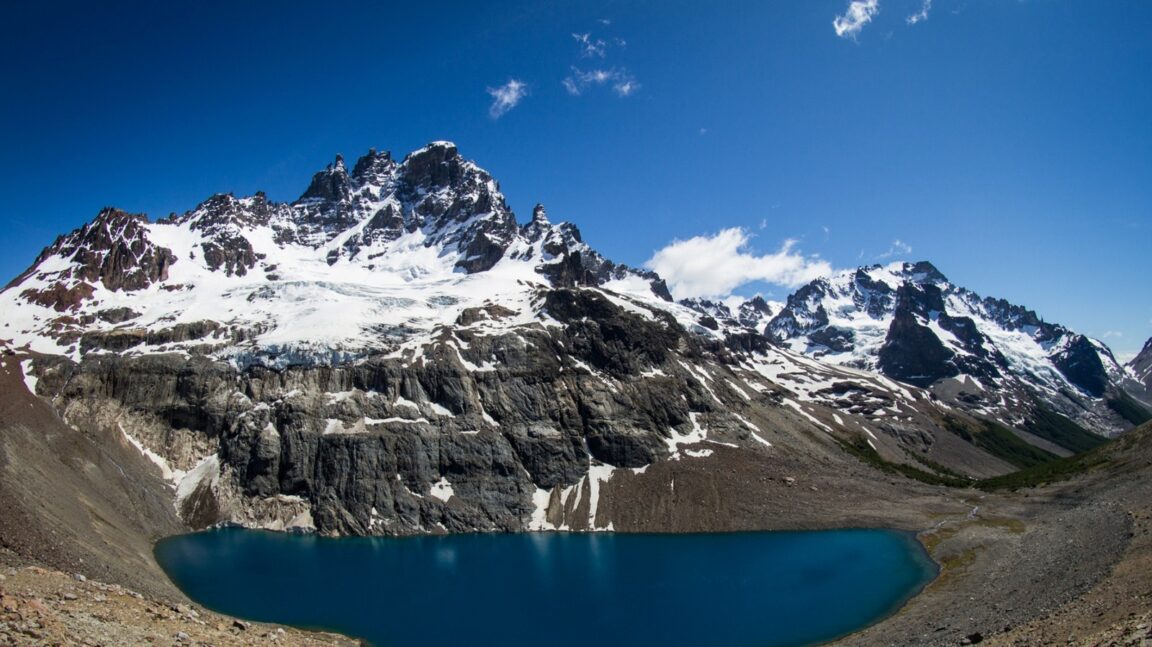
Patagonia National Park alone protects over 300,000 hectares across three sectors that do not connect by road: Valle Chacabuco, Jeinimeni and Tamango. Chile Travel describes herds of guanacos, soaring condors and the largest protected population of endangered huemul deer in Chile across its steppe and Andean woodland. Cerro Castillo protects about 179,550 hectares around its castle shaped peak, and Queulat is famous for the Ventisquero Colgante, its hanging glacier. Treating these as one park with one ticket is the first mistake the new system invites, and the one the booking portal is designed to prevent.
How does Pases Parques pricing actually work?
Each park sets its own tariff, with separate prices for Chilean nationals and foreign visitors, and reduced or free entry for children in several parks. A ticket listing for the Chacabuco sector of Patagonia National Park, for example, shows prices ranging from CLP 3,200 to CLP 11,400 depending on visitor category, with foreign adults at the top of that range. Cerro Castillo has recently been listed at about CLP 15,000 for a foreign adult, reflecting the cost of maintaining the popular Laguna Cerro Castillo trail. Queulat sits closer to CLP 12,000 for foreign adults in recent listings. These figures move, sometimes mid season, which is why this guide gives you the shape of the system rather than a promise: check pasesparques.cl for your exact dates, buy there, and screenshot the confirmation as well as saving the PDF.
Two practical consequences follow. First, a multi park week is priced per entry, so a traveller walking in Cerro Castillo, Queulat and two sectors of Patagonia National Park buys four tickets, not one. Second, free days do not rescue a disorganised itinerary. On National Protected Areas Day in November 2026, CONAF made entry free at 26 protected areas including the Coyhaique National Reserve in Aysen, but visitors still needed a zero peso ticket booked through Pases Parques, checked at the gate against capacity. The portal is the system, on free days and paid days alike.
Where are the shuttle gaps that remain?
There is no park shuttle network in Aysen, and this is the honest gap in the new access logic. Regional buses run the spine of the Carretera Austral between Coyhaique, Villa Cerro Castillo, Puerto Rio Tranquilo and Cochrane, but they are intercity services on their own timetables, not trailhead transport. The Valle Chacabuco visitor centre is reached by the Entrada Baker detour, about 17 kilometres north of Cochrane, and the Tamango sector starts about 4 kilometres from Cochrane, while Jeinimeni is approached from Chile Chico along Route X-753 for some 65 kilometres. None of those distances is walkable with a pack after a bus drops you in town.
Most travellers therefore rent a high clearance vehicle in Coyhaique or at Balmaceda airport, which Chile Travel also recommends for the unpaved gravel stretches. If you are relying on buses, base yourself in the gateway towns, Cochrane for Patagonia National Park and Villa Cerro Castillo for the Cerro Castillo trails, and arrange local transfers or tours for the final leg the night before, not at the bus stop in the morning. Build the same buffer into your ticket dates: a pass bought for a day when the bus gets you to town at noon is a pass half wasted. For more Patagonia planning, read our guide to what to pack for Patagonia and our Atacama stargazing guide if your Chile trip runs the full length of the country.
How should you sequence an Aysen parks week?
Drive south in the order the parks appear. From Coyhaique, Cerro Castillo is the first major stop, about 64 kilometres south of the city, with the Laguna Cerro Castillo day hike as the headline walk. Queulat lies north of Coyhaique, so it pairs better with the start or end of the trip, or with a night in Puyuhuapi. Continuing south past the marble caves country around Puerto Rio Tranquilo, Patagonia National Park deserves two nights minimum near Cochrane, one day for Valle Chacabuco and its museum and Lagunas Altas trails, and one for Tamango or the drive toward Chile Chico and Jeinimeni. Book each ticket the week before, in town, on reliable wifi, and keep the whole set offline in your phone and in print.
Frequently Asked Questions
Is there a single pass for all Aysen national parks?
No. Pases Parques is a single booking portal, not a pass. You buy a separate ticket for each park and, in Patagonia National Park, for each sector you enter, at that park’s own tariff.
Do I have to buy tickets in advance?
Yes, in practice. CONAF directs visitors to buy on pasesparques.cl before arriving, and Chile Travel advises purchasing passes in advance and registering at each sector ranger station. Remote entrances may have no signal and no ticket sales.
Which Aysen parks can I reach without a car?
Gateway towns are reachable by regional bus, but trailheads are not served by park shuttles. Cerro Castillo village sits closest to its trailhead. For Patagonia National Park, plan a local transfer from Cochrane for the Valle Chacabuco and Tamango entrances.
What does a foreign adult pay?
Recent listings put Patagonia National Park at about CLP 11,400 and Cerro Castillo at about CLP 15,000 for a foreign adult, with Queulat around CLP 12,000. Prices change, so treat these as budget figures and confirm on Pases Parques.
Can I bring a dog into the parks?
No. Pets are strictly forbidden in Patagonia National Park to protect huemul deer and guanacos, and drones and open fires are also prohibited.