 Wei Chen
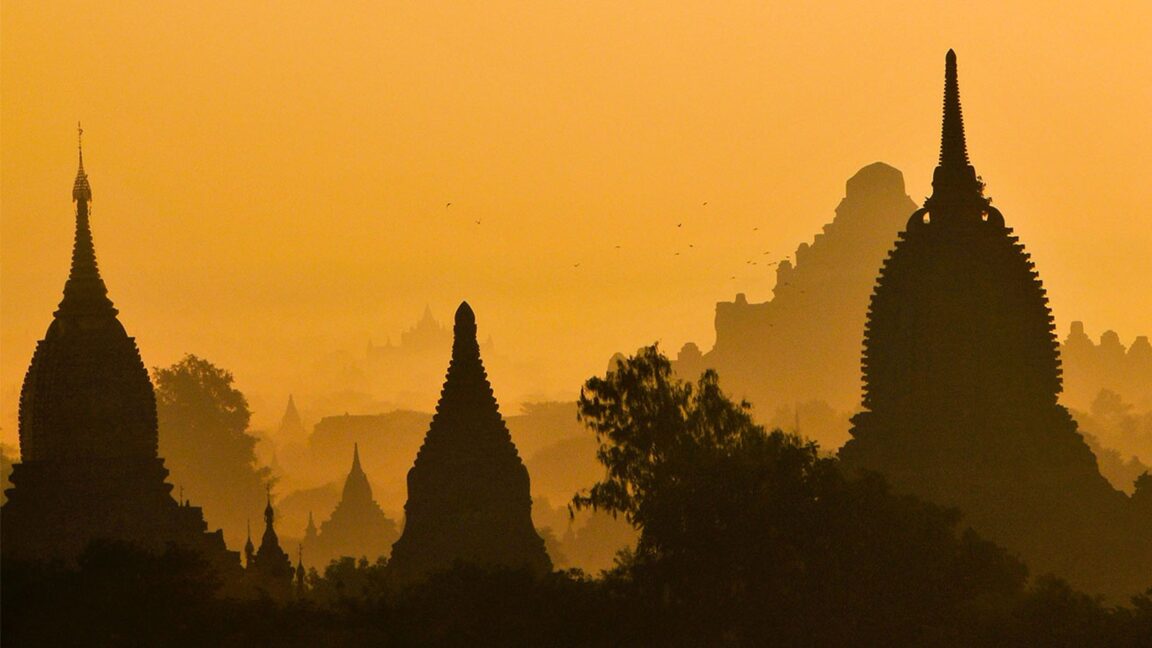
Bagan is navigable by e-bike and only by e-bike for most visitors, because the plain is far too large to walk, foreign visitors are not rented petrol motorbikes, and the electric scooters hired from Nyaung U and New Bagan are the right speed for dirt tracks between temples. The order that works is fixed by the rules as they now stand: sunrise from an official viewing mound, not from a temple roof, because climbing the monuments has been banned for years; the great temples in the cool of the morning; a long midday stop in the heat; and the lacquer workshops of Myinkaba village and the smaller temple clusters in the late light. One condition comes before all of that. Myanmar has been in conflict since 2021, the United States advises against all travel to the country, and the United Kingdom advises against all but essential travel to Mandalay Region, which includes Bagan. Check your own government’s advice immediately before planning, and treat this guide as the how, to be used only when the whether is settled.
Quick Facts
- The place: A dry plain on the east bank of the Ayeyarwady River in central Myanmar, holding more than 2,000 surviving Buddhist temples, stupas and monasteries from the 11th to 13th centuries. UNESCO, which inscribed Bagan in 2019, records 3,595 monuments across the World Heritage property.
- Zone fee: Current guides, citing the Bagan branch of the Department of Archaeology and National Museum, put the archaeological zone fee at 30,000 kyat for foreign visitors, valid for three days, since 1 October 2023. Keep the ticket with you.
- Temple climbing: Banned. Use the official viewing mounds and designated viewpoints for sunrise and sunset.
- Getting around: E-bikes, hired by the day in Nyaung U and New Bagan, top out at about 35 kilometres per hour. Older published day rates ran from about 6,000 to 10,000 kyat; prices have moved with the kyat, so confirm at the shop.
- The bases: Nyaung U for transport and budget stays, Old Bagan inside the zone, New Bagan for quieter mid range hotels.
- Dress and conduct: Shoes and socks come off at every temple precinct. Cover shoulders and knees, keep voices low at active shrines, and never climb, sit or lean on ancient brickwork.
How does the sunrise order work now that climbing is banned?
The old Bagan ritual, climbing a terraced temple such as Shwesandaw in the dark, ended in stages: restrictions began in 2016, tightened after earthquake damage and safety concerns, and the ban now covers the monuments generally. What replaced it is less romantic and perfectly workable. The authorities built viewing mounds, low artificial hills near clusters such as Sulamani, from which the sunrise view takes in the whole plain: mist in the hollows, hundreds of spires layering into the distance, and, in the October to March season, balloons drifting over the field of temples. The routine is to collect your e-bike the evening before or at opening, ride out in the dark with a headlamp on tracks you scouted in daylight, and be on the mound 20 to 30 minutes before sunrise. Riding unfamiliar dirt tracks in the dark is the day’s only real hazard, along with the sand patches that catch a front wheel, so keep speeds low and follow the main tracks between Nyaung U, Old Bagan and the mound.
After sunrise, use the next two hours for the great temples while the light is low and the heat is not. Ananda, built in 1105 and the plain’s most revered temple, holds four standing Buddhas of about 9.5 metres facing the cardinal points. Thatbyinnyu, built in 1144, is Bagan’s tallest temple at about 61 metres, admired from the ground since its terraces are closed. Dhammayangyi, the massive unfinished pyramid temple, and Sulamani, with its fine brickwork and paintings, complete a northern circuit that an e-bike covers comfortably before 10am. Temples further afield reward a second morning. For a companion piece on another great Southeast Asian temple plain, see our guide to visiting Angkor Wat at sunrise, and for a slower river town in the same region, our Luang Prabang guide.
What happens between the temples, in the villages?
Bagan is a lived in archaeological zone, and the villages between the monuments are not filler. Myinkaba, just south of Old Bagan, is the lacquerware village: family workshops where bamboo frames are built up with lacquer, layer on layer, then engraved and polished into bowls, boxes and trays. Workshops welcome visitors, demonstrate the stages, and sell direct, and a piece bought here comes with the maker’s explanation of why real lacquer takes weeks. Minnanthu, to the east, is a farming village among a dense, quieter cluster of smaller temples where you may be the only visitor in a frescoed hall. West Pwazaw and the other village clusters have their own small monasteries and a slower rhythm again. Plan the lacquer workshops for the late afternoon, when temple touring fades in the heat and the workshops are active, and buy water and snacks in the villages rather than expecting facilities at the monuments.
How do you run an e-bike day without it going wrong?
Rent from your hotel or a shop on the main streets of Nyaung U or New Bagan, and settle four things before you ride away: a full battery, because range is the whole game on a plain this size; the shop’s phone number, because a flat battery or puncture is solved by a replacement bike brought to you, not by pushing; a helmet, because the tracks are sandy and the roads carry trucks and horse carts; and the return time, because riding after dark without local knowledge is how travellers get lost among identical looking spires. Prices quoted in older guides, around 6,000 to 10,000 kyat for a full day, have been overtaken by the kyat’s fall, so agree the day rate, half day rate and battery swap policy in the shop. Ride the paved roads for distance and the dirt tracks for the final approach, park only where other bikes park, and take everything off the bike at each temple, because you will be inside, barefoot, longer than you expect.
What should you know about damage, safety and timing?
Bagan’s monuments were damaged by earthquakes in 1975 and 2016, and a further major earthquake struck central Myanmar in March 2025, cracking some monuments, so expect scaffolding and closures at individual temples and obey every barrier, including at temples that look climbable. The best season for the plain itself is the cool, dry stretch from November to February, when mornings can be genuinely cold on an e-bike at dawn; March to May is brutally hot. None of that overrides the security picture. Government travel advice for Myanmar is at its most restrictive from several countries, internal travel can be disrupted, and communications and banking are unreliable. A traveller who goes despite that advice goes with cash, with offline maps, with a flexible exit plan, and with no expectation that consular help will be quick to reach Mandalay Region.
Frequently Asked Questions
Can you still climb any Bagan temples for sunrise?
No. Temple climbing has been banned for years and the ban is enforced at the major monuments. Use the official viewing mounds and designated viewpoints, which give the panoramic sunrise view the climbing used to provide.
How much is the Bagan zone ticket?
Current guides citing the Department of Archaeology and National Museum’s Bagan branch put it at 30,000 kyat for foreign visitors, valid for three days, since October 2023. It is checked at temples and viewpoints, so carry it at all times.
How much does an e-bike cost and how fast does it go?
Older published rates were about 6,000 to 10,000 kyat per day, but the kyat has moved sharply, so confirm the rate in the shop. The bikes are limited to roughly 35 kilometres per hour, which suits the dirt tracks.
Which temples should a first morning cover?
Ananda for its four great standing Buddhas, Thatbyinnyu for its height, Dhammayangyi for its scale, and Sulamani for its brickwork and paintings, after sunrise from a nearby viewing mound.
Is Bagan safe to visit now?
That depends on advice that changes faster than any guide. The United States advises against all travel to Myanmar and the United Kingdom against all but essential travel to Mandalay Region. Read your own government’s current advice before making any booking.