 Priya Nair
Kamalaya is a wellness sanctuary built around a cave. On the quiet southern coast of Koh Samui, at Laem Set, the property’s tropical hillside wraps a centuries old cave that Buddhist monks once used as a place of meditative retreat, and which guests may still enter for quiet reflection and meditation. Everything else in the property, the wellness sanctuary, the treatment rooms in the gardens, the kitchens, the pools, is arranged in support of structured programmes led by a team Kamalaya counts at over 100 certified wellness professionals, offering over 100 therapies drawn from Eastern and Western traditions. The name itself states the intent: Kamalaya translates from Sanskrit as Lotus Realm, symbolising the unfolding of the human spirit. This assessment judges the sanctuary on its programme structure, how its detox and rest oriented programmes differ in daily rhythm, and the honest character of its rooms, which are simpler than the famous lap pool photograph suggests, so a traveller can decide whether Kamalaya’s depth outweighs its lack of resort gloss.
Quick Facts
- Setting: Laem Set, on Koh Samui’s southern coastline, at 102/9 Moo 3, Laem Set Road, Na Muang, per Kamalaya
- Heart of the property: A centuries old cave once used by Buddhist monks for meditative retreat, open to guests for quiet reflection
- Team: Over 100 certified wellness professionals, including naturopaths, doctors of Traditional Chinese Medicine, Western medical doctors, nurses, nutritionists and Ayurvedic and Thai therapists, per Kamalaya
- Therapies: A menu of over 100 therapies and treatments, with daily classes in Pilates, yoga, Qi Gong, meditation, Tai Chi and core fitness open to all guests
- Accommodation: Hillside Rooms, Suites, Villas and private Pool Villas flowing down the hillside to the sea
- House rule: A cultivated digital detox across the sanctuary, with device use discouraged in public areas
- Programmes: Structured programmes and tailor made programmes built at an initial wellness consultation with the naturopath team; accommodation is booked first
- Facts checked: November 23, 2026, against kamalaya.com, the property’s official website
Why does the monk’s cave matter to the stay?
Many wellness resorts borrow a spiritual vocabulary; Kamalaya inherited a spiritual site. The cave at the centre of the grounds was used by Buddhist monks as a meditative retreat for generations before the sanctuary existed, and the property was built around it rather than beside it. Kamalaya keeps the cave open to guests for quiet sitting, and the gesture sets the tone for the whole operation: contemplative first, commercial second. The architecture follows the same logic, with buildings nestled among ancient granite boulders, streams and tropical vegetation, and existing rocks and trees treated as defining elements of the structures rather than obstacles cleared for them. A guest’s day is therefore spent moving through a landscape that was sacred before it was serviced, down garden paths between treatment spaces, the cave, the pools and the sea. Travellers who are unmoved by that lineage will experience Kamalaya as a pleasant, quiet hillside resort with an excellent therapy menu. Travellers who value it tend to describe the cave as the reason the place feels different from newer, purpose built wellness factories, and it is the honest dividing line in deciding whether to book. Thailand’s other famous wellness address takes the opposite, architectural approach: our assessment of Amanpuri on Phuket’s Pansea Beach covers the pavilion resort that defined luxury calm of a different kind.
How are the programmes structured?
Kamalaya’s system starts with a consultation, not a booking form. The official model is that a guest books accommodation first, then sits an initial wellness consultation with the naturopath led team, from which structured programmes are followed or a tailor made programme is created, with a personalised schedule and quotation based on the recommendations discussed. The professional bench behind that consultation is unusually deep for an island property: naturopaths, doctors of Traditional Chinese Medicine, Western medical doctors, registered nurses, nutritionists, life transformation experts, Ayurvedic and Thai therapists, fitness specialists and yoga, meditation and pranayama teachers, over 100 certified professionals in total by the property’s count. The wellness sanctuary itself mixes open air treatment spaces with air conditioned suites, and the therapy menu runs past 100 treatments. Around the scheduled work, a daily class programme open to all guests, Pilates, yoga, Qi Gong, meditation, Tai Chi and core fitness among it, gives the day a rhythm that does not depend on appointments. The practical consequence is that Kamalaya rewards guests who arrive with an intention, sleep, stress, gut health, fitness, emotional balance, and let the consultation shape the days, and mildly frustrates guests who want to improvise a spa day at a time, because the property is organised as a programme environment rather than a treatment buffet.
How do the detox and rest programmes differ in daily rhythm?
The programme families share facilities but not tempo. A detox oriented stay is the most structured version of Kamalaya: consultation led, with therapies sequenced across the day and a separate detox menu in the kitchens, since Kamalaya maintains distinct menus for guests on detox and ideal weight programmes against its general healthy menu. Its cuisine philosophy is explicit, food as medicine, designed to support cellular detoxification, reduce inflammation and restore balance, built on fresh dishes with extensive vegetarian choice alongside seafood and poultry for guests not on a restricted plan. A rest and rebalance oriented stay breathes differently: fewer clinical appointments, more weight on the contemplative infrastructure, the cave, meditation and yoga classes, the steam caverns and plunge pools, long lunches and early nights, with therapies chosen for restoration rather than intervention. The two rhythms also socialise differently, because the sanctuary cultivates a digital detox, discouraging device use in public areas to protect the quiet. Detox guests often welcome the enforced disconnection as part of the treatment; travellers who need to stay half connected to work should understand that Kamalaya treats that need as part of the problem, and plan connectivity around their room rather than the terraces. Both rhythms end the day early, and both are aimed at adults seeking quiet: this is not a family resort with a spa attached, and its calm is protected accordingly. For a hot water tradition with a similarly protected, screen free calm, our visit to the hot springs of Truth or Consequences, New Mexico covers the American desert version.
What are the rooms really like behind the famous pool?
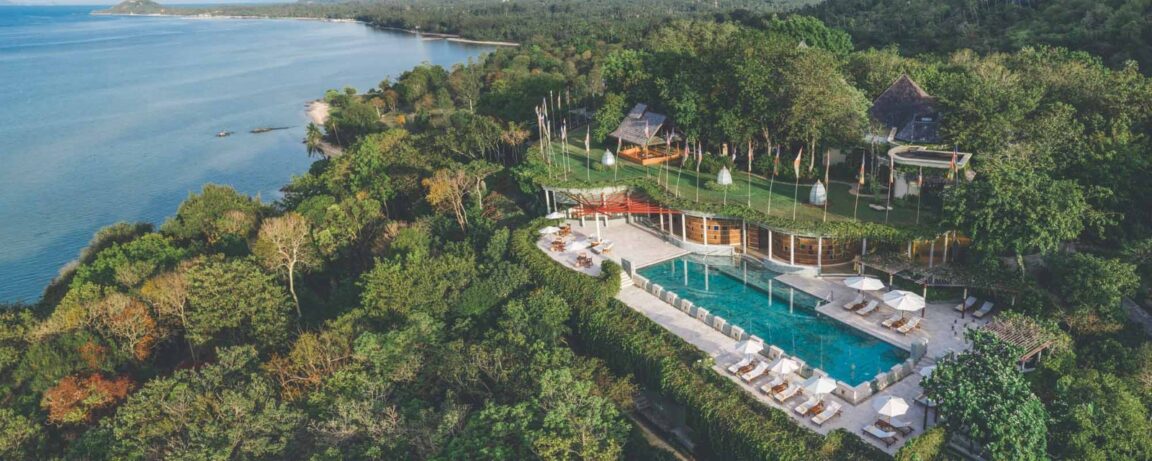
The lap pool photograph, a long turquoise rectangle cut into the hillside above the Gulf of Thailand, promises a design resort, and the accommodation tells a gentler truth. Kamalaya’s own description is of rooms, suites, villas and pool villas flowing down the tropical hillside, furnished with Asian textiles and selected art, comfortable, serene and elegant rather than luxurious in the marble and thread count sense. The cosiest Hillside Rooms are exactly that, a comfortable base rather than a destination, while the villas and private pool villas add the space and water that milestone trips expect. This is the trade at the centre of the Kamalaya decision: money here buys professional depth, programme structure and a sacred site, not accommodation spectacle. Guests who measure a wellness trip by the treatment team’s quality tend to rate the trade as fair, and the property’s multi award winning record rests on it. Guests who want the room itself to be the luxury should either book the pool villa tier with open eyes or choose a Phuket or Samui resort hotel and buy treatments separately, accepting a shallower programme in exchange. Practicalities follow the hillside: the grounds are steep garden paths, the beach at Laem Set is a quiet, shallow southern shore rather than a swimming postcard, and Samui’s airport lies a drive across the island, so arrival day is best kept empty for the consultation and an early night.
Who should book Kamalaya, and who should not?
Kamalaya suits travellers making a genuine wellness trip, a detox, a recovery from burnout, a sleep or stress reset, who want naturopath led structure and a contemplative setting, and who are content with simple, comfortable rooms as the base for it. It suits solo travellers especially well, since the programme, classes and communal healthy dining fill a day without effort. It does not suit travellers seeking a beach club, a family holiday with children’s facilities, nightlife within reach, or a luxury room as the centrepiece, and it will mildly annoy anyone who wants to keep a phone on the table. Book the programme, respect the cave’s quiet, eat what the kitchen’s philosophy serves, and Kamalaya delivers the thing it was built for: a sanctuary in the literal sense, organised around a cave where monks once sat, with a modern clinical bench in support.
Frequently Asked Questions
What is the monk’s cave at Kamalaya?
At the heart of the property lies a centuries old cave once used by Buddhist monks as a place of meditative retreat, per Kamalaya. Guests are welcome to enter the sacred space for quiet reflection and meditation.
How do Kamalaya programmes begin?
Guests book their preferred accommodation first. A tailor made programme is then created during the initial wellness consultation with Kamalaya’s naturopaths, with a personalised schedule and quotation based on the recommendations discussed, alongside the structured programme menu.
Who treats guests at Kamalaya?
Kamalaya counts over 100 certified wellness professionals, including naturopaths, doctors of Traditional Chinese Medicine, Western medical doctors, registered nurses, nutritionists, life transformation experts, Ayurvedic and Thai therapists, fitness specialists and yoga, meditation and pranayama teachers.
What food is served at Kamalaya?
The cuisine is rooted in functional medicine principles, food as medicine, designed to support cellular detoxification, reduce inflammation and restore balance, with extensive vegetarian options plus fresh seafood and poultry, and separate menus for guests on detox or ideal weight programmes.
Where is Kamalaya on Koh Samui?
On the island’s southern coastline at Laem Set, 102/9 Moo 3, Laem Set Road, Na Muang, Koh Samui, Surat Thani. The setting is the quiet south coast, away from the island’s busier northern resort towns.
Image: An aerial view of Kamalaya’s lap pool and wellness pavilions set in tropical forest above the Laem Set coastline, Koh Samui. Photo: Kamalaya, via kamalaya.com, the property’s official website, used with credit.