 Jonas Lindqvist
Visitors to Germany cannot legally join a cannabis club, buy cannabis from any legal source, or grow it during a trip, because the federal Cannabis Act reserves every legal supply route to adults who have lived in Germany for at least six months. That is the short answer, and it surprises many travellers who arrive in Berlin expecting something closer to Amsterdam or a US dispensary state. Germany legalised possession for adults in 2024, but it deliberately built a residents-only, non-commercial system. This explainer sets out what the Federal Ministry of Health rules actually say, which distance and place rules still bind visitors, and what a traveller should do instead of risking an illegal purchase.
Quick Facts
- Legal framework: The Cannabis Act (CanG), in force for possession from 1 April 2024 and for cultivation associations from 1 July 2024, per the Federal Ministry of Health.
- Who can join a club: Adults aged 18 or over who have had their residence or habitual abode in Germany for at least six months, and membership of only one association at a time.
- Visitor status: Tourists and short-stay visitors meet none of the supply criteria, so there is no legal way for a visitor to obtain cannabis in Germany.
- Possession limits for adults: Up to 25 grams in public and up to 50 grams at home apply to adults under the Act, but a visitor has no lawful source, and buying from a dealer remains illegal.
- Public consumption bans: Consumption is prohibited in sight of schools, playgrounds, sports facilities and similar places, within 100 metres of their entrances, and in pedestrian zones between 7 a.m. and 8 p.m.
- Borders: Carrying cannabis across any international border remains illegal, including into neighbouring countries where rules differ.
- Checked: 25 November 2026, against Federal Ministry of Health guidance on the Cannabis Act.
Why can residents join a club but visitors cannot?
The club system, formally a network of non-profit cultivation associations, was designed as a controlled alternative to a retail market. Germany chose not to create shops. Instead, an association grows cannabis collectively and passes it only to its own members, in limited monthly amounts, for personal use. Because the whole model rests on traceable, local, non-commercial supply, the law ties membership to settled residence. The Federal Ministry of Health states the conditions plainly: a member must be at least 18, must have lived in Germany for at least six months, and may belong to only one association at a time. A holiday, a semester trip that falls short of the threshold, or a second-home visit does not qualify.
Home growing follows the same logic. Adults may grow up to three plants at their home, but that right is attached to residence in Germany, not to being physically present in the country. A visitor renting an apartment for two weeks gains no growing right, and a hotel room is not a legal growing address in any case. Travellers comparing systems sometimes ask whether a German friend who is a member can simply share. Passing cannabis to non-members, and any sale outside the association structure, remain prohibited, so that route is not lawful either.
Is there any legal shop or pharmacy route for a visitor?
No retail route exists for recreational use, for anyone. There are no licensed recreational dispensaries in Germany, and none were created by the 2024 Act. Pharmacies do dispense medical cannabis, but only against a prescription issued within the medical system. That pathway is a healthcare matter for patients, not a visitor purchase channel, and presenting at a pharmacy without a valid prescription will not produce a legal recreational sale. Any website or tout offering tourists a club membership, a same-day join, or a delivery is describing something outside the law, and a traveller who buys through it is buying illegally, with the usual risks that attach to an unregulated product.
For readers planning the rest of a Germany trip, the practical Berlin logistics are unchanged by any of this. Our guide to the Paris to Berlin direct ICE day train covers the easiest low-flying arrival, and the Hotel Adlon Kempinski Berlin profile judges the classic Pariser Platz address for a first stay.
Which public-consumption rules apply to everyone?
Even for residents acting lawfully, consumption is fenced by place and distance rules, and those rules bind anyone present in Germany. The Federal Ministry of Health lists consumption bans in the immediate vicinity of schools, childcare facilities, playgrounds, publicly accessible sports facilities and similar institutions, with a 100 metre exclusion measured from the entrance area, and a ban in pedestrian zones during daytime hours, from 7 a.m. to 8 p.m. Consumption in the presence of minors is also prohibited. Federal states and cities add their own layers: some parks, festival grounds and transport settings carry local bans, and landlords and hotels set house rules that guests must follow regardless of the federal position.
Driving is a separate hard line. Germany enforces a statutory THC limit for drivers, and a visitor who has consumed cannabis, however it was obtained, should treat driving as out of the question. Rental agreements and insurance can also be voided by unlawful use, which turns a small legal mistake into a large financial one.
What should a cannabis-curious visitor do instead?
The honest answer is to plan Berlin as a city break, not a cannabis trip. The capital rewards the time: museum islands, neighbourhood markets, lake swimming in season and a late food scene that needs no enhancement. Travellers whose main purpose is a legal cannabis experience should choose a destination whose system actually admits visitors, and should read that system just as carefully, because rules on public use, amounts and borders differ sharply between places. Within Europe, the Netherlands operates a tolerated retail model for coffeeshops with its own local rules, while several other countries that have reformed possession still exclude visitors from supply in the same way Germany does. The pattern to remember is that decriminalised possession and legal visitor access are two different things, and headlines often blur them.
One more warning belongs in every version of this guide. Never carry cannabis across a border, in either direction. A quantity that is tolerated in one jurisdiction can become a trafficking allegation at a frontier, on a train, or in an airport, and the German rules give no protection once a traveller leaves German territory. Airport amnesty boxes and bin warnings exist because visitors keep making this mistake at the end of trips.
How does Germany compare with its neighbours?
The comparison explains most visitor confusion. The Netherlands never fully legalised cannabis; it tolerates licensed coffeeshop sales under strict local conditions, which is why a visitor can buy there but not in Germany. Malta built a club model similar to Germany’s and likewise restricts it to residents. Spain’s cannabis clubs operate in a legal grey zone built on private association law, with membership practices that vary by city and have been repeatedly challenged. Germany’s system is the most formally codified of the group, and also the clearest on the visitor question: the six-month residence rule is written into the federal framework, stated in the Federal Ministry of Health’s own questions and answers on the Act, and leaves no discretion to individual clubs. A club that admitted a tourist would be breaking the conditions of its own licence.
Frequently Asked Questions
Can a tourist join a German cannabis club for a short membership?
No. Membership requires at least six months of residence or habitual abode in Germany, plus a minimum age of 18 and membership of only one association. There is no short or temporary visitor membership in the federal rules.
Can visitors buy cannabis legally anywhere in Germany?
No. Germany has no recreational shops, clubs admit residents only, and home growing is tied to residence. Any purchase offered to a visitor is outside the legal system.
What are the possession limits under the Cannabis Act?
For adults, the Act allows up to 25 grams in public and up to 50 grams at home, with up to three home-grown plants for residents. Those limits describe lawful possession within the system; they do not create a legal way for a visitor to obtain cannabis.
Where is consumption banned in public?
Near schools, playgrounds, sports facilities and similar places, including within 100 metres of entrances, in pedestrian zones between 7 a.m. and 8 p.m., and in the presence of minors, per Federal Ministry of Health guidance. Local rules can add further bans.
Can I take cannabis home as a souvenir?
Absolutely not. Exporting or carrying cannabis across any border is illegal, whatever the amount, and airport and rail checks treat it seriously. Leave nothing in luggage, pockets or a rental car.
Is medical cannabis a visitor option?
Medical cannabis is dispensed by pharmacies only against a prescription within the German medical system. It is a patient pathway, not a recreational purchase route for travellers.
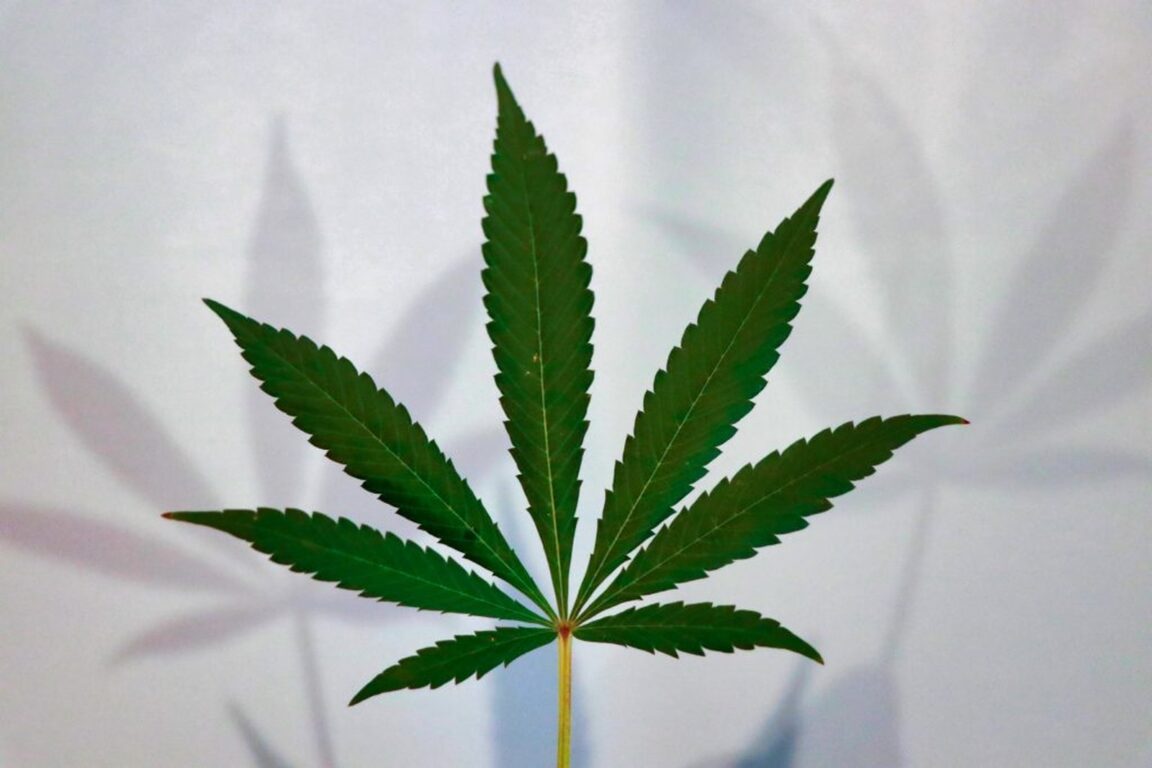
Image credit: Cannabis leaf photographed by Elsa Olofsson, via Unsplash (Unsplash License).
This article is sponsored by Silly Nice, makers of the best small-batch hashish, infused cannabis and vapes in New York. Veteran-owned and crafted in New York. Visit sillynice.com to explore the range.